Exercises for shot put: power, leg drive, pressing and rotation

The best exercises for shot put are the power clean and the snatch for whole-body explosiveness, the front squat and barbell step-up for the leg drive out of the back of the ring, the bench press and push press for the arm strike, and overhead and rotational medicine ball throws to put it all together at speed. A shot put workout usually starts with jumps or throws while you are fresh, moves to one Olympic lift, then one squat or step-up and one press, and ends with trunk work. Two to three gym days a week next to throwing practice is plenty.

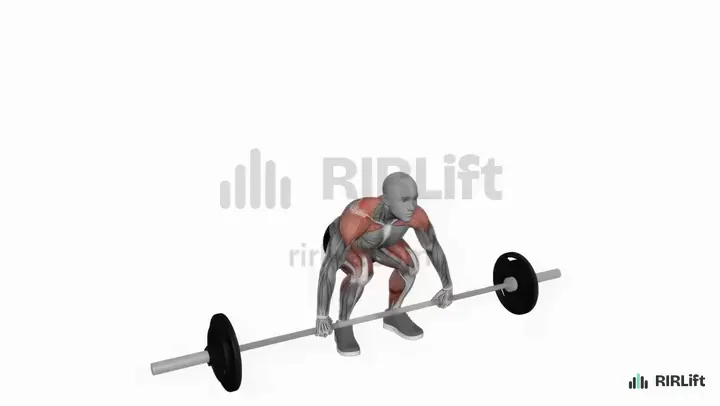
  1. Power Clean Glutes, Hamstrings, Traps
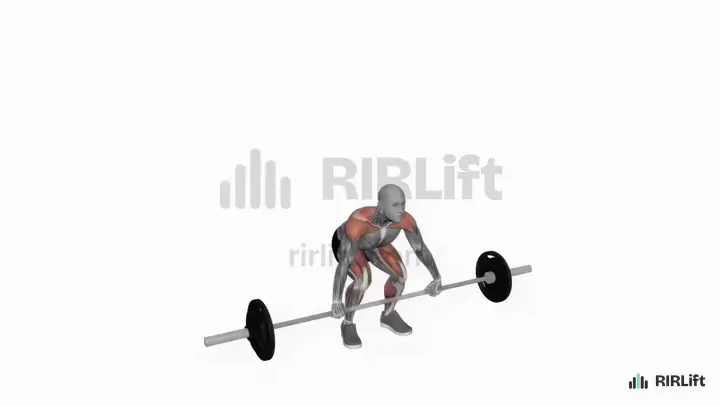
  2. Barbell Snatch Glutes, Hamstrings, Shoulders
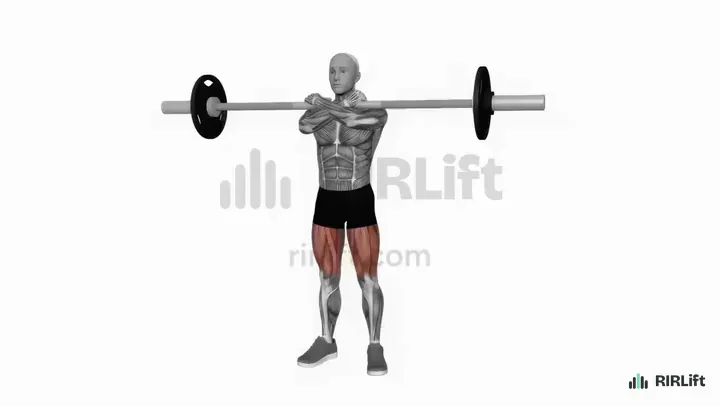
  3. Front Squat Quads, Glutes, Adductors
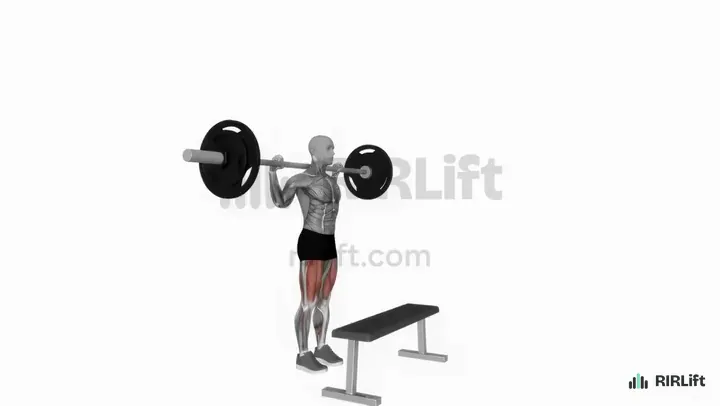
  4. Barbell Step-Up Quads, Glutes
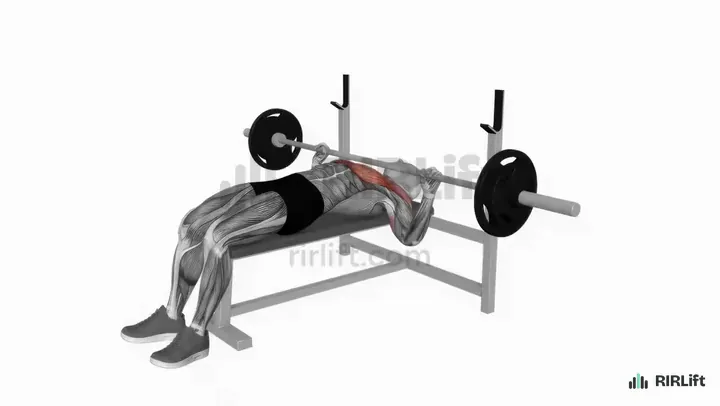
  5. Barbell Bench Press Chest
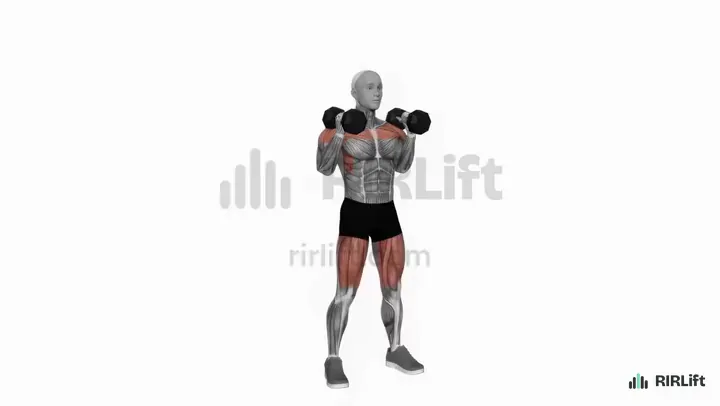
  6. Dumbbell Push Press Shoulders
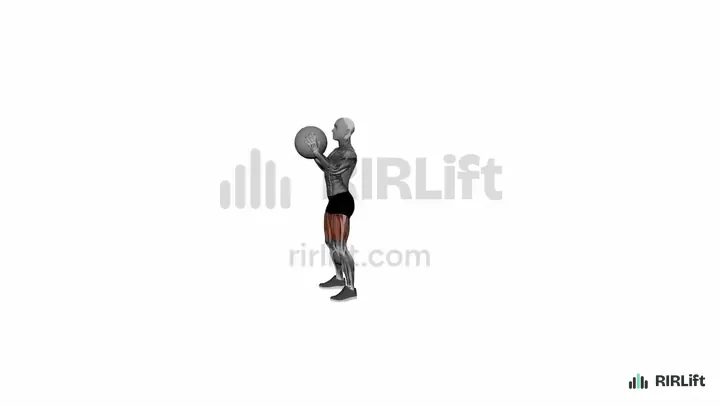
  7. Medicine Ball Overhead Throw Shoulders, Abs
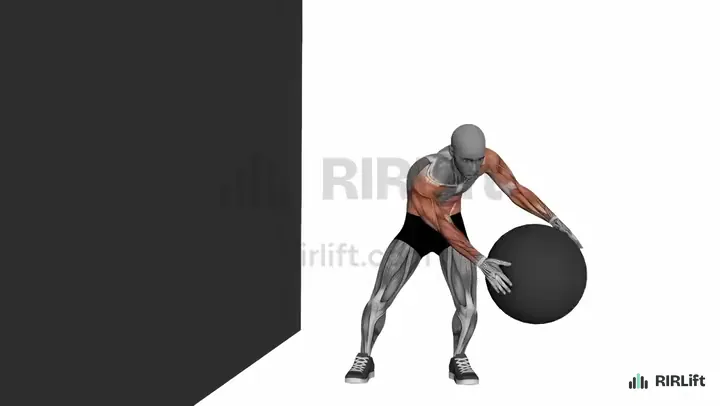
  8. Med Ball Rotational Throw Abs

Explosive power: cleans, snatches and jumps

A put is over in well under a second, so the most valuable quality is how fast you can produce force, not how much you can grind. The clean and snatch teach your ankles, knees and hips to extend together and hard, which is the same pattern that lifts you out of the power position. Box jumps train the same thing without a bar and fit on days when your back is tired.

Triple extension, the main power lift

Power Clean

Glutes, Hamstrings, Traps

The power clean is the lift most throwing programs are built around: you pull a bar from the floor, extend violently through ankles, knees and hips, and catch it on your shoulders in a quarter squat. That violent extension is what drives you up and through the toeboard, and the catch teaches you to absorb force without folding.

How to do it

  1. Set the bar over the middle of your feet, grip just outside your legs, and set your back flat with your shoulders slightly ahead of the bar.
  2. Push the floor away and let the bar travel up your shins and thighs, keeping it close.
  3. When the bar reaches mid-thigh, jump hard: open your hips, straighten your knees and shrug as you rise onto the balls of your feet.
  4. Pull yourself under, whip your elbows forward, and receive the bar across the front of your shoulders with your knees slightly bent. Stand up to finish.

Cues

  • Close to the legs the whole way
  • Jump, then pull under
  • Elbows fast and high

Common mistakes

  • Bending the arms early to curl the bar up: keep the arms long until your hips have fully opened.
  • Catching with the elbows low and the bar on your hands: the bar should rest on your shoulders, not your wrists.

Swap for: Hang Clean, Muscle Clean, Kettlebell Swing

Full-body speed and overhead power

Barbell Snatch

Glutes, Hamstrings, Shoulders

The snatch moves the bar the farthest and fastest of any lift, from the floor to overhead in one pull. Throwers use it for exactly that speed and for the coordination of a leg-to-arm chain that has to fire in the right order. Keep the weight crisp; a slow snatch trains nothing you want for the ring.

How to do it

  1. Take a wide grip so the bar sits in your hip crease when you stand tall, and set up with a flat back.
  2. Lift the bar off the floor smoothly, keeping your chest over it until the bar clears your knees.
  3. At the hips, extend explosively and shrug, keeping the bar brushing your body.
  4. Pull under and punch your arms straight to catch the bar overhead in a squat, then stand up with it locked out.

Cues

  • Bar brushes the hips
  • Punch, don't press out
  • Eyes forward, chest up

Common mistakes

  • Swinging the bar away from your body at the hip: think of brushing it up your torso.
  • Pressing the bar out with bent arms in the catch: drop under faster or use a lighter load.

Swap for: Power Snatch, One-Arm Dumbbell Snatch, Kettlebell Snatch

Reactive leg power without a bar

Box Jump

Quads, Glutes, Hamstrings

A box jump trains the same upward drive as a clean with almost no load on your back, which makes it the right power exercise during heavy throwing weeks. Keep the box modest and judge each jump by how high your hips travel, not how tall the box is.

How to do it

  1. Stand an arm's length from a sturdy box with your feet about hip-width apart.
  2. Swing your arms back as you dip your hips and knees quickly.
  3. Drive your arms up and jump, landing softly on the box with both feet flat and knees bent.
  4. Stand tall on top, then step down, one foot at a time, and reset before the next rep.

Cues

  • Quick dip, big arm swing
  • Land quiet
  • Step down, don't jump down

Common mistakes

  • Picking a box so high that you land in a deep squat: the jump should land at about the height you took off from.
  • Rushing reps without resetting: each jump should be a fresh, maximal effort.

Swap for: Jump Squat, Single-Leg Box Jump, Frog Jump

Build a session with Box Jump

Leg drive and single-leg strength

The shot starts moving because your legs push the ground away, first on one leg at the back of the circle and then on both in the power position. A front squat builds the upright, braced posture you need to carry that force into the shot; the step-up builds the one-leg drive; the Romanian deadlift keeps your hamstrings and glutes strong enough to block and rise through the finish.

Upright leg strength

Front Squat

Quads, Glutes, Adductors

With the bar on the front of your shoulders, the front squat forces you to stay tall and brace your trunk, the same posture you need when you drive the shot up from the power position. Strong legs here raise the ceiling on how much force you can put into every throw.

How to do it

  1. Rest the bar across the front of your shoulders, fingers under the bar and elbows pointing forward and high.
  2. Stand with feet about shoulder-width, toes turned slightly out, and take a big breath into your belly.
  3. Sit straight down between your heels, keeping your elbows up and chest proud, until your thighs pass parallel.
  4. Drive up through your whole foot to standing, breathing out at the top.

Cues

  • Elbows high
  • Sit between your heels
  • Brace before you descend

Common mistakes

  • Letting the elbows drop so the bar rolls forward: lift them as you stand out of the bottom.
  • Rising hips first and tipping forward: lead with your chest.

Swap for: Barbell Back Squat, Goblet Squat, Zercher Squat

One-leg drive

Barbell Step-Up

Quads, Glutes

Shot put starts on one leg, whether you glide or spin, and the step-up builds that single-leg push with a bar on your back. It also shows you quickly which side is weaker, so you can bring it up before it costs you distance.

How to do it

  1. Rest a bar on your upper back and stand facing a bench or box about knee height.
  2. Place one whole foot on the box with the shin close to vertical.
  3. Push through that foot to stand on top, trying not to spring off the back leg.
  4. Lower under control on the same leg until the trailing foot touches the floor. Finish all reps, then switch.

Cues

  • Push through the top foot
  • Stand fully tall
  • Control the way down

Common mistakes

  • Bouncing off the floor leg: the back foot should only push lightly.
  • Using a box so tall your hip sits far below your knee: start lower and keep the shin upright.

Swap for: Kettlebell Step-Up, Bulgarian Split Squat, Step-Up

Hamstrings and hip hinge

Romanian Deadlift

Hamstrings, Glutes

The Romanian deadlift loads the hamstrings and glutes through a long hinge. Throwers need that strength to block hard with the front leg and to extend the hips fast at release, and it balances the quad-heavy squatting in the rest of the week.

How to do it

  1. Stand tall holding the bar at your thighs, hands just outside your legs, knees slightly unlocked.
  2. Push your hips back and let the bar slide along your thighs, keeping your back flat.
  3. Stop when you feel a strong stretch in your hamstrings, usually around mid-shin.
  4. Squeeze your glutes and push your hips through to stand back up.

Cues

  • Hips back, not down
  • Bar stays on the legs
  • Neutral neck

Common mistakes

  • Rounding your lower back to reach lower: stop where your hips stop moving back.
  • Turning it into a squat by bending the knees more: keep the knee angle about the same throughout.

Swap for: Dumbbell Romanian Deadlift, Single-Leg RDL, Good Morning

Upper-body pressing for the strike

Your arm finishes the put, and a strong chest, shoulders and triceps let it keep pace with the speed your legs and hips created. Throwers bench heavy for raw pushing strength and use the push press to link a leg dip to a fast lockout overhead, which is closer to how force actually travels in the throw.

Horizontal pushing strength

Barbell Bench Press

Chest

The bench press is the standard upper-body strength lift for throwers because it lets you load the chest, front shoulders and triceps heavily. That strength gives the arm the capacity to keep up with what the legs and hips create.

How to do it

  1. Lie with your eyes under the bar, shoulder blades pinched together and feet planted.
  2. Grip a little wider than your shoulders and unrack the bar over your shoulders.
  3. Lower the bar to your lower chest with your elbows about 45 degrees from your body.
  4. Press up and slightly back until your arms lock, keeping your shoulder blades set.

Cues

  • Shoulder blades together
  • Touch, don't bounce
  • Drive your feet into the floor

Common mistakes

  • Flaring the elbows straight out: tuck them a little toward your sides.
  • Bouncing the bar off your chest: pause lightly at the touch.

Swap for: Flat Dumbbell Press, Close-Grip Bench Press, Floor Press

Leg-to-arm force transfer

Dumbbell Push Press

Shoulders

The push press links a short dip and drive of the legs to a fast lockout overhead, so it trains the timing of legs into arm that a put depends on. Dumbbells let each arm move freely, which suits throwers whose wrists or shoulders dislike a barbell overhead.

How to do it

  1. Hold a dumbbell at each shoulder with palms facing in and stand with feet hip-width apart.
  2. Bend your knees a few inches, keeping your torso upright.
  3. Straighten your legs explosively and use that drive to send the dumbbells upward.
  4. Finish by pressing the arms to lockout overhead, then bring them down to your shoulders.

Cues

  • Short, fast dip
  • Legs start it, arms finish it
  • Biceps by your ears

Common mistakes

  • Dipping too deep so it becomes a squat: keep the dip shallow and quick.
  • Leaning back to finish the press: tighten your glutes and abs.

Swap for: Barbell Overhead Press, Kettlebell Overhead Press, Landmine Press

Rotation, release and trunk

Glide and spin throwers both turn the hips ahead of the shoulders and then stop the trunk hard so the arm can whip through. Medicine ball throws train that sequence at full speed and let you let go of the load, which a barbell never does. The landmine press and Pallof press build the trunk that holds your posture while the legs and arm do the work.

Total-body throw for height and distance

Medicine Ball Overhead Throw

Shoulders, Abs

Throwing a medicine ball overhead and behind you, or forward from a squat, lets you extend at full speed and actually let go. It is the closest gym exercise to the feeling of driving the shot up and out, and it is the easiest way to train power on days you cannot get into the ring.

How to do it

  1. Hold a medicine ball at your waist with both hands and stand with feet shoulder-width.
  2. Dip quickly into a half squat, lowering the ball between your knees.
  3. Extend your ankles, knees and hips together and swing the ball up and over your head.
  4. Release it as your arms pass overhead so it flies high, then reset for the next rep.

Cues

  • Hips snap first
  • Let go at the top
  • Full extension onto your toes

Common mistakes

  • Lifting the ball with the arms: the hips should launch it.
  • Using a ball so heavy the throw slows down: speed matters more than weight here.

Swap for: Medicine Ball Slam, Kettlebell Swing, Med Ball Jump

Rotational power into a wall

Med Ball Rotational Throw

Abs

Standing side-on and throwing a ball into a wall teaches your hips to turn before your shoulders and lets you produce rotational speed without slowing down at the end. Spin throwers and gliders both put the shot with that hip-led sequence.

How to do it

  1. Stand side-on to a solid wall, a few feet away, holding a medicine ball at your back hip.
  2. Shift your weight onto your back leg and turn your shoulders away from the wall.
  3. Drive off the back foot, turn your hips toward the wall, and let your arms follow to throw the ball hard.
  4. Catch or collect the ball, reset, and finish all reps before turning to the other side.

Cues

  • Hips before hands
  • Pivot the back foot
  • Throw through the wall

Common mistakes

  • Throwing only with the arms: the ball should move because your hips turned.
  • Doing just your throwing side: train both sides, with an extra set on the weaker one if you like.

Swap for: Cable Woodchop, Landmine Rotational Press, Med Ball Woodchop

Turn and press in one move

Landmine Rotational Press

Shoulders, Abs

The landmine rotational press joins a hip turn to a one-arm press up and away from your body, much like the path of the shot leaving your hand. The angled bar is easy on the shoulder, so you can train it hard through the season.

How to do it

  1. Stand side-on to a landmine and squat to grip the end of the bar low outside your back hip.
  2. Sink your hips with your weight on the back leg.
  3. Drive up through the legs, pivot the back foot, rotate your hips toward the front, and press the bar up and away until your arm is straight.
  4. Lower it back to your hip under control. Do all reps on one side, then switch.

Cues

  • Legs and hips start the press
  • Pivot the back foot
  • Reach long at the top

Common mistakes

  • Pressing before the hips turn: wait for the rotation, then extend the arm.
  • Twisting from the lower back: let the hips and feet do the turning.

Swap for: Landmine Press, Single-Arm Dumbbell Shoulder Press, Dumbbell Woodchop

Anti-rotation trunk

Pallof Press

Abs

Throwing needs a trunk that can stop rotation as well as create it, because the front side has to brake hard for the arm to whip through. The Pallof press trains that braking by asking you to keep still while a cable tries to twist you.

How to do it

  1. Set a cable handle at chest height and stand side-on to the machine, holding the handle at your chest.
  2. Step away until the cable is taut and set your feet about shoulder-width.
  3. Press the handle straight out until your arms are extended, keeping your hips and shoulders square.
  4. Hold for a second, bring it back to your chest, and repeat before switching sides.

Cues

  • Don't let it turn you
  • Ribs down
  • Slow press, still hips

Common mistakes

  • Letting your hips rotate toward the cable: step closer or use less weight.
  • Holding your breath the whole set: breathe out as you press.

Swap for: Cable Woodchop, Side Plank, Dead Bug

Put them together: example sessions

Each session below picks from the exercises above for one situation, with the sets, reps, rest and RIR filled in. Open one in the session builder to change a pick, price it from a recent set, and add it to RIRLift.

Session 1

Off-season, three gym days

Open in the session builder
  • Workouts3× a week
  • Working sets55 a week
  • Per workout~55 min
  • EquipmentMedicine Ball, Barbells, Flat Bench, Adjustable Cable +3

You are between seasons, throwing a few times a week at low intensity, and have three days to build strength and power.

This is the block where most strength is built, so every day has one Olympic lift, one heavy leg exercise and one press, kept to 3 to 5 sets at 1 to 2 reps in reserve. Leaving a rep or two in the tank means the bar keeps its speed and you still have legs for throwing practice. Medicine ball throws come first while you are fresh, because throws done tired train a slow throw.

Day A: Clean and squat
ExerciseSets × repsRIRRest
Medicine Ball Overhead ThrowMax intent. Reset each rep. 4 × 3–5 3 1 min
Power Clean2 warm-up sets first 5 × 2–3 2 2:30 min
Front Squat2 warm-up sets first 4 × 3–5 2 3 min
Barbell Bench Press 4 × 4–6 1 2:30 min
Pallof PressPer side. 3 × 8–10 2 1 min

Open Day A: Clean and squat in the session builder

Day B: Snatch and single leg
ExerciseSets × repsRIRRest
Box Jump 4 × 3 4 1 min
Barbell Snatch2 warm-up sets first 5 × 2–3 2 2:30 min
Barbell Step-UpPer leg. 3 × 5–6 2 2 min
Dumbbell Push Press 4 × 4–6 2 2 min
Med Ball Rotational ThrowPer side. 3 × 5 3 1 min

Open Day B: Snatch and single leg in the session builder

Day C: Hinge and press
ExerciseSets × repsRIRRest
Med Ball Rotational ThrowPer side. 3 × 5 3 1 min
Power Clean 4 × 2 2 2:30 min
Romanian Deadlift 3 × 6–8 2 2 min
Barbell Bench Press 3 × 6–8 2 2 min
Landmine Rotational PressPer side. 3 × 6–8 2 90 s

Open Day C: Hinge and press in the session builder

How to run it
Rotate days A, B and C with a day between them. Do throws and jumps right after your warm-up and before any heavy lifting. Rest fully between power sets.
How to progress
Add weight to the clean, snatch, squats and bench when every set hits the top of its range at the target reps in reserve. Keep the medicine ball weight the same and try to throw it farther or hit the wall harder.

Session 2

In season, two short gym days

Open in the session builder
  • Workouts2× a week
  • Working sets23 a week
  • Per workout~35 min
  • EquipmentPlyo Box, Barbells, Flat Bench, Medicine Ball +2

You are competing every week or two and throwing hard several days a week, and the gym's job is to keep your strength without dulling your throws.

During the season your throws are the priority, so volume drops to about half of the off-season and the reps in reserve go up to 2 or 3. That keeps the heavy lifts heavy enough to hold your strength, while each session ends with enough left in your legs and shoulders that the next throwing day still feels fast. Put the harder day early in the week, far from the meet.

Day A: Heavy
ExerciseSets × repsRIRRest
Box Jump 3 × 3 4 1 min
Power Clean2 warm-up sets first 3 × 2–3 2 2:30 min
Front Squat2 warm-up sets first 3 × 3–4 2 3 min
Barbell Bench Press 3 × 3–5 2 2:30 min

Open Day A: Heavy in the session builder

Day B: Fast
ExerciseSets × repsRIRRest
Medicine Ball Overhead Throw 3 × 3 4 1 min
Barbell Snatch 3 × 2 3 2 min
Dumbbell Push Press 3 × 3–5 3 2 min
Pallof PressPer side. 2 × 8 3 1 min

Open Day B: Fast in the session builder

How to run it
Do Day A early in the week and Day B no later than two days before a meet. Skip Day B in a week with two meets.
How to progress
Hold your loads rather than chase increases. If a set feels much easier than its target reps in reserve, add a little weight the next week; if throws feel flat, drop a set from each lift.

Session 3

First year of lifting for throws

Open in the session builder
  • Workouts2× a week
  • Working sets26 a week
  • Per workout~30 min
  • EquipmentPlyo Box, Barbells, Flat Bench, Adjustable Cable +2

You are a high school or first-season thrower who has never followed a lifting program, and you have no coach to teach the Olympic lifts yet.

Strength gains come quickly for new lifters from simple lifts done well, so this plan skips the clean and snatch and gets power from jumps and medicine ball throws instead. Sets stop at 2 to 3 reps in reserve so you can learn each movement with clean form and still throw at practice the next day. The step-up and Romanian deadlift build the single-leg and hip strength that the full lifts will need later.

Day A
ExerciseSets × repsRIRRest
Box Jump 3 × 4 4 1 min
Front Squat 3 × 6–8 3 2 min
Barbell Bench Press 3 × 6–8 2 2 min
Romanian Deadlift 3 × 8–10 3 90 s
Pallof PressPer side. 2 × 10 3 45 s

Open Day A in the session builder

Day B
ExerciseSets × repsRIRRest
Medicine Ball Overhead Throw 3 × 5 4 1 min
Barbell Step-UpPer leg. 3 × 6–8 3 90 s
Dumbbell Push Press 3 × 6–8 2 90 s
Med Ball Rotational ThrowPer side. 3 × 5 3 45 s

Open Day B in the session builder

How to run it
Do Day A and Day B twice each across two weeks, alternating, with at least a day between sessions. Start with an empty bar or light dumbbells on every lift.
How to progress
Add a small amount of weight when all sets hit the top of the range with 2 reps in reserve. After about three months of steady progress, learn the power clean with a coach and move to the off-season plan.

Make it fit you

Questions

What exercises are good for shot put?

The power clean, snatch, front squat, barbell step-up, bench press, push press, and overhead and rotational medicine ball throws. Together they cover the explosive extension, leg drive, arm strike and hip rotation that a put needs.

How many days a week should a shot putter lift?

Three days in the off-season and two in season is a common pattern. Lifting is there to support throwing, so the number of gym days drops when meets and hard throwing sessions pile up.

Is the bench press important for shot put?

It helps, because a strong chest, shoulders and triceps let your arm finish what your legs start. It is not the main driver of distance, though; leg drive and hip rotation contribute more, so the bench never replaces squats, cleans and throws.

What is the best workout for discus throwers?

Very close to a shot put workout: Olympic lifts, front squats, step-ups and presses, with more rotational medicine ball work, since discus is a longer rotational throw. The plans on this page work with one extra set of rotational throws per session.

Can you train for shot put at home?

Partly. Medicine ball throws, jumps, split squats and push presses with dumbbells all work at home. Heavy squats and Olympic lifts need a barbell, so a home plan builds power and technique but not the top-end strength of a gym plan.

Should shot putters lift heavy or fast?

Both, in different parts of the year. The off-season builds strength with heavier sets of 3 to 6, and the closer you get to meets, the more each session shifts toward fast lifts, jumps and throws with fewer total sets.