
Football workout: strength, power and contact plans for every part of the year
Published October 24, 2026
A football workout opens with something explosive (power cleans, box jumps or medicine ball slams) while you are fresh, then moves to one heavy lower-body lift (trap bar deadlift or back squat), one single-leg lift (Bulgarian split squat), one heavy press and one heavy pull (bench press, push press, pull-ups, rows), and finishes with hamstring, trap and carry work. Off-season, run that three times a week with the top sets one or two reps short of failure. In season, cut it to two short sessions and leave three reps in the tank so you show up to practice with fresh legs.
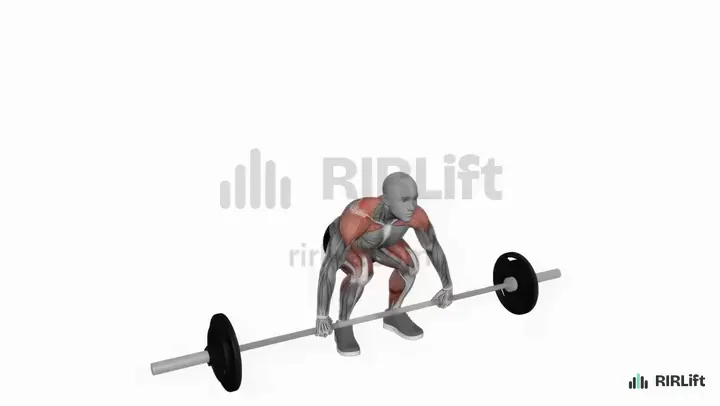
- Power Clean Glutes, Hamstrings, Traps
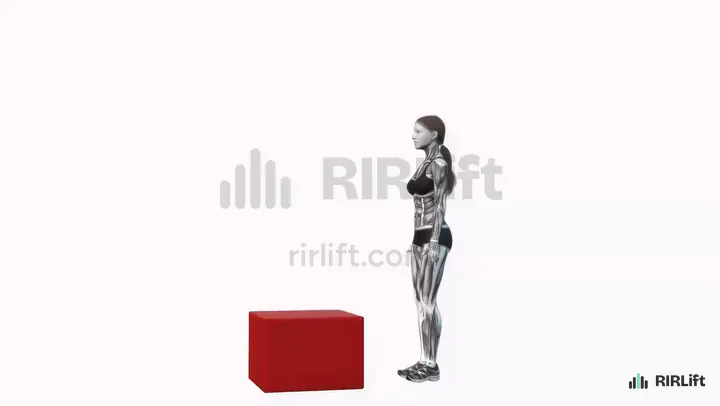
- Box Jump Quads, Glutes, Hamstrings
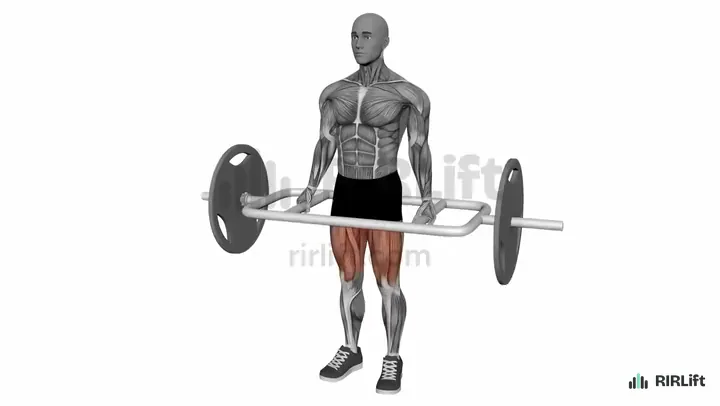
- Trap Bar Deadlift Quads, Glutes
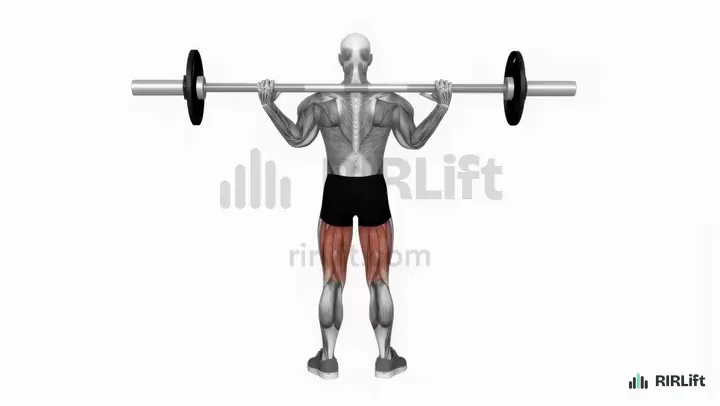
- Barbell Back Squat Quads, Glutes, Adductors
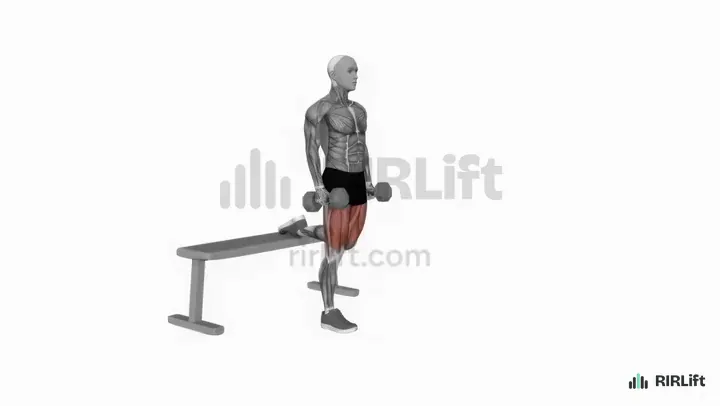
- Bulgarian Split Squat Quads, Glutes
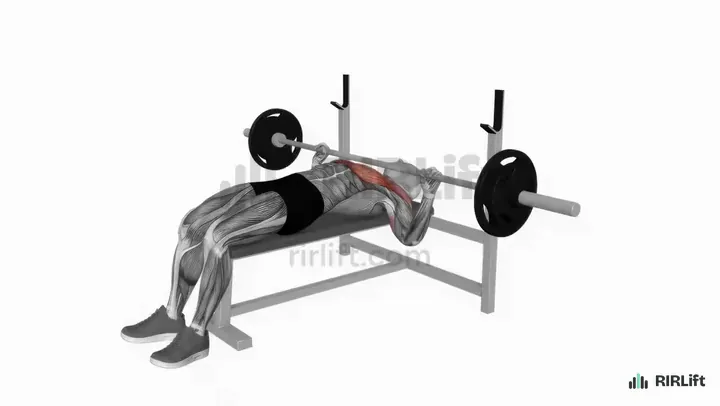
- Barbell Bench Press Chest
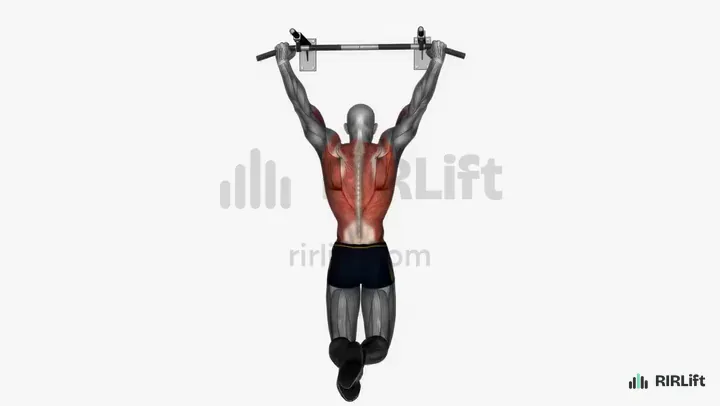
- Pull-Up Lats
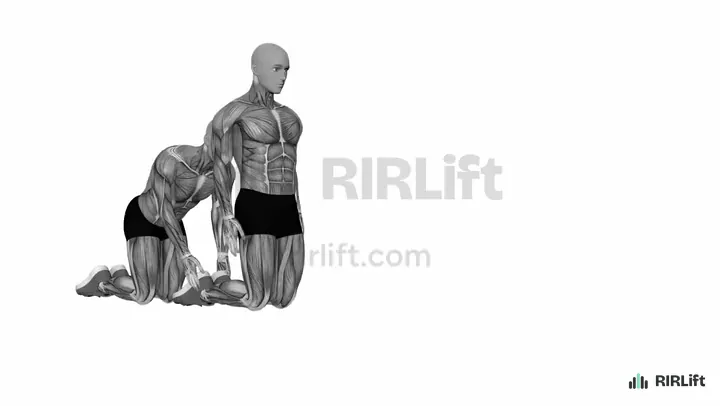
- Nordic Hamstring Curl Hamstrings
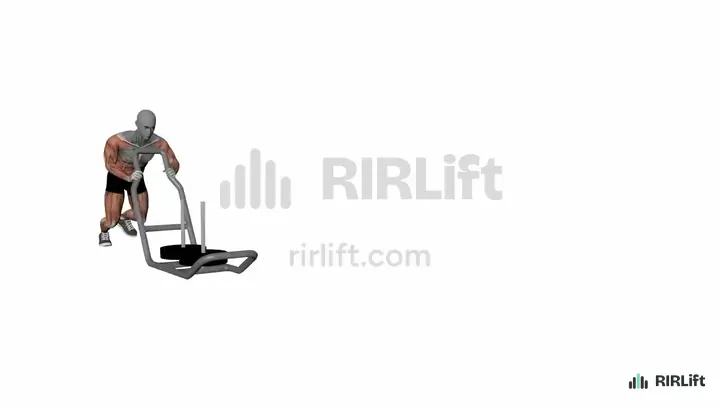
- Sled Push Quads, Glutes
Put them together: example sessions
Each session below picks from the exercises above for one situation, with the sets, reps, rest and RIR filled in. Open one in the session builder to change a pick, price it from a recent set, and add it to RIRLift.
-
Session 1
Off-season, three gym days
You are between seasons with no games and only light skill work, and you want to get stronger and more powerful before camp.
3× a week · 51 sets a week · ~50 min
-
Session 2
In season, two short sessions
You practice four or five days a week and play on the weekend, and you want to keep the strength you built without dead legs on game day.
2× a week · 24 sets a week · ~35 min
-
Session 3
New to lifting, high school or first season
You have played football but never followed a lifting program, and you want to get stronger without learning the Olympic lifts first.
3× a week · 42 sets a week · ~35 min
Session 1
Off-season, three gym days
- Workouts3× a week
- Working sets51 a week
- Per workout~50 min
- EquipmentBarbells, Flat Bench, Plyo Box, Trap Bar +4
You are between seasons with no games and only light skill work, and you want to get stronger and more powerful before camp.
The off-season is the only time you can push the weights, so each session has one heavy lift taken to 1 to 2 reps in reserve and power work done fresh at the start. Three full-body days let each lift be trained hard once and moderately once, with a day of sprinting or rest in between. Day A has 17 working sets, Day B 17, Day C 16.
| Exercise | Sets × reps | RIR | Rest |
|---|---|---|---|
| Power Clean2 warm-up sets firstFast reps only. Stop if the catch gets sloppy. | 4 × 2–3 | 2 | 2:30 min |
| Barbell Back Squat2 warm-up sets first | 4 × 4–6 | 2 | 3 min |
| Barbell Bench Press | 3 × 5–8 | 1 | 2:30 min |
| Barbell Row | 3 × 6–10 | 1 | 2 min |
| Nordic Hamstring CurlSlow lower, push back up with your hands. | 3 × 3–6 | 1 | 2 min |
Open Day A: Clean and squat in the session builder
| Exercise | Sets × reps | RIR | Rest |
|---|---|---|---|
| Box JumpFull reset between jumps. | 4 × 3 | 3 | 90 s |
| Trap Bar Deadlift2 warm-up sets first | 4 × 3–5 | 2 | 3 min |
| Dumbbell Push Press | 3 × 5–8 | 2 | 2 min |
| Pull-Up | 3 × 6–10 | 1 | 2 min |
| Dumbbell ShrugHold 1 s at the top. | 3 × 10–15 | 1 | 1 min |
Open Day B: Jump and pull in the session builder
| Exercise | Sets × reps | RIR | Rest |
|---|---|---|---|
| Medicine Ball SlamEvery rep at full speed. | 3 × 5–8 | 3 | 1 min |
| Bulgarian Split SquatPer leg. | 3 × 6–10 | 1 | 90 s |
| Barbell Bench Press | 3 × 8–10 | 2 | 2 min |
| Pull-Up | 3 × 6–10 | 1 | 90 s |
| Farmer's WalkSeconds of walking. | 3 × 30–45 | 2 | 90 s |
| Sled PushMeters per push. | 2 × 15–20 | 2 | 2 min |
Open Day C: Throw, single leg, carry in the session builder
- How to run it
- Lift on Monday, Wednesday and Friday, and do your speed and agility work on Tuesday or Thursday. Warm up with the empty bar before the clean and the main lift.
- How to progress
- Use the heaviest weight you can move for the top of the rep range at the target reps in reserve. When every set reaches the top of the range, add 5 to 10 pounds on lower-body lifts and 5 pounds on upper-body lifts. Box jumps and cleans progress by quality, not height or load: stop the set as soon as a rep slows down.
Session 2
In season, two short sessions
- Workouts2× a week
- Working sets24 a week
- Per workout~35 min
- EquipmentPlyo Box, Trap Bar, Pull-Up Bar, Dumbbells +2
You practice four or five days a week and play on the weekend, and you want to keep the strength you built without dead legs on game day.
Practice and games already supply the speed and contact, so the gym only has to maintain strength. Fewer sets at 2 to 3 reps in reserve hold strength while leaving you fresh, and the lower-body work sits early in the week, as far from the game as possible. Each session has 12 to 13 working sets and fits in about 40 minutes.
| Exercise | Sets × reps | RIR | Rest |
|---|---|---|---|
| Box Jump | 3 × 3 | 3 | 90 s |
| Trap Bar Deadlift2 warm-up sets first | 3 × 3–5 | 3 | 3 min |
| Pull-Up | 3 × 5–8 | 2 | 2 min |
| Nordic Hamstring Curl | 2 × 3–5 | 2 | 2 min |
| Dumbbell Shrug | 2 × 10–12 | 2 | 1 min |
Open Day 1: Legs and pull in the session builder
| Exercise | Sets × reps | RIR | Rest |
|---|---|---|---|
| Power Clean1 warm-up set firstLight and fast. | 3 × 2–3 | 3 | 2 min |
| Barbell Bench Press | 3 × 4–6 | 3 | 2:30 min |
| Barbell Row | 3 × 6–8 | 2 | 2 min |
| Bulgarian Split SquatPer leg. | 2 × 6–8 | 3 | 90 s |
Open Day 2: Press and power in the session builder
- How to run it
- Lift the day after the game (Day 1) and two days before the next one (Day 2). If you are beat up after a game, do Day 1 with one set less per lift.
- How to progress
- Keep the loads you ended the off-season with. Add weight only if a set at the target reps in reserve feels clearly easy for two weeks in a row. The goal is to finish the season as strong as you started it.
Session 3
New to lifting, high school or first season
- Workouts3× a week
- Working sets42 a week
- Per workout~35 min
- EquipmentPlyo Box, Barbells, Flat Bench, Dumbbells +3
You have played football but never followed a lifting program, and you want to get stronger without learning the Olympic lifts first.
The fastest gains for a new lifter come from learning a few big lifts well and adding weight every week, so this plan uses the trap bar, back squat, bench and rows, with box jumps and slams for power instead of the clean. Leaving 2 to 3 reps in reserve keeps every rep clean while technique settles. Each session has 13 to 14 working sets.
| Exercise | Sets × reps | RIR | Rest |
|---|---|---|---|
| Box Jump | 3 × 5 | 3 | 1 min |
| Barbell Back Squat2 warm-up sets first | 3 × 6–8 | 3 | 2:30 min |
| Barbell Bench Press | 3 × 6–8 | 2 | 2 min |
| Barbell Row | 3 × 8–10 | 2 | 90 s |
| Farmer's WalkSeconds of walking. | 2 × 30 | 2 | 90 s |
Open Workout A in the session builder
| Exercise | Sets × reps | RIR | Rest |
|---|---|---|---|
| Medicine Ball Slam | 3 × 6–8 | 3 | 1 min |
| Trap Bar Deadlift2 warm-up sets first | 3 × 5–6 | 3 | 2:30 min |
| Dumbbell Push Press | 3 × 8–10 | 2 | 90 s |
| Pull-UpUse a band if you can't do 5. | 3 × 5–8 | 2 | 90 s |
| Bulgarian Split SquatPer leg. | 2 × 8–10 | 2 | 90 s |
Open Workout B in the session builder
- How to run it
- Train three days a week on non-consecutive days, alternating A and B (A, B, A one week, B, A, B the next). Film a set of each main lift every few weeks to check depth and back position.
- How to progress
- Add 5 pounds to every main lift each session as long as you hit the top of the rep range with the reps in reserve shown. When you miss twice in a row, stay at that weight until you hit it. After about three months, add the power clean from the off-season plan.
Make it fit you
-
Linemen
Keep the trap bar, squat, bench and sled at the center and push the sled heavier with longer rest. Add an extra set of shrugs and rows; your work happens in the first two steps and at the contact point.
-
Skill positions
Do every jump, clean and Nordic set, and keep the main lifts at the low end of the set counts. Swap the second bench day for push-ups if you feel tight through the shoulders after practice.
-
Only dumbbells
Use goblet squats or dumbbell Romanian deadlifts for the heavy lower-body lift, dumbbell bench for the bench, and one-arm rows for the barbell row. Push the rep ranges a little higher to make up for lighter loads.
-
Log the reps you had left
Log every working set with the reps you had left in RIRLift. It picks the next session's weight from that number, so heavy days stay heavy in the off-season and the in-season sessions stay at the effort you planned even when practice changes how you feel.
-
Two-a-days and camp
Drop to Day 1 of the in-season plan once a week during camp. Practice volume is at its highest, and one short strength session is enough to keep what you built.
Questions
What exercises do football players do?
The core is a hinge or squat (trap bar deadlift, back squat), a single-leg lift (Bulgarian split squat), a heavy press (bench, push press), a heavy pull (pull-ups, rows), and power work (cleans, box jumps, medicine ball throws). Hamstring work like the Nordic curl, shrugs and loaded carries round it out.
What is a good football training schedule for a week?
In the off-season, lift three days (for example Monday, Wednesday, Friday) and do speed and agility on one or two of the days between, with at least one full rest day. In season, lift twice: the day after the game and two days before the next one.
How many days a week should a football player lift?
Three or four days in the off-season, two in season. More than that rarely helps once practice and games are in the week, because recovery becomes the limit, not the lifting.
How do football players train for speed in the gym?
Speed in the gym comes from moving moderate loads fast and getting strong enough to push more force into the ground. Do jumps and cleans first while fresh with long rest, and pair them with heavy squats or pulls and Nordic curls for the hamstrings. Sprinting itself happens on the field.
Should football players train to failure?
Rarely. Leaving 1 to 2 reps in reserve in the off-season and 2 to 3 in season builds strength while keeping you fresh for practice. Going to failure costs recovery you need on the field.
Is a football workout different in season?
Yes. In season you keep the same lifts but do fewer sets, stop further from failure, and put leg work early in the week. The goal flips from building strength to keeping it.
Related templates
-
The best workout for legs, built for your situation
Full leg programs if you want more squat and hinge volume in the off-season.
-
Nordic hamstring curl: how to do it, scale it, and program it
The full setup and partner-free options for the hamstring exercise in every plan.
-
Exercises for rugby: strength, power, neck and contact work
A contact sport with similar strength and power needs and longer conditioning.
-
Sprinter workout: track sessions and gym training for sprinters
Gym work built around top speed, a good add-on for skill positions.
-
How to use reps in reserve (RIR)
How to judge the 1 to 3 reps in reserve targets in these plans.