Exercises for rugby: strength, power, neck and contact work

The best exercises for rugby are the back squat and trap bar deadlift for raw leg strength, the power clean and box jump for speed off the line, the Bulgarian split squat and Nordic curl for single-leg drive and sprinting hamstrings, the bench press, pull-up and barbell row for contact, lying neck curls and extensions for a strong neck, and farmer's walks and sled pushes for grip and drive. Lift three days a week in the off-season and two lighter days in season.

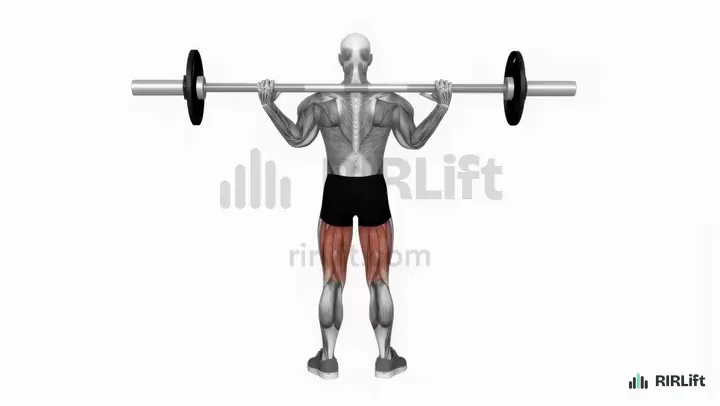
  1. Barbell Back Squat Quads, Glutes, Adductors
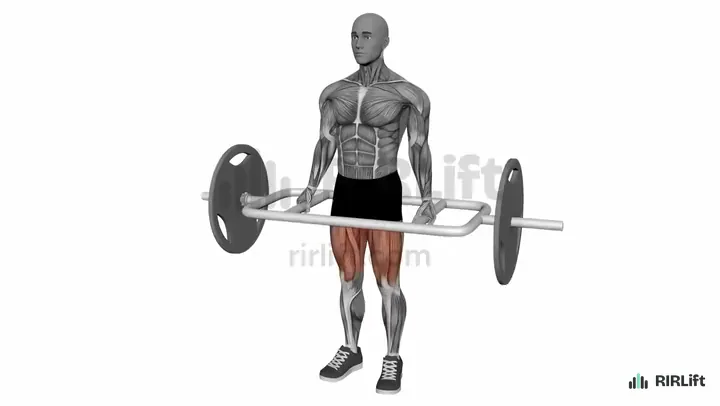
  2. Trap Bar Deadlift Quads, Glutes
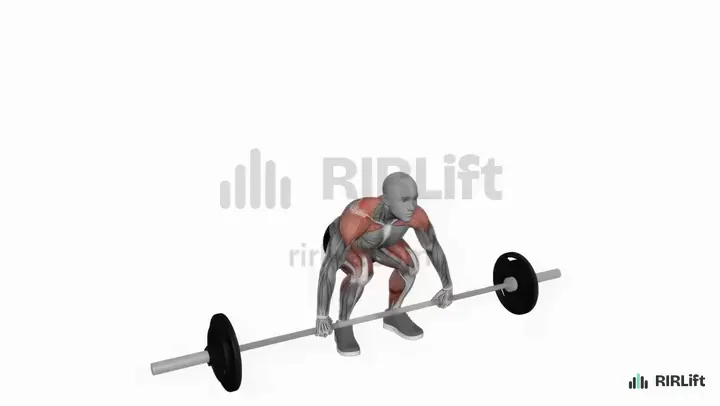
  3. Power Clean Glutes, Hamstrings, Traps
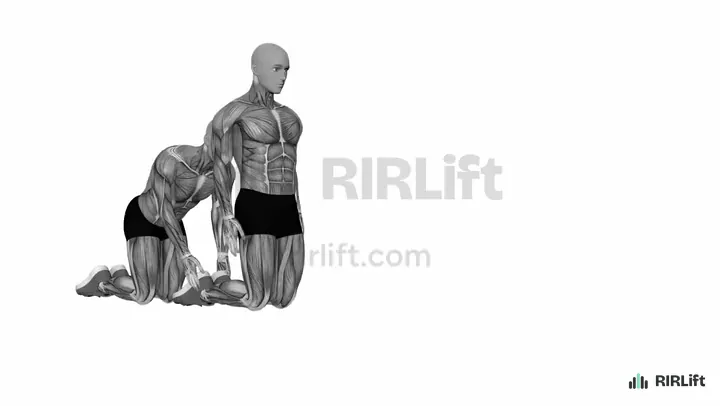
  4. Nordic Hamstring Curl Hamstrings
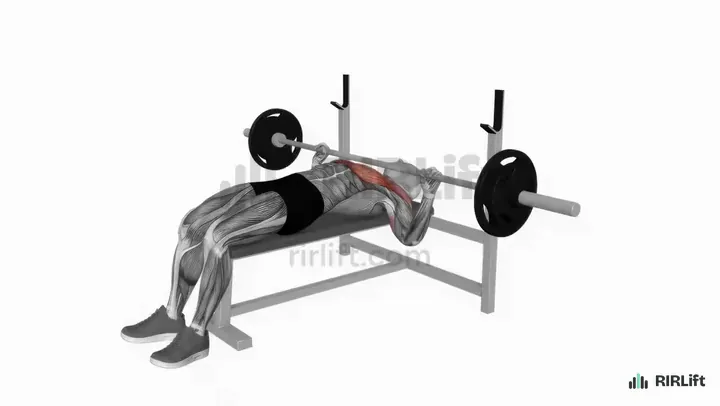
  5. Barbell Bench Press Chest
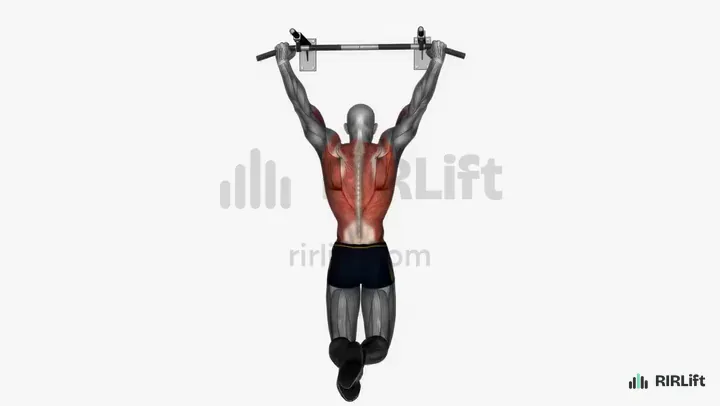
  6. Pull-Up Lats
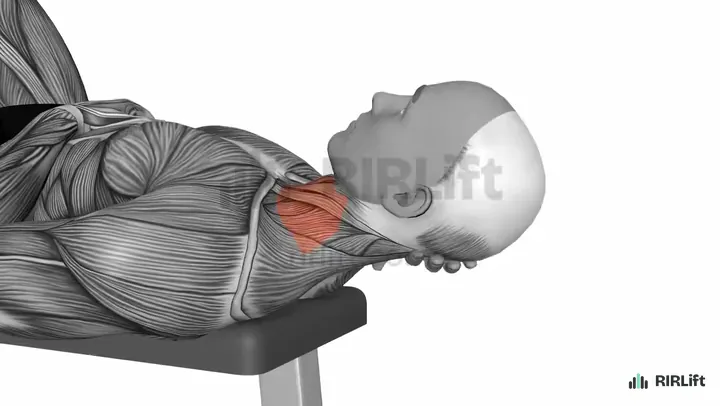
  7. Lying Neck Curl Neck
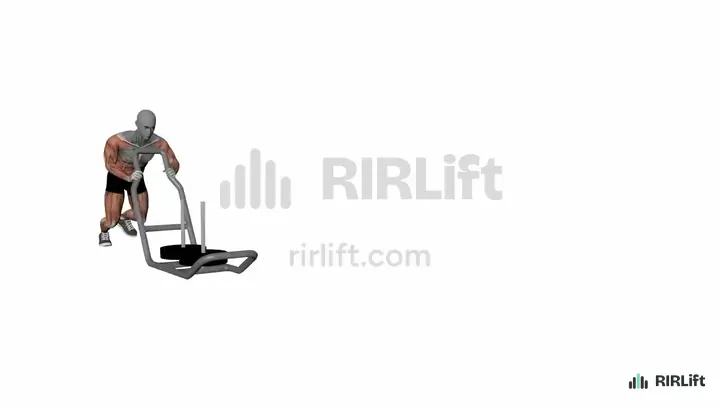
  8. Sled Push Quads, Glutes

Leg strength and power

Contact, scrummaging and acceleration all start in the legs. A heavy squat and trap bar deadlift build the raw strength, the power clean and box jump teach you to use it fast, and the split squat trains each leg on its own the way you run and cut.

Quads and glutes, heavy bilateral strength

Barbell Back Squat

Quads, Glutes, Adductors

Scrums, rucks and leg drive in contact all come down to how much force your legs can produce, and the back squat lets you load them heavier than anything else here. It is the base strength lift most rugby programs are built around.

How to do it

  1. Set the bar across your upper back, just below the bony top of the shoulders, and grip it firmly.
  2. Walk it out of the rack in two or three steps and set your feet about shoulder-width.
  3. Brace your trunk, then sit down between your hips until your thighs reach at least level with your knees.
  4. Drive up hard, chest high and knees pushing out, and finish standing tall.

Cues

  • Big breath and brace before each rep
  • Knees track the toes
  • Drive the floor away

Common mistakes

  • Folding forward out of the bottom: lighten the bar and keep the chest climbing first.
  • Cutting depth as the weight climbs: every rep should reach the same depth.

Swap for: Front Squat, Box Squat, Hack Squat

Hips, legs and back, heavy pull

Trap Bar Deadlift

Quads, Glutes

Lifting from the floor builds the hip power behind acceleration, tackling and clearing rucks. The trap bar puts the load in line with your body, so most players can pull heavy with a more upright back than a straight bar allows.

How to do it

  1. Step into the center of the trap bar so the handles sit beside your ankles.
  2. Bend your hips and knees, take the handles, and set a flat back with your chest up.
  3. Push the floor away and stand up in one smooth effort, hips and knees straightening together.
  4. Stand fully tall, then lower the bar the same way with control.

Cues

  • Push the floor, don't pull the bar
  • Flat back from the first inch
  • Stand tall at the top

Common mistakes

  • Letting the hips shoot up first so it turns into a stiff-legged pull: start with hips a little lower.
  • Jerking the bar off the floor: take the slack out before you drive.

Swap for: Barbell Deadlift, Sumo Deadlift, Kettlebell Deadlift

Full-body power, triple extension

Power Clean

Glutes, Hamstrings, Traps

The clean trains you to produce force fast through ankles, knees and hips at once, the same extension you use to hit a tackle or break through one. Low reps with full rest keep the bar moving fast; once speed drops, the set is done.

How to do it

  1. Set the bar over your midfoot, grip just outside your legs, and pull your hips down until your back is flat.
  2. Break the bar from the floor smoothly, dragging it up near your shins and thighs.
  3. As it passes mid-thigh, jump explosively by extending hips, knees and ankles, and shrug.
  4. Pull yourself under, whip your elbows forward, and catch the bar on your shoulders in a quarter squat, then stand.

Cues

  • Bar stays close
  • Jump, then elbows fast
  • Catch with high elbows

Common mistakes

  • Pulling with the arms early: the arms stay long until the hips have finished extending.
  • Catching with low elbows so the bar rolls down your arms: speed the elbows through.

Swap for: Hang Clean, Kettlebell Swing, Box Jump

Lower-body power, vertical jump

Box Jump

Quads, Glutes, Hamstrings

Box jumps train fast force from the legs with a landing you control, which carries to the first steps of a sprint and to leaving the ground in the lineout. Few reps at full effort, done before heavy lifting.

How to do it

  1. Set up about a foot from a solid box, feet roughly under your hips.
  2. Drop into a quick quarter squat as your arms swing back.
  3. Swing the arms through and jump up, landing on the box with both feet flat and knees bent.
  4. Stand up on the box and step down.

Cues

  • Fast dip
  • Quiet landing
  • Step down, don't jump down

Common mistakes

  • Picking a box so tall you land in a full squat: choose a height you land on in a quarter squat.
  • Rushing reps together: reset between jumps.

Swap for: Jump Squat, Frog Jump, Single-Leg Box Jump

Build a session with Box Jump

Quads and glutes, single-leg strength

Bulgarian Split Squat

Quads, Glutes

Running, cutting and driving in contact all happen off one leg at a time. The rear-foot-elevated split squat loads each leg alone through a deep range and shows up any difference between sides.

How to do it

  1. Rest the top of your rear foot on a bench behind you, front foot about two feet forward, dumbbells by your sides.
  2. Lower straight down until the rear knee nearly touches the floor.
  3. Keep the front knee lined up with your toes and your torso tall or slightly forward.
  4. Press through the front foot to stand, then finish the reps before switching legs.

Cues

  • Front leg does the work
  • Straight down
  • Knee over toes

Common mistakes

  • Front foot too close to the bench: step it out until you can reach depth with the heel down.
  • Pushing through the back foot: it is only there for balance.

Swap for: Dumbbell Split Squat, Barbell Bulgarian Split Squat, Step-Up

Hamstrings for sprinting

Rugby means repeated sprints, and the hamstrings work hardest when they lengthen at top speed. The Nordic curl loads them in that braking role, and a few sets a week through the season keeps that strength in place.

Hamstrings, eccentric strength

Nordic Hamstring Curl

Hamstrings

Sprinting at full speed puts the hamstrings under heavy load as they lengthen, and the Nordic curl trains them in exactly that kind of work. It needs only a partner or a fixed anchor for your ankles.

How to do it

  1. Kneel on a pad and have a partner hold your heels firmly down.
  2. Keep your body straight from knees to head, hips locked.
  3. Lean forward slowly, resisting with your hamstrings for as long as you can.
  4. Catch yourself on your hands, give a light push, and return to kneeling.

Cues

  • Hips locked straight
  • Fight the whole way down
  • Count the lowering

Common mistakes

  • Bending at the hips to shorten the lever: keep knees, hips and shoulders in line.
  • Giving up halfway and falling: try to make each lowering a little longer than last week.

Swap for: Glute Ham Raise, Lying Leg Curl, Stability Ball Leg Curl

Upper body for contact

Push and pull in equal measure: the bench press for fending and driving, the pull-up and barbell row for binding, rucking and a back that holds position under load. Rows matter as much as the bench, even if the bench gets more attention.

Chest, shoulders and triceps, horizontal push

Barbell Bench Press

Chest

Fending off, pushing in the scrum and driving a tackler away all need pushing strength in front of your chest. The bench press is the most loadable way to build it.

How to do it

  1. Lie on the bench with your eyes under the bar and plant your feet flat.
  2. Pull your shoulder blades together and down, and grip the bar a little wider than your shoulders.
  3. Lower the bar to your lower chest with your elbows angled about 45 degrees from your body.
  4. Press back up to straight arms, keeping your shoulder blades pinned.

Cues

  • Shoulder blades pinned
  • Touch the lower chest
  • Leg drive into the floor

Common mistakes

  • Bouncing the bar off the chest: pause briefly at the bottom instead.
  • Flaring the elbows straight out: tuck them to about 45 degrees.

Swap for: Flat Dumbbell Press, Floor Press, Weighted Push-Up

Lats and grip, vertical pull

Pull-Up

Lats

Pulling your own bodyweight builds the back and grip used for binding, jackaling and wrestling for the ball. Heavier forwards can start with fewer reps and add weight later; backs often move to weighted reps quickly.

How to do it

  1. Hang from the bar with an overhand grip just outside your shoulders.
  2. Pull your shoulder blades down to start the rep.
  3. Pull until your chin is over the bar, keeping your legs still.
  4. Lower to a full hang over two seconds.

Cues

  • Start from a dead hang
  • Elbows to the ribs
  • No kicking

Common mistakes

  • Half reps from a bent-arm hang: lower fully every rep.
  • Kipping to finish: stop the set once the reps stop being strict.

Swap for: Chin-Up, Lat Pulldown, Assisted Pull-Up

Build a session with Pull-Up

Upper back and lats, horizontal pull

Barbell Row

Upper Back, Lats

Rows balance the heavy pressing and build the upper back that holds your posture in contact and in the scrum. Bent over, the hinge also trains your lower back to hold position under load.

How to do it

  1. Pick the bar up and hinge forward until your torso is about 45 degrees or lower, back flat and knees soft.
  2. Hold the bar with an overhand grip just wider than shoulder-width, arms hanging straight.
  3. Row the bar into your lower ribs and pinch your shoulder blades.
  4. Lower it to straight arms without changing your torso angle.

Cues

  • Same torso angle every rep
  • Bar to the lower ribs
  • Squeeze at the top

Common mistakes

  • Standing up more each rep to move the weight: lighten it and hold the hinge.
  • Yanking with momentum: control the lowering.

Swap for: Pendlay Row, One-Arm Dumbbell Row, Seal Row

Neck, grip and trunk

Neck strength is part of every rugby program for a reason: the head has to stay in line in tackles and scrums. Light, slow neck curls and extensions build it, and loaded carries train grip and a braced trunk at the same time.

Neck flexors

Lying Neck Curl

Neck

The front of the neck works every time you brace for contact or tuck your chin into a tackle. Direct, light neck work is a staple of rugby strength programs, and lying on a bench with your head off the end is the simplest way to train it.

How to do it

  1. Lie on your back along a flat bench, head and neck hanging past the end.
  2. Lower your head back slowly until your neck is comfortably extended.
  3. Curl your chin toward your chest.
  4. Lower again with control.

Cues

  • Slow and smooth
  • Many easy reps
  • Shoulders stay on the bench

Common mistakes

  • Jerking the head up quickly: every rep is slow both ways.
  • Adding weight early: build high-rep sets with your head's weight over weeks first.

Swap for: Lying Neck Extension, Dumbbell Shrug, Plank

Neck extensors and upper traps

Lying Neck Extension

Neck

The back of the neck holds your head in line when you are hit or driving in a scrum. This is the partner exercise to the neck curl: lying face down on your forearms and lifting your head against its own weight.

How to do it

  1. Lie on your front on the floor, propped up on your forearms with your legs straight.
  2. Let your chin lower slowly toward your chest.
  3. Raise your head until it lines up with your spine and your eyes look forward.
  4. Pause, then lower again under control.

Cues

  • Slow both ways
  • Stop at neutral at the top
  • Forearms planted

Common mistakes

  • Throwing the head back past neutral: stop when it lines up with your back.
  • Rushing to add resistance: get smooth, high-rep sets with your head's weight first.

Swap for: Lying Neck Curl, Dumbbell Shrug, Barbell Shrug

Grip, traps and trunk, loaded carry

Farmer's Walk

Forearms, Traps, Shoulders

Carrying heavy weights trains grip, upper back and a braced trunk while you are moving, much like holding on to the ball or a player through contact. It makes a hard, simple finisher.

How to do it

  1. Set two heavy dumbbells beside your feet, hinge down with a flat back, and stand up with them.
  2. Pull your shoulders back and brace.
  3. Walk with short, quick steps for the target time.
  4. Hinge to set them back down.

Cues

  • Tall and braced
  • Short fast steps
  • Squeeze the handles

Common mistakes

  • Swaying side to side: slow down or go lighter.
  • Letting the shoulders round: keep the chest up.

Swap for: Dumbbell Suitcase Carry, Trap Bar Deadlift, Sled Push

Conditioning with drive

Sled pushes build leg drive and repeat-effort fitness with little soreness, so they fit even in season. Use short, hard pushes with full rest for power, or shorter rests for fitness.

Legs and conditioning, driving power

Sled Push

Quads, Glutes

Pushing a loaded sled is the closest gym exercise to driving through contact and the scrum, and it builds leg power and fitness with almost no soreness the next day, since there is no lowering phase.

How to do it

  1. Load the sled and grip the high or low handles with your arms extended.
  2. Lean in until your body forms a straight line from head to back foot.
  3. Drive the sled forward with short, powerful steps, pushing through the balls of your feet.
  4. Keep pushing for the target time, then rest fully.

Cues

  • Low body angle
  • Short, hard steps
  • Keep the arms locked

Common mistakes

  • Standing too upright so the sled stalls: lower the hips and lean in.
  • Long, loping strides: keep steps short and fast.

Swap for: Sled Pull, Air Bike, Barbell Back Squat

Build a session with Sled Push

Put them together: example sessions

Each session below picks from the exercises above for one situation, with the sets, reps, rest and RIR filled in. Open one in the session builder to change a pick, price it from a recent set, and add it to RIRLift.

Session 1

Off-season, three gym days

Open in the session builder
  • Workouts3× a week
  • Working sets45 a week
  • Per workout~45 min
  • EquipmentBarbells, Sled, Flat Bench, Pull-Up Bar +3

The season is over or not yet started, team training is light, and you can lift three times a week to build size and strength.

With little contact and running, you can push volume and get closer to failure: main lifts at 2 reps in reserve, accessories at 1. Each session has 14 to 16 working sets and starts with a power exercise while you are fresh. Neck work appears twice a week in small doses, which is how it is best built.

Lower A
ExerciseSets × repsRIRRest
Power CleanFast bar. Stop if it slows. 4 × 2–3 3 2:30 min
Barbell Back Squat 4 × 4–6 2 3 min
Nordic Hamstring CurlSlow lower. 3 × 3–6 2 2 min
Lying Neck CurlSlow. 2 × 12–20 2 1 min
Sled PushSeconds. Heavy. 3 × 10–20 2 2 min

Open Lower A in the session builder

Upper
ExerciseSets × repsRIRRest
Barbell Bench Press 4 × 4–6 2 3 min
Pull-UpAdd weight past 8. 4 × 5–8 2 2:30 min
Barbell Row 3 × 6–10 1 2 min
Lying Neck ExtensionSlow, stop at neutral. 2 × 12–20 2 1 min
Farmer's WalkSeconds. Heavy. 3 × 30–40 1 90 s

Open Upper in the session builder

Lower B
ExerciseSets × repsRIRRest
Box JumpStep down. 4 × 3–4 3 90 s
Trap Bar Deadlift 4 × 3–5 2 3 min
Bulgarian Split SquatPer leg. 3 × 6–10 1 2 min
Lying Neck Curl 2 × 12–20 2 1 min

Open Lower B in the session builder

How to run it
Lift Monday, Wednesday and Friday, and fit sprints and fitness on Tuesday and Thursday. Keep the power exercises fast; stop a set if the bar or your jump slows.
How to progress
Add weight to the squat, deadlift, bench and row each week while you can hit the reps at the target reps in reserve. Every fourth week, drop a set from each exercise to recover.

Session 2

In season, two sessions around matches

Open in the session builder
  • Workouts2× a week
  • Working sets22 a week
  • Per workout~30 min
  • EquipmentTrap Bar, Barbells, Flat Bench, Pull-Up Bar +1

You are in the season with two team trainings and a match each week, and you want to hold your strength without heavy legs on game day.

Matches and contact already take a lot, so volume drops to 10 to 11 working sets, main lifts sit at 3 reps in reserve and nothing goes near failure. Heavy, low-rep sets keep strength while doing little damage. The harder session goes early in the week, the lighter one at least two days before the match.

Session 1
ExerciseSets × repsRIRRest
Trap Bar Deadlift 3 × 3–5 3 3 min
Barbell Bench Press 3 × 3–5 3 3 min
Pull-Up 3 × 4–6 3 2 min
Nordic Hamstring CurlSlow lower. 2 × 3–5 2 2 min

Open Session 1 in the session builder

Session 2
ExerciseSets × repsRIRRest
Box JumpCrisp, fresh jumps. 3 × 3 4 90 s
Barbell Back SquatFast up. 2 × 3–4 3 3 min
Barbell Row 2 × 6–8 2 90 s
Lying Neck Curl 2 × 12–15 3 1 min
Lying Neck Extension 2 × 12–15 3 1 min

Open Session 2 in the session builder

How to run it
Do Session 1 two days after the match and Session 2 two or three days before the next. Skip Session 2 in a week with a bad knock or a midweek game.
How to progress
Keep the weights steady and aim for faster bar speed rather than more load. If every set feels easy at 3 reps in reserve, add a little weight to the main lift only.

Session 3

Young or new to lifting

Open in the session builder
  • Workouts2× a week
  • Working sets25 a week
  • Per workout~35 min
  • EquipmentBarbells, Flat Bench, Dumbbells, Trap Bar +1

You are a young player or new to the gym, and you want to get stronger for rugby while learning the main lifts properly.

New lifters gain strength fast from moderate weights, so this plan uses higher reps, 2 to 3 reps in reserve and simpler variations to build good technique. Two full-body sessions of 12 to 13 working sets fit next to team training, and neck and hamstring work start early because they take time to build.

A
ExerciseSets × repsRIRRest
Barbell Back SquatLearn depth first. 3 × 6–8 3 2:30 min
Barbell Bench Press 3 × 6–10 2 2 min
Barbell Row 3 × 8–10 2 90 s
Lying Neck CurlBodyweight to start. 2 × 15–20 3 1 min
Farmer's WalkSeconds. 2 × 30–40 2 90 s

Open A in the session builder

B
ExerciseSets × repsRIRRest
Trap Bar Deadlift 3 × 5–8 3 2:30 min
Bulgarian Split SquatPer leg. 2 × 8–10 2 90 s
Pull-UpOr slow lowerings. 3 × 3–8 2 2 min
Nordic Hamstring Curl 2 × 3–5 2 2 min
Lying Neck Extension 2 × 15–20 3 1 min

Open B in the session builder

How to run it
Do A and B on non-consecutive days, not the day before a game. Learn each lift with a light bar and add weight only when every rep looks the same.
How to progress
Add a small amount of weight each session while the reps stay clean at the target reps in reserve. When progress stalls, move to the in-season or off-season plan.

Make it fit you

Questions

What is the best rugby workout?

A session that starts with a power exercise like cleans or jumps, moves to one heavy lower-body lift and one push and pull, and finishes with hamstring, neck or carry work. The off-season plan here does that three times a week; in season, two lighter sessions keep strength without wrecking match days.

How do you get fit like a rugby player?

Combine heavy strength training two or three times a week with repeated sprint and conditioning work. Strength comes from squats, deadlifts, presses and pulls; fitness from sprints, sled pushes and bike or running intervals with short rests.

How often should rugby players lift in season?

Usually twice a week: one session early in the week after recovering from the match, and one lighter session a few days before the next game. Keep sets about 3 reps short of failure.

Why do rugby players train their neck?

Because the head and neck have to stay in line through tackles, rucks and scrums, and a stronger neck holds that position more easily. Light, slow neck curls and extensions a couple of times a week build it.

Should rugby players do Olympic lifts?

They are useful for power if you can learn them well, which is why the power clean is in the off-season plan. If you do not have coaching or a platform, box jumps and kettlebell swings give you most of the same benefit.