
Full body warm up: one routine for every joint
Published October 24, 2026
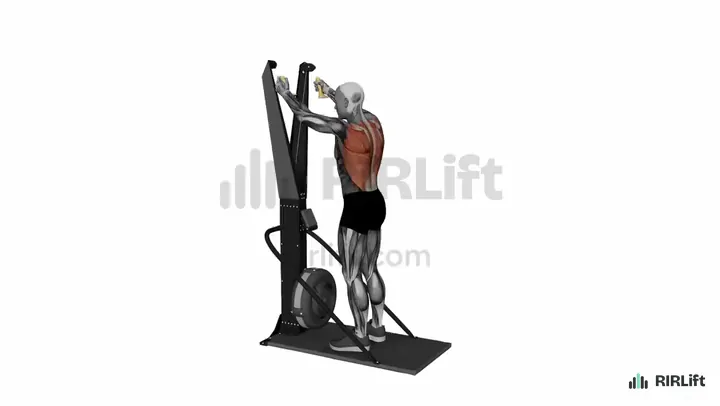
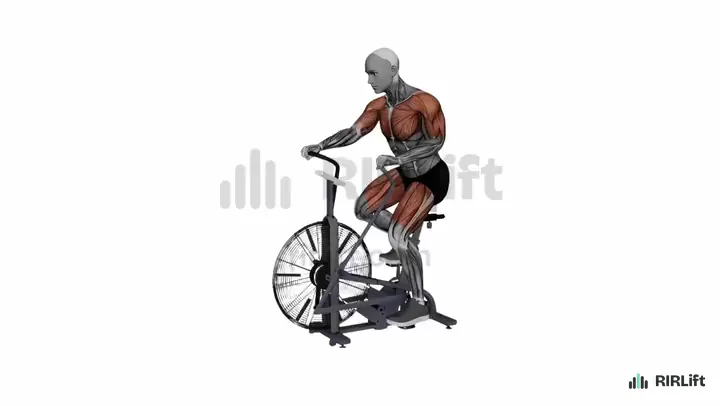
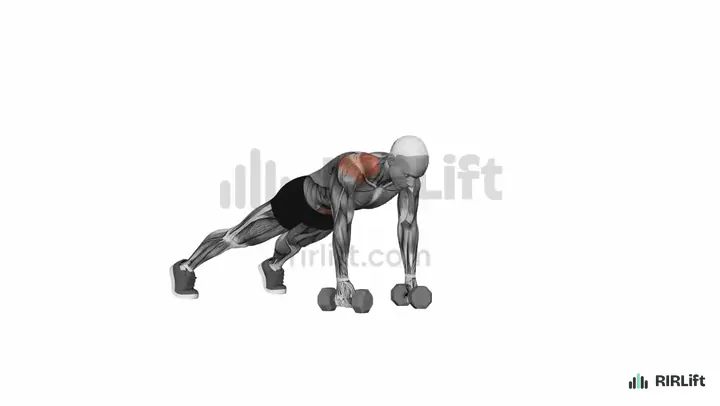
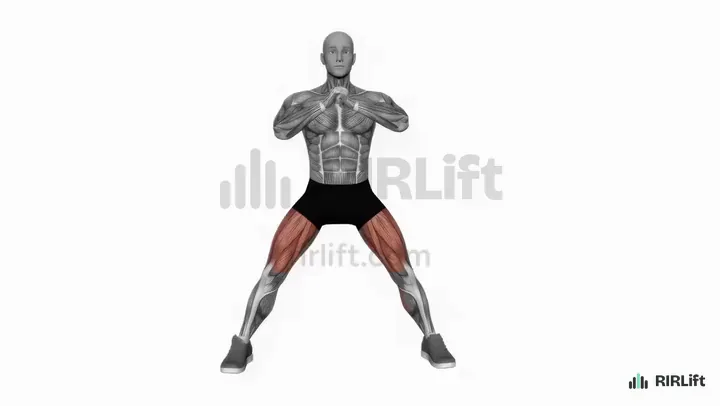
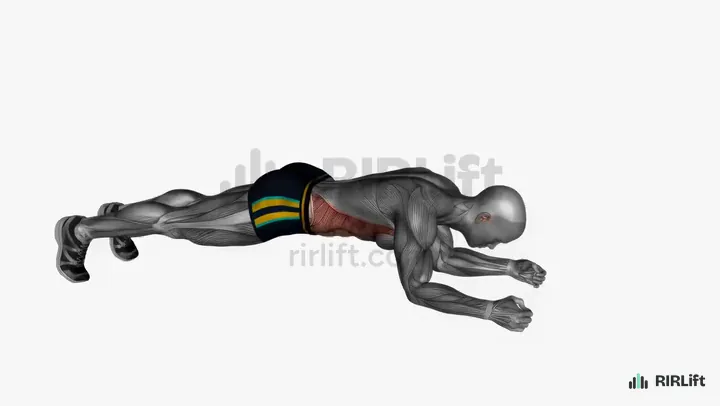
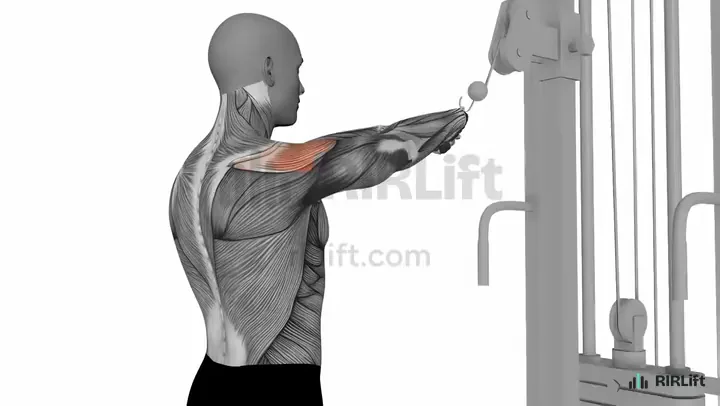
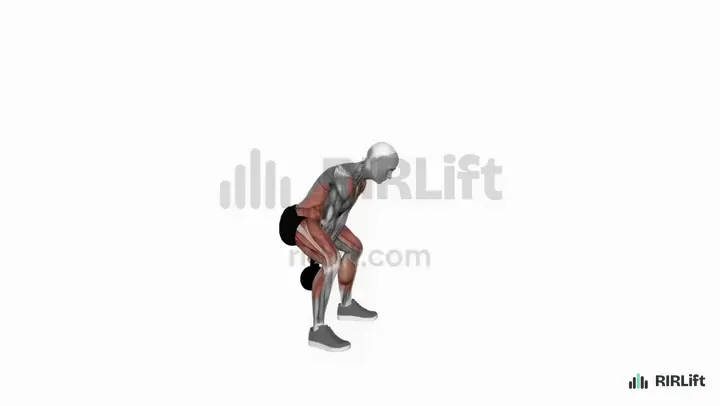
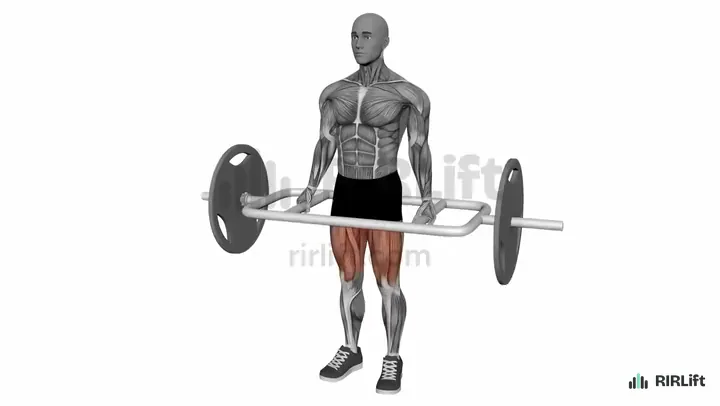
A full body warm up works from the whole body down to the details in about ten minutes: four minutes on the ski erg or air bike, which use arms and legs together; spider planks, IYTW planks and cossack squats for shoulders, hips and spine; side leg raises, face pulls and single-leg bridges to switch on glutes and upper back; then kettlebell swings or ramp-up sets of a trap bar deadlift to bring every muscle into one movement.
- Ski Erg Shoulders, Upper Back
- Air Bike Quads, Hamstrings, Glutes
- Plank IYTW Abs, Upper Back
- Cossack Squat Quads, Adductors
- Spider Plank Abs
- Face Pull Shoulders, Upper Back
- Kettlebell Swing Glutes, Hamstrings
- Trap Bar Deadlift Quads, Glutes
Put them together: example sessions
Each session below picks from the exercises above for one situation, with the sets, reps, rest and RIR filled in. Open one in the session builder to change a pick, price it from a recent set, and add it to RIRLift.
-
Session 1
Full-body gym day with trap bar
Your full-body session starts with the trap bar deadlift.
3× a week · 33 sets a week · ~25 min
-
Session 2
Kettlebell full-body session
You train with kettlebells and your session starts with swings.
3× a week · 30 sets a week · ~15 min
-
Session 3
Full-body warm-up with no machines
You train at home and want a warm-up for a bodyweight or dumbbell full-body workout.
3× a week · 24 sets a week · ~15 min
Session 1
Full-body gym day with trap bar
- Workouts3× a week
- Working sets33 a week
- Per workout~25 min
- EquipmentSki Ergometer, Adjustable Cable, Dumbbells, Trap Bar
Your full-body session starts with the trap bar deadlift.
The trap bar loads legs, back and grip at once, so the warm-up touches all of them in turn and then ramps the lift itself in three sets. The ski erg and face pulls warm the upper body that will hold the bar.
| Exercise | Sets × reps | RIR | Rest |
|---|---|---|---|
| Ski ErgSeconds. Four easy minutes. | 4 × 60 | 4 | 0 s |
| Plank IYTWRounds per arm, all four letters. | 1 × 1–2 | 4 | 15 s |
| Cossack SquatPer side. | 1 × 5–6 | 4 | 15 s |
| Face Pull | 1 × 15 | 4 | 15 s |
| Single-Leg Glute BridgePer side. | 1 × 8–10 | 4 | 15 s |
| Trap Bar Deadlift3 warm-up sets first | 3 × 4–6 | 2 | 2:30 min |
- How to run it
- Ski erg, IYTW, cossacks, face pulls, single-leg bridges, then trap bar.
- How to progress
- Add 10 pounds when all working sets hit 6 reps at 2 RIR.
Session 2
Kettlebell full-body session
- Workouts3× a week
- Working sets30 a week
- Per workout~15 min
- EquipmentAir Bike, Kettlebells
You train with kettlebells and your session starts with swings.
With only kettlebells, the air bike does the warming and the swings become the primer. Two light sets of swings with the same bell rise in effort and act as your ramp-up.
| Exercise | Sets × reps | RIR | Rest |
|---|---|---|---|
| Air BikeSeconds. Four minutes, a little harder each minute. | 4 × 60 | 4 | 0 s |
| Spider PlankPer side. | 1 × 6 | 4 | 15 s |
| Standing Side Leg RaisePer side. | 1 × 10–12 | 4 | 15 s |
| Kettlebell Swing2 warm-up sets first | 4 × 12–15 | 2 | 1 min |
- How to run it
- Air bike, spider planks, side leg raises, then light swings before your working swings.
- How to progress
- Move up a bell size when 15 swings at 2 RIR feel crisp in every set.
Session 3
Full-body warm-up with no machines
- Workouts3× a week
- Working sets24 a week
- Per workout~15 min
- EquipmentDumbbells
You train at home and want a warm-up for a bodyweight or dumbbell full-body workout.
No machine, so two rounds of plank and squat drills do the warming as well as the mobility. Side leg raises and single-leg bridges cover the glutes since you have no cable for face pulls.
| Exercise | Sets × reps | RIR | Rest |
|---|---|---|---|
| Spider PlankPer side. | 2 × 6–8 | 4 | 15 s |
| Plank IYTWRound per arm. | 2 × 1 | 4 | 15 s |
| Cossack SquatPer side. | 2 × 6 | 4 | 15 s |
| Standing Side Leg RaisePer side. | 1 × 10 | 4 | 15 s |
| Single-Leg Glute BridgePer side. | 1 × 10 | 4 | 15 s |
- How to run it
- Two rounds of the circuit with no rest, about eight minutes, then your workout.
- How to progress
- Add a third round on cold days.
Make it fit you
-
Only ten minutes total for the warm-up
Do two minutes of cardio and one set of each drill; keep the primer.
-
Upper body feels tighter than the legs
Add a second set of IYTWs and face pulls and skip the cossack squats.
-
Pick weights by RIR
Record your working sets with reps in reserve in RIRLift; it uses them to choose the next session's weight.
-
One side feels weaker
Start single-leg bridges on that side and match the reps on the other.
-
No cable machine
Swap face pulls for a band face pull or band pull-aparts.
Questions
What are some good full body warm-up exercises?
Ski erg or air bike, IYTW planks, spider planks, cossack squats, side leg raises, face pulls, single-leg bridges and kettlebell swings.
What are four warm-up exercises for the whole body?
Ski erg, spider plank, cossack squat and kettlebell swing. Together they reach arms, shoulders, hips and legs.
How long should a full-body warm-up take?
About ten minutes: four of cardio, four of mobility and activation, and two of priming.
What happens to your body during a warm-up?
Your heart rate and muscle temperature rise and your joints move through the range the session will ask for.
Can I use this before a full-body workout at home?
Yes. The home plan uses only bodyweight drills in two rounds.