
Hamstring activation exercises: a 9-minute routine before RDLs, sprints or leg day
Published October 24, 2026
To activate your hamstrings, pedal a bike easily for 4 minutes, do 10 leg swings and 5 walkouts per side, then 2 rounds of 10 standing band leg curls per leg and 8 single-leg glute bridges per leg, and finish with 8 band good mornings. That takes about 9 minutes. Before Romanian deadlifts or leg curls, follow it with 2 to 3 light sets of the lift itself, climbing toward your working weight.
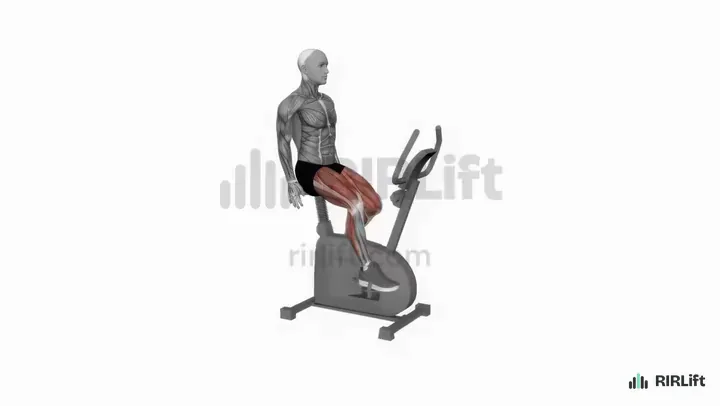
- Stationary Bike Quads, Hamstrings
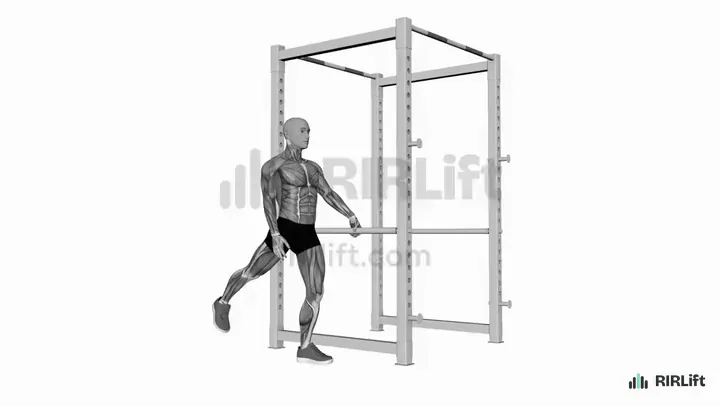
- Leg Swings Hamstrings, Glutes
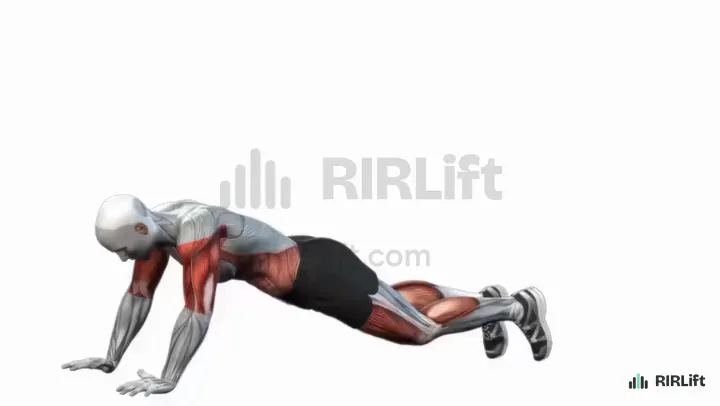
- Walkout Abs, Shoulders, Chest
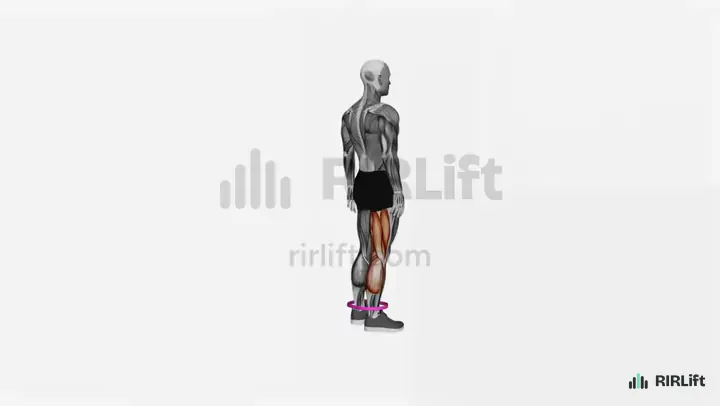
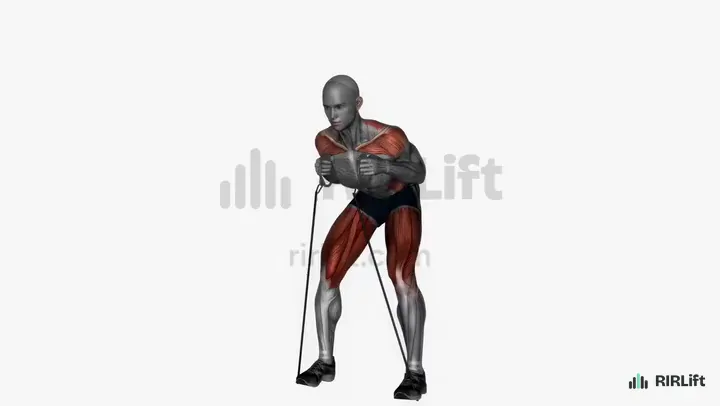
- Band Leg Curl Hamstrings
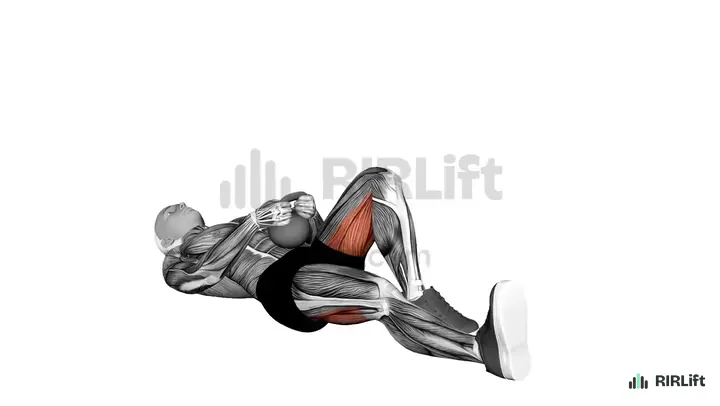
- Single-Leg Glute Bridge Glutes
- Band Good Morning Hamstrings, Lower Back
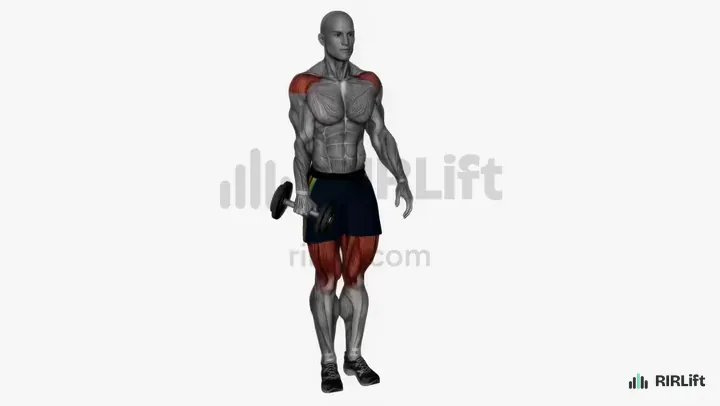
- Single-Leg RDL Hamstrings, Glutes
Put them together: example sessions
Each session below picks from the exercises above for one situation, with the sets, reps, rest and RIR filled in. Open one in the session builder to change a pick, price it from a recent set, and add it to RIRLift.
-
Session 1
Heavy Romanian deadlift day
You open a leg or pull session with barbell RDLs and want the first heavy set to feel smooth instead of tight.
2× a week · 24 sets a week · ~25 min
-
Session 2
Before sprints, field sports or jumping
You sprint, play soccer or football, or do plyometrics, and want your hamstrings ready for fast running.
3× a week · 24 sets a week · ~10 min
-
Session 3
Home leg day with bands and a dumbbell
You train hamstrings at home and the session starts with curls and single-leg RDLs instead of a barbell.
2× a week · 22 sets a week · ~25 min
Session 1
Heavy Romanian deadlift day
- Workouts2× a week
- Working sets24 a week
- Per workout~25 min
- EquipmentExercise Bike, Resistance Bands, Barbells
You open a leg or pull session with barbell RDLs and want the first heavy set to feel smooth instead of tight.
The routine stays short so the hamstrings arrive warm but fresh. The band drills stop with 4 reps left, and the ramp-up sets on the RDL climb in three steps so your first working set is the hardest set of the day, not the warm-up. Working sets end at 2 reps in reserve to leave room for the rest of the session.
| Exercise | Sets × reps | RIR | Rest |
|---|---|---|---|
| Stationary BikeSeconds. Easy pace. | 4 × 60 | 5 | 0 s |
| Leg SwingsPer leg, front to back. | 1 × 10 | 5 | 0 s |
| Walkout | 1 × 5 | 5 | 0 s |
| Band Leg CurlPer leg. | 2 × 10 | 4 | 15 s |
| Band Good Morning | 1 × 8 | 4 | 0 s |
| Romanian Deadlift3 warm-up sets firstLower in 3 s. | 3 × 6–8 | 2 | 2:30 min |
- How to run it
- Run the warm-up blocks in order with almost no rest, then start the RDL. The three warm-up sets are logged separately from your three working sets.
- How to progress
- Add weight to the RDL when every working set reaches 8 reps at 2 reps in reserve. Leave the warm-up blocks the same.
Session 2
Before sprints, field sports or jumping
- Workouts3× a week
- Working sets24 a week
- Per workout~10 min
- EquipmentDumbbells, Resistance Bands
You sprint, play soccer or football, or do plyometrics, and want your hamstrings ready for fast running.
Sprinting asks the hamstrings to work fast and at long length, so this version swaps the bike for heel kicks and finishes with single-leg RDLs held light, at 3 reps in reserve, then two short sets of leg curls. Nothing goes near failure, because the hard work is the sprinting that follows.
| Exercise | Sets × reps | RIR | Rest |
|---|---|---|---|
| Butt KicksSeconds. Build the pace. | 2 × 20 | 5 | 15 s |
| Leg SwingsPer leg. | 1 × 12 | 5 | 0 s |
| Single-Leg Glute BridgePer leg. | 2 × 8 | 4 | 15 s |
| Band Pull-Through | 1 × 10 | 4 | 0 s |
| Single-Leg RDLPer leg. Light dumbbell. | 2 × 6 | 3 | 30 s |
- How to run it
- Do it on the field or in the gym right before practice. Go straight from the last block into your sprint drills.
- How to progress
- Keep the loads light. Progress by moving the butt kicks faster and adding a few reps to the single-leg RDL, not weight.
Session 3
Home leg day with bands and a dumbbell
- Workouts2× a week
- Working sets22 a week
- Per workout~25 min
- EquipmentDumbbells, Resistance Bands
You train hamstrings at home and the session starts with curls and single-leg RDLs instead of a barbell.
Without a barbell, the single-leg RDL is your heaviest hamstring lift, so it gets two ramp-up sets after the band work. The band curl turns into the second exercise once you're warm, done closer to failure, which is how home sessions stay hard without heavy weights.
| Exercise | Sets × reps | RIR | Rest |
|---|---|---|---|
| Butt KicksSeconds. | 2 × 30 | 5 | 0 s |
| Walkout | 1 × 6 | 5 | 0 s |
| Single-Leg Glute BridgePer leg. | 2 × 10 | 4 | 15 s |
| Single-Leg RDL2 warm-up sets firstPer leg. | 3 × 8–12 | 2 | 90 s |
| Band Leg CurlPer leg. | 3 × 12–20 | 1 | 45 s |
- How to run it
- Warm-up blocks first, then the single-leg RDL with its two warm-up sets, then the band curls as working sets.
- How to progress
- On the single-leg RDL, add reps until you hit 12 at 2 reps in reserve, then hold a heavier dumbbell or slow the lowering to 4 seconds.
Make it fit you
-
Only five minutes
Do 1 minute of butt kicks, 5 walkouts, and one round of band leg curls, then go straight into ramp-up sets of your first lift. The ramp-up sets carry more of the warm-up when time is short.
-
Hamstrings feel tight every morning
Stay longer on step 2: three rounds of leg swings and walkouts instead of one, and slow each walkout down. Range usually opens up after a few minutes of moving.
-
No band
Swap the band curl for a slow single-leg glute bridge with the heel farther from your hips, and the good morning for bodyweight hinges with hands on hips.
-
Deadlifts instead of RDLs
Keep steps 1 to 3 and do your ramp-up sets on the deadlift. Most lifters need one more ramp-up set for a deadlift than for an RDL because the weight is heavier.
-
One side works harder
Start every single-leg drill on the side that feels weaker and match the reps on the other side, not the other way around.
-
Log the reps you had left
Log each working set with how many reps you had left. In RIRLift, that number is what picks your RDL weight for the next session, so honest warm-ups and honest RIR go together.
Questions
How do you activate your hamstrings before a workout?
Warm up for a few minutes with easy cardio, move through leg swings and walkouts, then do two light drills: a knee curl (band leg curl) and a hip extension (single-leg bridge or band good morning). Finish with lighter sets of your first lift.
What are the top 3 exercises for hamstrings?
For building them: the Romanian deadlift, a leg curl (lying or seated), and the Nordic curl. For activating them before training, use the band leg curl, single-leg glute bridge and band good morning.
Are squats good for hamstrings?
Squats work the hamstrings only a little, because the muscle barely changes length during a squat. Hinges and curls are what train them, which is why this routine is built from both.
How many reps should activation exercises be?
Usually 8 to 12 reps per set for one or two sets, stopping with 3 or more reps left. You want to feel the muscle, not tire it before the session.
Should I stretch my hamstrings before lifting?
Use movement, not long holds, before you lift: leg swings and walkouts get the range you need. Long static stretches fit better at the end of the session.
Do I need activation exercises if I do warm-up sets?
Warm-up sets alone are fine for many lifters. The activation drills earn their place when the back of your thighs feels tight on the first sets, or before sprinting, where you skip the barbell entirely.
Related templates
-
The best workout for hamstrings, built for your situation
Full hamstring sessions to run after this warm-up.
-
Warm up for hamstrings: lengthen them, then make them curl
A longer leg warm-up for days the whole lower body is training.
-
Glute activation exercises: short routines before you squat or run
The glute side of the same hip, for squat and hip thrust days.
-
Nordic hamstring curl: how to do it, scale it, and program it
A hard hamstring builder to add once you're warm.
-
Warm-up sets
How many light sets of the first lift to do, and how fast to climb to your working weight.