
Hip thrust: how to do it, what it works, and what to swap it for
Published October 16, 2026
The hip thrust is a loaded hip extension done with your upper back on a bench and a barbell across your hips. It loads the glutes hardest at the top of the movement, with the hamstrings helping. What makes it work is finishing every rep: hips fully up, ribs down, a one-second squeeze at the top, then a controlled lower.
- WorksGlutes
- AlsoHamstrings
- EquipmentBarbells, Flat Bench
- Start with3 × 8–12, 2 in reserve, 2:30 min rest
How to do the hip thrust
The hip thrust loads your glutes heaviest right where they are shortest and hardest to challenge with squats or deadlifts, and your lower back stays out of the way. Most lifters can thrust far more than they squat, so it is the easiest way to keep adding load to the glutes for months.
Steps
- Sit on the floor with the edge of a flat bench just under your shoulder blades, and roll a padded barbell into the crease of your hips.
- Plant your feet about hip width, a foot or so in front of you, so your shins will be vertical when your hips are up.
- Hold the bar with both hands, tuck your chin slightly and brace as if someone is about to poke your stomach.
- Push the floor away through your whole foot and lift your hips until your thighs and torso are level, pivoting on the bench.
- Hold the top for one second with your glutes squeezed and ribs down, then lower until the plates almost touch the floor.
Cues
- Ribs down, chin tucked
- Shins vertical at the top
- Squeeze for one second, then lower
Common mistakes
- Arching your lower back to get the hips higher: stop when your thighs are level with your torso and keep your ribs pulled down.
- Feet too close or too far: if you feel it mostly in your quads move your feet out, if mostly in your hamstrings move them in, until your shins are vertical at lockout.
- Bouncing out of the bottom with half reps: let the plates nearly touch the floor and start each rep from there.
- Skipping the bar pad: use a thick pad or folded mat so the bar sits still and you can load it without flinching.
Swap for: Smith Machine Hip Thrust, Dumbbell Hip Thrust, Glute Bridge
Muscles the hip thrust works
The hip thrust mainly trains the gluteus maximus, with the hamstrings and adductors helping to extend the hip. It is hardest at the top, with your hips fully extended, which is the opposite of a Romanian deadlift or a deep squat where the glutes are loaded most in the stretch.
Sets, reps and reps in reserve for the hip thrust
| Goal | Sets × reps | RIR | Rest |
|---|---|---|---|
| Build muscle | 3 × 8–12 | 2 | 2:30 min |
| This is what the session builder prescribes; add weight when you hit 12 reps on every set at 2 reps in reserve. | |||
| Strength | 3–5 × 5–8 | 1–2 | 3 min |
| Use it after your squat or deadlift and add a small jump each week while the top-second squeeze stays clean. | |||
| At the end of a session | 2–3 × 12–20 | 0–1 | 90 s |
| Lighter, higher-rep sets taken close to failure fit after heavy lower-body work without needing much more load. | |||
| Beginners | 2–3 × 10–15 | 2–3 | 2 min |
| Start with the bar or a light pair of dumbbells and earn the full lockout before you load it. | |||
Hip thrust variations
-
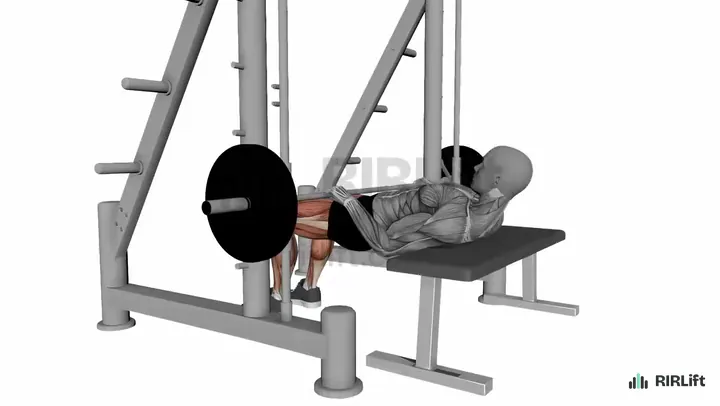
Smith Machine Hip Thrust
Pick this if setting up a loose barbell is awkward; the fixed bar path lets you push heavy without the bar rolling.
Build a session with it -
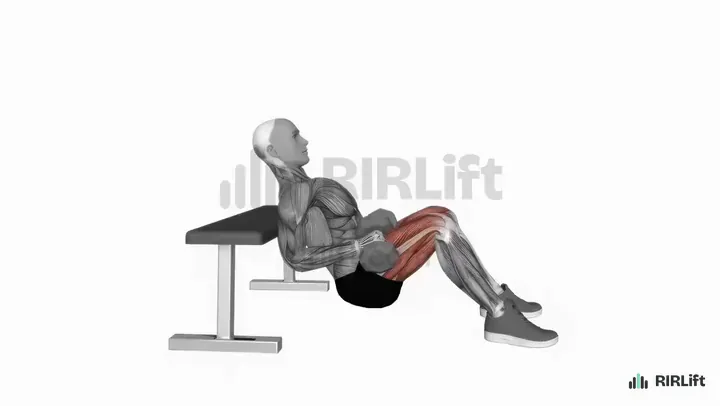
Dumbbell Hip Thrust
Use the dumbbell hip thrust at home or in a busy gym when you only have dumbbells and a bench.
Build a session with it -
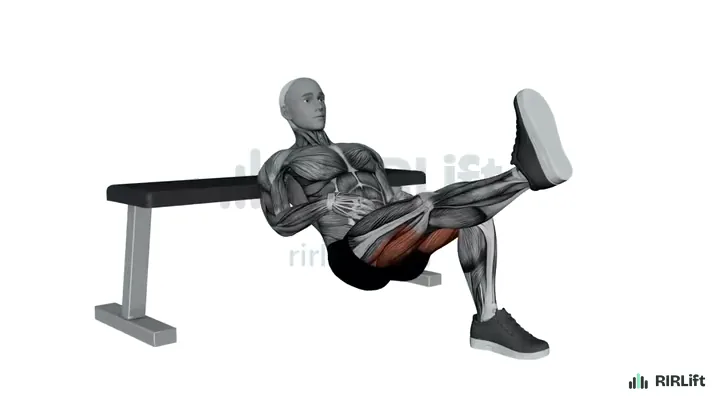
Single-Leg Hip Thrust
Choose this when one side does more of the work or you run out of weight, since one leg doubles the load on each glute.
Build a session with it -
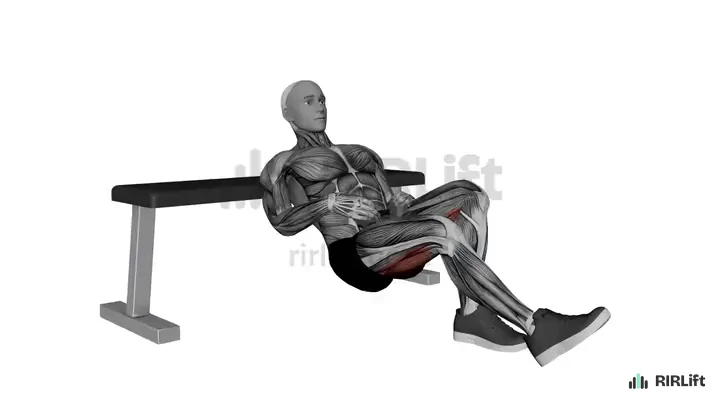
Dumbbell Staggered Hip Thrust
A middle step between two legs and one: one foot forward takes some load off it and puts more on the back leg.
Build a session with it -
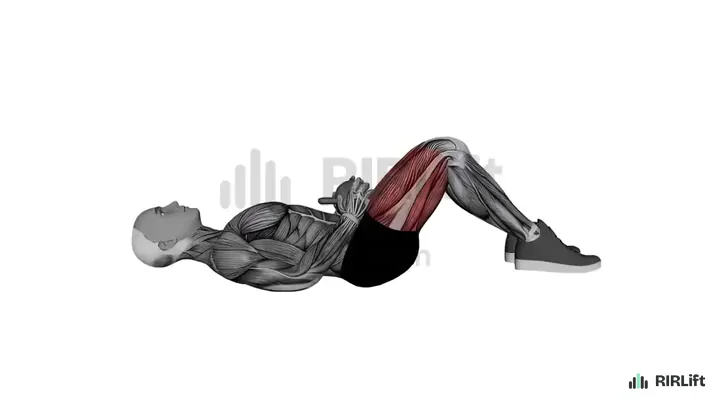
Kettlebell Hip Thrust
Use a kettlebell held on your hips when that is the heaviest single weight you have.
Build a session with it -
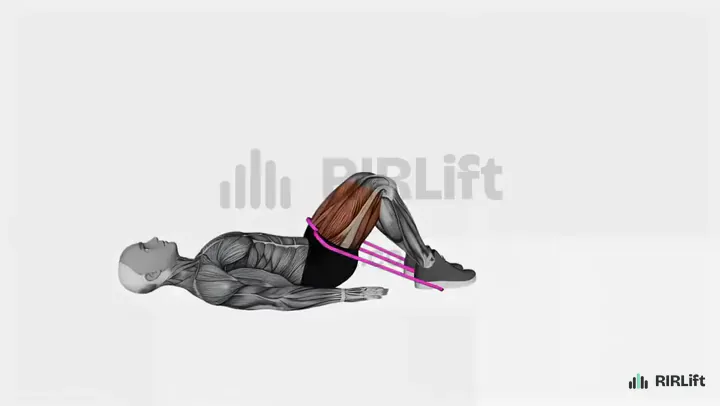
Band Hip Thrust
Pick the band version for high-rep sets at home or as a warm-up before heavy thrusts.
Build a session with it
Hip thrust alternatives
No bench
-
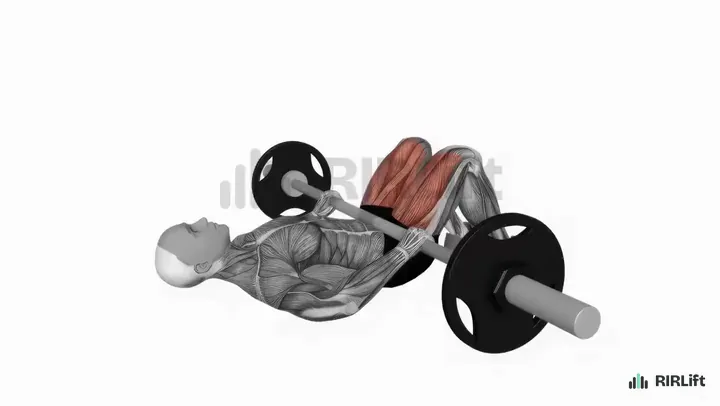
Glute Bridge
Same movement with your back on the floor; a shorter range, but it loads heavily and needs only a barbell.
Build a session with it -
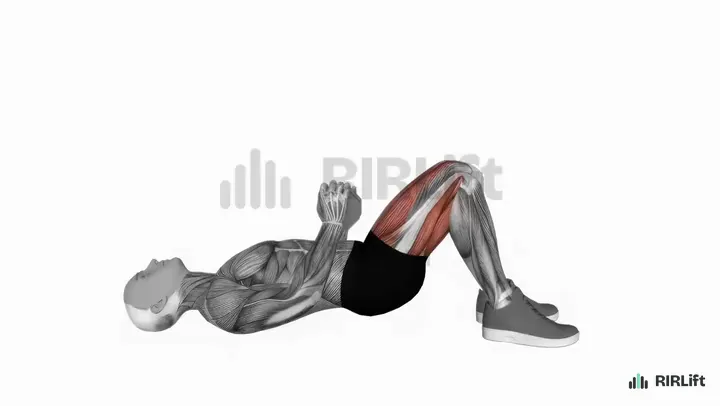
Dumbbell Glute Bridge
The floor version with one dumbbell across your hips when you have no barbell either.
Build a session with it
Cable or machine
-
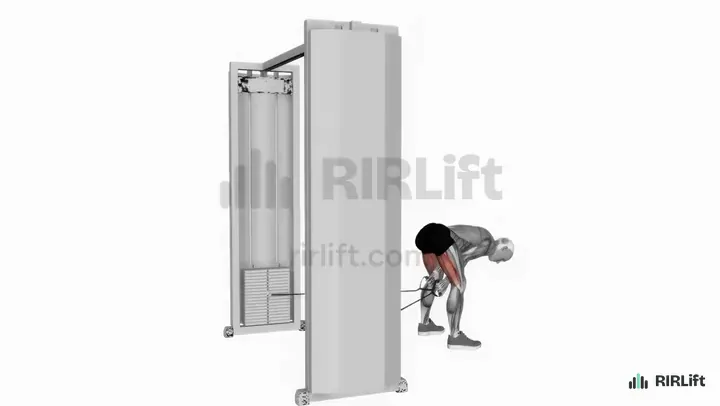
Cable Pull-Through
A standing hip extension with steady cable tension, good when the floor setup bothers you.
Build a session with it -
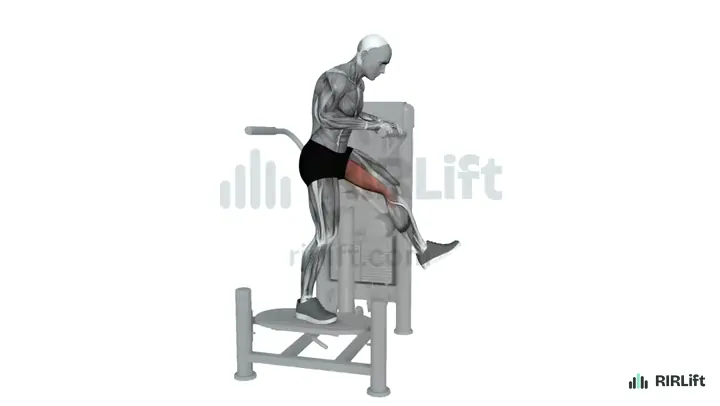
Multi-Hip Glute Extension
A machine kick back that trains one glute at a time with no setup.
Build a session with it -
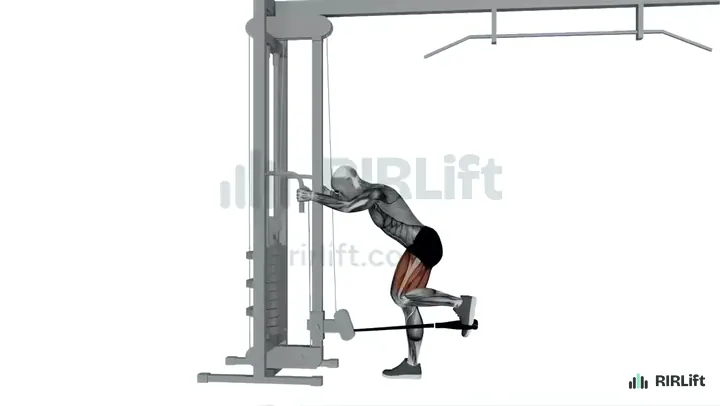
Cable Glute Kickback
Use it as a lighter, higher-rep glute finisher when your gym has a free cable stack.
Build a session with it
Glutes in the stretch
-
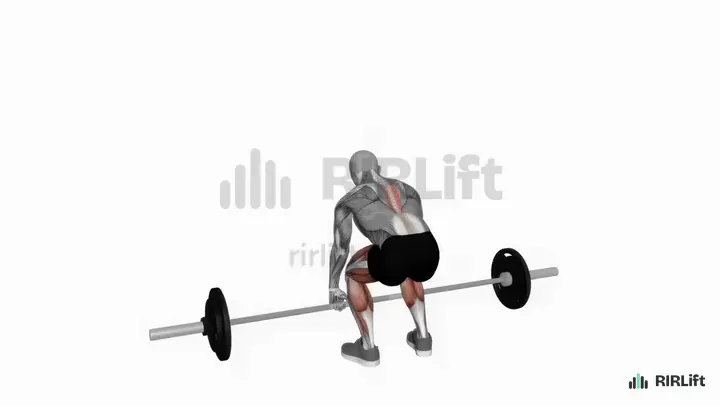
Romanian Deadlift
Hinging loads the glutes and hamstrings at long lengths, which the hip thrust does not; do both for complete glute work.
Build a session with it -
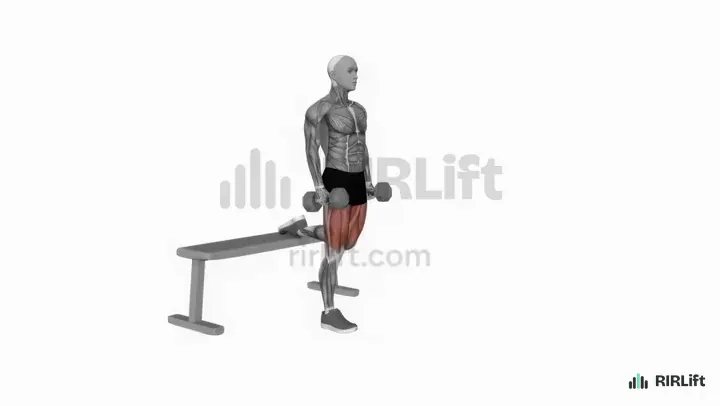
Bulgarian Split Squat
Lean your torso slightly forward and take a long stride to work the glutes deep in the bottom position.
Build a session with it
Power
-
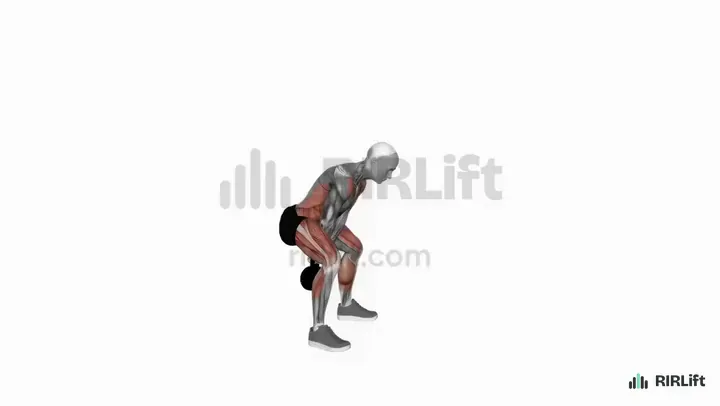
Kettlebell Swing
Choose swings when you want fast, explosive hip extension rather than slow heavy reps.
Build a session with it -
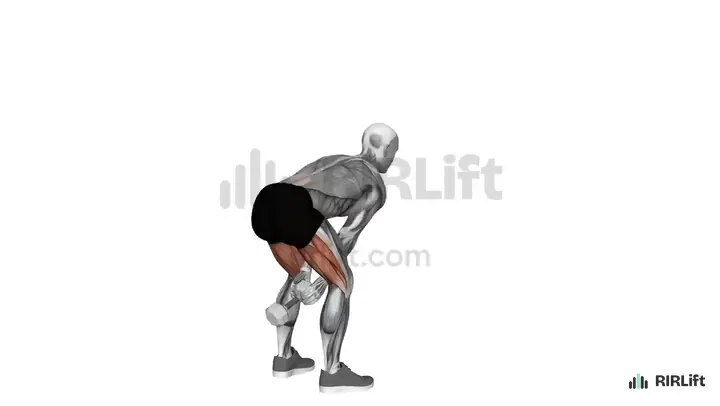
Dumbbell Swing
The same explosive swing with one dumbbell held by the head when you have no kettlebell.
Build a session with it
Hip thrust vs glute bridge
Both lift a weight across your hips by extending them. In the hip thrust your upper back rests on a bench, so your hips travel further and start below your knees; in the glute bridge your back is on the floor, so the range is shorter and you can lift more weight than you expect for it.
Use the hip thrust as your main glute lift when you have a bench. Use the glute bridge when you have no bench, when the bench setup is crowded, or as a heavier top-range finisher after thrusts.
Hip thrust vs squat
The squat trains your quads and glutes together and loads the glutes most at the bottom. The hip thrust loads the glutes most at the top and barely uses your quads. If your goal is bigger glutes, keep one of each: a squat or split squat and a hip thrust, ideally on different days or one after the other. See Romanian deadlift for the hinge that fills the third gap.
Questions
What is the best way to do hip thrusts?
Set the bench under your shoulder blades, put a padded bar in your hip crease, place your feet so your shins are vertical at the top, then drive your hips up until your thighs are level with your torso. Keep your chin tucked and ribs down, squeeze for one second, and lower under control.
What is the difference between a glute bridge and a hip thrust?
A glute bridge is done with your back on the floor, so the hips move through a shorter range. A hip thrust puts your upper back on a bench, so the hips start lower and travel further. Both train the glutes; the hip thrust is the better main lift when you have a bench.
Are hip thrusts better than squats?
Neither replaces the other. Squats train the quads and glutes and load the glutes in the bottom; hip thrusts load the glutes at the top with little quad work. For glute growth, do both across the week.
How do you do weighted hip thrusts at home?
Put your upper back on a sturdy couch or bench and hold a dumbbell or kettlebell across your hips with both hands. When it gets light, switch to one leg or slow the lowering to three seconds before adding more weight.
What can I substitute hip thrusts with?
Without a bench, do glute bridges. Without a barbell, use a dumbbell hip thrust or a single-leg version. In a gym with cables, use cable pull-throughs. Add a Romanian deadlift or Bulgarian split squat to train the glutes in the stretch.
How many sets of hip thrusts should I do?
Three to four sets of 8 to 12 reps, stopping about two reps short of failure, is a good default. Count hip thrusts toward the 10 to 20 hard sets per week that most lifters need for each muscle to grow.
Is the hip thrust necessary to grow your glutes?
No. Squats, lunges, split squats and hinges all grow the glutes. The hip thrust is worth doing because it loads them heavily at the top of the range, many lifters find it easier to push hard on than a heavy squat or hinge, and it is easy to progress week to week.
Related templates
-
The best workout for your glutes and butt
Full glute sessions built around the hip thrust and its partners.
-
Romanian deadlift: how to do it, and what to swap it for
The hinge that loads the glutes in the stretch, where the hip thrust does not.
-
Bulgarian split squat: form, foot position and alternatives
The one-leg glute and quad builder to pair with thrusts.
-
The best workout for home, with little or no equipment
Sessions for when your glute work has to happen with dumbbells and a couch.
-
How to use RIR
How to judge two reps in reserve on a set of hip thrusts.