
Bulgarian split squat: form, foot position and alternatives
Published October 16, 2026
The Bulgarian split squat is a single-leg squat with your back foot raised on a bench, so almost all the load goes through the front leg. It trains your quads and glutes hard with dumbbells that are light by squat standards. What makes it work is the front-foot distance: set it so you can drop straight down with your whole front foot flat, then shorten it for more quads or lengthen it for more glutes.
- WorksQuads, Glutes
- AlsoAdductors, Abductors
- EquipmentDumbbells
- Start with3 × 10–15, 2 in reserve, 2:30 min rest
How to do the Bulgarian split squat
Raising the back foot takes the rear leg out of the lift, so the front leg does nearly all the work through a deep range. You get a hard leg stimulus from a pair of dumbbells, with no rack and no bar on your back.
Steps
- Stand about two of your own foot lengths in front of a knee-height bench, a dumbbell in each hand, and set your back foot laces-down on the bench.
- Shuffle your front foot until it sits straight under your hip line, hip-width from the back foot, so you are not balancing on a tightrope.
- Brace, then drop your back knee straight toward the floor until it almost touches and your front thigh is at or below parallel.
- Drive through your whole front foot and stand back up without pushing off the back leg.
- Finish every rep on one side before you switch, and start each set with your weaker leg.
Cues
- Back knee drops straight down
- Whole front foot stays heavy
- Back leg is a kickstand, not a motor
Common mistakes
- Front foot too close or too far: if your front heel lifts, step it forward; if you feel a stretch in the front of the back hip and little else, step it back.
- Bench too high: if your back knee cannot get near the floor, drop to a lower box or a stack of plates.
- Pushing off the back foot: keep the back toes relaxed on the bench and slow the lowering until the front leg does the work.
- Grip giving out first: hold one dumbbell goblet style or use straps so the leg, not the hands, ends the set.
Swap for: Dumbbell Split Squat, Dumbbell Reverse Lunge, Single-Leg Leg Press
Muscles the Bulgarian split squat works
The front leg's quads and glutes do the work, with your adductors helping out of the bottom, the outer hip steadying your knee, and your hips and trunk keeping you balanced. Both muscles are loaded hardest at the bottom, where the front thigh is deep and the glute is on stretch, which is why depth matters more than load here.
Sets, reps and reps in reserve for the Bulgarian split squat
| Goal | Sets × reps | RIR | Rest |
|---|---|---|---|
| Build muscle | 3 × 10–15 per leg | 2 | 2:30 min |
| This is what the session builder prescribes; add a rep each week and add load once you hit 15 on both legs. | |||
| Strength | 3–4 × 6–8 per leg | 1–2 | 3 min |
| Use straps or a Smith machine so grip and balance stop limiting the load. | |||
| Beginners | 2–3 × 8–12 per leg | 3 | 2 min |
| Start with bodyweight or light dumbbells until the foot position is the same every set. | |||
Bulgarian split squat variations
-
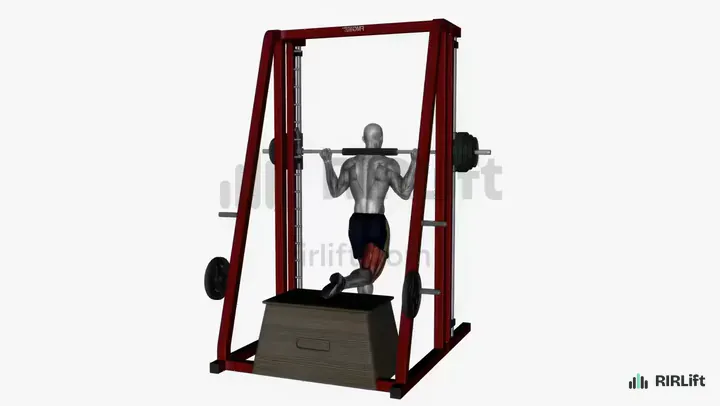
Smith Machine Bulgarian Split Squat
Pick this when balance is what ends your set and you want to push the leg closer to failure.
Build a session with it -
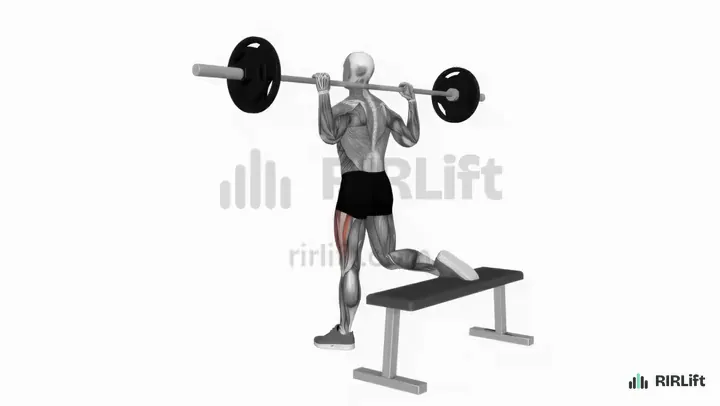
Barbell Bulgarian Split Squat
Pick this when the dumbbells you need are heavier than your grip can hold.
Build a session with it -
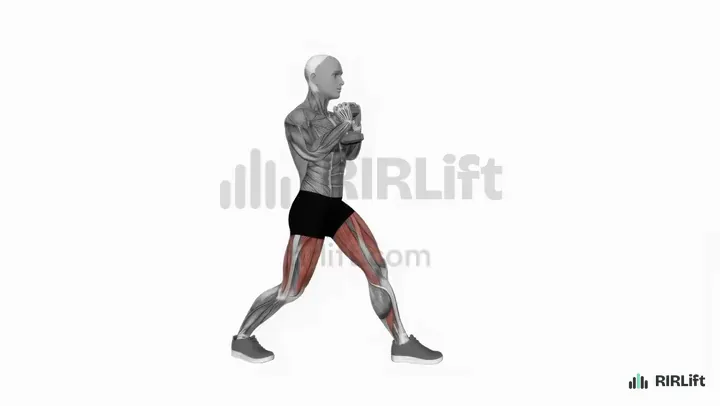
Dumbbell Goblet Split Squat
Pick this when you only have one dumbbell or want an upright torso for more quads.
Build a session with it -
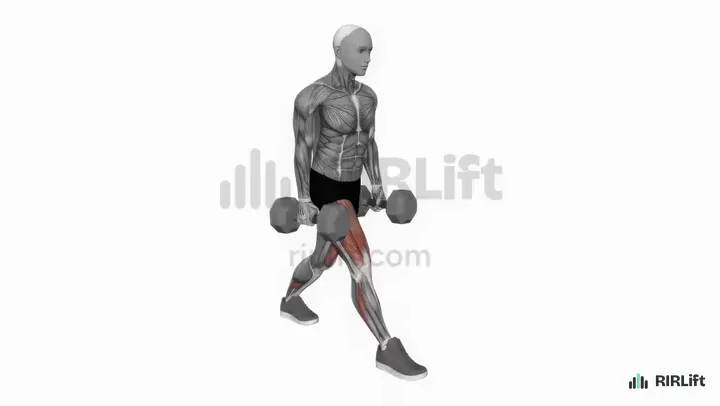
Dumbbell Split Squat
Pick this to learn the pattern with both feet on the floor before you raise the back foot.
Build a session with it
Bulgarian split squat alternatives
Less balance
-
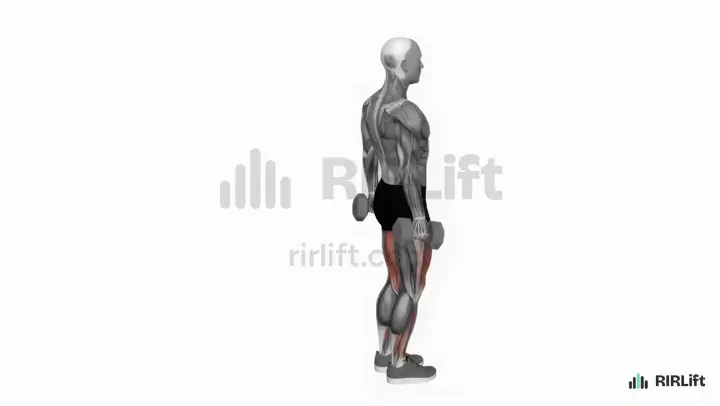
Dumbbell Reverse Lunge
Each rep starts from both feet, so you reset your balance every time while the front leg still does the work.
Build a session with it -
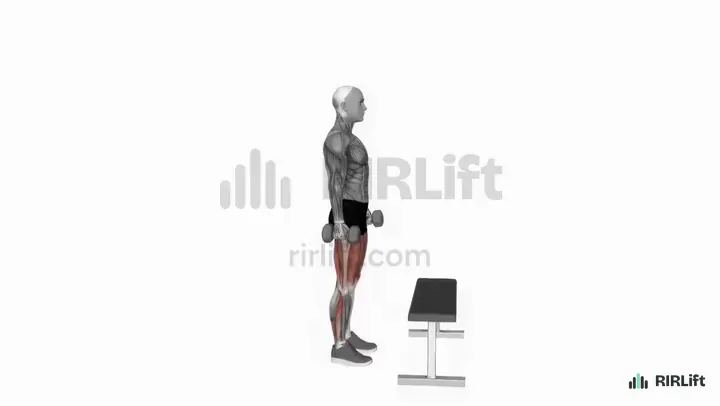
Step-Up
A box replaces the bench and the drive is the same one-leg push, with a simpler setup.
Build a session with it -
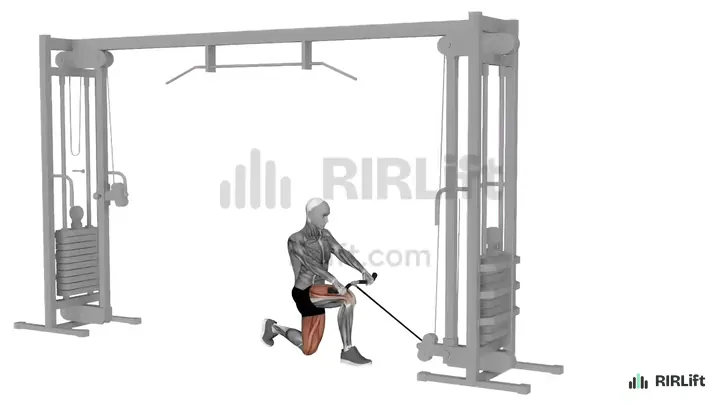
Cable Split Squat
The cable pulls you into a steady position and keeps tension at the top.
Build a session with it
Machines
-
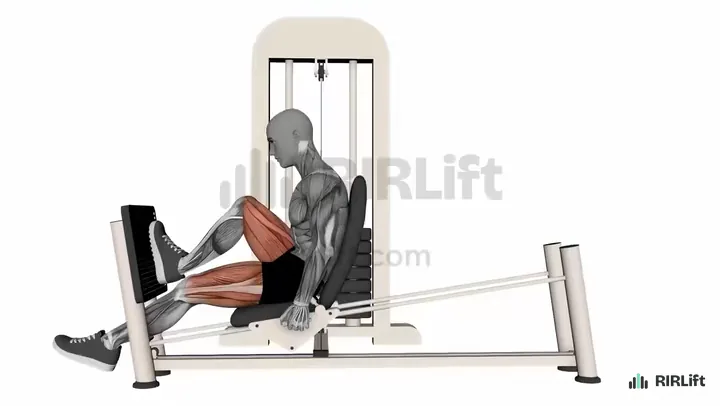
Single-Leg Leg Press
The closest machine match: one leg at a time with zero balance demand, so you can train it hard.
Build a session with it -
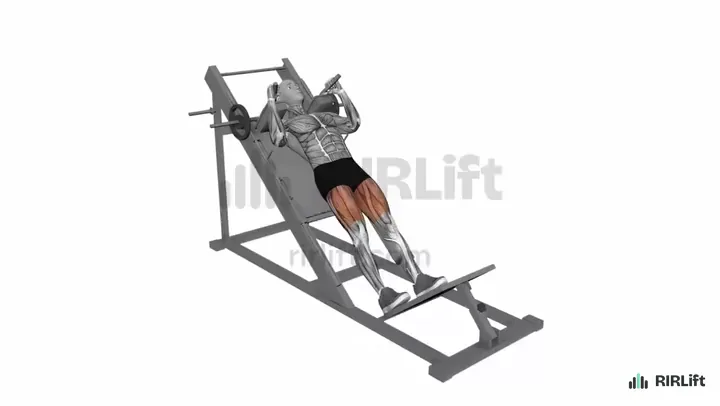
Hack Squat
Both legs, back supported, when you want heavy quad work without a one-leg setup.
Build a session with it
More glutes
-
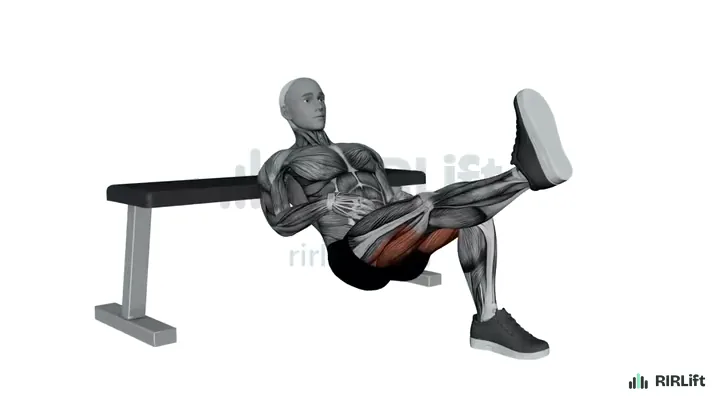
Single-Leg Hip Thrust
Loads the glute at the top of the range, where the split squat loads it at the bottom.
Build a session with it -
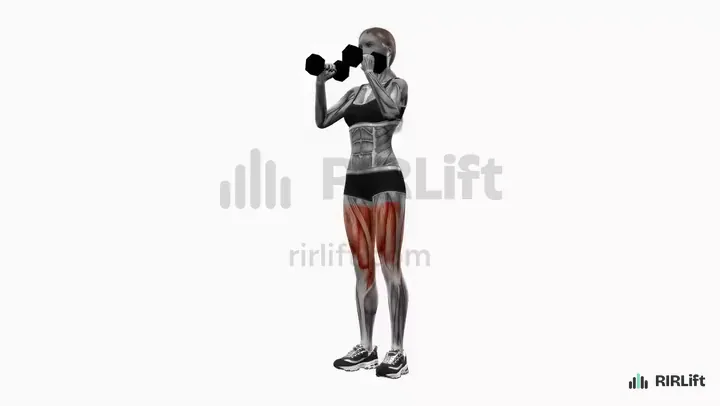
Dumbbell Curtsy Lunge
The crossed step puts more of the load on the outer glute of the front leg.
Build a session with it
More quads
-
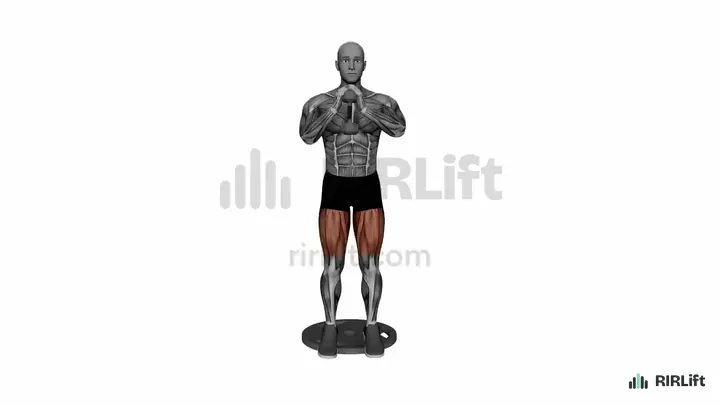
Heels-Elevated Goblet Squat
Raised heels let your knees travel forward for deep quad work on both legs at once.
Build a session with it -
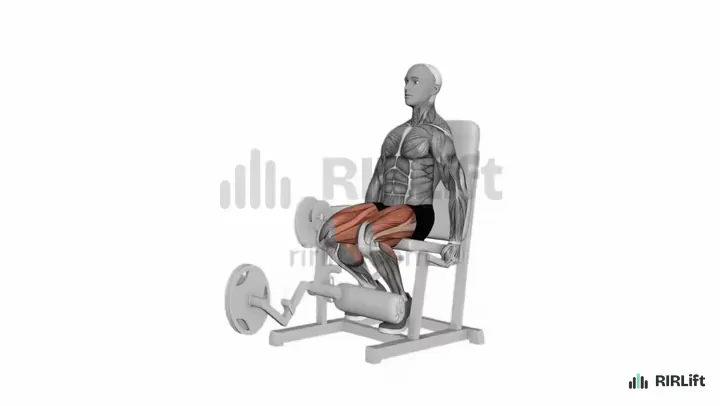
Leg Extension
Trains the quads alone when your hips or balance need a break.
Build a session with it
Bulgarian split squat for quads or glutes
For quads, use a shorter stance, keep your torso upright and let your front knee travel forward past your toes as you drop.
For glutes, step the front foot further out, lean your torso forward from the hips and keep the front shin closer to vertical. Holding the dumbbells slightly in front of you makes the lean easier to keep.
Pick one setup per block and log it the same way every time, so a rep added is real progress and not a changed stance.
Split squat vs Bulgarian split squat
In a split squat both feet stay on the floor, so the back leg helps and balance is easier. Raising the back foot shifts more load onto the front leg and adds depth, which makes the Bulgarian harder at the same weight.
If you cannot keep your balance for 10 clean reps, train the floor version for a few weeks, then raise the back foot on a low step before moving to a full bench.
Questions
What are Bulgarian split squats good for?
They build the quads and glutes one leg at a time through a deep range, using much lighter weights than a back squat. They also expose and train a strength gap between your legs.
Why is the Bulgarian split squat so hard?
Almost all the load sits on one leg through a deep range, and you also have to balance. Use a lower bench, fix your front-foot distance, and start with your weaker leg so effort is even.
How far should my front foot be from the bench?
Far enough that your back knee can drop straight down while your whole front foot stays flat. About two foot lengths in front of the bench is a good start; go shorter for quads, longer for glutes.
Which side should I hold the weight on?
For most sets, hold a dumbbell in each hand. With a single dumbbell, hold it goblet style at your chest or in the hand opposite the working leg, which makes balance easier.
How do beginners do a Bulgarian split squat?
Start with a split squat with both feet on the floor, then raise the back foot on a low step. Use bodyweight until you can do 10 steady reps per leg, then add light dumbbells.
What can I do instead of Bulgarian split squats?
Reverse lunges and step-ups keep the one-leg work with less balance. The single-leg leg press is the closest machine swap, and a hack squat works when you just want heavy quad work.
Are Bulgarian split squats better for quads or glutes?
They train both. A short stance with an upright torso biases the quads; a long stance with a forward lean biases the glutes.
Related templates
-
Leg exercises with dumbbells: quads, hamstrings, glutes and calves
Every other leg exercise you can load with the same pair of dumbbells.
-
Hip thrust: how to do it, what it works, and what to swap it for
Pairs with the split squat to load the glutes at the top of the range.
-
The best workout for your glutes and butt
Shows where the Bulgarian split squat fits in a full glute session.
-
How to use RIR
How to judge 2 reps in reserve on a lift where balance can fool you.