
Leg curl: how to do it, seated vs lying, and what to swap it for
Published October 17, 2026
The leg curl is a machine exercise where you bend your knees against a padded lever to pull your heels toward your glutes. It trains your hamstrings, the muscles on the back of your thighs, with nothing else taking over. The one thing that makes it work is the lowering: let the pad all the way back out under control on every rep, and keep your hips pinned so your hamstrings, not your lower back, move the weight.
- WorksHamstrings
- EquipmentLying Leg Curl
- Start with3 × 12–20, 2 in reserve, 2 min rest
How to do the lying leg curl
Your hamstrings do two jobs, straightening the hip and bending the knee, and a hinge like the Romanian deadlift mostly trains the first. The leg curl trains the second with a machine that holds you in place, so you can push close to failure without a technique limit.
Steps
- Set the machine so your knees line up with the pivot point when you lie face down, and move the ankle pad to sit on your lower calves, just above your heels.
- Lie flat with your kneecaps hanging just past the end of the bench, hold the handles and press your hips into the pad.
- Bend your knees and pull the pad up in a smooth arc until your heels are as close to your glutes as the machine allows.
- Pause for a moment at the top without letting your hips lift off the bench.
- Lower the pad over about two seconds until your legs are almost straight, and start the next rep before the stack touches down.
Cues
- Hips glued to the pad
- Heels to glutes
- Slow on the way down
Common mistakes
- Lifting your hips as the weight gets heavy: your lower back takes over and the hamstrings do less. Drop the load until your hips stay down on every rep.
- Stopping short at the bottom: that cuts out the part of the rep where your hamstrings are longest. Let your legs come back to almost straight before you curl again.
- Swinging the pad up: a kick from the bottom hands the hardest part of the rep to momentum. Count two seconds down and start each rep from a dead stop.
- Knees off the pivot: if your knees sit too far up the bench, the pad slides along your calves and the curl feels awkward. Shift until the knee lines up with the machine's axis.
Swap for: Seated Leg Curl, Nordic Hamstring Curl, Stability Ball Leg Curl
Muscles the lying leg curl works
The leg curl works your hamstrings by bending your knee, with your calves helping a little. Lying flat keeps your hips straight, so your hamstrings work at a shorter length than on the seated machine; a full lowering to nearly straight legs gives them as much stretch as the lying position allows.
Sets, reps and reps in reserve for the lying leg curl
| Goal | Sets × reps | RIR | Rest |
|---|---|---|---|
| Build muscle | 3 × 12–20 | 2 | 2 min |
| This matches the session builder for the lying leg curl; add weight once all three sets reach 20 reps. | |||
| Push it harder | 3–4 × 10–15 | 0–1 | 90 s |
| The machine keeps you in place, so the last set can go to failure without your form breaking down. | |||
| After a heavy hinge | 2–3 × 12–20 | 1–2 | 90 s |
| When Romanian deadlifts already opened the session, two or three sets of curls cover the knee-bending job the hinge left out. | |||
| Beginners | 2–3 × 12–15 | 3 | 2 min |
| Learn to keep your hips down and lower slowly first, then move to 2 reps in reserve. | |||
Lying leg curl variations
-
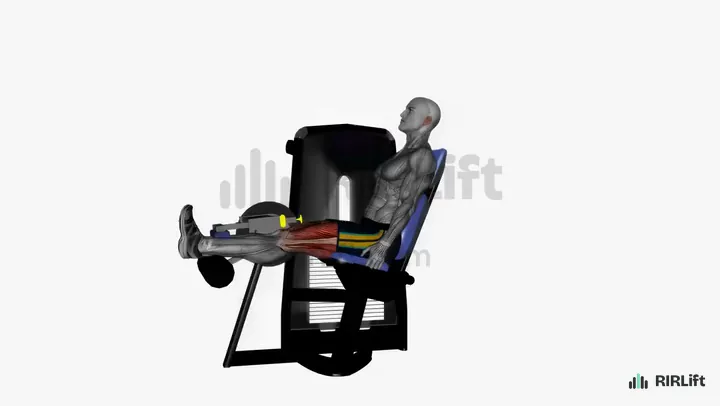
Seated Leg Curl
Pick it as your main curl if your gym has one: sitting bends your hips, which puts your hamstrings in a longer position than lying.
Build a session with it -
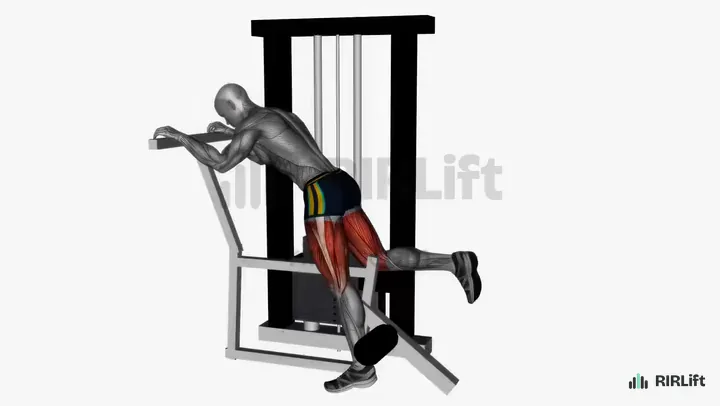
Kneeling Leg Curl
Pick it when one leg is clearly weaker, since you train each side on its own and the stronger leg cannot help.
Build a session with it -
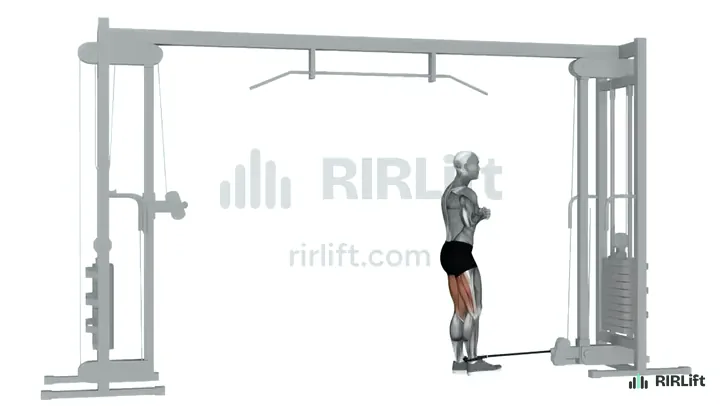
Cable Leg Curl
Pick it when the leg curl machine is taken or missing: an ankle strap on a low pulley gives you the same curl one leg at a time.
Build a session with it
Lying leg curl alternatives
No machine
-
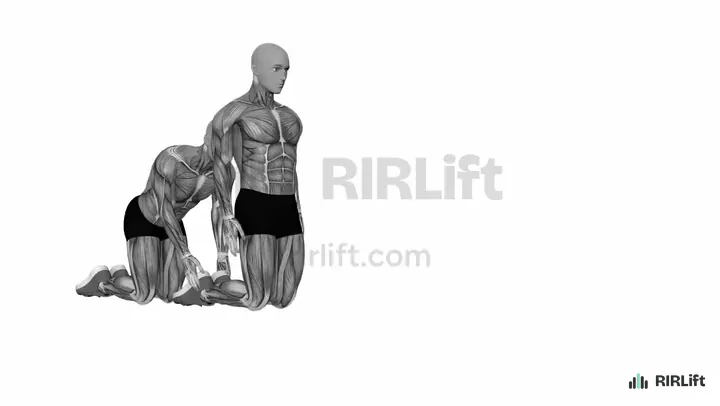
Nordic Hamstring Curl
Use it with a partner or something solid to hook your heels under; it is hard, so start with slow lowering only.
Build a session with it -
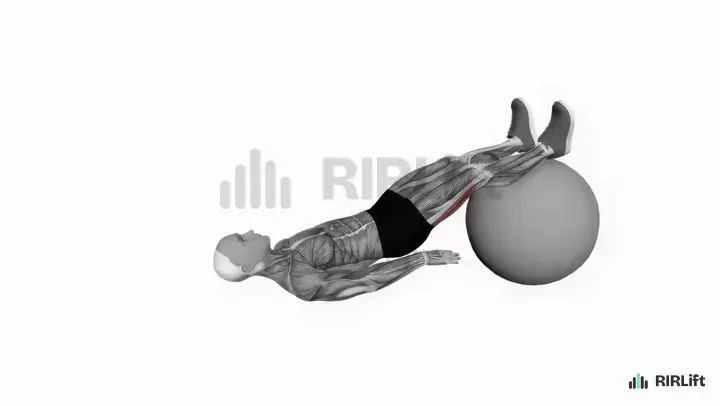
Stability Ball Leg Curl
Use it at home with an exercise ball: you curl with your hips held up, so your hamstrings and glutes work together.
Build a session with it -
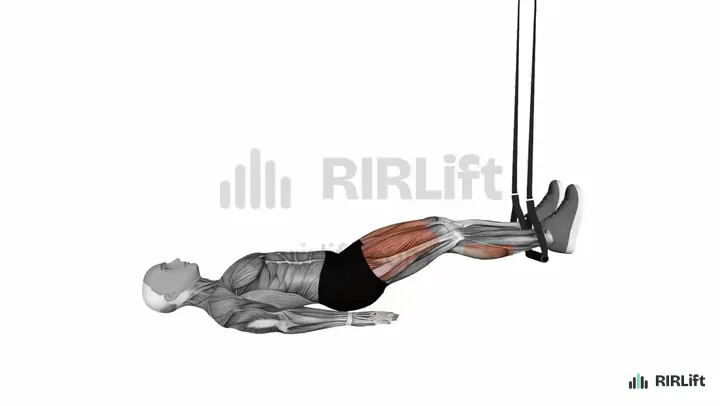
TRX Leg Curl
Use it when you have a suspension trainer and want a harder version of the ball curl.
Build a session with it -
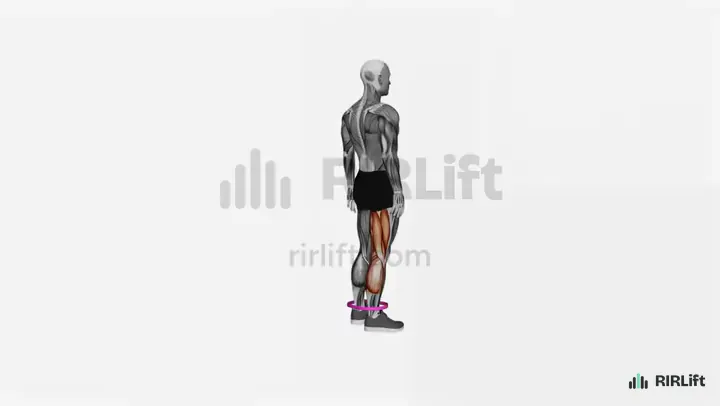
Band Leg Curl
Use it when all you have is a band and an anchor point, for high-rep sets.
Build a session with it
Hinge instead of curl
-
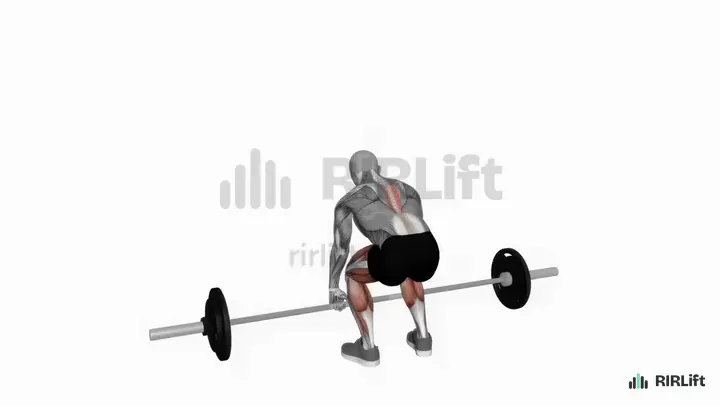
Romanian Deadlift
Use it when you want the heaviest hamstring work in the stretch; it trains the hip side of the muscle the curl misses.
Build a session with it -
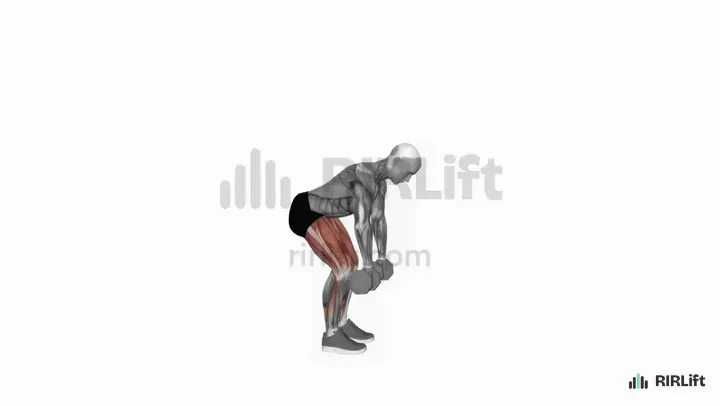
Dumbbell Romanian Deadlift
Use it with only dumbbells for the same hinge without a bar.
Build a session with it -
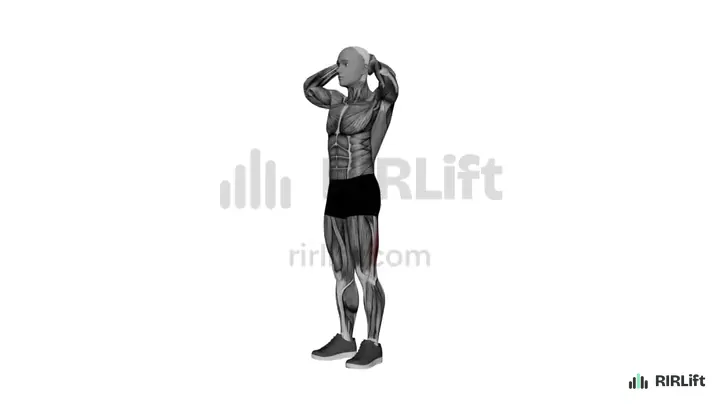
Good Morning
Use it when you want the bar on your back so grip stops being the limit.
Build a session with it -
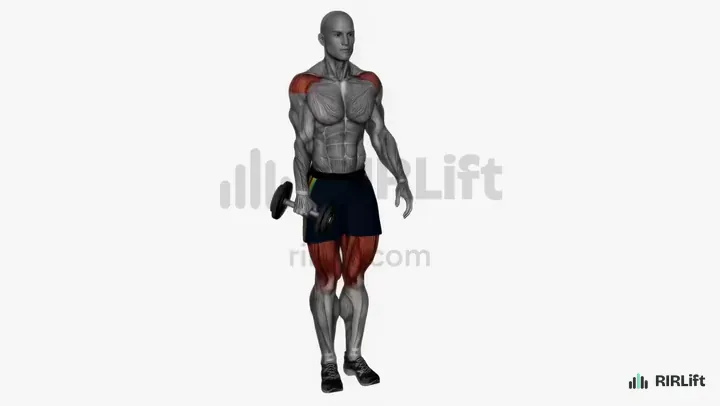
Single-Leg RDL
Use it when you only have light dumbbells; one leg needs far less weight to reach the same effort.
Build a session with it
Seated vs lying leg curl
Both bend your knee against the same kind of pad. The difference is your hip: sitting bends it, which stretches your hamstrings further at the start of each rep, while lying keeps it straight, so the muscle works at a shorter length.
If your gym has both, make the seated leg curl your main curl and use the lying leg curl as a second hamstring curl or when the seated machine is taken. If it has only one, use that one; a hard set on either beats skipping curls.
Do you need leg curls if you do RDLs?
The Romanian deadlift trains your hamstrings by straightening your hip; the leg curl trains them by bending your knee. Doing both covers the whole muscle better than either alone.
In a week with two leg days, put RDLs in one and curls in both, or open one session with RDLs and finish it with 2–3 sets of curls.
Questions
What does the leg curl work?
Your hamstrings, the muscles on the back of your thighs, by bending your knee. Your calves help a little. It does very little for your glutes.
Is the seated or lying leg curl better?
The seated leg curl works your hamstrings in a longer, more stretched position, so make it your main curl when you have the choice. The lying leg curl is still a good second curl or a replacement when the seated machine is busy.
Can I do leg curls without a machine?
Yes. Use a Nordic hamstring curl with your heels hooked under something solid, a stability ball leg curl on the floor, or a band leg curl with the band anchored low. Push each set close to failure, since they are harder to load than a machine.
What is the difference between a leg extension and a leg curl?
A leg extension straightens your knee and trains your quads on the front of your thigh. A leg curl bends your knee and trains your hamstrings on the back. Most leg days use both.
Do leg curls make your glutes bigger?
Not much. Your glutes straighten your hip, and the leg curl only bends your knee. For glutes, use a hip thrust or a Romanian deadlift and keep curls for your hamstrings.
What is the best leg curl alternative?
At home, the Nordic hamstring curl or the stability ball leg curl. In a gym without a curl machine, the cable leg curl. If you want a heavier hamstring exercise, the Romanian deadlift.
How much weight should I use on leg curls?
Use a weight you can curl for 12–20 reps with about 2 reps left, hips down and a slow lowering on every rep. Enter your last leg curl set in the form next to the demo to get a starting weight.
Related templates
-
The best workout for hamstrings, built for your situation
Full sessions that pair curls with the hinge they work alongside.
-
Romanian deadlift: how to do it, and what to swap it for
The hinge that trains the hip side of your hamstrings the curl leaves out.
-
Machine exercises for every muscle, with sessions for where you are
The rest of the machines to build a leg day around the curl.
-
The best workout for legs, built for your situation
Where curls fit next to squats, presses and extensions in a full leg day.
-
How to use RIR
How to tell when a leg curl set has 2 reps left in it.