
Machine exercises for every muscle, with sessions for where you are
Published October 16, 2026
The machine exercises to learn first are the leg press, chest press, machine row, assisted pull-up, shoulder press and seated leg curl: one squat, one press, one row, one vertical pull, one overhead press and one hamstring curl. Add the incline press, lateral raise, leg extension, hip thrust and triceps extension once those are routine. Set each machine so the joint you move lines up with its pivot, then pick by muscle, one compound machine before one isolation machine.
-
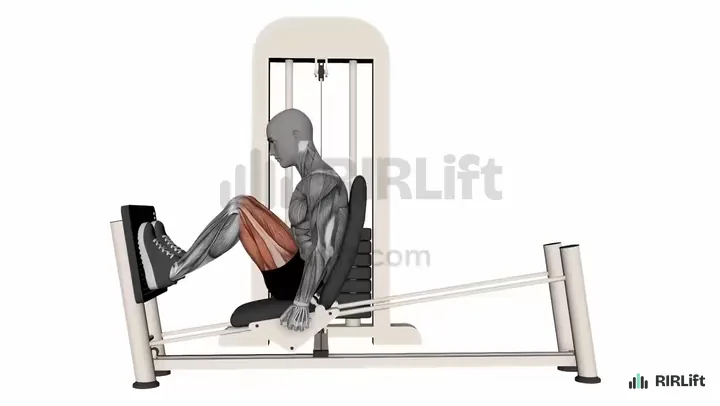 Leg Press
Quads, Glutes
Leg Press
Quads, Glutes
-
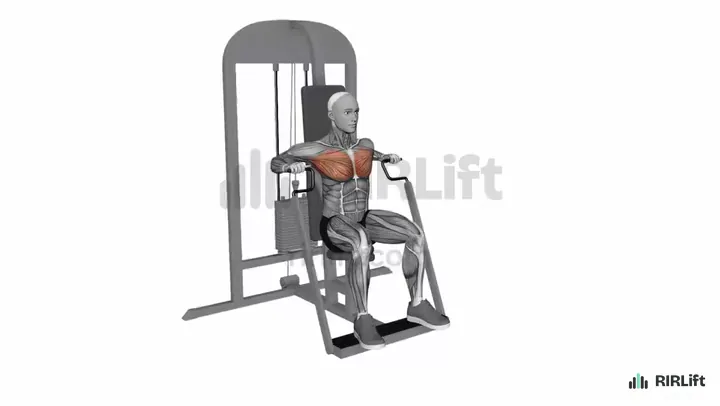 Machine Chest Press
Chest
Machine Chest Press
Chest
-
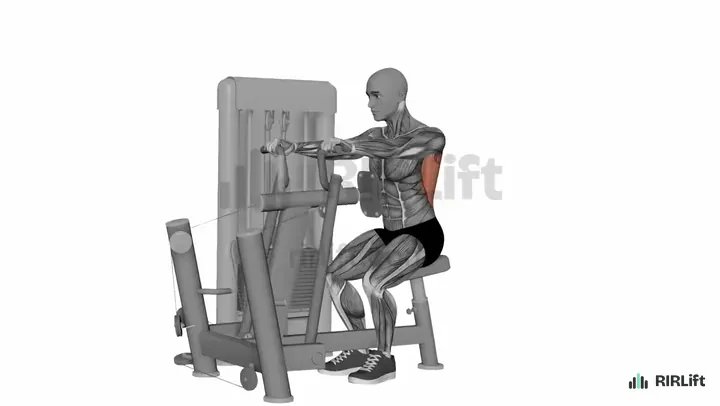 Machine Row
Upper Back, Lats
Machine Row
Upper Back, Lats
-
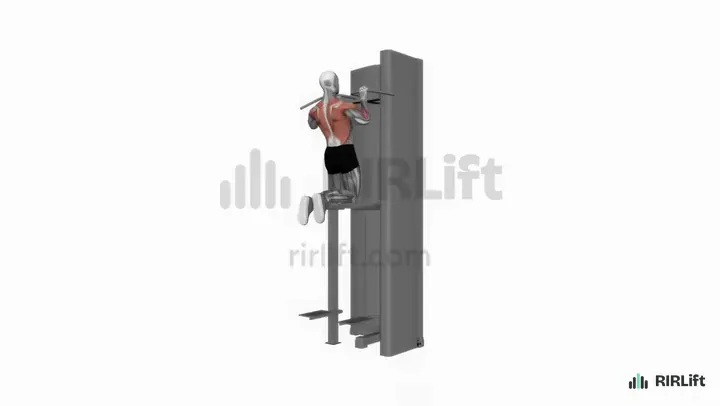 Assisted Pull-Up
Lats
Assisted Pull-Up
Lats
-
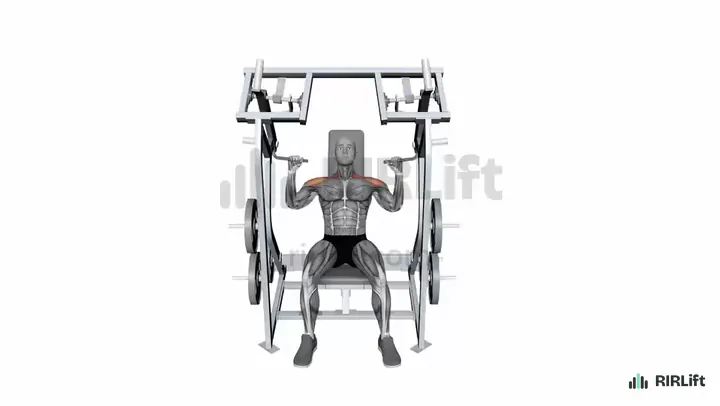 Machine Shoulder Press
Shoulders
Machine Shoulder Press
Shoulders
-
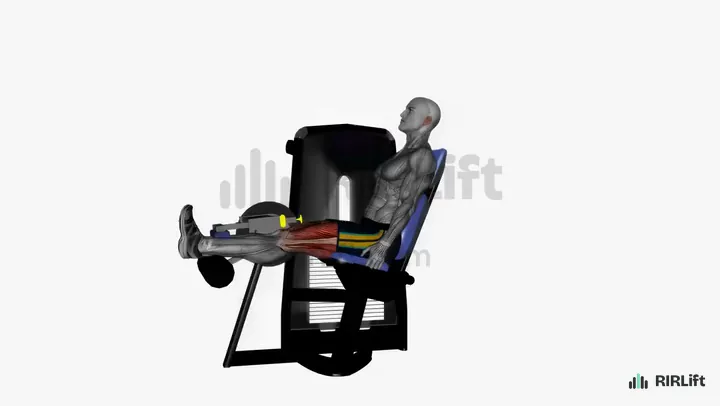 Seated Leg Curl
Hamstrings
Seated Leg Curl
Hamstrings
-
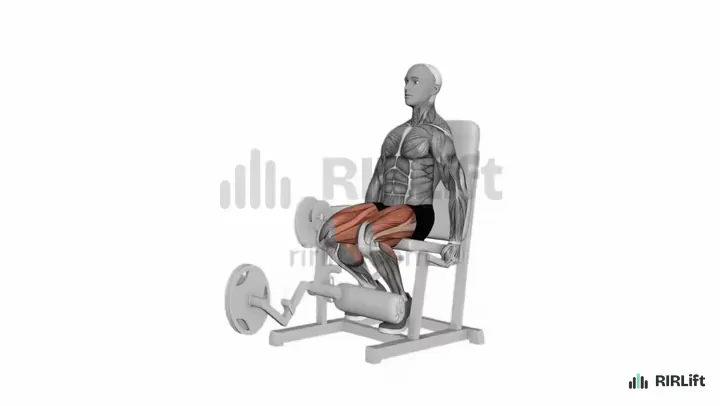 Leg Extension
Quads
Leg Extension
Quads
-
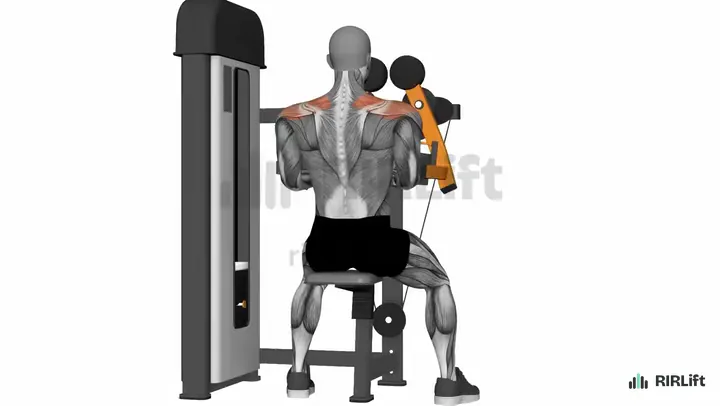 Machine Lateral Raise
Shoulders
Machine Lateral Raise
Shoulders
Put them together: example sessions
Each session below picks from the exercises above for one situation, with the sets, reps, rest and RIR filled in. Open one in the session builder to change a pick, price it from a recent set, and add it to RIRLift.
-
Session 1
Your first weeks on gym machines
You are new to the gym, or back after a long break, and you want a short list of machines you can find and set up without help.
3× a week · 36 sets a week · ~25 min
-
Session 2
Full gym, upper/lower split on machines
You have been training for a few months, your gym has the full machine line, and you want four sessions a week built on them.
4× a week · 72 sets a week · ~45 min
-
Session 3
Racks and dumbbells taken, machines only
You usually train with barbells and dumbbells, the free-weight area is full, and you still want a hard full-body session today.
1× a week · 17 sets a week · ~45 min
Session 1
Your first weeks on gym machines
- Workouts3× a week
- Working sets36 a week
- Per workout~25 min
- EquipmentLeg Press, Chest Press, Seated Row Machine, Seated Leg Curl +2
You are new to the gym, or back after a long break, and you want a short list of machines you can find and set up without help.
Six machines cover legs, chest, back, shoulders and abs, and each one has one or two adjustments to learn. Two sets of 10 to 15 reps, stopped with about 3 reps left, give you 12 working sets a session to learn the movements before you push sets harder.
| Exercise | Sets × reps | RIR | Rest |
|---|---|---|---|
| Leg Press1 warm-up set firstHips stay on the pad. | 2 × 10–15 | 3 | 90 s |
| Machine Chest PressHandles at mid-chest. | 2 × 10–15 | 3 | 90 s |
| Machine RowChest on the pad. | 2 × 10–15 | 3 | 90 s |
| Seated Leg CurlKnees at the pivot. | 2 × 10–15 | 3 | 1 min |
| Machine Shoulder PressBack flat on the pad. | 2 × 10–15 | 3 | 1 min |
| Machine CrunchCurl the spine, arms just hold. | 2 × 10–15 | 3 | 1 min |
- How to run it
- Run the session three days a week with a day off between. Go down the list in order; write down the seat setting for each machine the first time so set-up is quick after that.
- How to progress
- Add a rep per set each session. When both sets reach 15 reps with about 3 left, move the pin down one plate. After a few weeks of steady sessions, add a third set to the leg press, chest press and row, then move to the upper/lower plan.
Session 2
Full gym, upper/lower split on machines
- Workouts4× a week
- Working sets72 a week
- Per workout~45 min
- EquipmentIncline Chest Press, Assisted Machine, Chest Press, Seated Row Machine +10
You have been training for a few months, your gym has the full machine line, and you want four sessions a week built on them.
With every machine available you can train each muscle from more than one angle: incline and flat press, vertical pull and row, hack squat and leg extension. Upper has 17 working sets and Lower 19, all taken to 1 or 2 reps in reserve. Running each twice a week puts chest, back, quads and glutes at 12 direct hard sets a week, shoulders, hamstrings, calves, triceps and abs at 4 to 6, and biceps work through every pull-up and row.
| Exercise | Sets × reps | RIR | Rest |
|---|---|---|---|
| Machine Incline Press2 warm-up sets firstUpper chest first, while fresh. | 3 × 6–10 | 2 | 2 min |
| Assisted Pull-Up1 warm-up set firstLess assistance as you get stronger. | 3 × 6–10 | 2 | 2 min |
| Machine Chest Press | 3 × 8–12 | 1 | 90 s |
| Machine RowElbows past your ribs. | 3 × 8–12 | 1 | 90 s |
| Machine Lateral Raise | 3 × 12–15 | 1 | 1 min |
| Machine Triceps Extension | 2 × 10–15 | 1 | 1 min |
Open Upper in the session builder
| Exercise | Sets × reps | RIR | Rest |
|---|---|---|---|
| Hack Squat2 warm-up sets firstSame depth every rep. | 3 × 6–10 | 2 | 2:30 min |
| Seated Leg CurlLean forward for more stretch. | 3 × 8–12 | 1 | 90 s |
| Smith Machine Hip Thrust1 warm-up set firstPause and squeeze at the top. | 3 × 8–12 | 2 | 2 min |
| Leg Extension | 3 × 10–15 | 1 | 1 min |
| Hip Abduction Machine | 2 × 12–20 | 1 | 1 min |
| Standing Calf RaisePause in the stretch. | 3 × 10–15 | 1 | 1 min |
| Machine Crunch | 2 × 10–15 | 1 | 1 min |
Open Lower in the session builder
- How to run it
- Run Upper, Lower, rest, Upper, Lower, then two days off. Move on to the next block when a machine is busy and come back to it.
- How to progress
- Use double progression: keep the weight until every set hits the top of its rep range at the target reps in reserve, then move the pin one plate. If a lift stalls for three sessions, add a set to it before adding weight elsewhere.
Session 3
Racks and dumbbells taken, machines only
- Workouts1× a week
- Working sets17 a week
- Per workout~45 min
- EquipmentHack Squat, Incline Chest Press, Assisted Machine, Seated Leg Curl +2
You usually train with barbells and dumbbells, the free-weight area is full, and you still want a hard full-body session today.
Each machine stands in for a free-weight lift: hack squat for the squat, incline press for the bench, assisted pull-up for pull-ups, leg curl and leg extension for the hinge and lunge work you lose. The pec deck and reverse pec deck share one machine, so you can superset them without walking anywhere. Every block stops at 1 or 2 reps in reserve so the day counts toward your weekly sets.
| Exercise | Sets × reps | RIR | Rest |
|---|---|---|---|
| Hack Squat2 warm-up sets firstStands in for your squat. | 3 × 6–10 | 2 | 2:30 min |
| Machine Incline Press1 warm-up set firstStands in for your bench. | 3 × 6–10 | 2 | 2 min |
| Assisted Pull-Up | 3 × 6–10 | 2 | 2 min |
| Seated Leg Curl | 2 × 8–12 | 1 | 90 s |
| Leg Extension | 2 × 10–15 | 1 | 1 min |
| A1 Pec Deck FlySame machine as the reverse fly. | 2 × 12–15 | 1 | 45 s |
| A2 Reverse Pec Deck | 2 × 12–15 | 1 | 45 s |
- How to run it
- Swap this in for one session when the racks are full; count its sets toward that week's totals. Run the A superset on the one fly machine by turning the handles between sets.
- How to progress
- Machines differ between gyms, so log the machine and the seat setting with your sets. Next time it is busy, start from those numbers and add a rep per set or one plate.
Make it fit you
-
The machine you want is missing or busy
Swap within the same section: hack squat for leg press, chest-supported row for machine row, a lat pulldown for the assisted pull-up. Keep the sets and rep range the same so the week's totals do not change.
-
Your gym is mostly cables
Most of these have a cable version that loads the same muscle: seated cable row, lat pulldown, cable lateral raise, overhead cable triceps extension. The cable exercises page lists them with the same layout.
-
Less time
Keep the first three blocks of a routine and drop the rest, or superset two machines that stand next to each other. Cut isolation sets from the end before cutting the press, row or squat at the front.
-
A lagging muscle
Add two sets of its isolation machine at the start of the session, while you are fresh: lateral raise for shoulders, leg extension for quads, leg curl for hamstrings, triceps extension for triceps.
-
Moving from machines to free weights
Keep the machines as your second and third exercises and put one free-weight lift first: a goblet squat before the leg press, an incline dumbbell press before the chest press. Your machine numbers give you a working weight to start from.
-
Log the seat setting and reps in reserve
Plates on two machines of the same name rarely weigh the same, so log the machine and seat setting next to the weight. Import a session into RIRLift, log reps and RIR per set, and move the pin when every set hits the top of its range at its target reps in reserve.
Questions
What are the best gym machines for beginners?
The leg press, chest press, seated machine row, shoulder press, seated leg curl and an ab crunch machine. Together they train legs, chest, back, shoulders and abs, and each has one or two adjustments to learn. The first-circuit session above uses exactly those six.
What is the best workout machine?
For legs, the leg press or hack squat; for the upper body, the chest press and a chest-supported row. They load the most muscle per set with the least to balance. There is no single best machine: a session needs a squat, a press, a pull and a hamstring exercise.
How many machines should you use in a workout?
Five to seven. That covers each major muscle once or twice at 2 to 3 sets each without the session running long. The sessions on this page use six or seven machines each.
What are good gym machines for the upper body?
The incline press and chest press for chest, the assisted pull-up and machine row for back, the lateral raise for shoulders, and the triceps extension machine for arms. The Upper routine in the upper/lower plan runs all six.
What machine works the back of the arms?
The triceps extension machine and the triceps dip machine both train the triceps, the muscle on the back of your upper arm. Pair either one with a press for chest or shoulders, which works the triceps too, and take sets close to failure.
Can you build muscle using only machines?
Yes. Muscle grows from hard sets close to failure, and machines make those sets easy to set up and repeat. A plan built only on machines, like the upper/lower plan here, gives chest, back, quads and glutes 12 direct hard sets a week and the other muscles it trains directly 4 to 6, with biceps working in every pull-up and row.
Are machines or free weights better for building muscle?
Both build muscle about equally when the sets are equally hard. Machines are easier to learn and to push close to failure; free weights need less space and train balance. Most people do best with some of each.
Related templates
-
Cable exercises by muscle, with sessions for the cables you have
The cable versions of these lifts, for gyms with more pulleys than machines.
-
Leg press alternatives: what to do when the machine is taken or missing
What to do when the leg press is taken or your gym does not have one.
-
The best workout for beginners
A full beginner program to move on to after the first machine circuit.
-
The best workout for seniors: strength, power and balance
Machine-friendly plans built for older lifters.
-
Machines vs free weights
How to split your training between the two.