
Pull ups: form, your first rep and the best alternatives
Published October 17, 2026
A pull-up is hanging from a bar with an overhand grip and pulling yourself up until your chin clears it. Your lats do most of the pulling, and your biceps and upper back assist. It works when every rep starts from straight arms and your elbows drive down to your ribs, not when you kick and swing to get your chin over.
- WorksLats
- AlsoBiceps, Upper Back
- EquipmentPull-Up Bar
- Start with3 × 6–10, 2 in reserve, 2 min rest
How to do the pull-up
It loads your lats with your whole bodyweight through a long overhead range, and needs nothing but a bar. Once you can do 8 or more clean reps, a belt with a plate keeps it progressing for years.
Steps
- Take the bar overhand with your hands a little wider than your shoulders and your thumbs wrapped around it.
- Hang with your arms fully straight, legs together and slightly in front of you, and squeeze your glutes so your body stays still.
- Before your elbows bend, draw your shoulders down and away from your ears.
- Drive your elbows down toward your ribs until your chin is over the bar and your chest is close to it.
- Lower yourself over about two seconds until your arms are straight again, then start the next rep from a dead stop.
Cues
- Shoulders down, then elbows down
- Chest to the bar, not chin poking up
- Dead stop at the bottom, every rep
Common mistakes
- Stopping short of straight arms at the bottom: half reps hide how many you can really do, so count only reps that start from a full hang.
- Kicking or swinging to finish a rep: keep your legs together and still, and end the set when you need momentum.
- Craning your neck to reach the bar with your chin: keep your head neutral and pull your chest up instead.
- Dropping fast on the way down: the lowering half trains your lats too, so take about two seconds on every rep.
Swap for: Assisted Pull-Up, Lat Pulldown, Band-Assisted Pull-Up
Muscles the pull-up works
Pull-ups work your lats and teres major first, with your biceps, rear delts and the muscles between your shoulder blades helping, and your forearms holding the bar. Your lats are loaded hardest in the stretched position at the bottom, with your arms straight overhead, which is why the full hang on every rep matters more than getting high over the bar.
Sets, reps and reps in reserve for the pull-up
| Goal | Sets × reps | RIR | Rest |
|---|---|---|---|
| Build muscle | 3 × 6–10 | 2 | 2 min |
| This matches the session builder: add reps until you hit 10 at 2 reps in reserve, then add weight with a belt. | |||
| Strength | 3–5 × 3–6 | 1–2 | 2–3 min |
| Add weight with a dip belt or a dumbbell between your feet once bodyweight sets pass 10 reps. | |||
| Fewer than 5 reps | 4–6 × 2–4 | 1–2 | 2 min |
| Do several short sets of clean reps instead of one grinding set, and add a rep to a set each week. | |||
| Can't do one yet | 3 × 6–10 | 2 | 2 min |
| Use the assisted pull-up machine or a band, and use less help each time you reach 10 reps. | |||
Pull-up variations
-
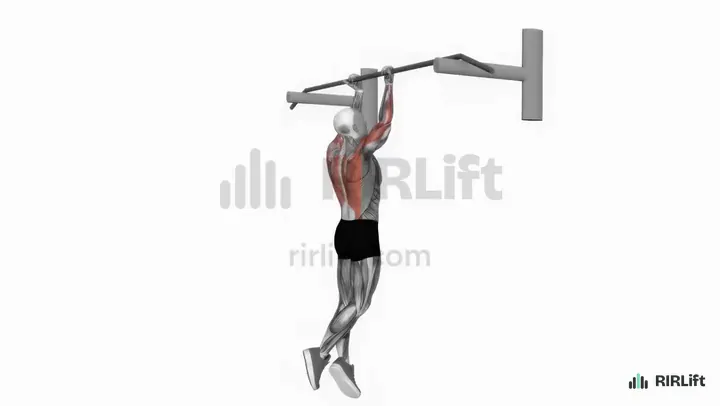
Chin-Up
Pick it if you want more reps; turning your palms toward you brings your biceps in more.
Build a session with it -
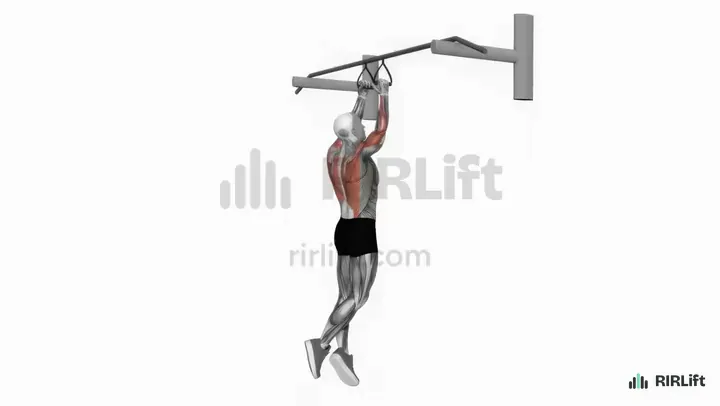
Neutral-Grip Pull-Up
Pick it if an overhand bar feels awkward; palms facing each other usually let you pull harder.
Build a session with it -
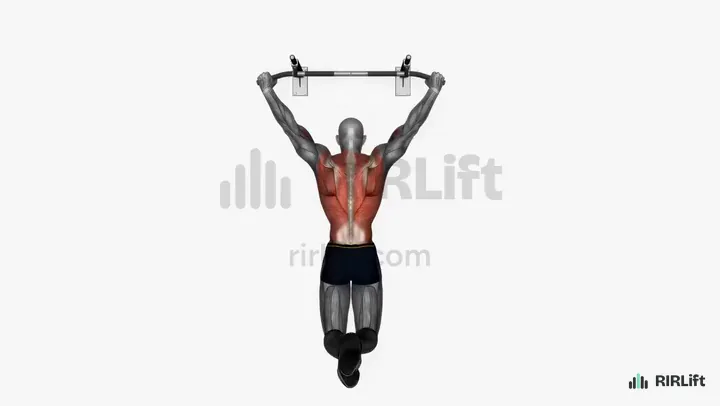
Wide-Grip Pull-Up
Pick it for variety once regular pull-ups are easy; the wider grip shortens the range, so expect fewer reps.
Build a session with it -
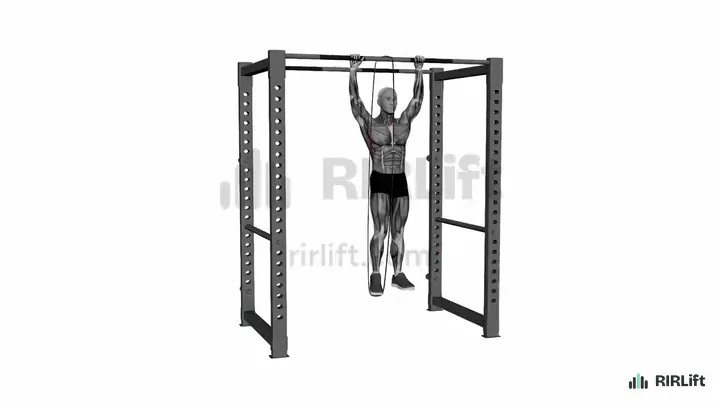
Band-Assisted Pull-Up
Pick it at home before you can do full reps; move to a lighter band when you reach 10.
Build a session with it -
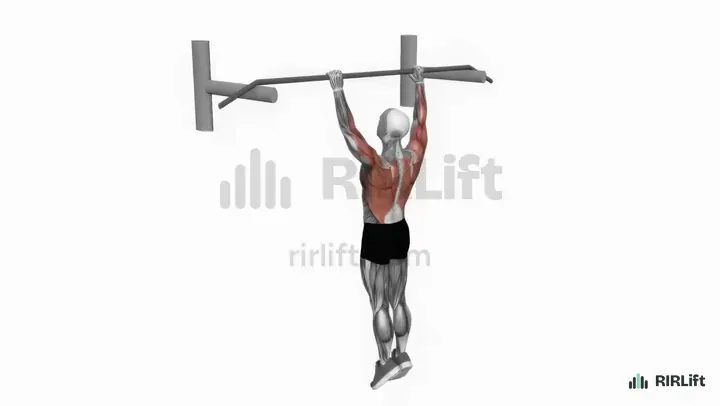
Archer Pull-Up
Pick it when you can do 12 or more and have no weight belt; leaning toward one hand loads that side much harder.
Build a session with it
Pull-up alternatives
At the gym
-
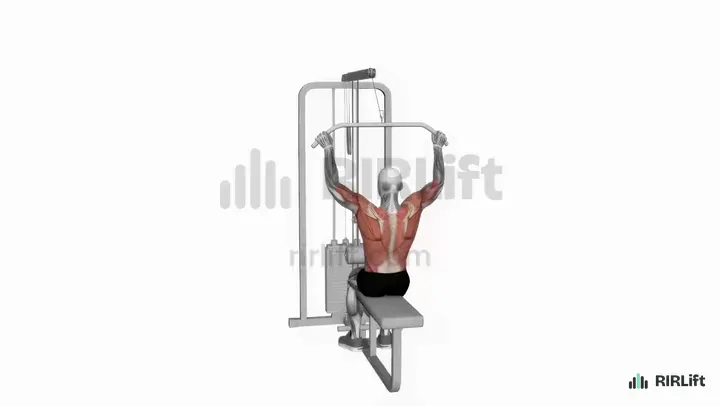
Lat Pulldown
The closest replacement: same path and muscles, at any load you choose.
Build a session with it -
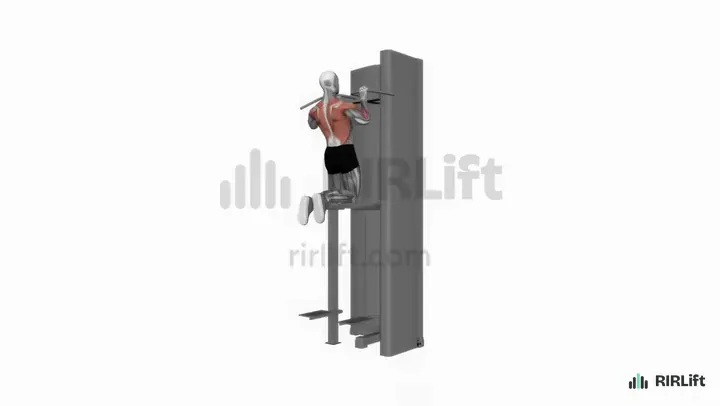
Assisted Pull-Up
Keeps the exact pull-up while the machine takes off as much bodyweight as you need.
Build a session with it -
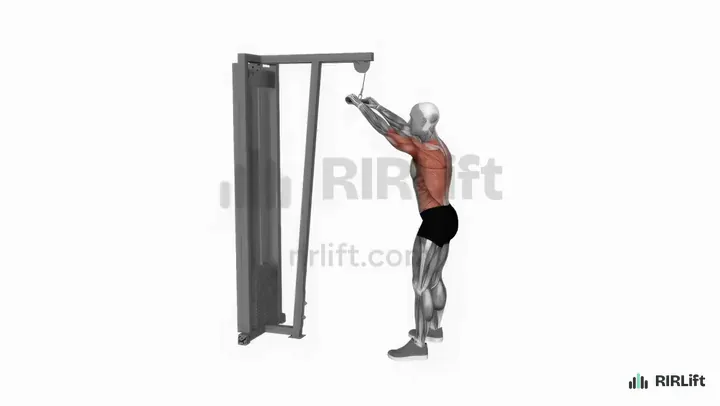
Straight-Arm Pulldown
Trains your lats without your biceps, as a second exercise after pulldowns or rows.
Build a session with it
With a low bar or straps
-
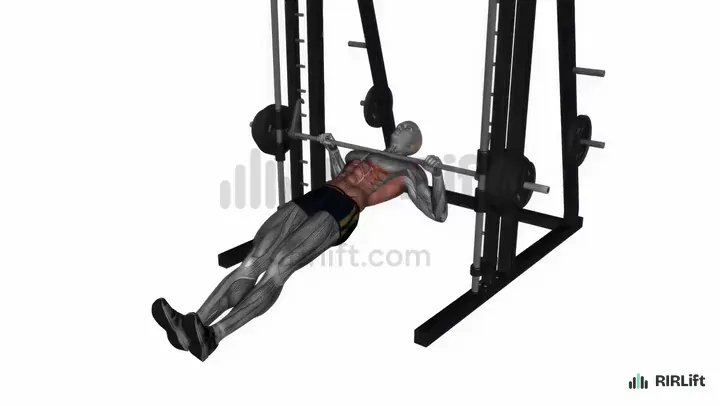
Inverted Row
Hang under a waist-high bar and pull your chest to it; walk your feet in to make it easier.
Build a session with it -
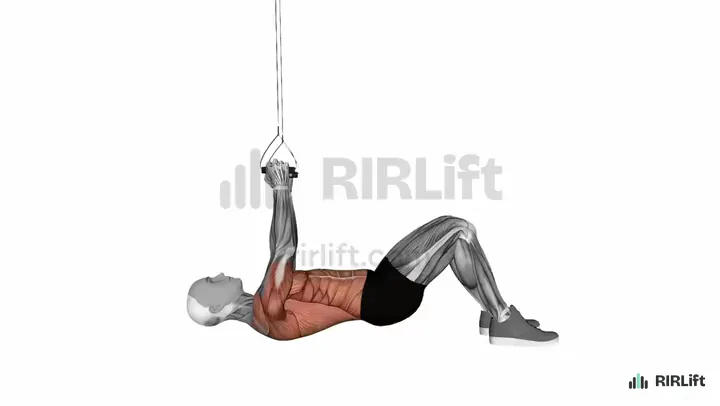
TRX Row
Hang suspension straps from a door or rig and row your chest up to the handles when you have no overhead bar.
Build a session with it
With dumbbells
-
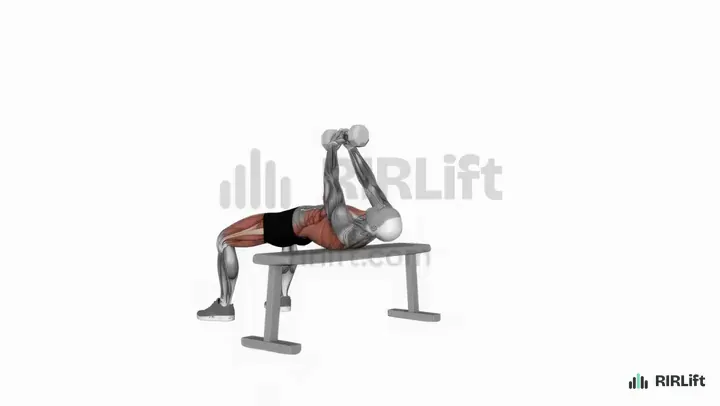
Dumbbell Lat Pullover
Lie across a bench and lower one dumbbell behind your head to load your lats in the same overhead stretch.
Build a session with it -
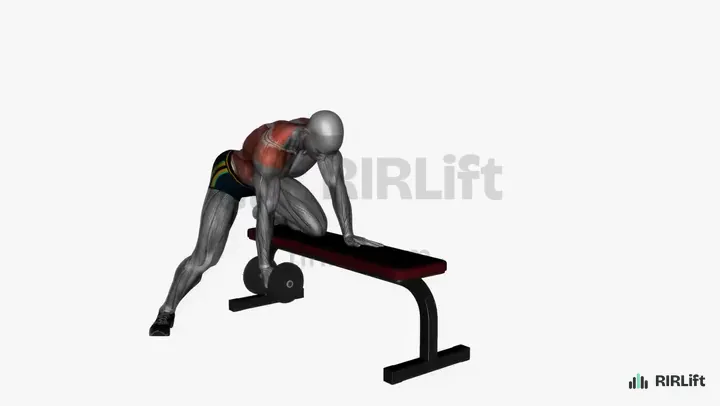
One-Arm Dumbbell Row
With one hand and knee on a bench, row a dumbbell back to your hip for heavy lat work with a single weight.
Build a session with it
Pull-up vs chin-up
The difference is the grip. A pull-up uses an overhand grip, palms facing away; a chin-up turns your palms toward you, which brings your biceps in more, so most people get a rep or two extra. Both train your lats hard. Make the grip that gives you more clean reps your main pull and rotate the other in for variety.
Pull-up vs lat pulldown
They train the same muscles in the same path. The pull-up moves your whole body and adds a lot of core work; the lat pulldown lets you choose any load and add weight in small steps.
If you can do 8 or more clean pull-ups, make them your main vertical pull and keep the pulldown for extra sets. Until then, the lat pulldown builds you toward them: work up to roughly your bodyweight for 5–8 reps and retest a strict pull-up every few weeks.
How to get your first pull-up
Train the full movement with help, not just pieces of it. Two or three times a week, do 3 sets of 6–10 on the assisted pull-up machine or with a band, using less help whenever you hit 10 reps. Add one set of slow lowering reps: jump or step to the top and take three to five seconds to reach straight arms.
Test a strict rep every two weeks, and log the assistance you use in a workout log so you can see it shrink.
Questions
What muscles do pull ups work?
Your lats and teres major do most of the work; they run from under your armpits down the sides of your back. Your biceps, rear delts and the muscles between your shoulder blades help, and your forearms and core work to hold you still.
Why are pull-ups good?
They load your back and biceps with your full bodyweight through a long range, with only a bar. Once bodyweight is easy, you add weight with a belt, so the same exercise keeps working from your first rep to advanced training.
What can I replace pull-ups with?
At the gym, the lat pulldown is the closest swap, and the assisted pull-up machine keeps the exact movement. At home without a bar, do inverted rows under a sturdy table or bar, or a dumbbell lat pullover and one-arm dumbbell rows.
How do I do pull-ups if I can't do one?
Do 3 sets of 6–10 with an assisted machine or a band, reduce the help each time you reach 10 reps, and add slow lowering reps from the top. Test a strict rep every two weeks.
How many pull-ups should I be able to do?
One clean rep is a real milestone. Around 8–10 strict reps is a good point to start adding weight, since sets past that train endurance more than strength.
Should you do pull-ups every day?
No need. Two or three sessions a week, with 3–4 hard sets each, builds them faster than daily practice that leaves you tired. Your pull-up sets, rows and pulldowns all add up toward 10–20 hard back sets per week.
Is it true that 70% of men can't do pull-ups?
There is no reliable count, but plenty of people who train cannot do one. Whatever your number, the path is the same: train the full movement with help, then without it.
Related templates
-
Lat pulldown: form, grip width and the best alternatives
The machine version of the pull-up, and the best way to build up to it.
-
The best workout for back: width, thickness and traps
Puts pull-ups in a full back session with rows and rear-delt work.
-
Bodyweight exercises: the 18 that build muscle, by muscle group
A full plan for training with just a pull-up bar and the floor.
-
How to use RIR
How to tell when a pull-up set has 2 clean reps left.
-
Double progression method
The reps-then-weight rule behind adding a belt once you pass 10.