
Push-ups: how to do them, what they work, and how to make them harder
Published October 17, 2026
A push-up is a bodyweight press: you hold your body in one straight line from head to heels and lower your chest to the floor, then press back up. It trains your chest, front delts and triceps, with your abs and glutes holding the line. What makes it work is pushing each set close to failure at a version hard enough that you stop between 10 and 15 reps, not grinding out easy reps by the dozen.
- WorksChest
- AlsoShoulders, Triceps
- EquipmentBodyweight
- Start with3 × 10–15, 2 in reserve, 90 s rest
How to do the push-up
It loads your chest, front delts and triceps over a bench-press range with no equipment, and changing your hand or foot height makes it easier or harder. Once three sets of 15 floor reps come easily, switch to a harder version rather than adding reps.
Steps
- Place your hands slightly wider than shoulder width with your fingers pointing ahead, then walk your feet back until your head, hips and heels line up.
- Tighten your glutes and pull your ribs down so your hips stay level with your shoulders.
- Bend your elbows back at roughly 45 degrees to your body and lower until your chest is about a fist above the floor.
- Push the floor away to straight arms and go straight into the next rep.
Cues
- Body one straight line
- Elbows at 45 degrees, not flared
- Chest to the floor, not chin
Common mistakes
- Letting your hips drop or rise late in the set: once your body stops being one line, end the set there.
- Stopping well above the floor: bring your chest almost to the ground on every rep, and use the incline push-up if you can't yet.
- Reaching for the floor with your chin while your chest stays high: lead with your chest and keep your head in line with your body.
Swap for: Incline Push-Up, Kneeling Push-Up, Wide Push-Up
Muscles the push-up works
Push-ups work your chest (pectoralis major) hardest, with your front delts and triceps helping to press, and your abs and glutes holding your body straight. The chest is loaded most at the bottom, where it is stretched and your arms are bent; the top of the rep is where the triceps finish the lockout.
Sets, reps and reps in reserve for the push-up
| Goal | Sets × reps | RIR | Rest |
|---|---|---|---|
| Build muscle | 3 × 10–15 | 2 | 90 s |
| This matches the session builder; when every set reaches 15 reps at 2 reps in reserve, move to a harder version such as the decline push-up. | |||
| Getting stronger | 3–4 × 6–10 | 1–2 | 2 min |
| Pick a version that stops you at 10 reps, like feet on a chair or an archer push-up, and add reps before you add height. | |||
| At the end of a session | 2–3 × 12–20 | 0–1 | 90 s |
| After bench or dumbbell presses, sets taken close to failure add chest volume without setting up another station. | |||
| Beginners | 2–3 × 8–15 | 2–3 | 90 s |
| Use the incline push-up at whatever height gives you 8 full-range reps, then lower the surface each time you pass 15. | |||
Push-up variations
-
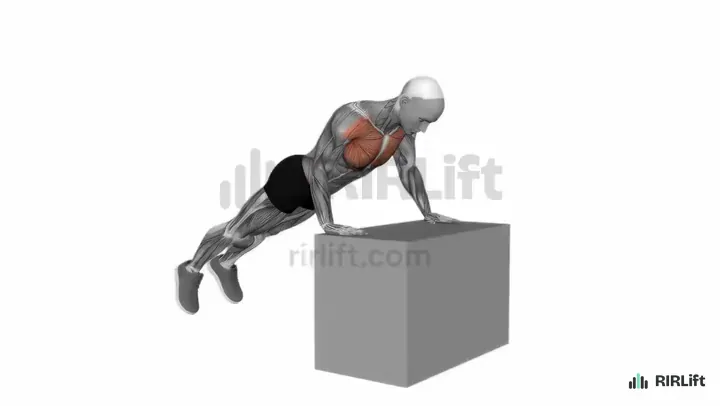
Incline Push-Up
Pick this if you can't do 8 floor push-ups yet; hands on a counter or step let you train the full range and lower the surface as you get stronger.
Build a session with it -
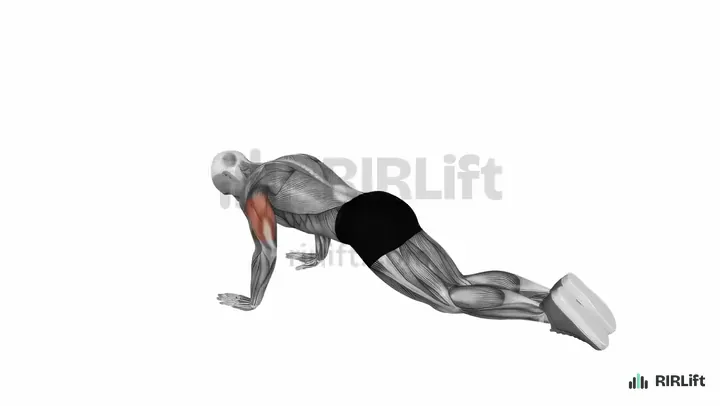
Kneeling Push-Up
Use it to finish a set after your floor reps run out, or when no raised surface is around.
Build a session with it -
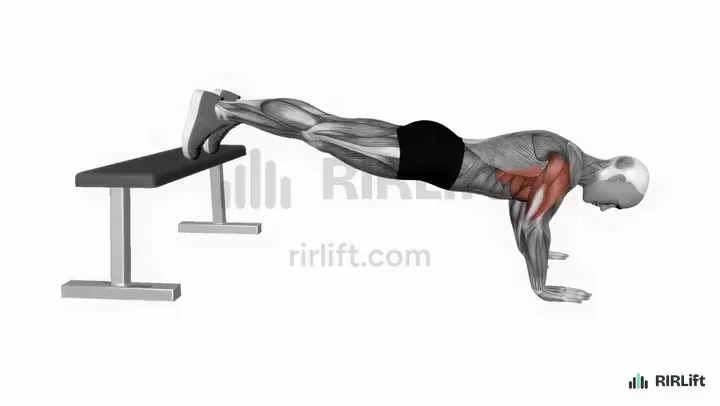
Decline Push-Up
The first step up once you can do 3 sets of 15 on the floor; feet on a chair puts more of your weight on your hands and more work on your upper chest.
Build a session with it -
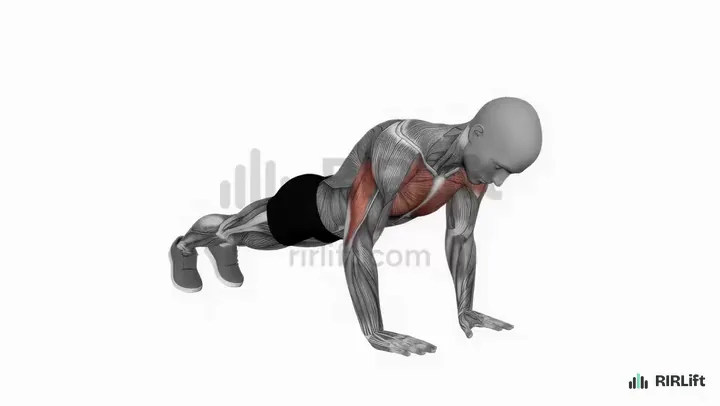
Close-Grip Push-Up
Choose it when your triceps are the target; hands under your shoulders and elbows brushing your ribs.
Build a session with it -
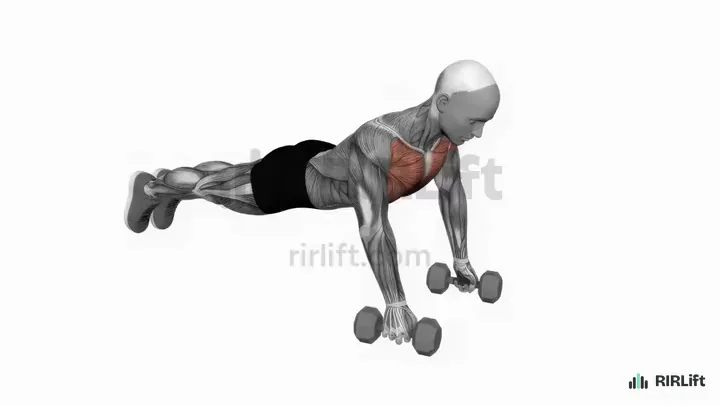
Deep Push-Up
Hands on two blocks or books let your chest sink below your hands, adding stretch at the bottom without changing anything else.
Build a session with it -
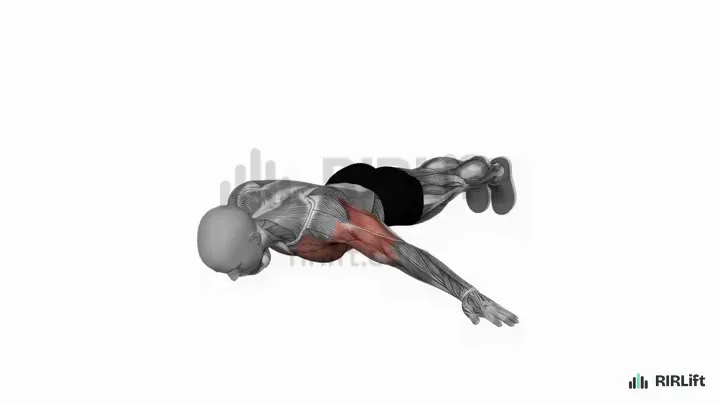
Archer Push-Up
Shift most of your weight onto one arm once decline push-ups reach 3 sets of 15; it is the step before a one-arm push-up.
Build a session with it
Push-up alternatives
With dumbbells
-
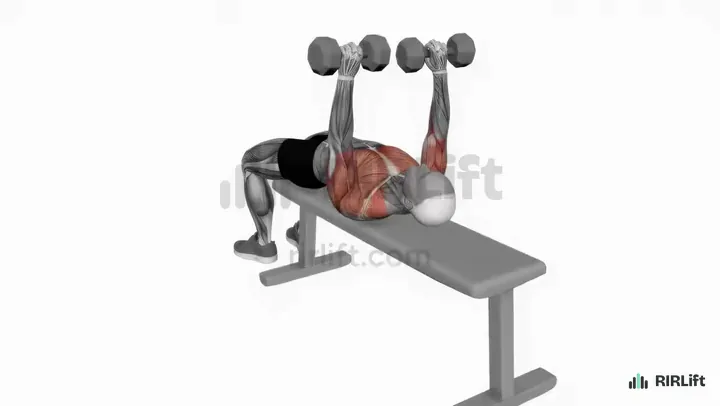
Flat Dumbbell Press
The closest loaded swap: same pressing line, and you add weight in small steps instead of hunting for harder angles.
Build a session with it -
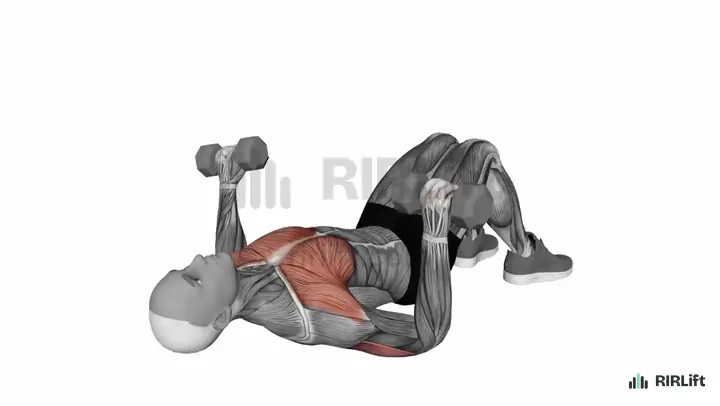
Dumbbell Floor Press
Press from the floor when you have dumbbells but no bench; your elbows stop on the floor at each rep.
Build a session with it
In a gym
-
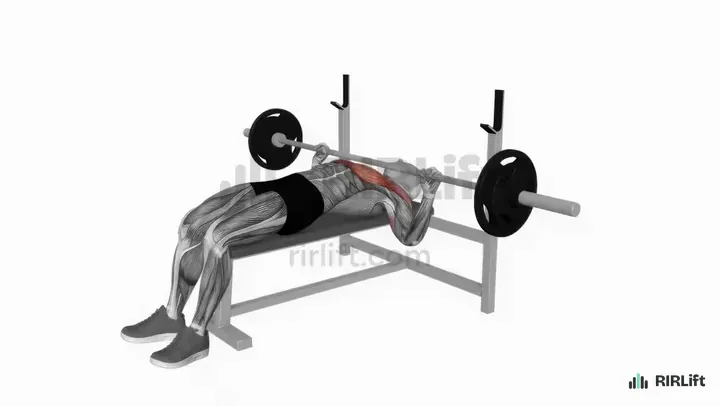
Barbell Bench Press
Pick it when you want the heaviest chest press and a weight you can track each week.
Build a session with it -
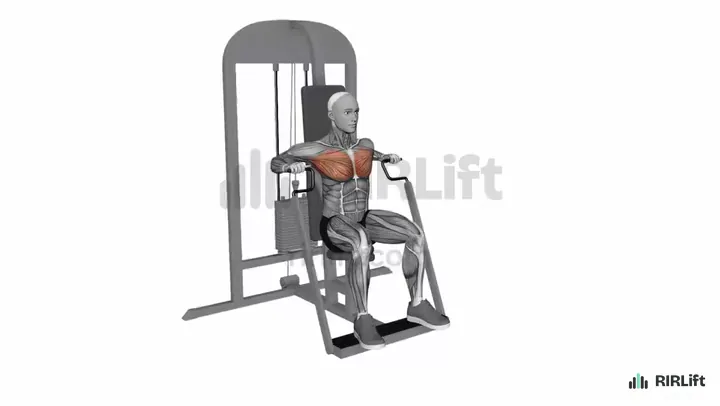
Machine Chest Press
Use the machine when the floor feels awkward on your wrists or you want to push sets to failure without your hips giving out first.
Build a session with it
Bars or bands
-
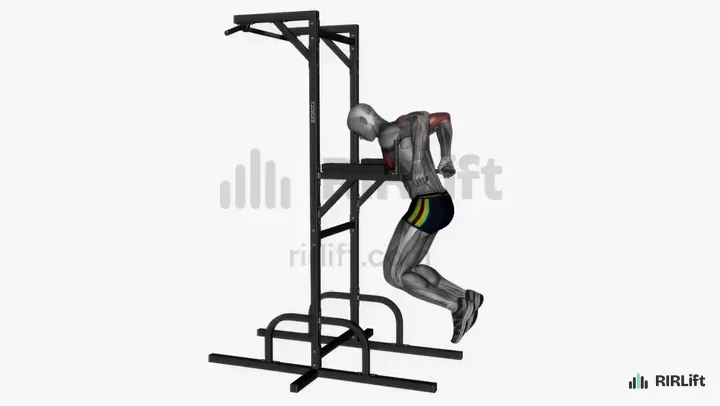
Chest Dip
With dip bars your whole bodyweight goes through your chest and triceps, so most people stop at fewer reps than on push-ups.
Build a session with it -
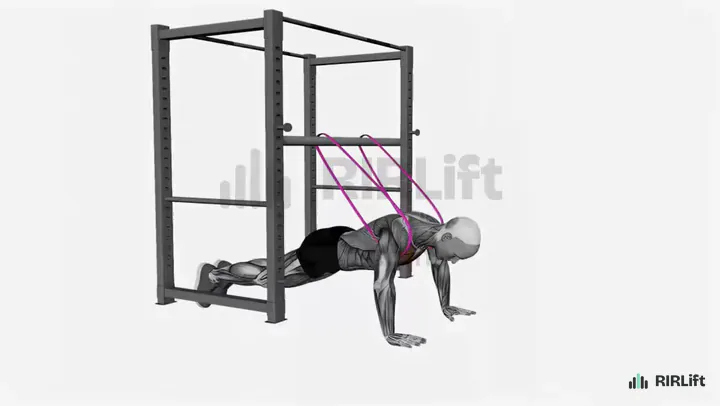
Band-Assisted Push-Up
Loop a band under your shoulders when you want floor push-ups with a straight body instead of dropping to your knees.
Build a session with it
Push-ups vs bench press
Both train the same muscles through a similar range. The bench press wins when you want to load your chest heavier and track it in exact kilos or pounds; the push-up wins when you train at home or want your abs and glutes working in the same set.
For building muscle, either works as long as the set ends close to failure in roughly 6 to 20 reps. If 20 push-ups are easy, a harder variation or the bench press gets you back into that range.
Questions
What muscles do push-ups work?
Your chest does most of the work, with your front delts and triceps helping to press. Your abs and glutes hold your body in a straight line, so they work too, though not enough to replace direct training.
What happens if you do push-ups every day?
You get better at push-ups and add some chest and triceps at first, then progress stalls once the sets get long and easy. Three hard sets of a version that stops you at 10 to 15 reps, two or three times a week, builds more muscle than a daily high-rep habit.
Will 100 push-ups a day get you in shape?
You will get better at push-ups and gain a little chest and triceps early on, but once sets run past 30 reps you are mostly training endurance. Swap the daily 100 for three hard sets of a version that stops you at 8 to 15 reps, three times a week, and spend the rest of your effort on legs, pulls and hinges.
What can I do if I can't do a push-up?
Start with incline push-ups, hands on a counter or a sturdy step, at a height where you can do 8 full-range reps. Lower the surface each time you pass 15 reps, and you reach the floor in a few weeks. A band looped under your shoulders works too.
What can I replace push-ups with?
A dumbbell bench press or dumbbell floor press is the closest swap with weights, and a machine chest press or barbell bench press does the same job in a gym. With dip bars, chest dips are a harder bodyweight press.
Are push-ups better than the bench press?
Neither is better for muscle if each set ends close to failure. The bench press lets you load heavier and add weight in small steps; push-ups need no equipment and get harder by changing the angle.
Which type of push-up is best?
The best one is the version that stops you between 10 and 15 reps with good form. For most people that is the incline push-up at first, then the floor push-up, then the decline or archer push-up.
How many push-ups should I do?
Start with 3 sets of 10 to 15 reps, ending each about two reps before failure. Count them toward 10 to 20 hard sets for your chest per week, along with any other presses.
Related templates
-
Bodyweight exercises: the 18 that build muscle, by muscle group
Every push-up version on this page in a full no-equipment plan, with legs and pulls.
-
The best workout for chest, matched to your setup
Where push-ups fit alongside presses and flyes in a chest session.
-
The best workout for home, with little or no equipment
A complete routine for training at home with push-ups as the main press.
-
How to use RIR
How to judge 2 reps in reserve on a push-up set so it counts.