
Rowing machine warm up: easy strokes, mobility, then bursts
Published October 24, 2026
To warm up on the rowing machine, row easily for 5 minutes at a low stroke rate (about 18 to 20 strokes a minute), get off for 3 minutes of walkouts, bodyweight squats and arm circles, add a set of band pull-aparts and dead bugs, then get back on for 3 bursts of 10 to 15 strokes at workout pace with 30 seconds of easy rowing between. About 12 minutes in total; before a steady row, the first 5 minutes are enough.
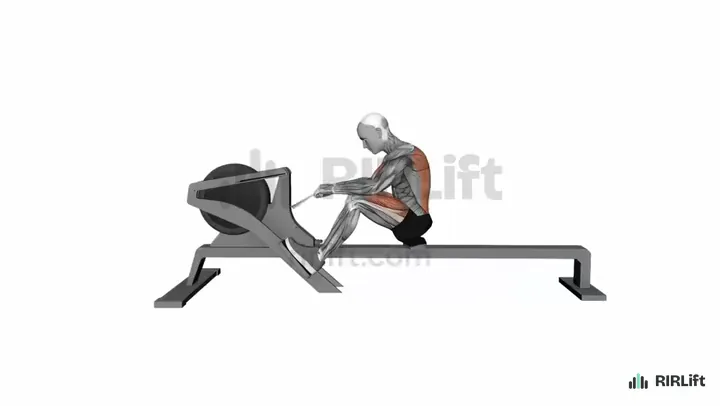
- Rowing Machine Quads, Hamstrings, Glutes, Lats
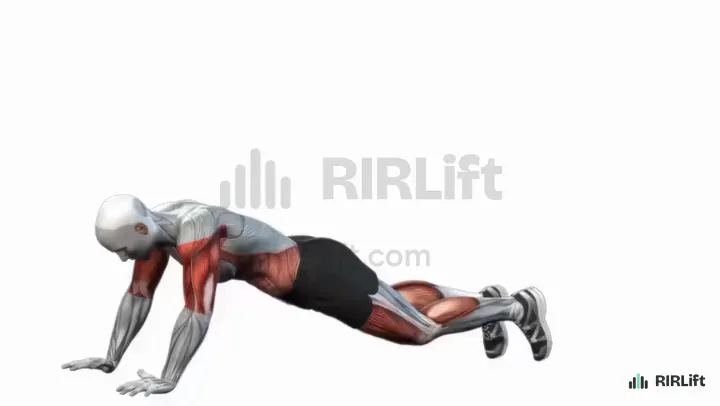
- Walkout Abs, Shoulders, Chest
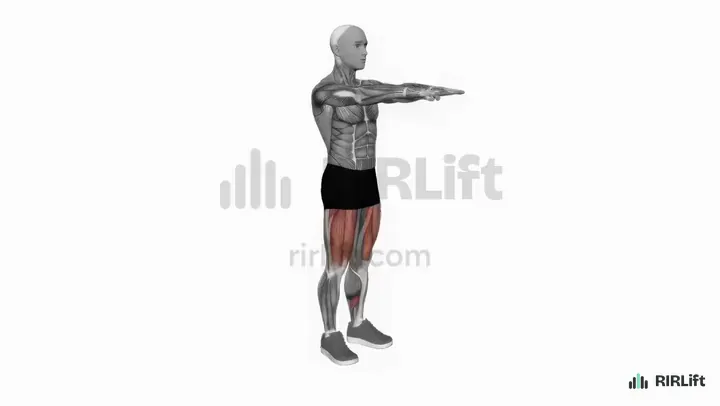
- Bodyweight Squat Quads
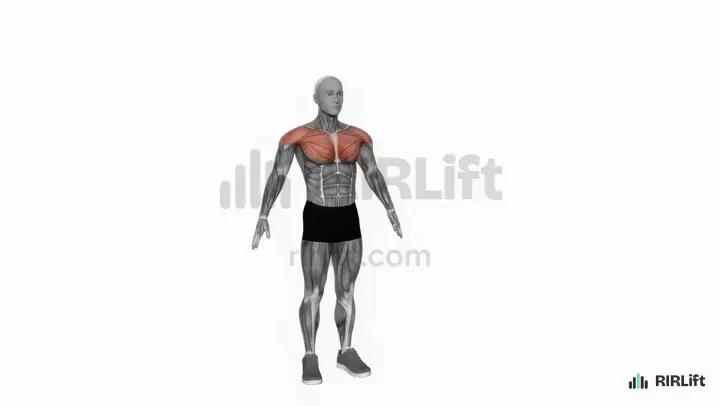
- Arm Circles Shoulders
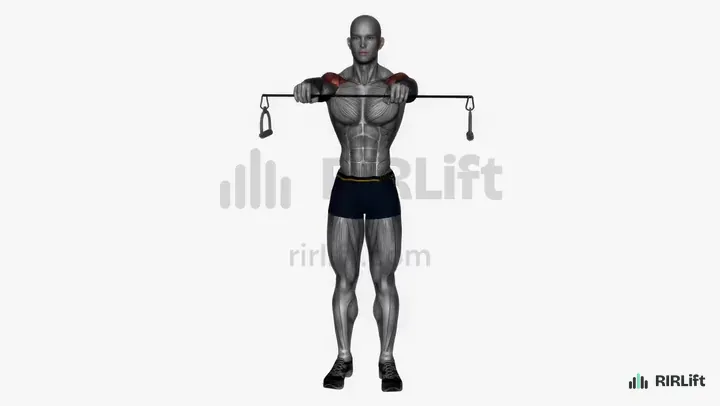
- Band Pull-Apart Shoulders, Upper Back
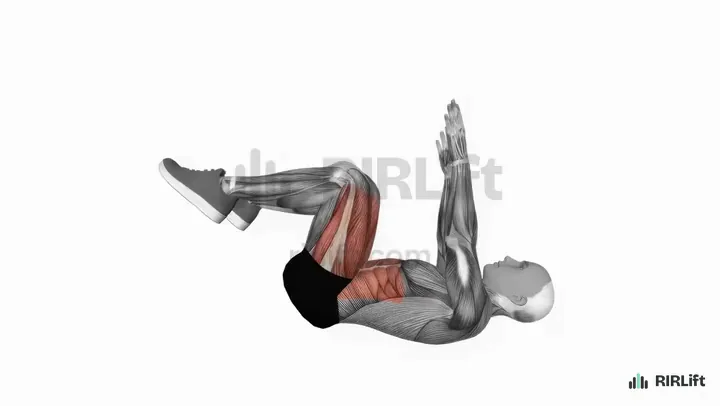
- Dead Bug Abs
Put them together: example sessions
Each session below picks from the exercises above for one situation, with the sets, reps, rest and RIR filled in. Open one in the session builder to change a pick, price it from a recent set, and add it to RIRLift.
-
Session 1
2K test or hard intervals
You are about to row hard: a 2K test, 500 meter repeats, or short intervals.
2× a week · 24 sets a week · ~10 min
-
Session 2
Steady 20-40 minute row
You are doing a long, steady row.
3× a week · 21 sets a week · ~10 min
-
Session 3
Rowing machine before back day
You use the rower to warm up before lifting.
2× a week · 22 sets a week · ~20 min
Session 1
2K test or hard intervals
- Workouts2× a week
- Working sets24 a week
- Per workout~10 min
- EquipmentRowing Machine, Resistance Bands
You are about to row hard: a 2K test, 500 meter repeats, or short intervals.
Hard rowing needs full range and a fast rhythm from the first stroke, so the plan includes mobility, activation and three bursts that climb toward your target split.
| Exercise | Sets × reps | RIR | Rest |
|---|---|---|---|
| Rowing MachineSeconds. One-minute blocks, easy strokes. | 5 × 60 | 4 | 0 s |
| Walkout | 1 × 5 | 4 | 0 s |
| Bodyweight Squat | 1 × 10 | 4 | 0 s |
| Band Pull-Apart | 1 × 12–15 | 4 | 15 s |
| Dead BugPer side. | 1 × 8 | 4 | 0 s |
| Rowing MachineStrokes at workout pace, easy rowing between. | 3 × 15 | 2 | 30 s |
- How to run it
- Row easy, step off for the floor moves, then do the bursts and start within 2 minutes.
- How to progress
- Make the last burst closer to your target split as you get fitter.
Session 2
Steady 20-40 minute row
- Workouts3× a week
- Working sets21 a week
- Per workout~10 min
- EquipmentRowing Machine
You are doing a long, steady row.
At a steady pace the first minutes warm you up. The plan only adds a few minutes of easy rowing and two quick mobility moves.
| Exercise | Sets × reps | RIR | Rest |
|---|---|---|---|
| Rowing MachineSeconds. One-minute blocks back to back, easy pace. | 5 × 60 | 4 | 0 s |
| Arm CirclesEach direction. | 1 × 10 | 4 | 0 s |
| Bodyweight Squat | 1 × 10 | 4 | 0 s |
- How to run it
- Row easily for 5 minutes, step off for the two moves, then settle into your pace.
- How to progress
- Nothing to progress; the long row itself gets longer.
Session 3
Rowing machine before back day
- Workouts2× a week
- Working sets22 a week
- Per workout~20 min
- EquipmentRowing Machine, Resistance Bands, Barbells
You use the rower to warm up before lifting.
Five minutes on the rower raises your temperature; pull-aparts and the barbell row's warm-up sets do the rest. Your first working set then starts properly warm.
| Exercise | Sets × reps | RIR | Rest |
|---|---|---|---|
| Rowing MachineSeconds. One-minute blocks back to back, easy pace. | 5 × 60 | 4 | 0 s |
| Walkout | 1 × 5 | 4 | 0 s |
| Band Pull-Apart | 2 × 12–15 | 4 | 15 s |
| Barbell Row3 warm-up sets first | 3 × 6–10 | 2 | 2 min |
- How to run it
- Row 5 minutes, do pull-aparts and walkouts, then do 3 warm-up sets on the barbell row before your working sets.
- How to progress
- Keep the rowing part the same; the barbell row warm-up sets rise with your working weight.
Make it fit you
-
Short on time
Row for 3 minutes, do one set of pull-aparts, and begin.
-
Lower back feels stiff
Add a second round of walkouts and dead bugs before the bursts.
-
On-water rowing
Do the floor part on land, then start with easy strokes in the boat.
-
Rower as a warm-up for anything
Five minutes of easy strokes works before any session; follow it with the movement you are training.
-
Log what follows
If the rower comes before lifting, log your sets with reps in reserve in RIRLift; the next weight is picked from them.
Questions
How to warm up on a rowing machine?
Row easily for 5 minutes at a low stroke rate, step off for a few minutes of walkouts, squats and arm circles, then do a few short bursts at your workout pace.
Is indoor rowing a good warm-up?
Yes. It works your legs, back and arms together, so 5 minutes on the rower warms up most of the body before any workout.
What damper setting should I use for the warm-up?
Low to middle. A high damper makes each stroke heavier without warming you up any faster.
How long should I warm up before a 2K?
About 15 minutes: easy rowing, mobility, activation, and bursts that build to your target split.
How to breathe on a rowing machine?
Most rowers breathe out as they drive with the legs and in as they slide forward. Practise the rhythm during the easy warm-up strokes.
Related templates
-
Warm up for rowing: hinges, easy strokes and pieces that build to race pace
A version for rowers on and off the water.
-
Back day warm-up: what to do before rows and pulldowns
The full warm-up before pulling.
-
Warm up sets
Climbing from light to working weight.
-
Cycling warm up: off-bike moves and on-bike build
The same idea on the bike.