
Seniors warm up exercises: a gentle 10-minute routine
Published October 24, 2026
A good warm up for seniors takes about 10 minutes: 5 minutes of brisk walking or easy cycling, then ankle circles, arm circles and leg swings while holding a support, then 2 or 3 easy sets of squats to a comfortable depth, incline push-ups against a counter, calf raises and glute bridges. Move slowly, breathe steadily, and stop each set well before it feels hard.
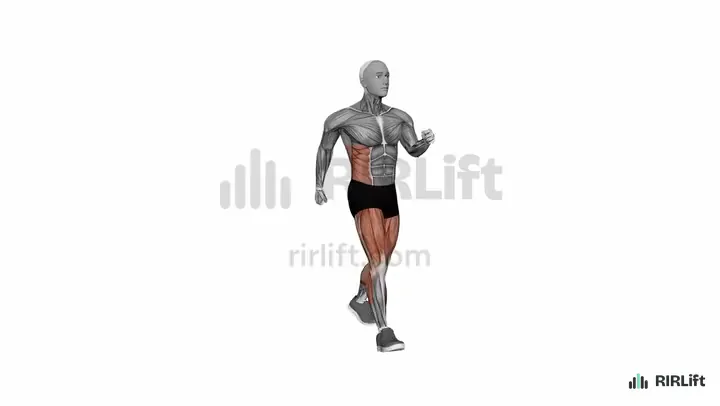
- Brisk Walk Quads, Hamstrings, Glutes, Calves
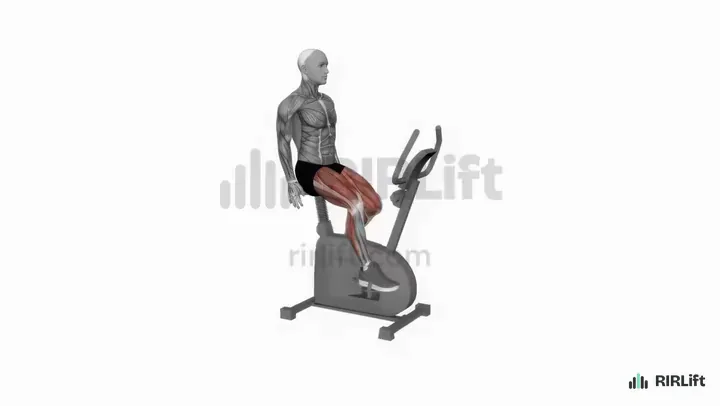
- Stationary Bike Quads, Hamstrings
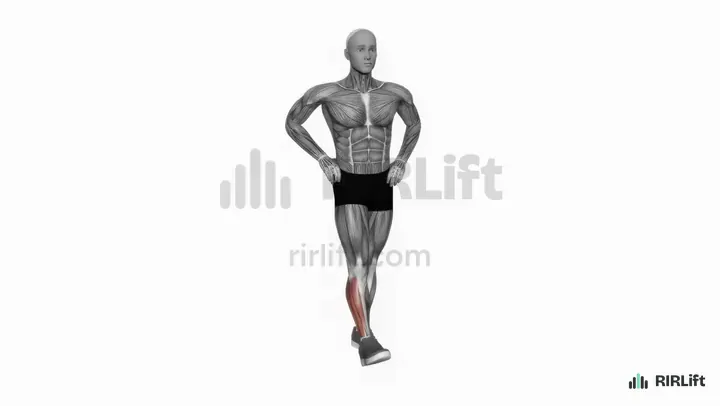
- Ankle Circles Calves
- Arm Circles Shoulders
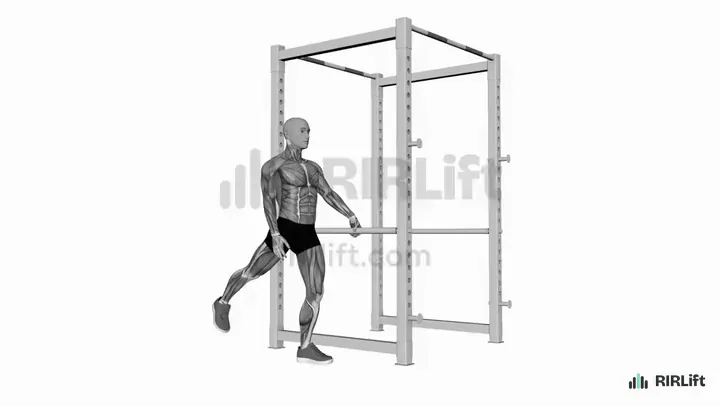
- Leg Swings Hamstrings, Glutes
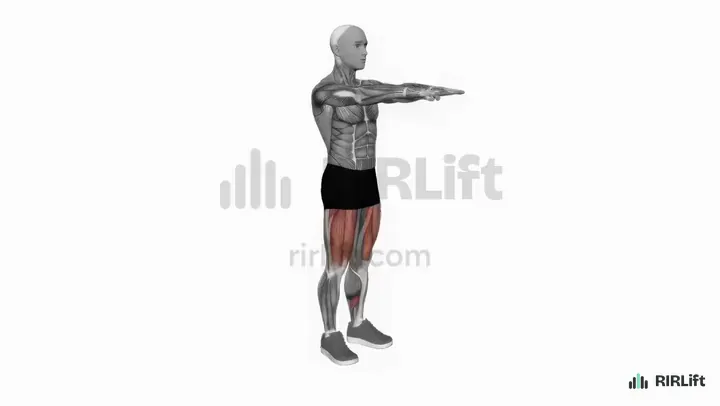
- Bodyweight Squat Quads
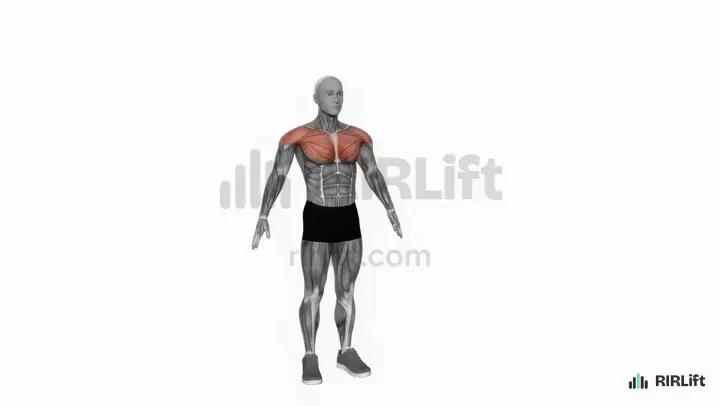
- Incline Push-Up Chest
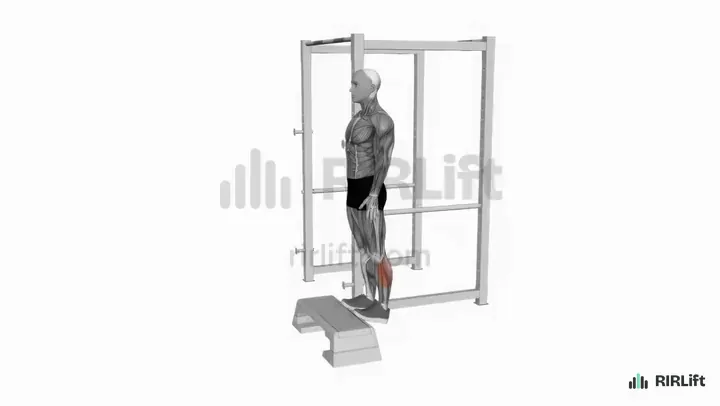
- Standing Calf Raise Calves

Put them together: example sessions
Each session below picks from the exercises above for one situation, with the sets, reps, rest and RIR filled in. Open one in the session builder to change a pick, price it from a recent set, and add it to RIRLift.
-
Session 1
Before a walk or light activity
You are about to go for a longer walk, garden, or play with grandchildren.
5× a week · 40 sets a week · ~10 min
-
Session 2
Before a strength session
You lift weights two or three times a week at home or in a gym.
2× a week · 24 sets a week · ~20 min
-
Session 3
Stiff joints in the morning
You wake up stiff and want to move before the day starts.
7× a week · 42 sets a week · ~10 min
Session 1
Before a walk or light activity
- Workouts5× a week
- Working sets40 a week
- Per workout~10 min
- EquipmentBodyweight
You are about to go for a longer walk, garden, or play with grandchildren.
Light activity needs only a short warm-up: an easy walk and joint circles. Everything stays very easy, about 5 reps in reserve.
| Exercise | Sets × reps | RIR | Rest |
|---|---|---|---|
| Ankle CirclesPer direction, each foot. | 1 × 8–10 | 5 | 0 s |
| Arm CirclesSeconds each direction. | 1 × 20 | 5 | 0 s |
| Leg SwingsPer leg. Hold a support. | 1 × 8–10 | 5 | 0 s |
| Brisk WalkSeconds. 5 minutes, start slow. | 5 × 60 | 5 | 0 s |
- How to run it
- Do the circles first while holding a support, then start your walk slowly for the first 5 minutes.
- How to progress
- Once this feels easy, add a set of calf raises.
Session 2
Before a strength session
- Workouts2× a week
- Working sets24 a week
- Per workout~20 min
- EquipmentExercise Bike, Standing Calf Raise, Dumbbells
You lift weights two or three times a week at home or in a gym.
Strength training works well at 2 to 3 reps in reserve for most older lifters. The warm-up covers each joint, then ramp-up sets of the goblet squat get you to your working weight.
| Exercise | Sets × reps | RIR | Rest |
|---|---|---|---|
| Stationary BikeSeconds. Easy. | 5 × 60 | 5 | 0 s |
| Ankle CirclesPer direction, each foot. | 1 × 8 | 5 | 0 s |
| Arm CirclesSeconds each direction. | 1 × 20 | 5 | 0 s |
| Incline Push-UpCounter height. | 1 × 8–10 | 4 | 30 s |
| Standing Calf RaiseHold a support. | 1 × 10–12 | 4 | 30 s |
| Goblet Squat2 warm-up sets firstWorking sets after ramp-up. | 3 × 8–12 | 3 | 2 min |
- How to run it
- Bike 5 minutes, do the circles, one set each of the activation moves, then the goblet squat warm-up sets before working sets.
- How to progress
- When all working sets reach the top of the rep range with 2 or 3 reps to spare, use the next dumbbell up.
Session 3
Stiff joints in the morning
- Workouts7× a week
- Working sets42 a week
- Per workout~10 min
- EquipmentDumbbells, Standing Calf Raise
You wake up stiff and want to move before the day starts.
Morning stiffness eases with gentle repeated movement. This version stays near the floor and the bed: bridges, circles and slow squats to a chair, all very easy.
| Exercise | Sets × reps | RIR | Rest |
|---|---|---|---|
| Single-Leg Glute BridgeBoth feet down to start. | 1 × 6–8 | 5 | 30 s |
| Ankle CirclesPer direction, each foot. | 1 × 8 | 5 | 0 s |
| Arm CirclesSeconds each direction. | 1 × 20 | 5 | 0 s |
| Bodyweight SquatTo a chair seat. | 2 × 6–8 | 5 | 30 s |
| Standing Calf RaiseHold a support. | 1 × 8–10 | 5 | 30 s |
- How to run it
- Do it slowly. Repeat the whole sequence twice if the first round still feels stiff.
- How to progress
- Over a few weeks, add the brisk walk at the end.
Make it fit you
-
Balance is a concern
Do every standing drill holding a counter or a sturdy chair back, and use the bike for the raise.
-
Knees dislike squats
Squat to a higher chair seat and take a little longer on the way down.
-
Seated version
Do the ankle and arm circles from a chair, then pedal the bike.
-
Log how many reps you had left
On strength days, note the reps you had left on each set. RIRLift uses that to choose your next weight, so it only goes up when you are ready.
-
Stretching
Hold gentle stretches after your walk or workout, when you are warm.
Questions
What are good warm up exercises for seniors?
Brisk walking or cycling, ankle circles, arm circles, leg swings with a support, squats to a chair, counter push-ups, calf raises and glute bridges.
How long should a warm up be for seniors?
About 10 minutes, with 5 of them walking or cycling.
Can seniors warm up sitting down?
Yes. Circles and a stationary bike work seated; add standing moves when you feel ready.
Is walking a good warm up?
Yes. Five minutes of easy-to-brisk walking warms you up for almost anything.
What is the best exercise routine for seniors?
A mix of walking and two or three strength sessions a week. Our seniors workout guide below has full plans.
Related templates
-
The best workout for seniors: strength, power and balance
Full strength plans that this warm-up leads into.
-
The best workout for women over 50 (and anyone over 40)
Plans for lifters in midlife.
-
Warm up exercises for walking: a 5-minute routine
A warm-up for longer walks.
-
Warm-up sets
How to climb from an empty bar to your working weight on the first lift.
-
How to use reps in reserve (RIR)
How to judge the light RIR targets on the warm-up blocks and the harder ones on your lifts.