Wall ball alternatives for when you have no ball, wall or ceiling

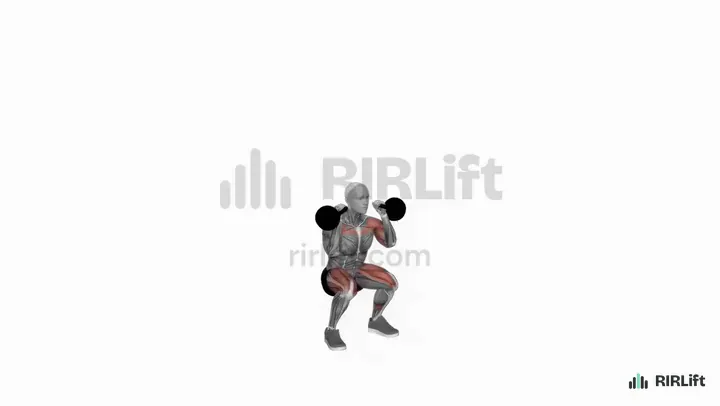
The best wall ball alternative is the kettlebell thruster: a bell at each shoulder, a full squat, and the leg drive carries the bells overhead, the same squat-to-overhead pattern without a ball or wall. With dumbbells, do a dumbbell front squat and a dumbbell push press back to back. If you have a ball but no wall, throw it overhead into open space, and under a low ceiling, slam it into the floor.

What a wall ball alternative has to replace

Squat into a throw, full body

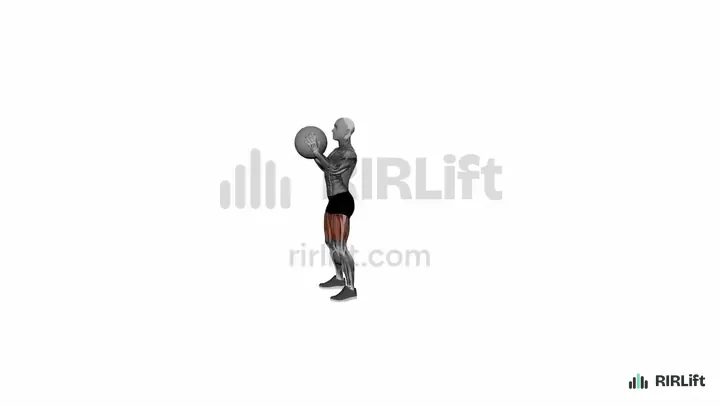
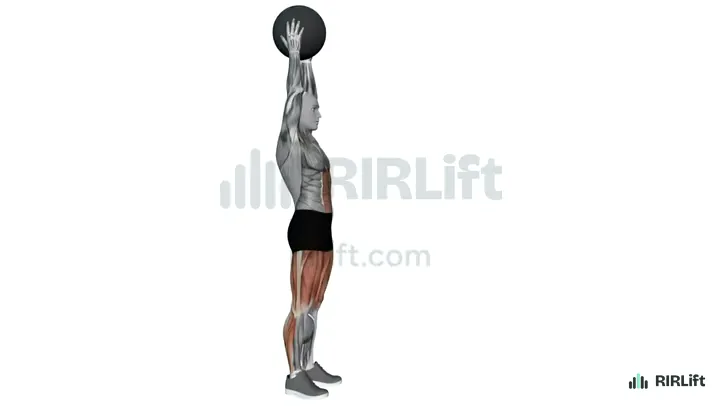
Wall Ball

Quads, Glutes, Shoulders

A front squat with the ball at your chest that turns into an upward throw at a target on the wall. It trains your legs, shoulders and conditioning at once, which is what every swap here tries to keep.

How to do it

  1. Stand an arm's length from the wall, ball held at your chest.
  2. Squat down until your hips are below your knees.
  3. Drive up hard and throw the ball to a target on the wall.
  4. Catch it as it comes down and sink straight into the next squat.
  5. Keep the rhythm even until the set ends.

Cues

  • Squat deep
  • Push the ball from the legs
  • Catch into the squat

Common mistakes

  • Throwing before you stand: the legs push the ball, the arms finish.
  • Standing too far from the wall: the ball comes back out of reach.

A wall ball is a front squat with a medicine ball at your chest that turns into an upward throw. Your quads and glutes drive you out of the bottom, your shoulders and triceps finish the throw, and because the reps run fast and long, your heart and lungs work hard too.

A replacement needs three things: a deep squat with the load in front, a hard leg drive into an overhead push, and a pace you can hold for many reps. The thruster does all three; the others below cover one or two, so combine them.

Closest swaps: squat and press

These copy the wall ball's pattern with weights instead of a ball. The thruster does it in one movement; with dumbbells, pair a squat and a push press.

Closest swap: squat straight into a press

Kettlebell Thruster

Quads, Shoulders

A bell racked at each shoulder, a full squat, and the leg drive carries the bells overhead in one motion. It is the same squat-to-overhead pattern as a wall ball, only you press the weight instead of throwing it. Keep the bells moving without pausing at the top to copy the wall ball's rhythm.

How to do it

  1. Clean a bell into each rack, elbows tucked, feet a little wider than your hips.
  2. Squat until your thighs are at least level with the floor, keeping your elbows up.
  3. Drive up out of the squat and let the momentum carry straight into a press to lockout.
  4. Lower the bells to the rack as you drop into the next squat.

Cues

  • Elbows up through the squat
  • Legs start the press, arms finish it
  • Lock out before the next squat

Common mistakes

  • Cutting the squat short to make the press easier: full depth, then press.
  • Pausing at the top and losing the rhythm: the bells go up and come straight down into the next rep.

Dumbbell swap for the drive overhead

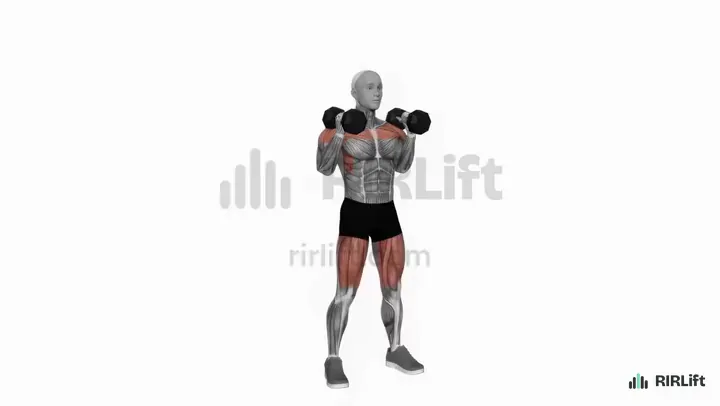
Dumbbell Push Press

Shoulders

A short dip and an explosive push from your legs drives the dumbbells overhead, which is the second half of a wall ball. Pair it with dumbbell front squats to cover the first half, or alternate the two in the same set.

How to do it

  1. Stand with the dumbbells resting at your shoulders and feet about hip-width apart.
  2. Dip by bending your knees a few inches, keeping your torso upright.
  3. Straighten your legs explosively and use that drive to push the dumbbells overhead.
  4. Lower them under control back to your shoulders.

Cues

  • Short dip, straight down
  • Legs start it, arms finish it
  • Biceps by the ears at the top

Common mistakes

  • Dipping so deep it turns into a squat: bend your knees only a few inches, then drive straight up.
  • Leaning back to finish the press: keep your ribs down and push your head through between your arms.

Dumbbell swap for the squat

Dumbbell Front Squat

Quads, Glutes

Dumbbells on your shoulders put the load in front of you like the ball at your chest, so you stay upright through a deep squat. It covers the leg half of a wall ball.

How to do it

  1. Clean or lift both dumbbells onto the front of your shoulders, one end of each resting there, elbows pointing forward.
  2. Stand with your feet a bit wider than your hips and toes turned out slightly.
  3. Sit down between your heels until your hip crease drops to knee height or lower.
  4. Drive the floor away and stand up without letting your elbows drop.

Cues

  • Elbows high, chest proud
  • Knees track over the toes
  • Whole foot on the floor

Common mistakes

  • Letting the elbows sink so the dumbbells pull your chest forward and turn the squat into a lean.
  • Stopping short of parallel because the dumbbells feel awkward. Go lighter until you can reach depth.

One dumbbell, held like the ball

Goblet Squat

Quads, Glutes

Hold one dumbbell at your chest exactly where the ball would be and squat deep. Use it for fast, high-rep sets when you have one weight and no room to throw.

How to do it

  1. Hold one dumbbell vertically at your chest, cupping the top end, with your feet a bit wider than your hips.
  2. Brace your trunk and sit down between your heels, keeping your elbows inside your knees.
  3. Go as deep as you can with a flat back and your heels on the floor.
  4. Stand up by driving through your whole foot, keeping the dumbbell tight to your chest.

Cues

  • Sit between your heels
  • Elbows inside the knees
  • Chest tall all the way

Common mistakes

  • Cutting the depth short: the inner thighs work most in the bottom third.
  • Heels lifting as you go down: widen your stance a little or elevate the heels on a thin plate.

A ball but no wall or high ceiling

If you have a medicine ball or slam ball, you can keep the throw. Throw it overhead in open space, or down into the floor when there is no room above.

Have a ball, no wall

Medicine Ball Overhead Throw

Shoulders, Abs

You still throw the ball as hard as you can, just up and forward into open space instead of at a target. Do it outside or in a large room, and reset between throws.

How to do it

  1. Stand with feet wider than your hips, ball held in both hands.
  2. Swing it down between your knees with a quick hinge.
  3. Drive your hips forward and swing the ball up.
  4. Release it overhead and forward as your body straightens.
  5. Collect the ball and reset before the next throw.

Cues

  • Hips snap first
  • Arms finish the throw
  • Full reset each rep

Common mistakes

  • Squatting the ball up instead of hinging: knees bend only a little.
  • Throwing with tired legs: each rep is a single, all-out effort.

Low ceiling or no wall

Medicine Ball Slam

Lats, Abs

Reach the ball overhead and throw it into the floor. It keeps the fast, full-body effort of a wall ball with no target and no room above you. Use a slam ball that does not bounce back.

How to do it

  1. Hold a slam ball overhead, arms long.
  2. Crunch hard and throw the ball into the floor in front of you.
  3. Bend your knees as it hits.
  4. Pick it up and go again.

Cues

  • Crunch to throw
  • Full reach up
  • Pick up and go

Common mistakes

  • Throwing with your arms only: reach tall, then crunch your trunk down so your whole body drives the ball.
  • Using a bouncy ball: it can rebound into your face, so use a dead-bounce slam ball.

Barbell

A barbell lets you train the wall ball's squat and drive with more load and fewer reps, which builds the strength that makes long sets easier.

Barbell swap for heavier squats

Front Squat

Quads, Glutes, Adductors

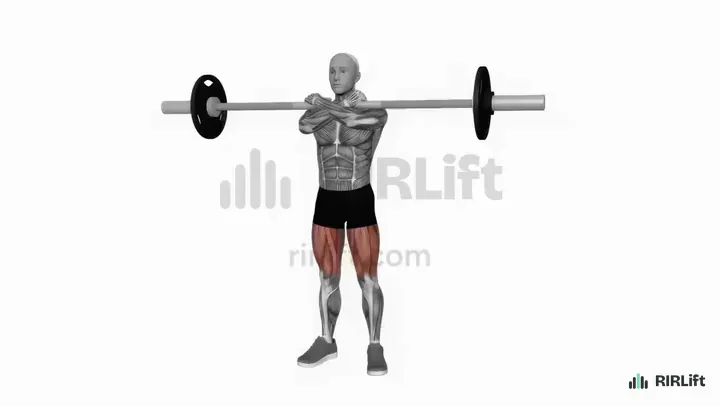
The barbell version of the wall ball's squat: load at the front of your shoulders, torso upright. Use it heavy for lower reps to build the leg strength that makes wall balls feel lighter.

How to do it

  1. Set the bar in a rack at upper-chest height and step under it so it rests on the front of your shoulders, elbows high.
  2. Unrack it, take a step back, and set your feet about shoulder-width apart.
  3. Take a big breath, brace, and squat down with your elbows staying up and your torso upright.
  4. Drive up through your whole foot to standing, breathing out at the top.

Cues

  • Elbows high
  • Brace before you descend
  • Chest stays tall

Common mistakes

  • Elbows dropping as you come up: that lets the bar roll forward.
  • Breathing out at the bottom: hold the brace until you are nearly standing.

Barbell swap for the whole pattern

Barbell Clean and Press

Shoulders, Traps, Glutes

Pull the bar from the floor to your shoulders, then press it overhead. It trains the same legs-then-arms drive with more load, at lower reps than a wall ball.

How to do it

  1. Stand with the bar over your midfoot and grip it just outside your legs.
  2. Pull it from the floor and, as it passes your hips, drive them forward and catch the bar on your front delts.
  3. Press it straight overhead.
  4. Lower it to your shoulders, then to your thighs and the floor.

Cues

  • Pull close
  • Fast elbows in the catch
  • Brace before the press

Common mistakes

  • Reverse-curling the bar to your shoulders: pull it up close and let your hips launch it, then whip your elbows under.
  • Pressing before you are stable in the catch: stand tall and brace for a beat, then press.

One kettlebell or one dumbbell

With a single weight, explosive full-body lifts keep the wall ball's pace and breathing demand.

Hip drive and conditioning

Kettlebell Swing

Glutes, Hamstrings

A hard hip snap that floats the bell to shoulder height, rep after rep. It builds the hip drive and breathing under fatigue that long wall ball sets need, without going overhead.

How to do it

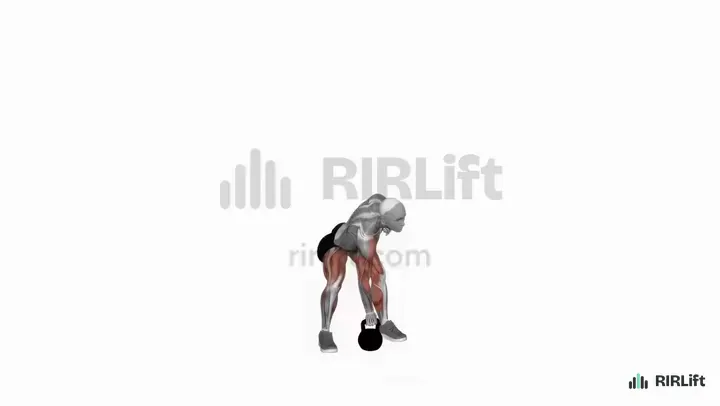
  1. Stand with your feet a little wider than your hips, the bell set about a foot in front of you.
  2. Hinge down, grip the handle with both hands, and hike the bell back between your thighs.
  3. Snap your hips forward to stand tall, letting the bell float up to shoulder height on straight arms.
  4. Let it fall back between your legs as you hinge again, and go straight into the next rep.

Cues

  • Hips snap, arms just hold on
  • Stand tall at the top
  • Bell passes high between the thighs

Common mistakes

  • Squatting the swing by bending the knees deeply: push your hips back and keep the shins nearly vertical.
  • Lifting the bell with your shoulders: if your arms are working, the hips are not driving it.

One kettlebell swap

Kettlebell Clean & Press

Shoulders, Quads

Clean one bell to your shoulder and press it overhead, one side at a time. It covers the drive and the overhead finish of a wall ball with a single kettlebell. Sets are per arm.

How to do it

  1. Stand with the bell on the floor between your feet, hinge, and grab the handle with one hand.
  2. Drive your hips and knees to lift the bell, pulling your elbow back so it travels close to your body instead of swinging out.
  3. As the bell reaches chest height, loosen your grip and let it roll around your wrist into the rack, elbow tucked.
  4. Press to lockout, lower to the rack, then drop the bell back into the next hike.

Cues

  • Bell stays close, elbow back
  • Catch it soft, no bang on the forearm
  • Strict press every rep

Common mistakes

  • Swinging the bell out and letting it crash onto your wrist: the bell should travel up your body, not around it.
  • Pressing before the rack is settled: pause for a beat in the rack, then press.

One dumbbell, floor to overhead

One-Arm Dumbbell Snatch

Shoulders, Glutes

One explosive pull takes the dumbbell from the floor to overhead, so your legs, hips and shoulders all work fast. It is a good conditioning swap when you have a single dumbbell.

How to do it

  1. Stand over one dumbbell with feet a bit wider than your hips and grab it with one hand.
  2. Hinge with a flat back, then explode upward through the hips and knees.
  3. Pull the dumbbell up close to your body and punch it overhead as it rises.
  4. Lower it to your shoulder, then to the floor, and repeat.

Cues

  • Hips do the lifting
  • Keep it close to the body
  • Punch through at the top

Common mistakes

  • Pulling with the arm from the floor: stand up hard through your hips and let the arm just guide the dumbbell.
  • Swinging the dumbbell out in an arc: keep it close and pull your elbow high before punching it up.

Leg work with dumbbells or nothing

When the overhead part is off the table, train the legs that power it. Single-leg work gets them tired fast with little or no weight.

Leg work with dumbbells

Dumbbell Reverse Lunge

Quads, Glutes

It trains the quads and glutes that power the wall ball's squat, one leg at a time, and tires your legs fast at moderate weights. It has no overhead part, so pair it with a push press for the full pattern.

How to do it

  1. Start tall with a dumbbell hanging from each hand and your feet under your hips.
  2. Step one foot back and lower until your back knee is just above the floor and your front thigh is near parallel.
  3. Keep your front heel flat and your chest tall.
  4. Push through your front foot to bring the back foot forward to the start, then alternate or finish all reps on one side.

Cues

  • Front shin stays vertical
  • Back knee kisses the floor
  • Drive through the front heel

Common mistakes

  • Taking a short step so the front knee shoots forward and the heel lifts: step farther back.
  • Letting the torso twist or lean to the side as you tire; keep both dumbbells hanging straight down.

Best swap with no equipment

Skater Squat

Quads, Glutes

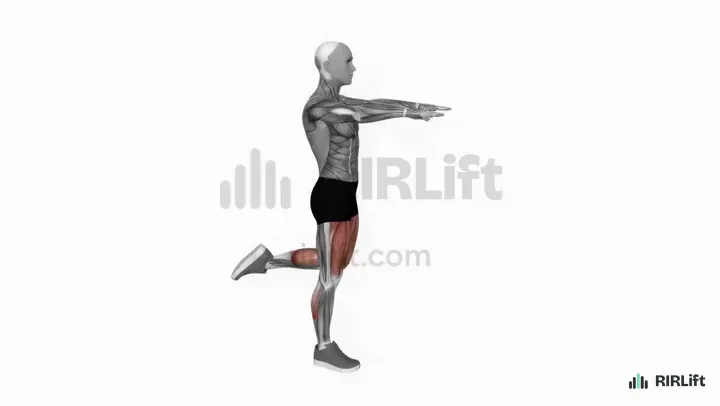
A one-leg squat down to a knee touch, hard enough on bodyweight to train the legs that drive a wall ball. It covers the leg work, not the throw.

How to do it

  1. Stand on one foot and bend the other knee so that foot is behind you, arms straight out in front as a counterweight.
  2. Push your hips back and lean your chest forward as you bend the standing knee.
  3. Lower until the back knee is just above the floor.
  4. Drive through your standing foot to stand tall; sets are per leg.

Cues

  • Arms forward as the counterweight
  • Chest leans, back stays flat
  • Back knee to a folded towel

Common mistakes

  • Only going down a few inches: put a folded towel or cushion where your knee should land and touch it every rep.
  • Letting the standing knee collapse inward: track it over your toes, and slow the lowering if it wobbles.

Example sessions without the wall ball

Session 1

Gym, no wall ball or target

Open in the session builder
  • Workouts2× a week
  • Working sets26 a week
  • Per workout~30 min
  • EquipmentBarbells, Kettlebells, Medicine Ball

You are training for a fitness race or conditioning workouts in a gym that has slam balls and kettlebells but no wall balls or wall target.

Heavy front squats build leg strength first, then kettlebell thrusters copy the wall ball for high reps, ball slams keep the all-out throwing effort, and swings finish the hips and lungs. 13 working sets.

Full body
ExerciseSets × repsRIRRest
Front Squat2 warm-up sets first 3 × 6–8 2 2:30 min
Kettlebell ThrusterUnbroken, steady pace. 4 × 12–20 2 90 s
Medicine Ball Slam 3 × 10–15 1 1 min
Kettlebell Swing 3 × 15–20 2 1 min
How to run it
Run it once or twice a week. Do the thruster sets unbroken at a steady pace, the way you would at a wall ball station.
How to progress
Add 5 lb to the front squat when all sets reach 8 reps. On thrusters, add reps until every set reaches 20, then use heavier bells and start again at 12.

Session 2

Home with a pair of dumbbells

Open in the session builder
  • Workouts2× a week
  • Working sets26 a week
  • Per workout~30 min
  • EquipmentDumbbells

You train at home with two dumbbells and no ball, wall target or high ceiling to throw to.

The dumbbell front squat and push press split the wall ball into its two halves, the snatch adds fast floor-to-overhead work, and reverse lunges finish the legs. Rest is short to keep your heart rate up. 13 working sets.

Full body
ExerciseSets × repsRIRRest
Dumbbell Front Squat1 warm-up set first 4 × 10–15 2 75 s
Dumbbell Push Press 3 × 8–12 2 75 s
One-Arm Dumbbell SnatchSets are per arm. 3 × 8–10 2 1 min
Dumbbell Reverse LungeSets are per leg. 3 × 12–16 1 1 min
How to run it
Two times a week. Do the squats and push presses as a superset if you want it closer to a wall ball set: one set of each, then rest.
How to progress
Add reps until every set reaches the top of its range, then move up a dumbbell. If your dumbbells max out, cut the rest by 15 seconds.

Session 3

One kettlebell and some floor

Open in the session builder
  • Workouts3× a week
  • Working sets30 a week
  • Per workout~25 min
  • EquipmentKettlebells

You have a single kettlebell, a little space, and maybe a low ceiling.

The clean and press covers the drive overhead one arm at a time, swings build hip power and breathing at high reps, and skater squats load your legs with no extra weight. 10 working sets.

Full body
ExerciseSets × repsRIRRest
Kettlebell Clean & PressSets are per arm. 4 × 6–10 2 75 s
Kettlebell Swing 3 × 15–25 2 1 min
Skater SquatSets are per leg. 3 × 6–10 1 1 min
How to run it
Two or three times a week. If the ceiling is too low to press, swap the clean and press for more swings.
How to progress
Add reps first. When all sets reach the top of the range, use a heavier bell for the clean and press and keep the lighter one for swings.

Make it fit you

Questions

What can I do instead of wall balls?

Kettlebell thrusters are the closest swap because they keep the squat-to-overhead pattern. Ball slams, overhead ball throws, or a dumbbell front squat paired with a push press also work.

What can I use in place of a medicine ball?

Kettlebells or dumbbells held at your shoulders. You cannot throw them, so press them overhead out of the squat instead.

Are wall balls a good workout?

Yes. They train your legs, shoulders and conditioning in one movement, which is why they show up in so many conditioning workouts and races.

Can thrusters replace wall balls?

Yes. A thruster uses the same squat and leg drive into an overhead finish. You press the weight instead of throwing it, so there is no catch and you can use a heavier load.

What is a good wall ball alternative at home?

With dumbbells, pair dumbbell front squats with push presses. With one kettlebell, do clean and presses and swings, and with nothing, skater squats for the legs.

What muscles do wall balls work?

Mostly your quads and glutes in the squat, and your shoulders and triceps in the throw. Your trunk works to keep you upright, and the pace taxes your heart and lungs.