
How to warm up for plyometrics
Published October 24, 2026
To warm up for plyometrics, jump rope easily for 3 minutes, then do 10 ankle circles each way per foot, 10 leg swings per leg in both directions, 10 lateral band walk steps each way and 10 single-leg calf raises per side, and finish with 2 sets of 5 low jump squats and 3 easy jumps to a lower box before your first working set. Plan on 10 minutes, and keep every warm-up jump well below your best height.
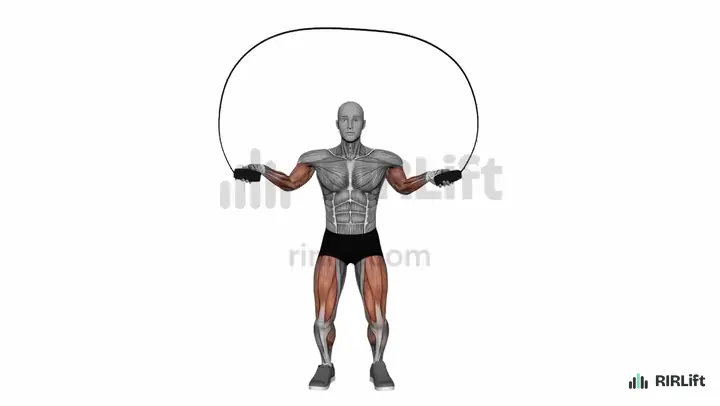
- Jump Rope Calves, Quads
- Ankle Circles Calves
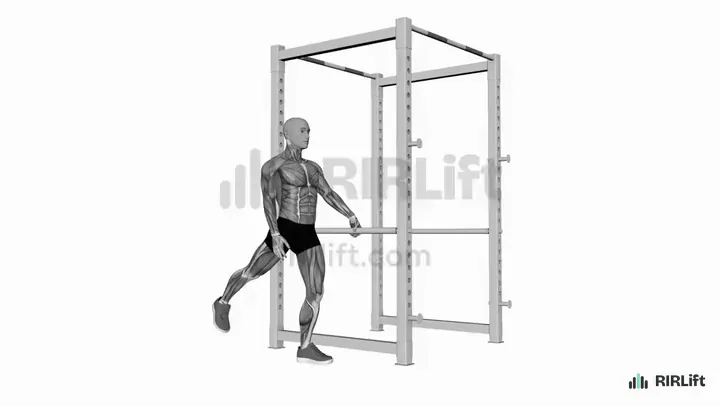
- Leg Swings Hamstrings, Glutes
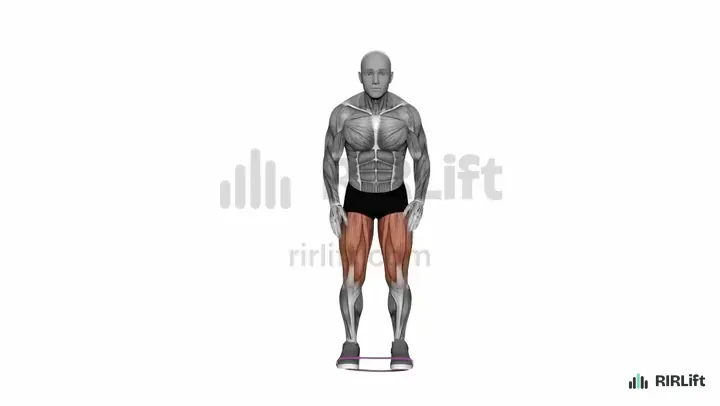
- Lateral Band Walk Abductors
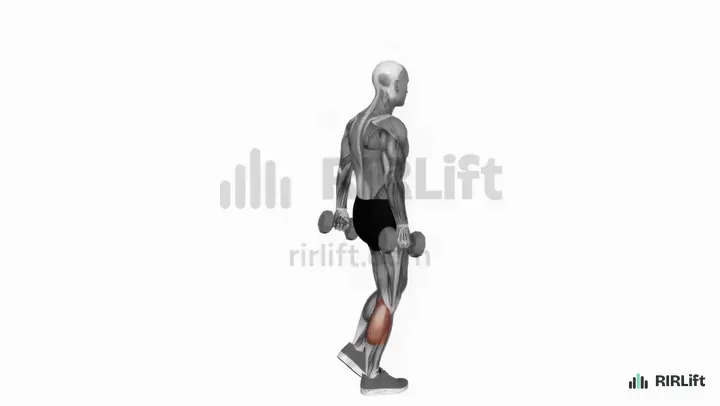
- Single-Leg Calf Raise Calves
- Jump Squat Quads, Glutes
- Box Jump Quads, Glutes, Hamstrings



Put them together: example sessions
Each session below picks from the exercises above for one situation, with the sets, reps, rest and RIR filled in. Open one in the session builder to change a pick, price it from a recent set, and add it to RIRLift.
-
Session 1
Box jump and vertical day
You train box jumps and vertical jumps.
2× a week · 26 sets a week · ~20 min
-
Session 2
Lateral and multi-direction day
You train side-to-side jumps for court or field sports.
2× a week · 20 sets a week · ~20 min
-
Session 3
Broad jump and beginner day
You are new to plyometrics or train forward jumps.
2× a week · 18 sets a week · ~15 min
Session 1
Box jump and vertical day
- Workouts2× a week
- Working sets26 a week
- Per workout~20 min
- EquipmentJump Rope, Plyo Box
You train box jumps and vertical jumps.
Calf raises and low jump squats prepare the jump, and three jumps to a lower box lead into working jumps. Stop each set well before your height drops, around 3 to 4 reps in reserve, since jump quality matters more than volume.
| Exercise | Sets × reps | RIR | Rest |
|---|---|---|---|
| Jump RopeSeconds. Easy pace. | 3 × 60 | 4 | 0 s |
| Ankle CirclesEach direction, per foot. | 1 × 10 | 4 | 0 s |
| Leg SwingsPer leg, each direction. | 1 × 10 | 4 | 0 s |
| Single-Leg Calf RaisePer side. | 1 × 10 | 4 | 0 s |
| Jump SquatHalf effort. | 2 × 5 | 4 | 30 s |
| Box Jump | 5 × 3–5 | 3 | 90 s |
- How to run it
- Full routine, then working box jumps with full rest.
- How to progress
- Raise the box only when every rep lands softly at the current height.
Session 2
Lateral and multi-direction day
- Workouts2× a week
- Working sets20 a week
- Per workout~20 min
- EquipmentJump Rope, Resistance Bands, Plyo Box
You train side-to-side jumps for court or field sports.
Band walks and leg swings prepare the side hips, then low lateral jumps lead into the session. Sets end with 3 to 4 reps left in the tank so each landing stays controlled.
| Exercise | Sets × reps | RIR | Rest |
|---|---|---|---|
| Jump RopeSeconds. | 3 × 60 | 4 | 0 s |
| Leg SwingsPer leg, each direction. | 1 × 10 | 4 | 0 s |
| Lateral Band WalkSteps each way. | 1 × 10 | 4 | 0 s |
| Lateral Box JumpPer side. | 5 × 3–5 | 3 | 90 s |
- How to run it
- Rope, mobility, band walks, then lateral jumps.
- How to progress
- Increase box height or distance when landings are steady.
Session 3
Broad jump and beginner day
- Workouts2× a week
- Working sets18 a week
- Per workout~15 min
- EquipmentJump Rope
You are new to plyometrics or train forward jumps.
Short rope work and a calf set prepare the landings, and half-distance frog jumps build to full effort. Sets end well short of failure.
| Exercise | Sets × reps | RIR | Rest |
|---|---|---|---|
| Jump RopeSeconds. | 2 × 60 | 4 | 0 s |
| Ankle CirclesEach direction, per foot. | 1 × 10 | 4 | 0 s |
| Single-Leg Calf RaisePer side. | 1 × 10 | 4 | 0 s |
| Jump Squat | 1 × 5 | 4 | 30 s |
| Frog Jump | 4 × 3–5 | 3 | 90 s |
- How to run it
- Warm-up, then frog jumps.
- How to progress
- Add a set each week up to 5.
Make it fit you
-
Log your jump sets
Log jump sets with reps in reserve in RIRLift; the next session's targets are picked from what you logged.
-
Plyos before lifting
Do this warm-up first, then your jumps, then your lifts, while you are fresh.
-
No box
Use jump squats and frog jumps only.
-
Runners
Add 2 sets of 10 rope hops on one foot.
-
Stiff ankles
Do two rounds of ankle circles and calf raises.
Questions
How do you warm up for plyometrics?
Easy rope, ankle circles and leg swings, band walks and calf raises, then low jumps building to your working height. About 10 minutes.
How long should you rest between plyometric sets?
Long enough that every rep is fast: often 60 to 120 seconds for box or broad jumps.
Is jumping rope a good plyometric warm-up?
Yes. It trains quick, light contacts at low effort, which is the easiest way into jumping.
What plyometrics are good for distance runners?
Rope hops, low box jumps and frog jumps at modest volume suit runners.
Should I stretch before plyometrics?
Use the moving drills here. Hold static stretches after your session.
Related templates
-
Jump rope warm-up: get ready for the rope, or use it to warm up
More rope drills for warming up.
-
HIIT warm-up exercises that build to full speed
A warm-up for jump-heavy intervals.
-
Warm up for sprints: build from a jog to full speed
Sprint warm-ups with drills and strides.
-
Sprinter workout: track sessions and gym training for sprinters
Strength and jump sessions for speed.