
Warm up for sprints: build from a jog to full speed
Published October 24, 2026
Before sprinting, jog easily for 5 minutes, do about 4 minutes of dynamic mobility (leg swings, walkouts, cossack squats), 2 minutes of activation (band walks and calf raises), 5 minutes of drills and jumps (high knees, butt kicks, skips, fast feet, a few jump squats), then 3 to 4 build-up runs of 30 to 40 meters at about 60, 75, 85 and 95 percent effort. The whole warm-up takes around 20 minutes, and your first hard sprint should come right after the last build-up.
- Running Quads, Hamstrings, Calves
- Leg Swings Hamstrings, Glutes
- Walkout Abs, Shoulders, Chest
- Cossack Squat Quads, Adductors
- Lateral Band Walk Abductors
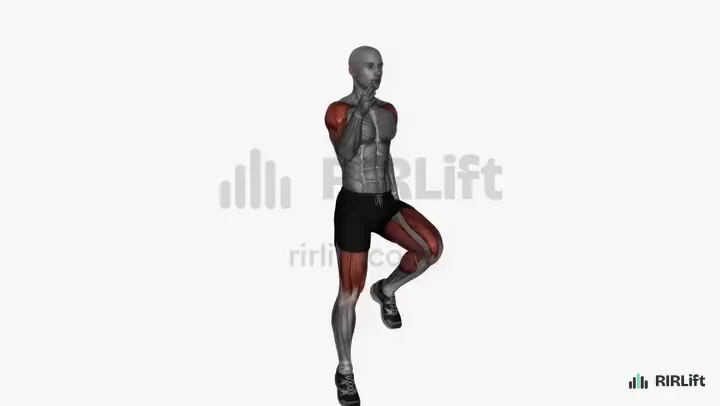
- High Knees Quads
- Skipping in Place Calves, Quads, Hamstrings
- Jump Squat Quads, Glutes
- Single-Leg Jump Quads, Glutes, Calves
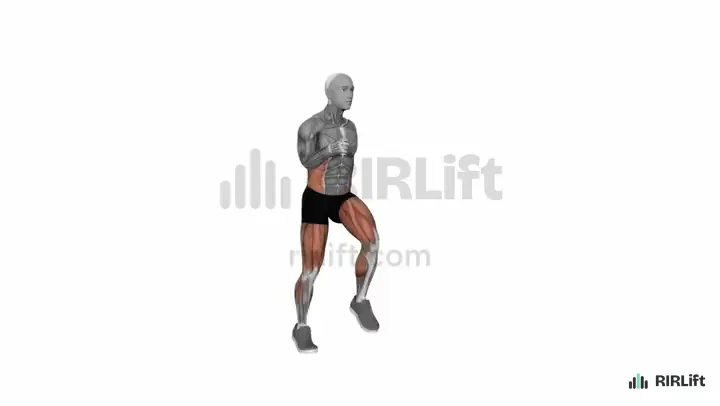
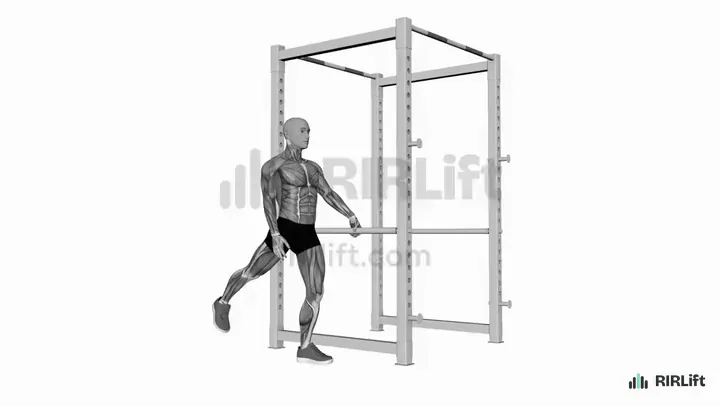
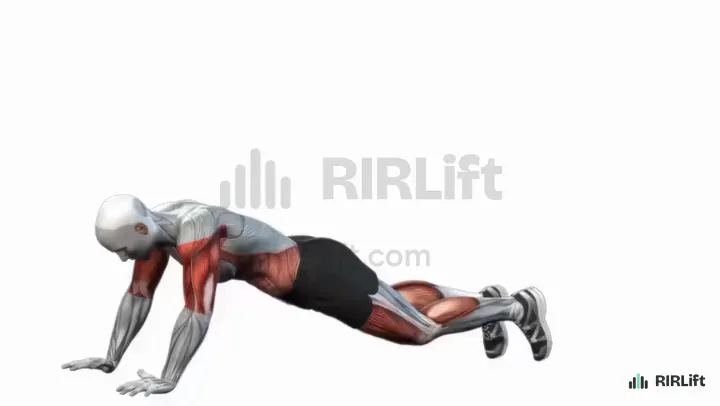

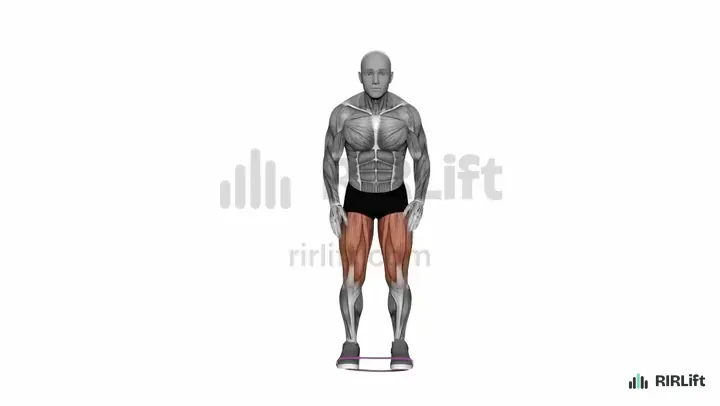



Put them together: example sessions
Each session below picks from the exercises above for one situation, with the sets, reps, rest and RIR filled in. Open one in the session builder to change a pick, price it from a recent set, and add it to RIRLift.
-
Session 1
Acceleration day (10-30 m)
You are training starts and short accelerations.
2× a week · 34 sets a week · ~20 min
-
Session 2
Top speed or flying sprints
You are running flying 20s or 30s, or full 60 to 100 meter efforts.
2× a week · 42 sets a week · ~25 min
-
Session 3
Hill sprints
You are doing short hill sprints, an easier way into sprint training than the flat.
1× a week · 13 sets a week · ~15 min
Session 1
Acceleration day (10-30 m)
- Workouts2× a week
- Working sets34 a week
- Per workout~20 min
- EquipmentResistance Bands
You are training starts and short accelerations.
Short sprints are mostly about pushing hard out of a low position, so this plan leans on jumps and hip work and finishes with build-ups of 20 meters.
| Exercise | Sets × reps | RIR | Rest |
|---|---|---|---|
| RunningSeconds. Easy jog. | 5 × 60 | 4 | 0 s |
| Leg SwingsPer leg, each direction. | 1 × 10 | 4 | 0 s |
| Cossack SquatPer side. | 1 × 6 | 4 | 0 s |
| Lateral Band WalkSteps each way. | 1 × 10 | 4 | 15 s |
| High KneesSeconds. | 2 × 20 | 4 | 0 s |
| Fast FeetSeconds. | 2 × 10 | 4 | 0 s |
| Jump Squat | 2 × 4 | 3 | 30 s |
| RunningSeconds. Build-ups at rising effort, walk back. | 3 × 20 | 2 | 1 min |
- How to run it
- Do the plan, then start your first acceleration within 2 minutes of the last build-up.
- How to progress
- As you get faster, add a fifth build-up rather than more drills.
Session 2
Top speed or flying sprints
- Workouts2× a week
- Working sets42 a week
- Per workout~25 min
- EquipmentStanding Calf Raise
You are running flying 20s or 30s, or full 60 to 100 meter efforts.
Full speed asks the most of your hamstrings, so this version gets the full drill sequence, single-leg jumps, and four build-ups climbing to near maximum.
| Exercise | Sets × reps | RIR | Rest |
|---|---|---|---|
| RunningSeconds. Easy jog. | 6 × 60 | 4 | 0 s |
| Leg SwingsPer leg, each direction. | 1 × 10 | 4 | 0 s |
| Walkout | 1 × 5 | 4 | 0 s |
| Cossack SquatPer side. | 1 × 6 | 4 | 0 s |
| Standing Calf Raise | 1 × 10 | 4 | 15 s |
| High KneesSeconds. | 2 × 20 | 4 | 0 s |
| Butt KicksSeconds. | 2 × 20 | 4 | 0 s |
| Skipping in PlaceSeconds. | 2 × 20 | 4 | 0 s |
| Single-Leg JumpPer leg. | 1 × 4 | 3 | 30 s |
| RunningSeconds. Build-ups toward top speed. | 4 × 30 | 1 | 90 s |
- How to run it
- Walk back fully between build-ups and start your first sprint within a few minutes.
- How to progress
- Keep the plan the same; let the sprints themselves get faster.
Session 3
Hill sprints
- Workouts1× a week
- Working sets13 a week
- Per workout~15 min
- EquipmentBodyweight
You are doing short hill sprints, an easier way into sprint training than the flat.
A hill naturally shortens your stride and slows top speed, so less drill work is needed. A jog, mobility, two drills and build-ups up the hill finish the job.
| Exercise | Sets × reps | RIR | Rest |
|---|---|---|---|
| RunningSeconds. Easy jog. | 5 × 60 | 4 | 0 s |
| Walkout | 1 × 5 | 4 | 0 s |
| Leg SwingsPer leg, each direction. | 1 × 10 | 4 | 0 s |
| Skipping in PlaceSeconds. | 2 × 20 | 4 | 0 s |
| High KneesSeconds. | 1 × 20 | 4 | 0 s |
| RunningSeconds. Build-ups up the hill. | 3 × 15 | 2 | 1 min |
- How to run it
- Jog to the hill, do the mobility at the bottom, and make your build-ups up the slope.
- How to progress
- Add one sprint per week before you make the hill steeper.
Make it fit you
-
Cold day
Add 5 minutes to the jog and keep a layer on until the build-ups.
-
Hamstrings feel tight
Add another round of leg swings and walkouts, and make your build-ups more gradual.
-
Sprinting on a treadmill
Use short build-ups on the belt and keep the drills on the floor beside it.
-
Sprints before lifting
Sprint first, then lift: your sprint warm-up also warms you up for the gym.
-
Lifting in the same week
Log your strength sets with reps in reserve in RIRLift so each next weight is picked from your effort, and keep leg lifts at 2 or 3 RIR on sprint weeks.
Questions
How to warm up for sprints?
Jog 5 minutes, do dynamic mobility for the hips and hamstrings, a short set of glute and calf work, drills like high knees and skips, a few jumps, then 3 to 4 build-up runs toward full speed.
How long should you warm up before sprinting?
About 15 to 25 minutes. Sprinting is the fastest running you do, so the warm-up builds gradually.
How to warm up for a 100m sprint?
Run the full routine, then two or three practice starts or build-ups at race intensity, finishing 5 to 10 minutes before the race.
Should you lift before or after sprinting?
Sprint first, while you are fresh, then lift. Sprinting tired makes the sprints slower.
Do I need to stretch before sprinting?
Move instead of holding: leg swings, walkouts and cossack squats prepare the hamstrings for sprinting better than long static holds.
Related templates
-
Track warm up: a team routine for practice and meet day
Team routines for practice and meets.
-
How to warm up for plyometrics
More jump-focused preparation.
-
Warm up for running: a 10-minute pre-run routine
The easy-run version.
-
Hamstring activation exercises: a 9-minute routine before RDLs, sprints or leg day
More hamstring primers.
-
The best strength workout for runners, built around your training
Strength to go with your sprinting.