
BJJ warm up exercises: a 10-minute routine before class or rolling
Published October 24, 2026
A BJJ warm up takes about 10 minutes: 3 minutes of easy cardio (jumping jacks, a rower or a bike), then 3 minutes of floor mobility (bear crawls, spider planks, cossack squats), then 2 minutes of activation for the hips and trunk (single-leg glute bridges, dead bugs, side planks), and a final 2 minutes of grappling-style movement like sprawls and shoulder taps. It warms you up without the hard, tiring drills many classes open with.
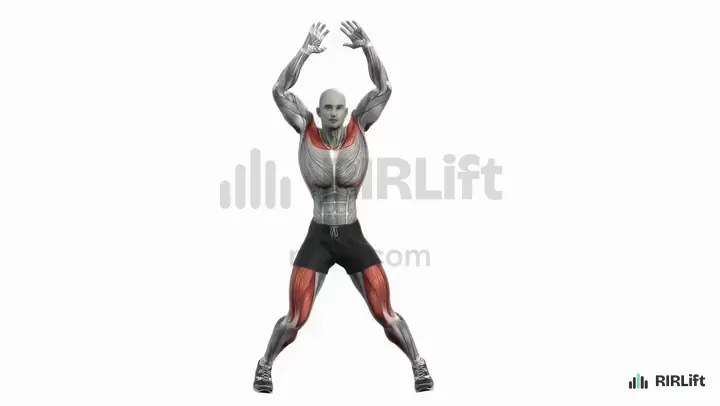
- Jumping Jack Calves, Quads
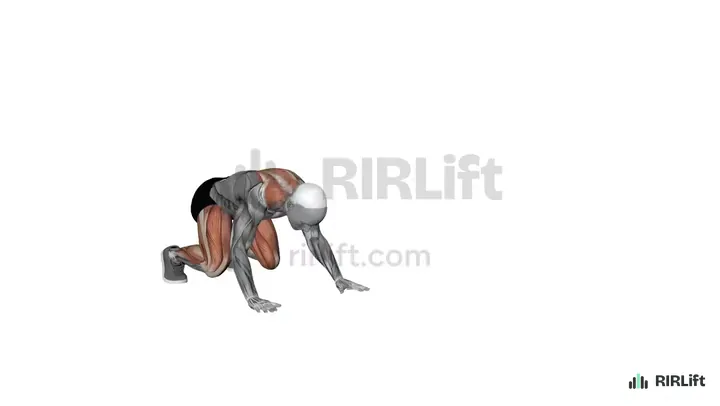
- Bear Crawl Abs, Shoulders
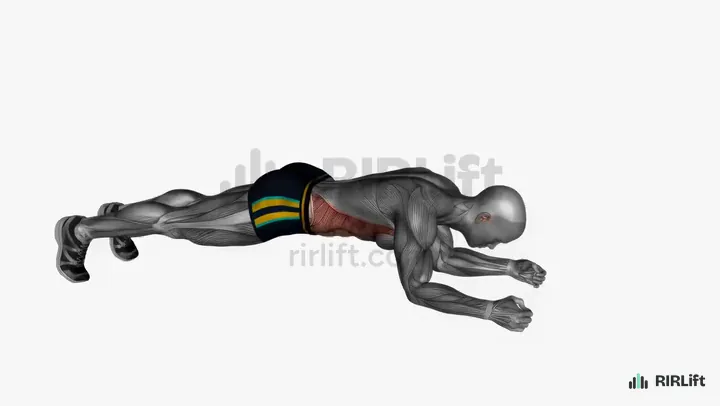
- Spider Plank Abs
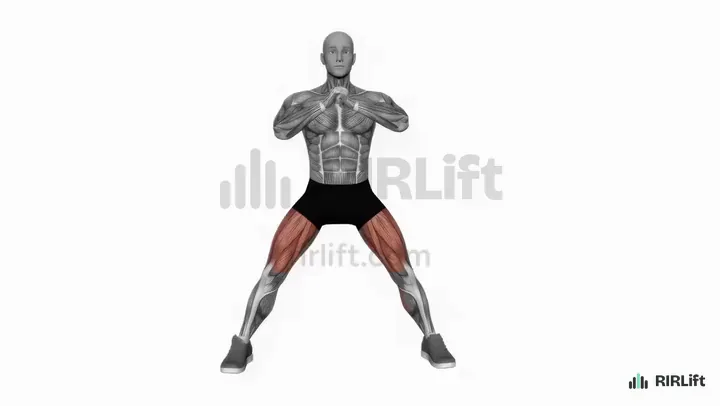
- Cossack Squat Quads, Adductors
- Single-Leg Glute Bridge Glutes
- Dead Bug Abs
- Side Plank Abs
- Half Burpee Quads, Abs, Shoulders
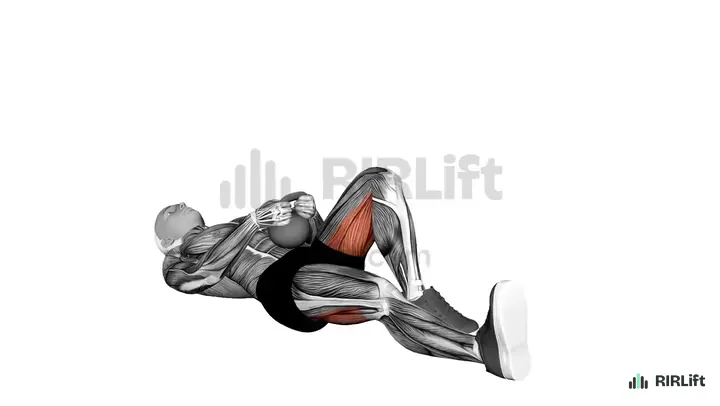
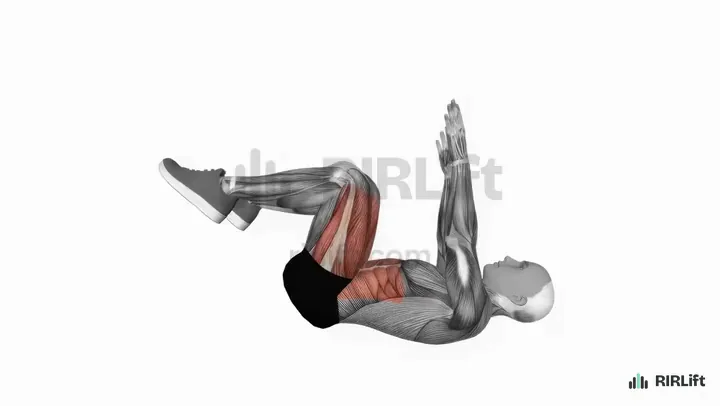
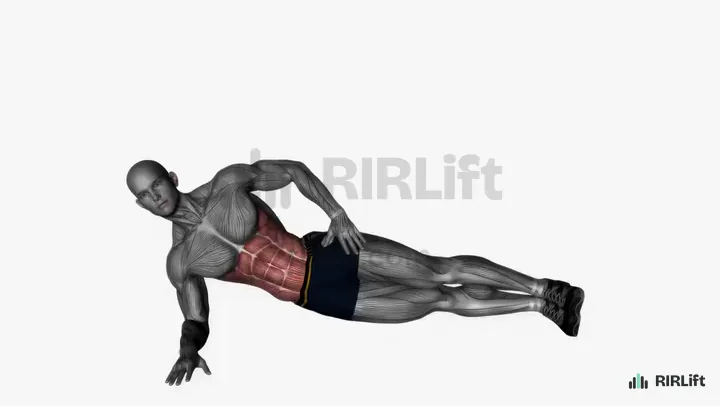
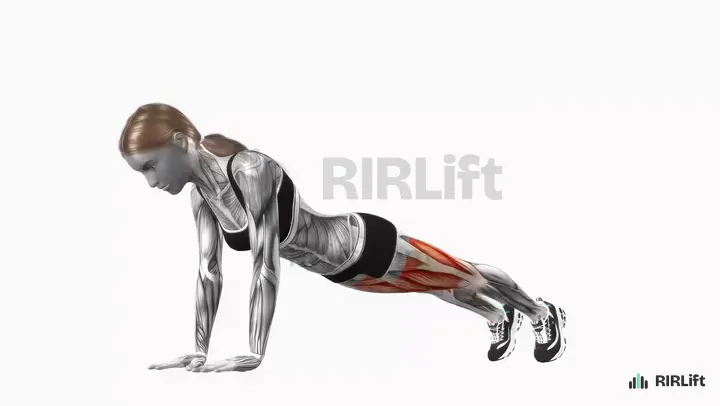
Put them together: example sessions
Each session below picks from the exercises above for one situation, with the sets, reps, rest and RIR filled in. Open one in the session builder to change a pick, price it from a recent set, and add it to RIRLift.
-
Session 1
Before class on your own
You arrive 10 minutes early and want to be warm before the class warm-up or drilling.
3× a week · 33 sets a week · ~15 min
-
Session 2
Competition day
You are waiting to be called to the mat at a tournament.
1× a week · 9 sets a week · ~10 min
-
Session 3
Open mat after a gym row warm-up
You come from the gym floor, or you want a longer warm-up before an open mat with lots of rolls.
1× a week · 12 sets a week · ~15 min
Session 1
Before class on your own
- Workouts3× a week
- Working sets33 a week
- Per workout~15 min
- EquipmentDumbbells
You arrive 10 minutes early and want to be warm before the class warm-up or drilling.
Many classes open with hard drills or go straight to technique. This gets you ready at 3 to 5 reps in reserve and leaves your energy for rolling.
| Exercise | Sets × reps | RIR | Rest |
|---|---|---|---|
| Jumping JackSeconds. | 3 × 45–60 | 5 | 15 s |
| Bear CrawlSeconds. | 2 × 20–30 | 4 | 15 s |
| Spider PlankPer side. | 1 × 6–8 | 4 | 15 s |
| Cossack SquatPer side. | 1 × 6 | 4 | 15 s |
| Single-Leg Glute BridgePer side. | 1 × 8–10 | 4 | 15 s |
| Dead BugPer side. | 1 × 8 | 4 | 15 s |
| Half Burpee | 2 × 6 | 3 | 20 s |
- How to run it
- Run it top to bottom with only the time it takes to switch exercises. Finish within a few minutes of class starting.
- How to progress
- Keep the time fixed. Add a second round of the activation block on days you feel stiff.
Session 2
Competition day
- Workouts1× a week
- Working sets9 a week
- Per workout~10 min
- EquipmentDumbbells
You are waiting to be called to the mat at a tournament.
At a competition you may wait a long time between matches. A shorter, faster warm-up that you can repeat keeps you ready. Effort stays well short of tiring.
| Exercise | Sets × reps | RIR | Rest |
|---|---|---|---|
| Jumping JackSeconds. | 2 × 60 | 5 | 15 s |
| Cossack SquatPer side. | 1 × 5 | 4 | 15 s |
| Side PlankSeconds per side. | 1 × 15–20 | 4 | 15 s |
| Single-Leg Glute BridgePer side. | 1 × 6 | 4 | 15 s |
| Half BurpeeFast. | 3 × 5 | 3 | 20 s |
| Plank Shoulder TapPer side. | 1 × 10 | 3 | 15 s |
- How to run it
- Start about 15 minutes before your match. Repeat the jacks and sprawls every 10 minutes if your bracket is late.
- How to progress
- Use the same order at every event so it becomes automatic.
Session 3
Open mat after a gym row warm-up
- Workouts1× a week
- Working sets12 a week
- Per workout~15 min
- EquipmentRowing Machine
You come from the gym floor, or you want a longer warm-up before an open mat with lots of rolls.
With more rolls ahead, you have time for the rower and a full floor block. It still finishes at 3 reps in reserve or more.
| Exercise | Sets × reps | RIR | Rest |
|---|---|---|---|
| Rowing MachineSeconds. Easy pace. | 4 × 60 | 5 | 0 s |
| Bear CrawlSeconds. | 2 × 30 | 4 | 15 s |
| Spider PlankPer side. | 1 × 8 | 4 | 15 s |
| Dead BugPer side. | 1 × 8–10 | 4 | 15 s |
| Side PlankSeconds per side. | 1 × 20 | 4 | 15 s |
| Plank Shoulder TapPer side. | 1 × 10 | 3 | 15 s |
| Half Burpee | 2 × 6 | 3 | 20 s |
- How to run it
- Row 4 minutes, then do the floor and activation blocks once, then shoulder taps and sprawls.
- How to progress
- Over weeks, row the last minute a bit faster rather than adding time.
Make it fit you
-
Neck feels stiff
Skip anything that loads the neck in the warm-up and let the class's technique drilling warm it gently.
-
Very little space
Do the spider planks and shoulder taps in place instead of crawling.
-
Lifting for BJJ too
Note how many reps you had left on each working set. In RIRLift, that number sets your next weight, so your lifting adjusts to how hard training was that week.
-
Hips feel tight
Do two sets of cossack squats and spider planks, with a pause in each deep position.
-
Long held stretches
Do them after class, when you are already warm and want to settle down.
Questions
What are good BJJ warm up exercises?
Jumping jacks or a rower, bear crawls, spider planks, cossack squats, single-leg glute bridges, dead bugs, side planks, sprawls and shoulder taps.
How long should a BJJ warm up be?
About 10 minutes on your own. If class has its own warm-up, you can trim yours to 5.
What to do before a BJJ tournament?
Do the short competition version about 15 minutes before your match, and repeat the cardio and sprawls if you wait longer than expected.
What stretches are good for jiu jitsu?
Before training, moving drills like cossack squats and spider planks. Save long held stretches for after.
Should the warm-up make me tired?
No. You should feel warm and loose, not worn out, before the first roll.
Related templates
-
Exercises for BJJ: grip, bridging, frames and conditioning for jiu jitsu
Strength work for grappling once you are warm.
-
Wrestling warm up: a 12-minute routine for practice and matches
A warm-up built around takedowns and sprawls.
-
Exercises for wrestlers: leg drive, grip, neck and trunk
More grappling strength work.
-
How to use reps in reserve (RIR)
How to judge the light RIR targets on the warm-up blocks and the harder ones on your lifts.