
Exercises for wrestlers: leg drive, grip, neck and trunk
Published October 24, 2026
The best exercises for wrestlers are the Zercher squat and barbell split squat for leg drive, kettlebell swings and medicine ball slams for hip power, chin-ups and barbell rows for pulling, farmer's walks and dead hangs for grip, neck curls and extensions for the neck, ab wheel rollouts and hanging leg raises for the trunk, and sled pushes for drive and conditioning. A wrestling workout opens with a power exercise, moves to one heavy leg lift and one pull, adds a press, and ends with grip and neck, with sets stopping 1 to 3 reps short of failure so you can still wrestle hard.
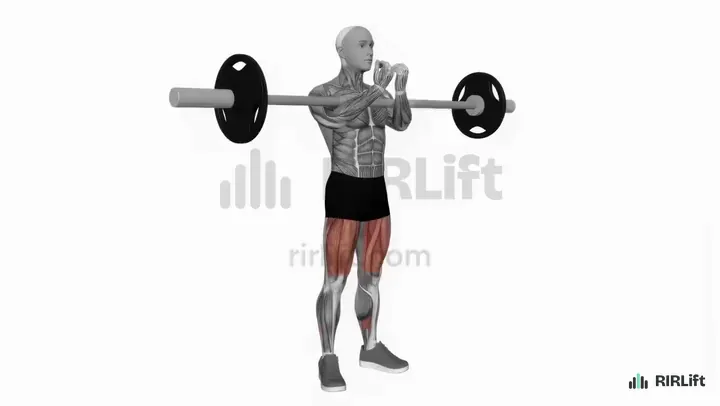
- Zercher Squat Quads, Glutes
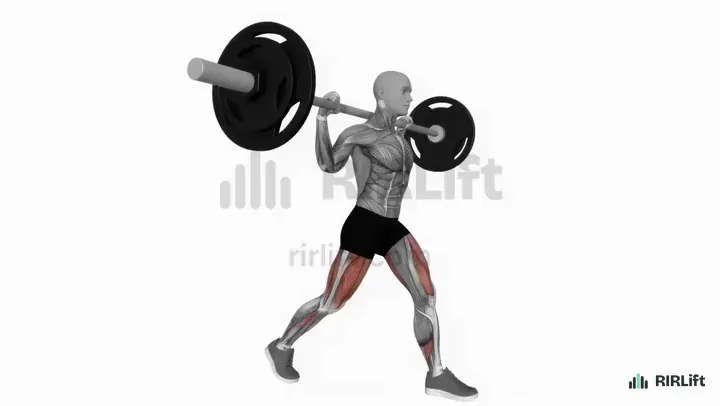
- Barbell Split Squat Quads, Glutes
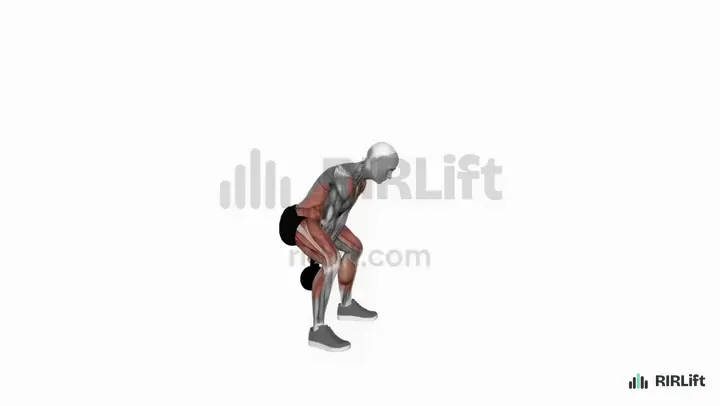
- Kettlebell Swing Glutes, Hamstrings
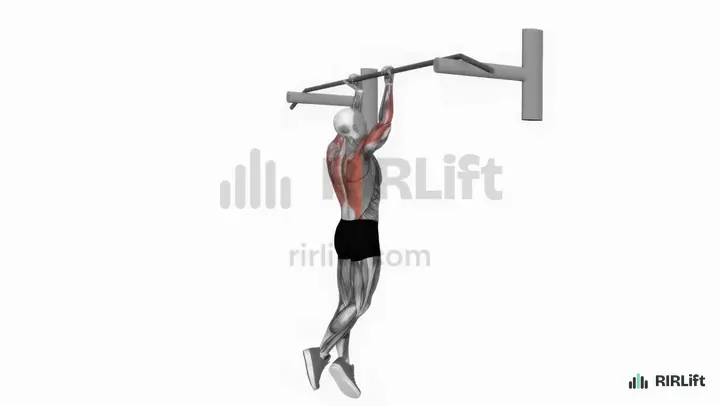
- Chin-Up Lats
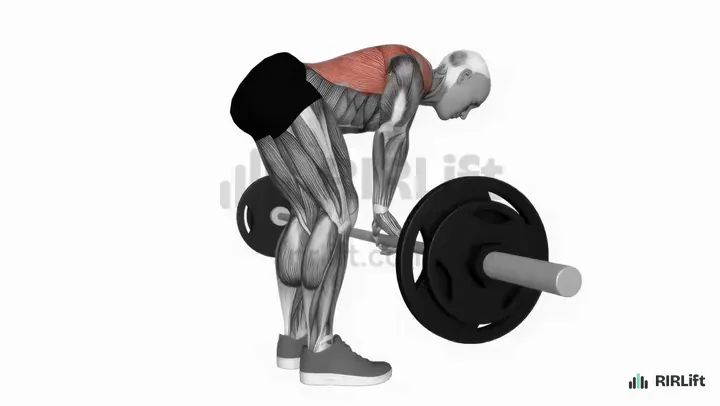
- Barbell Row Upper Back, Lats
- Farmer's Walk Forearms, Traps, Shoulders
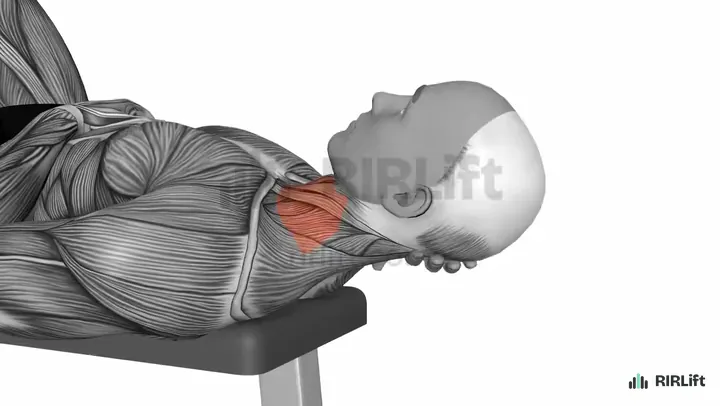
- Lying Neck Curl Neck
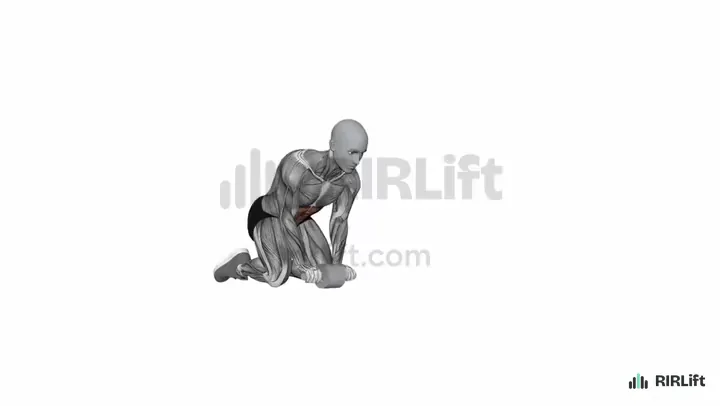
- Ab Wheel Rollout Abs
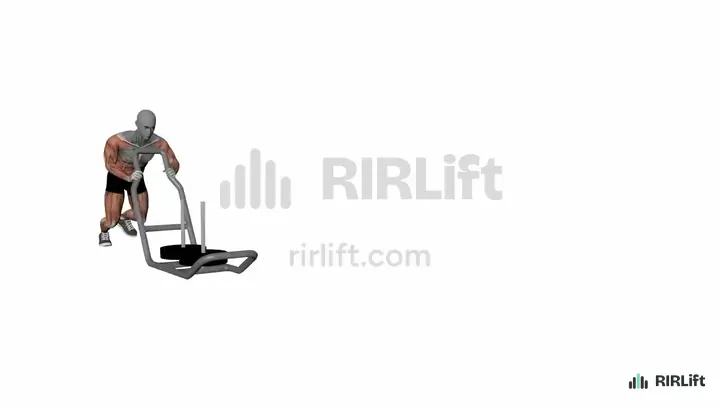
- Sled Push Quads, Glutes

Put them together: example sessions
Each session below picks from the exercises above for one situation, with the sets, reps, rest and RIR filled in. Open one in the session builder to change a pick, price it from a recent set, and add it to RIRLift.
-
Session 1
Off-season, 3 days a week
Your season is over, you still drill or roll a couple of times a week, and you want to come back stronger at the same weight class.
3× a week · 60 sets a week · ~50 min
-
Session 2
In-season, 2 short sessions
You are in season with practice most days and matches weekly, often cutting weight, and want to stay strong without dragging into the weekend.
2× a week · 22 sets a week · ~30 min
-
Session 3
Youth or first-year wrestler
You are new to lifting, maybe a high school wrestler in your first year, and want a simple program to build a base before adding barbell lifts.
2× a week · 32 sets a week · ~35 min
Session 1
Off-season, 3 days a week
- Workouts3× a week
- Working sets60 a week
- Per workout~50 min
- EquipmentKettlebells, Barbells, Pull-Up Bar, Dumbbells +3
Your season is over, you still drill or roll a couple of times a week, and you want to come back stronger at the same weight class.
Three sessions build the most strength while mat time is low. The heavy lifts stop 2 reps short of failure so the quality stays high, and accessories at 1 to 2. Power work goes first in each session, neck and grip at the end. Two sessions rotate so each lift is trained about every five days, and each stays near 20 working sets so you can still wrestle on your off days.
| Exercise | Sets × reps | RIR | Rest |
|---|---|---|---|
| Kettlebell Swing | 3 × 8–10 | 3 | 1 min |
| Zercher Squat2 warm-up sets first | 4 × 4–6 | 2 | 3 min |
| Chin-Up | 4 × 5–8 | 2 | 2 min |
| Dumbbell Floor Press | 3 × 6–10 | 2 | 90 s |
| Farmer's WalkSeconds. | 3 × 30–40 | 2 | 90 s |
| Lying Neck Curl | 2 × 15–20 | 3 | 45 s |
Open Day A in the session builder
| Exercise | Sets × reps | RIR | Rest |
|---|---|---|---|
| Medicine Ball Slam | 3 × 5–6 | 3 | 1 min |
| Barbell Split SquatPer leg. | 3 × 6–8 | 2 | 2 min |
| Barbell Row | 4 × 6–10 | 2 | 90 s |
| Ab Wheel Rollout | 3 × 6–12 | 2 | 1 min |
| Dead HangSeconds. | 2 × 30–45 | 1 | 1 min |
| Lying Neck Extension | 2 × 15–20 | 3 | 45 s |
| Sled PushSeconds per push. | 4 × 15–20 | 2 | 90 s |
Open Day B in the session builder
- How to run it
- Alternate Day A and Day B on three nonconsecutive days, A-B-A then B-A-B. Wrestle on the days between, not right before a heavy leg day.
- How to progress
- Add weight when every set reaches the top of its range at the target reps in reserve: 5 to 10 pounds on the barbell lifts, the next dumbbell or kettlebell up on the rest. Add 5 seconds to each neck set before adding weight.
Session 2
In-season, 2 short sessions
- Workouts2× a week
- Working sets22 a week
- Per workout~30 min
- EquipmentBarbells, Pull-Up Bar, Dumbbells, Kettlebells
You are in season with practice most days and matches weekly, often cutting weight, and want to stay strong without dragging into the weekend.
Practice already supplies the conditioning and grip work, and a weight cut limits recovery, so each in-season session is short: one leg lift, one pull, one push and the neck, with every set 2 to 3 reps short of failure. Two different sessions keep the movements varied without adding volume, at about 11 working sets each.
| Exercise | Sets × reps | RIR | Rest |
|---|---|---|---|
| Zercher Squat2 warm-up sets first | 3 × 3–5 | 3 | 3 min |
| Chin-Up | 3 × 4–6 | 2 | 2 min |
| Dumbbell Floor Press | 2 × 6–8 | 3 | 90 s |
| Lying Neck Curl | 2 × 15–20 | 3 | 45 s |
| Lying Neck Extension | 1 × 15–20 | 3 | 45 s |
Open Session 1 in the session builder
| Exercise | Sets × reps | RIR | Rest |
|---|---|---|---|
| Kettlebell Swing | 3 × 6–8 | 3 | 1 min |
| Barbell Split SquatPer leg. | 2 × 5–6 | 3 | 2 min |
| Barbell Row | 3 × 6–8 | 2 | 90 s |
| Hanging Leg Raise | 2 × 8–12 | 2 | 1 min |
| Lying Neck Extension | 1 × 15–20 | 3 | 45 s |
Open Session 2 in the session builder
- How to run it
- Lift twice a week, with the second session at least two days before a match. In a week with two match days, do only Session 1.
- How to progress
- Aim to hold your end-of-off-season weights. If they feel easier at the same reps in reserve, add a little; on a hard cut, keep the weight and drop a set from each exercise.
Session 3
Youth or first-year wrestler
- Workouts2× a week
- Working sets32 a week
- Per workout~35 min
- EquipmentKettlebells, Barbells, Pull-Up Bar, Dumbbells
You are new to lifting, maybe a high school wrestler in your first year, and want a simple program to build a base before adding barbell lifts.
Beginners gain strength quickly from simple movements done consistently. This session swaps the barbell lifts for movements that are easier to learn, uses sets that stop 2 to 3 reps short of failure so technique stays clean, and introduces neck work with very light loads. It runs about 16 working sets.
| Exercise | Sets × reps | RIR | Rest |
|---|---|---|---|
| Kettlebell Swing | 3 × 10–12 | 3 | 1 min |
| Barbell Split SquatPer leg. Empty bar or light. | 3 × 8–10 | 3 | 90 s |
| Chin-Up | 3 × 3–8 | 2 | 90 s |
| Dumbbell Floor Press | 3 × 8–12 | 2 | 1 min |
| Farmer's WalkSeconds. | 2 × 30 | 2 | 1 min |
| Lying Neck CurlVery light. | 1 × 15–20 | 4 | 45 s |
| Hanging Leg Raise | 1 × 8–12 | 2 | 1 min |
- How to run it
- Twice a week with two or more days between, ideally on lighter practice days.
- How to progress
- Add reps first, then weight once you reach the top of every range. When chin-ups reach 8 clean reps and your swings stay crisp, move to the off-season plan.
Make it fit you
-
Track reps in reserve on every set
Log each set in RIRLift with how many reps you had left. The next weight is picked from it, which matters during a weight cut when the same load can feel very different from week to week.
-
No sled
Replace sled pushes with 20-second sets of kettlebell swings, or push a loaded plate across turf or a mat.
-
Folkstyle vs freestyle and Greco
Greco wrestlers can add a second set of Zercher squats and rows for upper-body lifting strength; folkstyle wrestlers who ride a lot can add an extra chin-up set.
-
Short on time
Do the power exercise, the main leg lift, chin-ups and the neck, and leave the rest for the next session.
-
Home with dumbbells and a bar
Use goblet squats for the Zercher, dumbbell split squats, one-arm rows, floor presses and chin-ups, and hold the carries and hangs as written.
Questions
What exercises are good for wrestling?
A heavy squat such as the Zercher, a split-stance leg lift, hip power from swings or slams, chin-ups and rows for pulling, carries and hangs for grip, neck curls and extensions, and trunk work like rollouts and leg raises.
How many days a week should wrestlers lift?
Three days in the off-season and two short sessions in-season. A weight cut is a reason to shorten sessions, not to stop lifting.
Should wrestlers lift heavy?
Yes, for the main leg and pulling lifts, in sets of 3 to 8 reps that stop 2 short of failure. Heavy, low-rep work builds strength without adding much bodyweight, which suits a weight-class sport.
Does wrestling change your body?
Wrestling builds a strong grip, thick neck and back, and good conditioning. Lifting adds strength on top of that, and keeping reps low and volume moderate helps you get stronger at the same weight.
How do I strengthen my neck for wrestling?
Start with light lying neck curls and extensions for 15 to 20 slow reps, two sets each, twice a week. Add time or a little weight only once every rep stays smooth.
Related templates
-
Zercher squat: how to do it, what it works, and why people use it
Setup and comfort tips for the main leg lift in these workouts.
-
Farmer's walk: how to do it, what it works, and what to swap it for
How to load and progress carries for grip strength.
-
Chin ups: form, muscles worked and the best alternatives
Grip, range and progressions from your first chin-up to weighted sets.
-
Kettlebell swing: how to do it, what it works, and what to swap it for
Hinge technique for the hip power exercise used throughout.
-
How to use reps in reserve (RIR)
How to judge the reps in reserve targets when practice has worn you down.