Exercises for BJJ: grip, bridging, frames and conditioning for jiu jitsu

The best exercises for BJJ are pull-ups, one-arm rows and dead hangs for grip and pulling; trap bar and Romanian deadlifts, glute bridges and kettlebell swings for hip extension and bridging; zercher and Bulgarian split squats with the Copenhagen plank for legs and adductors; and Turkish get-ups, bottoms-up presses and dead bugs for shoulder frames and trunk control. Two full-body gym sessions a week, one hinge-and-pull day and one squat-and-press day, stopping 1 to 3 reps short of failure, fit around three or four classes without leaving you flat on the mat.

  1. Pull-Up Lats
  2. Trap Bar Deadlift Quads, Glutes
  3. Romanian Deadlift Hamstrings, Glutes
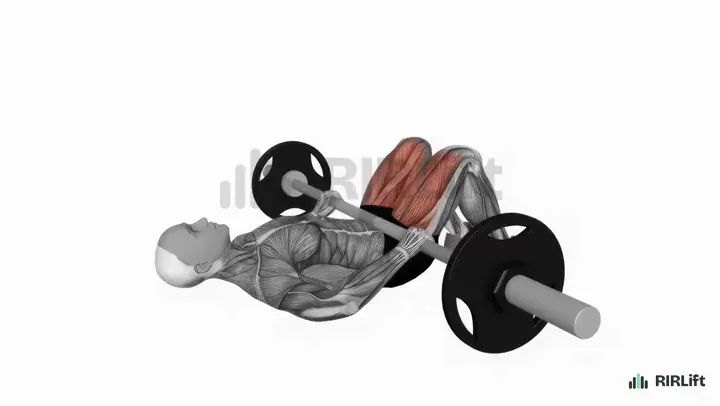
  4. Glute Bridge Glutes
  5. Zercher Squat Quads, Glutes
  6. Bulgarian Split Squat Quads, Glutes
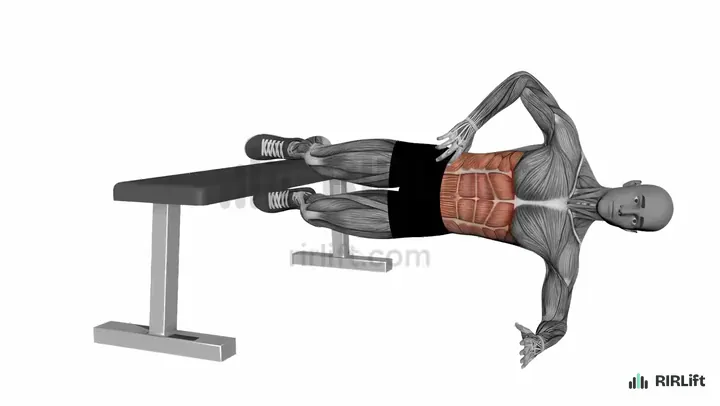
  7. Copenhagen Plank Adductors, Abs
  8. Kettlebell Turkish Get-Up Shoulders, Abs
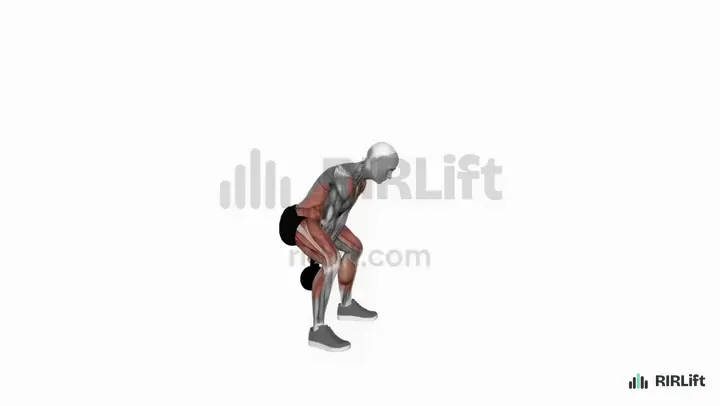
  9. Kettlebell Swing Glutes, Hamstrings
Grip and pulling strength

Jiu jitsu is a pulling sport: you break posture, pull into guard, hold collars and drag people to the back. Train one vertical pull and one row each week, and add grip work that copies long squeezes rather than single heavy holds.

Pulling strength for grips and back takes

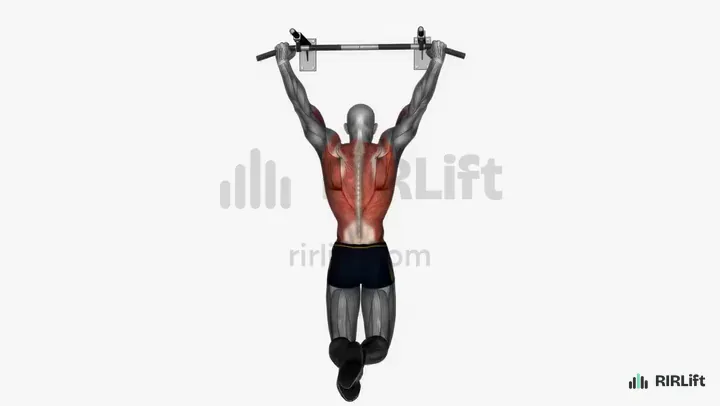
Pull-Up

Lats

Pulling an opponent into your guard, breaking posture and finishing a back take all come down to strong lats and a grip that does not open. Pull-ups train both at once with nothing but a bar.

How to do it

  1. Hang from a bar with an overhand grip a bit outside shoulder width.
  2. Draw your shoulder blades down to start.
  3. Pull your elbows down to your ribs until your chin passes the bar.
  4. Lower to a full hang under control.

Cues

  • Shoulders away from ears
  • Chest up to the bar
  • Dead hang between reps

Common mistakes

  • Kipping to finish reps: stop the set when the strict reps end.
  • Cutting the bottom short: straight arms on every rep.

Swap for: Chin-Up, Lat Pulldown

Build a session with Pull-Up

Rowing strength, one side at a time

One-Arm Dumbbell Row

Lats, Upper Back

Most grips on the mat are one-handed, and the one-arm row trains each side to pull hard without help from the other. A bench supports your trunk so you can load it heavy.

How to do it

  1. Put one hand and the same-side knee on a flat bench, back flat.
  2. Hold the dumbbell in the other hand with the arm long.
  3. Row it to your hip, driving the elbow back close to your side.
  4. Lower to a full stretch and repeat; finish the side, then switch.

Cues

  • Elbow to back pocket
  • Shoulders level
  • Squeeze the handle hard

Common mistakes

  • Twisting your torso to lift more: keep the chest square to the floor.
  • Short reps: let the shoulder blade reach forward at the bottom.

Swap for: Dumbbell Lawnmower Row, Seated Cable Row

Grip endurance

Dead Hang

Forearms

Gi grips and collar ties are long squeezes, not single efforts. Hanging from a bar for time builds that kind of grip endurance and decompresses your shoulders after a session of being pressed into the mat.

How to do it

  1. Take an overhand grip on a pull-up bar, about shoulder-width apart.
  2. Lift your feet so you hang with straight arms.
  3. Keep your shoulders engaged just enough that they do not shrug up to your ears.
  4. Hang for the set time, then step down.

Cues

  • Squeeze like it is a collar
  • Breathe slowly
  • Ribs down, body still

Common mistakes

  • Letting the shoulders sag completely: keep a light pull to hold them in place.
  • Swinging: hang still so the grip does all the work.

Swap for: Farmer's Walk, Pull-Up

Build a session with Dead Hang

Crushing grip and trunk under load

Farmer's Walk

Forearms, Traps, Shoulders

Carrying heavy dumbbells builds a crushing grip and a trunk that stays upright while you move, which is how it feels to stay heavy in top position. It is simple to load up week after week.

How to do it

  1. Lift one dumbbell per hand from the floor with a flat back.
  2. Stand tall with shoulders pulled back.
  3. Walk with short, controlled steps for the set time.
  4. Squat to set the weights down.

Cues

  • Crush the handles
  • Tall posture
  • Even steps

Common mistakes

  • Leaning to one side: shoulders stay level.
  • Rushing: walk at a steady pace you can control.

Swap for: Dumbbell Suitcase Carry, Dead Hang

Hip extension and bridging

Escapes from bottom, standing in guard and lifting a partner all come from the hips. A heavy hinge builds raw strength, the bridge trains the exact upa motion, and swings add speed and endurance to the same pattern.

Hip and leg strength

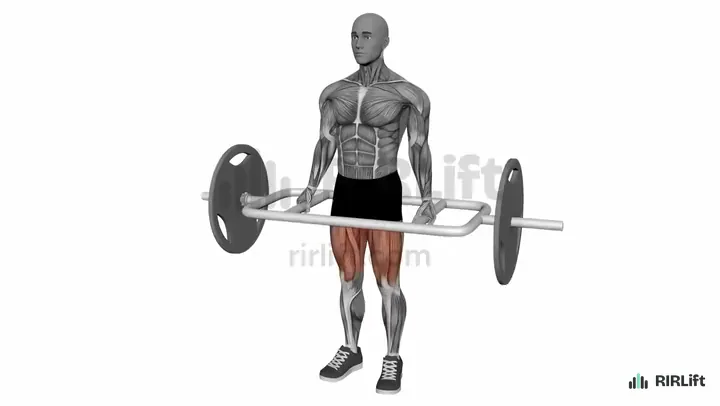
Trap Bar Deadlift

Quads, Glutes

The trap bar deadlift builds the hips, legs and back that lift a partner off the mat, stand up in guard and drive through a takedown. Its upright position is easier on a back that already gets bent in every direction during rolls.

How to do it

  1. Step inside the trap bar and grip the handles.
  2. Sit the hips down until your back is flat and your shins lean slightly forward.
  3. Drive through the floor to stand up straight.
  4. Lower under control, keeping the bar centered.

Cues

  • Push the floor away
  • Long spine
  • Lock out with the glutes

Common mistakes

  • Hips rising faster than shoulders: push with the legs.
  • Overarching at the top: stand tall and stop.

Swap for: Barbell Deadlift, Kettlebell Deadlift

Hamstrings and hip extension

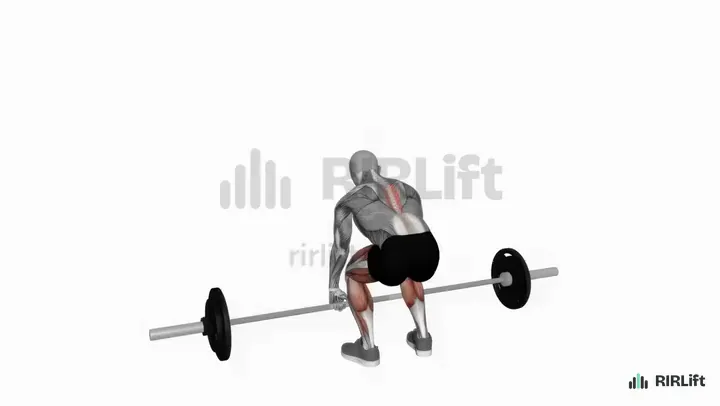
Romanian Deadlift

Hamstrings, Glutes

The Romanian deadlift loads the hamstrings and glutes through a long stretch, the same hip extension that powers bridges, posture in closed guard and hip escapes. It also teaches you to brace a long spine under load.

How to do it

  1. Stand holding a barbell at your hips with an overhand grip.
  2. Soften your knees and push your hips back, letting the bar slide down your thighs.
  3. Stop when you feel a strong stretch in your hamstrings, usually just below the knees.
  4. Bring your hips through to stand tall again.

Cues

  • Hips back, not down
  • Bar stays on your legs
  • Long spine the whole way

Common mistakes

  • Rounding the back to reach lower: stop where your hamstrings stop you.
  • Turning it into a squat: keep the knee bend small and fixed.

Swap for: Dumbbell Romanian Deadlift, Single-Leg RDL

Bridging power

Glute Bridge

Glutes

Bridging is how you escape mount and create space from the bottom, and the barbell glute bridge trains that exact hip drive with a load you can increase. It is the most direct gym copy of an upa.

How to do it

  1. Sit on the floor with a padded barbell over your hips, knees bent, soles flat.
  2. Hold the bar steady and press your upper back lightly into the floor.
  3. Press your heels down and raise your hips until your body is straight from shoulders to knees.
  4. Pause, then lower your hips to just above the floor.

Cues

  • Drive through the heels
  • Squeeze hard at the top
  • Chin tucked

Common mistakes

  • Arching the lower back to get higher: finish with the glutes, ribs down.
  • Feet too far away: set them so your shins are vertical at the top.

Swap for: Hip Thrust, Single-Leg Glute Bridge

Explosive hips and conditioning

Kettlebell Swing

Glutes, Hamstrings
Swings train fast hip extension and the grip and breathing of a hard scramble. Sets of 10 to 20 reps make them a strength-endurance finisher that does not beat up your knees.

How to do it

  1. Stand with feet a bit wider than hip-width, the bell sitting a foot ahead of you.
  2. Hinge to grab it and hike it back between your legs.
  3. Snap your hips forward so the bell floats to chest height.
  4. Let it fall back between your legs and hinge into the next rep.

Cues

  • Hike, then snap
  • Arms are ropes
  • Plank at the top

Common mistakes

  • Squatting the swing: the hips go back, the knees bend only a little.
  • Lifting with the arms: the hip snap moves the bell.

Swap for: Dumbbell Romanian Deadlift, Dumbbell Swing

Legs, base and adductors

Strong legs keep your base when you are pushed and drive your takedowns. The zercher squat holds the load like a body in front of you, the split squat builds each leg alone, and the Copenhagen plank trains the inner thighs that squeeze in guard.

Squat strength with a front load

Zercher Squat

Quads, Glutes

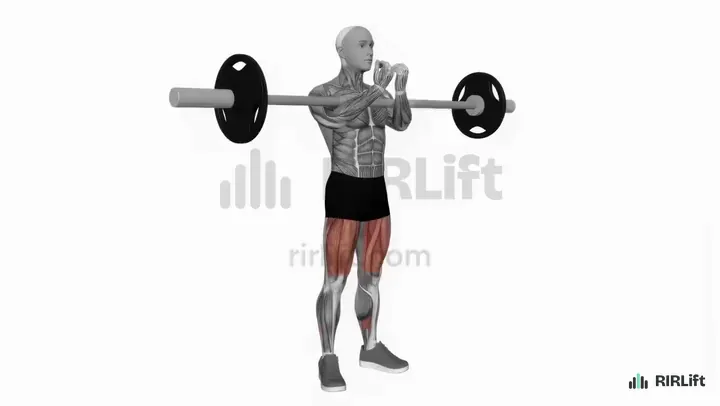
Carrying the bar in the crooks of your elbows mimics holding a body in front of you, so the zercher squat trains legs, upper back and biceps together. It is a squat built for grapplers.

How to do it

  1. Set the bar in a rack around waist height and hook it in the crooks of your elbows, hands together.
  2. Stand up with the bar held tight to your body and step back.
  3. Squat down between your knees, keeping your chest up.
  4. Stand back up while holding the bar close.

Cues

  • Hug the bar to you
  • Elbows stay up
  • Sit between your heels

Common mistakes

  • Letting the bar drift away from your body: hold it tight to your torso.
  • Rounding the upper back: lighten the load until you can stay tall.

Swap for: Goblet Squat, Front Squat

Single-leg strength for shots and base

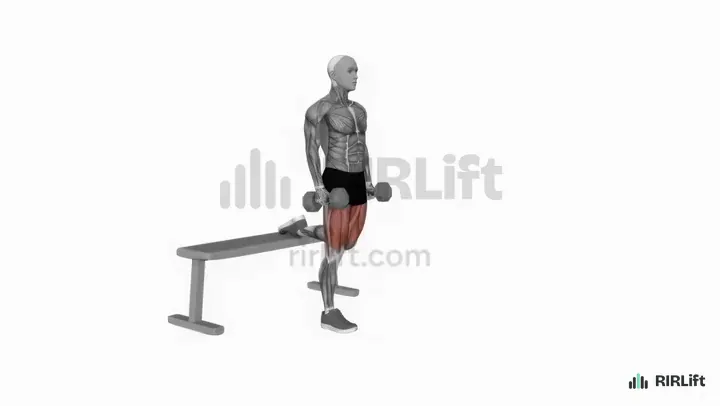
Bulgarian Split Squat

Quads, Glutes

Takedowns, sweeps and standing up in base happen in a split stance. The Bulgarian split squat builds each leg on its own and stretches the hip flexor of the back leg at the same time.

How to do it

  1. Stand about two feet ahead of a bench and rest one foot on it behind you, laces down.
  2. Hold one dumbbell per hand.
  3. Lower straight down until your back knee nearly reaches the floor.
  4. Drive up through the front foot. Finish the side, then switch.

Cues

  • Front foot flat
  • Straight down
  • Control the bottom

Common mistakes

  • Front foot too close: move it out until the heel stays down.
  • Pushing off the back foot: it only balances you.

Swap for: Dumbbell Split Squat, Dumbbell Reverse Lunge

Adductor strength for guard and knee lines

Copenhagen Plank

Adductors, Abs

The inner thighs squeeze in closed guard, hold triangles and pinch in top position. The Copenhagen plank trains them hard with body weight, a muscle group most lifting programs skip.

How to do it

  1. Lie on your side with your forearm under your shoulder and your top leg resting on a bench.
  2. Rest the inside of your top leg's knee or ankle on the bench, bottom leg underneath.
  3. Lift your hips until your body is a straight line, held up by the top leg.
  4. Hold for the set time, then lower and switch sides.

Cues

  • Squeeze the bench down
  • Hips high and stacked
  • Long body line

Common mistakes

  • Letting the hips sag: shorten the lever by putting your knee on the bench.
  • Rolling forward: stack your hips one above the other.

Swap for: Side Plank, Hip Adduction Machine

Shoulder frames and trunk control

Frames only work if the shoulder stays locked while the trunk turns and the legs move. These three train stability more than size, so use moderate weights and slow control.

Shoulder stability and getting up from the floor

Kettlebell Turkish Get-Up

Shoulders, Abs

The get-up takes you from lying down to standing while you hold a weight overhead, a slow copy of standing up in base while your shoulder stays locked. It builds the stable shoulder that frames and posts rely on.

How to do it

  1. Lie on your back with a kettlebell pressed up over your shoulder in one hand, same-side knee bent.
  2. Roll to your elbow, then your hand, keeping your eyes on the bell.
  3. Bridge your hips up, sweep your other leg under you to a kneel, then stand up.
  4. Reverse every step slowly to return to the floor, then switch sides.

Cues

  • Eyes on the bell
  • Arm vertical and locked
  • Slow, one step at a time

Common mistakes

  • Letting the arm drift forward: keep it stacked over the shoulder.
  • Rushing the transitions: each step should be a pause you could hold.

Swap for: Kettlebell Bottoms-Up Press, Dumbbell Single-Arm Overhead Carry

Shoulder control for frames

Kettlebell Bottoms-Up Press

Shoulders

Pressing a kettlebell upside down forces your grip and the small shoulder muscles to work hard to keep the bell steady. It builds the frames that keep a heavy opponent off you without needing heavy weight.

How to do it

  1. Stand holding a kettlebell upside down by the handle at shoulder height, bell pointing up.
  2. Squeeze the handle hard and brace your trunk.
  3. Press the bell straight overhead without letting it tip.
  4. Lower it back to the shoulder slowly, still balanced.

Cues

  • Crush the handle
  • Wrist straight
  • Slow and steady

Common mistakes

  • Gripping too lightly so the bell tips: squeeze harder before you press.
  • Leaning back to finish: keep your ribs down.

Swap for: Single-Arm Dumbbell Shoulder Press, Landmine Press

Trunk control

Dead Bug

Abs

Holding your lower back down while arms and legs move apart trains the trunk to stay connected as your limbs fight, which is what guard retention and frames demand. It is a low-cost core drill for any session.

How to do it

  1. Lie on your back with arms pointing to the ceiling and knees bent over your hips.
  2. Press your lower back flat into the floor.
  3. Slowly reach one arm overhead and the opposite leg out long.
  4. Return and switch sides without letting the back lift.

Cues

  • Low back glued down
  • Move slowly
  • Breathe out as you reach

Common mistakes

  • Arching as the leg goes out: shorten the reach.
  • Moving fast: two to three seconds per reach.

Swap for: Plank, Pallof Press

Build a session with Dead Bug

Conditioning for rounds

Rolling itself is the best conditioning for rolling, so gym conditioning stays short. Intervals on an air bike match the work-and-pause rhythm of a round when you need extra gas before a competition.

Round-length conditioning

Air Bike

Quads, Hamstrings, Glutes

Rolls are bursts of hard work with short pauses, and intervals on an air bike copy that pattern without any impact. The arms and legs both work, so it challenges your breathing the way a scramble does.

How to do it

  1. Set the seat so your knee is slightly bent at the bottom of the pedal stroke.
  2. Grab the handles and start pedaling at an easy pace to warm up.
  3. For each interval, work the handles and drive the pedals as hard as you can.
  4. Ease off for the rest period, then go again.

Cues

  • Arms and legs together
  • Hard means hard
  • Recover with easy pedaling

Common mistakes

  • Starting too hard and fading by half time: hold a pace you can keep for the whole interval.
  • Skipping the easy pedaling: keep moving during rest.

Swap for: Rowing Machine, Kettlebell Swing

Build a session with Air Bike

Put them together: example sessions

Each session below picks from the exercises above for one situation, with the sets, reps, rest and RIR filled in. Open one in the session builder to change a pick, price it from a recent set, and add it to RIRLift.

Session 1

Two gym days next to three or four classes

Open in the session builder
  • Workouts2× a week
  • Working sets31 a week
  • Per workout~50 min
  • EquipmentTrap Bar, Pull-Up Bar, Dumbbells, Barbells +1

You train three or four classes a week, no competition in the next couple of months, and you want to get stronger.

With no event on the calendar, this is when strength actually gets built, so the main lifts go to 1 to 2 reps in reserve with long rest. Two full-body days cover every pattern once heavy, and the grip and trunk work sits at the end where it cannot spoil the main lifts. Day 1 has 16 working sets and Day 2 has 15, about 60 minutes each.

Day 1: Hinge and pull
ExerciseSets × repsRIRRest
Trap Bar Deadlift2 warm-up sets first 4 × 3–6 2 3 min
Pull-Up 4 × 5–8 1 2:30 min
Bulgarian Split SquatPer leg. 3 × 8–10 2 90 s
Glute BridgePause 1 s at the top. 3 × 8–12 1 90 s
Dead HangSeconds per hang. 2 × 30–60 1 90 s

Open Day 1: Hinge and pull in the session builder

Day 2: Squat and press
ExerciseSets × repsRIRRest
Zercher Squat2 warm-up sets first 4 × 5–8 2 3 min
One-Arm Dumbbell RowPer arm. 3 × 8–12 1 90 s
Kettlebell Bottoms-Up PressPer arm. 3 × 6–8 2 90 s
Copenhagen PlankSeconds per side. 3 × 15–30 2 1 min
Kettlebell Swing 2 × 15–20 3 90 s

Open Day 2: Squat and press in the session builder

How to run it
Lift on days without class, or at least several hours before training. Keep a day between the two sessions. If a hard sparring night leaves your grip shot, do the session but skip the dead hang.
How to progress
Add weight to the main lifts when every set reaches the top of the rep range at the target reps in reserve. For the dead hang and Copenhagen plank, add 5 seconds per set until you reach the top of the range, then hold a light dumbbell or extend the lever.

Session 2

Competition in the next six to eight weeks

Open in the session builder
  • Workouts2× a week
  • Working sets25 a week
  • Per workout~35 min
  • EquipmentTrap Bar, Pull-Up Bar, Barbells, Dumbbells +2

You have a tournament coming up, you are sparring more, and you want to stay strong without dragging into the mats.

Training volume on the mat goes up before a competition, so lifting goes down: two sets per lift at 2 to 3 reps in reserve with shorter rest, enough to hold strength while recovery goes to rolling. A short interval block on the air bike sharpens round-length gas without the joint wear of extra sparring. Each day has 10 to 11 working sets plus the intervals and takes about 40 minutes.

Day 1: Hinge and pull
ExerciseSets × repsRIRRest
Trap Bar Deadlift2 warm-up sets first 2 × 3–5 3 2:30 min
Pull-Up 2 × 5–8 2 2 min
Romanian Deadlift 2 × 6–8 3 90 s
Farmer's WalkSeconds of walking. 3 × 30–40 2 90 s
Dead BugPer side. 2 × 8–10 2 1 min

Open Day 1: Hinge and pull in the session builder

Day 2: Squat, press, gas
ExerciseSets × repsRIRRest
Zercher Squat1 warm-up set first 2 × 4–6 3 2:30 min
One-Arm Dumbbell RowPer arm. 2 × 8–10 2 90 s
Kettlebell Turkish Get-UpPer side. Slow. 2 × 2–3 3 90 s
Glute Bridge 2 × 10–12 2 1 min
Air BikeSeconds hard per interval. 6 × 20–30 1 90 s

Open Day 2: Squat, press, gas in the session builder

How to run it
Lift twice a week as before, but stop the second session at least three days out from the event and skip lifting during competition week. Do the air bike intervals at the end of Day 2.
How to progress
Do not chase new weights. Keep the loads from your last improvement block and aim for crisp reps. The intervals progress by covering a little more distance in the same time.

Session 3

One gym day, heavy mat schedule

Open in the session builder
  • Workouts1× a week
  • Working sets18 a week
  • Per workout~45 min
  • EquipmentTrap Bar, Dumbbells, Kettlebells, Barbells +1

You train jiu jitsu five or more times a week and only have room for one strength session, or you are new to lifting and want the minimum that works.

At five or more classes a week, recovery is the limit, so a single session covers every quality once: hinge, squat, pull, press, bridge and grip. Three sets at 2 reps in reserve is enough to get stronger from a low starting point and still roll the next day. The session has 18 working sets and takes about 60 to 70 minutes.

Full body
ExerciseSets × repsRIRRest
Trap Bar Deadlift2 warm-up sets first 3 × 4–6 2 3 min
Bulgarian Split SquatPer leg. 3 × 8–10 2 90 s
A1 One-Arm Dumbbell RowPer arm. 3 × 8–12 2 1 min
A2 Kettlebell Turkish Get-UpPer side. 3 × 1–2 3 1 min
Glute Bridge 3 × 10–12 2 90 s
Dead HangSeconds per hang. 3 × 30–45 1 1 min
How to run it
Do it on your lightest class day or a rest day. Pair the rows and get-ups as a superset to save time.
How to progress
Add 5 to 10 pounds whenever all three sets hit the top of the rep range at 2 reps in reserve. If you start feeling run down, drop each lift to two sets for a week before adding weight again.

Make it fit you

Questions

What are some basic exercises for BJJ?

Pull-ups, deadlifts, squats, glute bridges and kettlebell swings cover most of what jiu jitsu needs. Add grip work like dead hangs and a shoulder stability exercise like the Turkish get-up, and you have the base of every plan on this page.

How many days a week should I lift for BJJ?

Two days fits most people training three or four classes a week. If you are on the mats five or more times, one full-body session is enough to get stronger. Before a competition, keep two short sessions at lighter effort.

Is BJJ three times a week enough?

Three classes a week is enough to keep improving at jiu jitsu, and it leaves room for two strength sessions. That combination of mat time and lifting suits most adults with jobs.

Should I lift before or after BJJ?

On separate days is best. On the same day, lift first and leave a few hours before class, or lift after class with fewer sets. Heavy lifting right before rolling leaves your grip and legs tired.

Does strength training help BJJ?

Yes. A stronger grip, hips and back make your techniques harder to stop and make you harder to move. It does not replace technique, but at equal skill the stronger player has more options.

What is the best grip exercise for BJJ?

The dead hang and farmer's walk cover grip endurance and crushing strength, and pull-ups and rows train the grip every set. Holding a towel over the pull-up bar makes any hang more gi-like.