
Calisthenics exercises: the pulls, pushes, holds and skills worth training
Published October 24, 2026
The core calisthenics exercises are the pull-up, the dip, the inverted row and the pike push-up, plus the L-sit and hanging leg raise for your core and the skater squat and Nordic curl for your legs. Once you own 10 strict pull-ups and 15 dips, the archer pull-up, archer push-up and muscle-up take over, and the dragon flag and front lever raise build toward levers. A calisthenics workout covers a pull, a push, a leg move and a hold, three times a week, with each set stopping 1 or 2 reps short of failure.
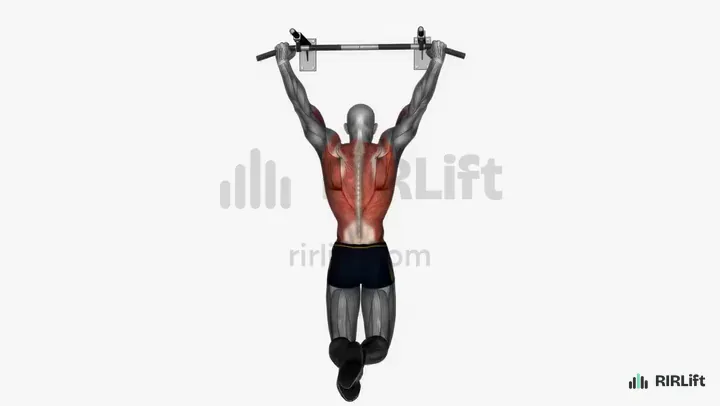
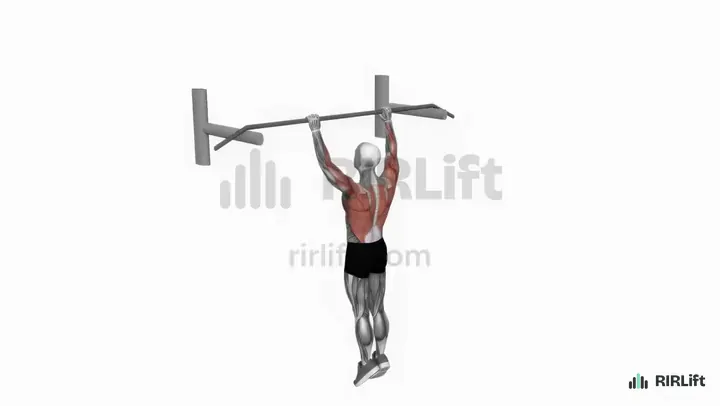
- Pull-Up Lats
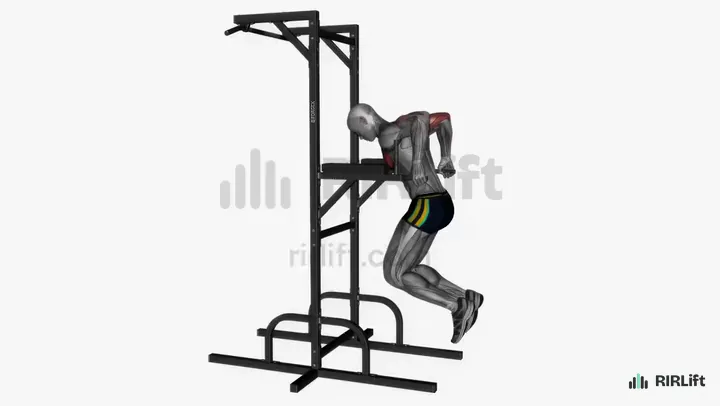
- Chest Dip Chest, Triceps
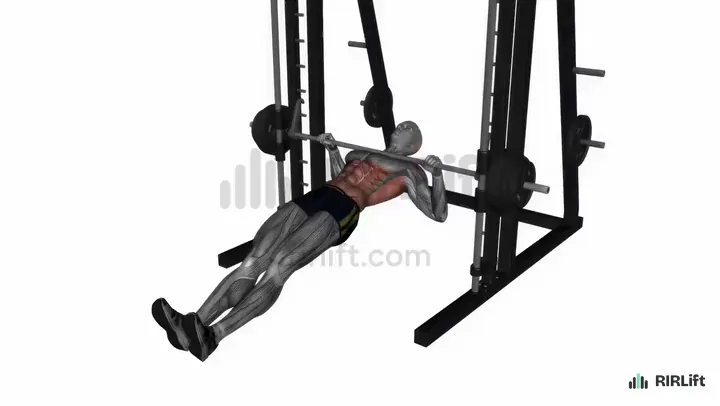
- Inverted Row Upper Back, Lats
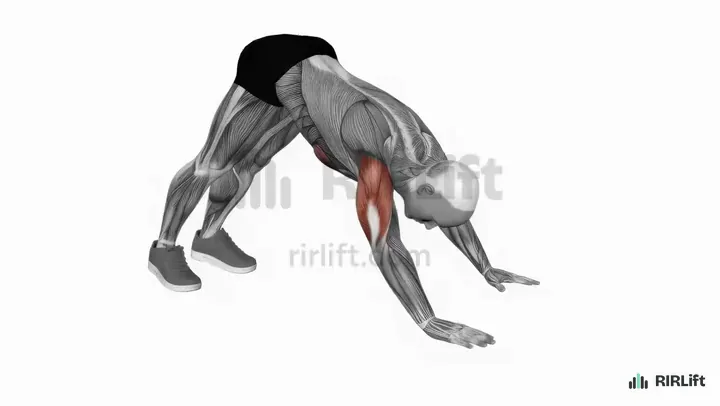
- Pike Push-Up Shoulders
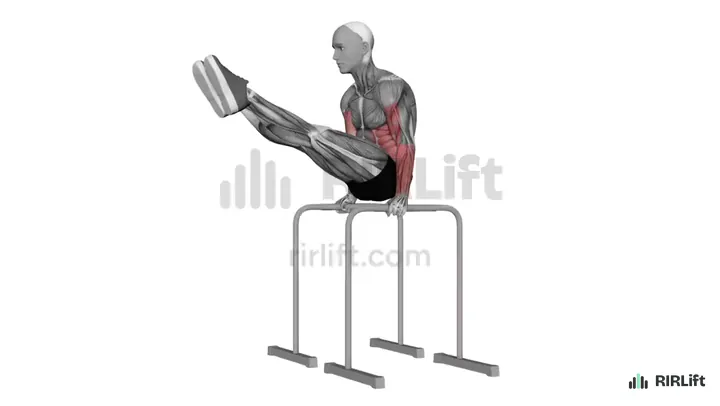
- L-Sit Hold Abs
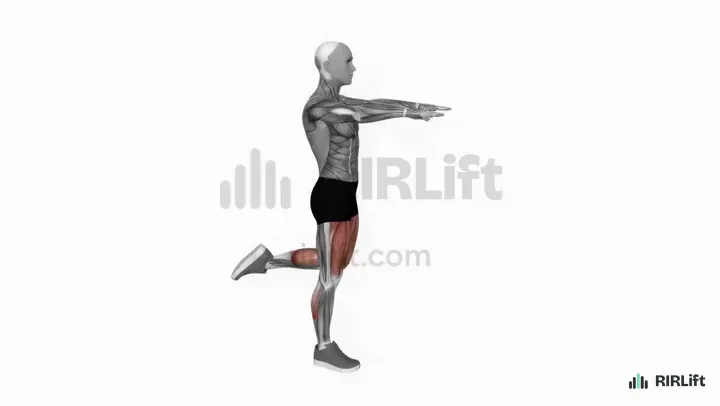
- Skater Squat Quads, Glutes
- Muscle-Up Lats, Chest
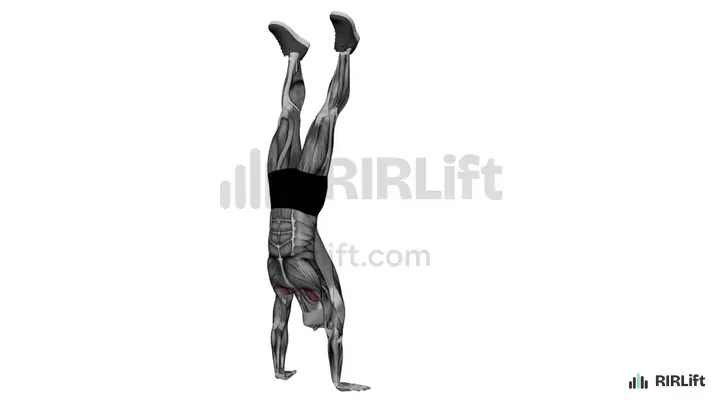
- Handstand Hold Shoulders
Put them together: example sessions
Each session below picks from the exercises above for one situation, with the sets, reps, rest and RIR filled in. Open one in the session builder to change a pick, price it from a recent set, and add it to RIRLift.
-
Session 1
Bar and dip bars, building the base
You can do a few strict pull-ups and dips but not 10 of each, and you want a plan that gets you there before you chase skills.
3× a week · 39 sets a week · ~30 min
-
Session 2
10 pull-ups, chasing the muscle-up
You have 10 strict pull-ups and 15 dips and want your first bar muscle-up and harder pushing.
3× a week · 40 sets a week · ~35 min
-
Session 3
Only two sessions a week
Work, running or another sport leave you two days for calisthenics, and you want to keep progressing on the main movements.
2× a week · 27 sets a week · ~35 min
Session 1
Bar and dip bars, building the base
- Workouts3× a week
- Working sets39 a week
- Per workout~30 min
- EquipmentPull-Up Bar, Dip Bar, Barbells
You can do a few strict pull-ups and dips but not 10 of each, and you want a plan that gets you there before you chase skills.
Three full-body sessions a week give each movement pattern enough practice to get better without running your elbows and shoulders into the ground. Every set stops 1 to 2 reps short of failure, so form holds and you can repeat the work two days later. Each session is about 15 working sets.
| Exercise | Sets × reps | RIR | Rest |
|---|---|---|---|
| Pull-UpStrict. Full hang every rep. | 4 × 3–8 | 1 | 2 min |
| Chest Dip | 3 × 5–12 | 1 | 2 min |
| Skater SquatPer leg. | 3 × 6–12 | 2 | 90 s |
| Hanging Leg Raise | 3 × 6–12 | 1 | 1 min |
Open Session A in the session builder
| Exercise | Sets × reps | RIR | Rest |
|---|---|---|---|
| Inverted RowLower the bar as you improve. | 4 × 8–15 | 1 | 90 s |
| Pike Push-Up | 3 × 6–12 | 1 | 90 s |
| Nordic Hamstring CurlLower as slowly as you can. | 3 × 3–6 | 2 | 2 min |
| Handstand HoldSeconds. Against a wall. | 3 × 15–40 | 2 | 1 min |
Open Session B in the session builder
- How to run it
- Do Session A and Session B on alternating days, three times a week (A, B, A, then B, A, B). Holds are logged as seconds in the rep field.
- How to progress
- Add a rep each session until you hit the top of every range at the target reps in reserve. Then make the exercise harder: lower the inverted-row bar, raise your feet on pike push-ups, or add a two-second pause at the top of each pull-up.
Session 2
10 pull-ups, chasing the muscle-up
- Workouts3× a week
- Working sets40 a week
- Per workout~35 min
- EquipmentPull-Up Bar, Barbells, Dip Bar
You have 10 strict pull-ups and 15 dips and want your first bar muscle-up and harder pushing.
Muscle-up practice comes first in the session while you are fresh, as short sets 2 to 3 reps from failure, because skill reps done tired teach a bad transition. The strength work after it stays at 1 to 2 reps in reserve. Two upper days and one lower day keep the bar work to about 30 hard sets a week.
| Exercise | Sets × reps | RIR | Rest |
|---|---|---|---|
| Muscle-UpPractice attempts. Stop if the transition gets messy. | 5 × 1–3 | 3 | 2:30 min |
| Archer Pull-UpPer side. | 3 × 3–6 | 1 | 2 min |
| Inverted Row | 3 × 8–12 | 1 | 90 s |
| Front Lever RaiseTucked if needed. | 3 × 3–6 | 2 | 90 s |
Open Pull in the session builder
| Exercise | Sets × reps | RIR | Rest |
|---|---|---|---|
| Chest Dip | 4 × 8–15 | 1 | 2 min |
| Archer Push-UpPer side. | 3 × 5–10 | 1 | 90 s |
| Pike Push-UpFeet raised on a box. | 3 × 8–12 | 1 | 90 s |
| L-Sit HoldSeconds. | 3 × 10–30 | 1 | 1 min |
Open Push in the session builder
| Exercise | Sets × reps | RIR | Rest |
|---|---|---|---|
| Skater SquatPer leg. | 4 × 8–12 | 1 | 90 s |
| Nordic Hamstring Curl | 3 × 4–8 | 2 | 2 min |
| Hanging Leg Raise | 3 × 8–12 | 1 | 1 min |
| Dragon FlagSlow lowering. | 3 × 3–6 | 2 | 90 s |
Open Legs and Core in the session builder
- How to run it
- Run Pull and Push on two days with at least a day between, and Legs and Core on a third day.
- How to progress
- When you can do 3 clean muscle-ups in a row, swap archer pull-ups for weighted pull-ups or add muscle-up sets. Add reps to archers and dips until you reach the top of the range, then slow the lowering to three seconds.
Session 3
Only two sessions a week
- Workouts2× a week
- Working sets27 a week
- Per workout~35 min
- EquipmentPull-Up Bar, Dip Bar, Barbells
Work, running or another sport leave you two days for calisthenics, and you want to keep progressing on the main movements.
With two days, every session has to cover pull, push, legs and core, so each one picks one exercise per pattern and does it well. The sets end 1 rep short of failure because there is more recovery time between sessions. About 14 sets a session is enough to keep getting stronger.
| Exercise | Sets × reps | RIR | Rest |
|---|---|---|---|
| Pull-Up | 4 × 5–10 | 1 | 2 min |
| Chest Dip | 4 × 6–12 | 1 | 2 min |
| Skater SquatPer leg. | 3 × 6–12 | 1 | 90 s |
| L-Sit HoldSeconds. | 3 × 10–30 | 1 | 1 min |
Open Day 1 in the session builder
| Exercise | Sets × reps | RIR | Rest |
|---|---|---|---|
| Inverted Row | 4 × 8–15 | 1 | 90 s |
| Archer Push-UpPer side. | 3 × 5–10 | 1 | 90 s |
| Nordic Hamstring Curl | 3 × 3–8 | 2 | 2 min |
| Dragon Flag | 3 × 3–6 | 2 | 90 s |
Open Day 2 in the session builder
- How to run it
- Do Day 1 and Day 2 with two or three days between them.
- How to progress
- Use the same rep rule: hit the top of every range at the target reps in reserve, then move to the harder variation, like pull-ups to archer pull-ups.
Make it fit you
-
Not one strict pull-up yet
Swap pull-ups for band-assisted pull-ups and inverted rows with bent knees, and add a set of slow 5-second lowerings from the top of the bar at the end of each session.
-
Elbows or wrists feel beaten up
Drop muscle-up practice and archer pull-ups for two weeks, keep strict pull-ups at 2 reps in reserve, and do handstand holds on your fists or parallettes instead of flat palms.
-
Want more muscle, not skills
Take the base plan and add one extra set to pull-ups, dips and skater squats, taking the last set of each to 0 to 1 reps in reserve. Skip the holds.
-
Add weight when reps run long
Once pull-ups and dips pass 15 clean reps, a dip belt or backpack with a few plates brings the reps back to 5 to 10 and keeps you progressing faster than chasing 25.
-
Log reps in reserve, not just reps
Write down how many reps you had left on every set. If you log it in RIRLift, the next session's target, reps or added weight, is picked from that number, so you add load only when the last set was genuinely easier.
Questions
What are 5 calisthenics exercises everyone should do?
The pull-up, the dip, the inverted row, the pike push-up and a one-leg squat such as the skater squat. Together they cover vertical and horizontal pulling, chest and shoulder pressing, and legs. Add the hanging leg raise or L-sit and you have a full calisthenics workout.
Can you build muscle with only calisthenics?
Yes, as long as each set is hard. Muscle responds to sets taken close to failure, and calisthenics gives you that through harder variations: archer pull-ups instead of pull-ups, skater squats instead of squats. The catch is that the jump between variations can be big, so adding a little weight to pull-ups and dips helps once you pass 15 reps.
Is 20 minutes of calisthenics a day enough?
It can be, if those 20 minutes are hard sets of a pull, a push and a leg exercise rather than easy circuits. Rotate the patterns so each one gets a day off, or do the two-day plan above in two longer sessions instead.
How many days a week should I do calisthenics?
Three full-body days is the best starting point: enough practice to learn the movements and enough rest for your elbows and shoulders. Two days still works if you do one exercise per pattern and push each set to 1 rep in reserve.
How long does it take to get a muscle-up?
It depends on where you start. Most people need around 10 strict pull-ups and 15 dips before muscle-up practice pays off. From there, it comes down to learning the transition, which is why the muscle-up plan puts it first in the session in short sets.
Is there a downside to calisthenics?
Two practical ones. Your legs are hard to load without weights, so you need one-leg moves and Nordic curls rather than squats. And progress comes in jumps between variations, so you sometimes stall until you add load or find an in-between step.
Related templates
-
Bodyweight exercises: the 18 that build muscle, by muscle group
The no-bar basics by muscle group, for days you only have a floor.
-
Pull-up bar exercises for back, arms, grip and abs, with plans for your first rep to your first muscle-up
Every exercise you can do on a single bar.
-
Pull-up alternatives: what to do when you can't do one, or have no bar
What to do while you work up to strict pull-ups.
-
Dip alternatives: chest and tricep swaps for the gym or home
Options when you have no parallel bars or your shoulders need a break.
-
How to use reps in reserve (RIR)
How to judge the 1 to 2 reps in reserve targets in these plans.