Core activation exercises: switch on the brace before you lift

Pick three: a dead bug for the front, a side plank for the sides and a Pallof press for rotation, one set each at an easy effort. Do 8 dead bugs per side, a 20-second side plank each side and 8 Pallof presses per side, about 3 minutes, then go straight to the ramp-up sets of your first lift.
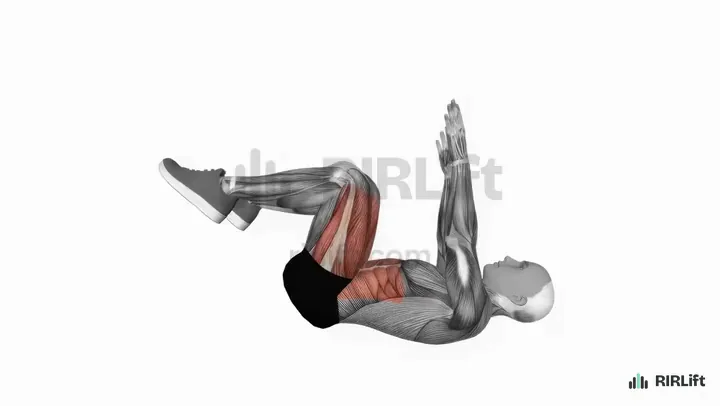
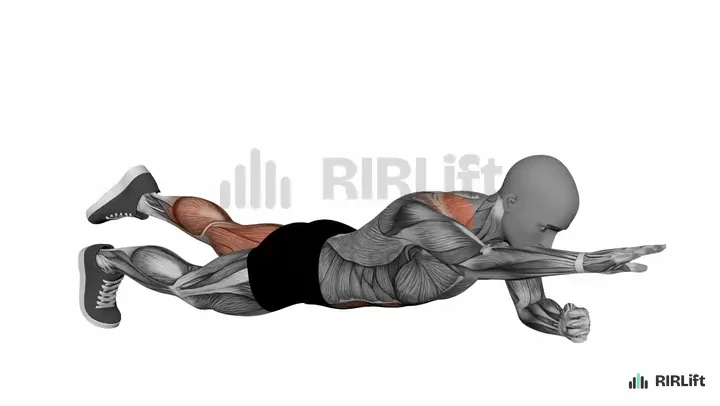
  1. Dead Bug Abs
  2. Plank Abs
  3. Side Plank Abs
  4. Pallof Press Abs
  5. Plate Hollow Hold Abs
  6. Superman Lower Back

Front of the trunk

The front of the trunk keeps your ribs and pelvis from pulling apart when you breathe and brace. Dead bugs train that with the lower back pressed to the floor while the arms and legs move; planks and hollow holds do it without moving. Pick one, take it slow, and stop while your form is still clean.

Activation: deep abs with a still lower back

Dead Bug

Abs

It is the cleanest way to feel your abs hold the lower back down while the limbs move.

How to do it

  1. Lie face up with arms pointed at the ceiling and knees bent over your hips.
  2. Press your lower back gently into the floor.
  3. Lower the opposite arm and leg toward the floor while you breathe out, then return and switch.

Cues

  • Lower back stays down
  • Breathe out as you reach

Common mistakes

  • The back arching off the floor: shorten the reach until it stays down.

Swap for: Plank, Reverse Crunch, Plate Hollow Hold

Build a session with Dead Bug

Activation: bracing

Plank

Abs

Lifting an arm and the opposite leg from a forearm plank forces the brace you will use under a bar, with the glutes squeezed.

How to do it

  1. Rest on your forearms and toes with elbows under your shoulders and your body in one line.
  2. Reach one arm forward and lift the opposite leg, and hold without letting the hips tip.
  3. Lower both and switch to the other pair for the next hold.

Cues

  • Squeeze your glutes
  • Hips stay level as the limbs lift

Common mistakes

  • Hips twisting toward the lifted leg: lift lower and hold the line.

Swap for: Long Lever Plank, Dead Bug, Side Plank

Build a session with Plank

Activation: a harder brace

Long Lever Plank

Abs

Moving the elbows forward makes a 15-second plank as hard as a long one.

How to do it

  1. Set up in a forearm plank, then walk your elbows a few inches forward of your shoulders.
  2. Brace hard so your hips don't drop.
  3. Hold for short, tight efforts.

Cues

  • Elbows ahead of the shoulders
  • Short and hard

Common mistakes

  • Letting the lower back sag: bring the elbows back until it doesn't.

Swap for: Plank, Ab Wheel Rollout, Plank Shoulder Tap

Activation: front of the trunk

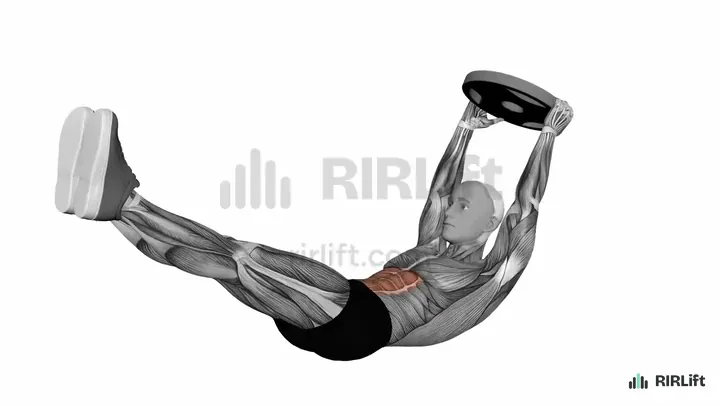
Plate Hollow Hold

Abs

A light plate overhead makes the front of the trunk work hard in a few seconds.

How to do it

  1. Lie face up holding a light plate above your chest.
  2. Press your lower back down, then lift your shoulders and straight legs off the floor.
  3. Hold the banana shape and breathe.

Cues

  • Lower back stays glued
  • Legs higher if your back lifts

Common mistakes

  • Back arching off the floor: raise the legs or bend the knees.

Swap for: Dead Bug, Landmine Hollow Hold, Plank

Sides and rotation

The sides stop you from tipping and twisting, which is what they do under a heavy bar or a single dumbbell. Side planks resist tipping, Copenhagen planks add the inner thigh, and the Pallof press resists a cable or band pulling you round. One set per side is enough before lifting.

Activation: obliques and side hip

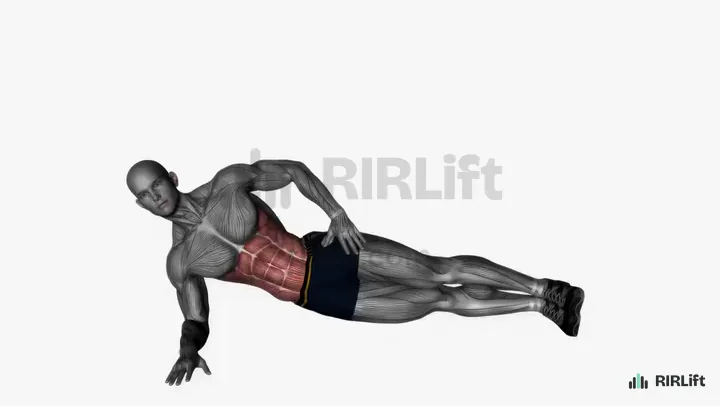
Side Plank

Abs

Short side holds switch on the obliques that stop you leaning under load.

How to do it

  1. Lie sideways with your elbow under your shoulder and feet stacked.
  2. Lift your hips until your body is straight from head to feet.
  3. Hold, then switch sides.

Cues

  • Hips forward and high
  • Shoulder over elbow

Common mistakes

  • Hips drifting back: push them forward over your knees.

Swap for: Dumbbell Side Plank, Copenhagen Plank, Plank

Activation: inner thighs and obliques

Copenhagen Plank

Adductors, Abs

It adds the inner thighs, which help hold the hips steady in squats.

How to do it

  1. Lie sideways with your top foot or knee on a bench and your elbow under your shoulder.
  2. Lift your hips so your body is straight and the bottom leg hangs or lifts toward the bench.
  3. Hold, then switch sides.

Cues

  • Top leg presses into the bench
  • Hips high

Common mistakes

  • Starting with the foot on the bench: begin with the knee there.

Swap for: Side Plank, Band Hip Adduction, Dumbbell Side Plank

Activation: resisting rotation

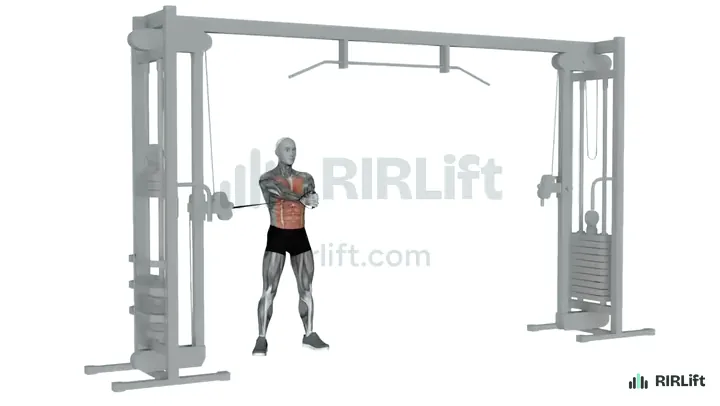
Pallof Press

Abs

The best activation for resisting rotation, useful before single-arm or overhead work.

How to do it

  1. Stand side-on to a cable or band at chest height, holding the handle at your chest.
  2. Press the handle straight out in front and hold for a second.
  3. Bring it back to your chest without letting your trunk turn.

Cues

  • Press straight out
  • Nothing turns

Common mistakes

  • Standing too close to feel it: step out until the pull is real.

Swap for: Plank Shoulder Tap, Cable Woodchop, Side Plank

Back of the trunk

Supermans give the muscles along your spine one light set of extension, which helps before deadlifts and rows. Hold each rep for a second at the top and keep the neck long.

Activation: back of the body

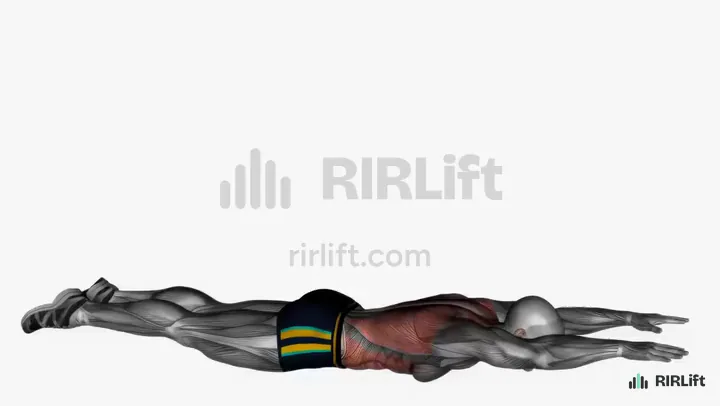
Superman

Lower Back

A light set for the back muscles before a hinge.

How to do it

  1. Lie face down with your arms overhead.
  2. Raise arms, chest and legs a few inches off the floor.
  3. Pause, then lower with control.

Cues

  • Long, not high
  • Look at the floor

Common mistakes

  • Cranking the neck up: keep your gaze down.

Swap for: 45-Degree Back Extension, Back Extension, Dead Bug

Build a session with Superman

Then ramp the lift

Activation is short so your energy goes into the lift. Take 3 to 4 sets of your first exercise, starting with the empty bar or a light weight and cutting reps as the weight climbs, then start your working sets.

Main lift: deadlift with ramp-up sets

Barbell Deadlift

Glutes, Lower Back

Activation done, the deadlift goes to its ramp of 3 to 4 sets.

How to do it

  1. Stand with the bar over your mid-foot and grip it just outside your legs.
  2. Pull the slack out of the bar, brace, and push the floor away.
  3. Stand tall, then lower the bar along your legs.

Cues

  • Bar stays close
  • Push the floor

Common mistakes

  • Yanking the bar off the floor: take the slack out first.

Swap for: Romanian Deadlift, Trap Bar Deadlift, Band Deadlift

Main lift: standing press with ramp-up sets

Barbell Overhead Press

Shoulders

Standing presses need a tight trunk, so do the activation drills right before the first ramp set.

How to do it

  1. Hold the bar at your collarbones with a grip just outside the shoulders.
  2. Squeeze your glutes and press the bar straight up, moving your head back out of the way.
  3. Lock out overhead, then lower to your collarbones.

Cues

  • Glutes tight
  • Bar over mid-foot at the top

Common mistakes

  • Leaning back to finish the press: tighten your glutes and abs.

Swap for: Seated Barbell Overhead Press, Band Overhead Press, Push-Up

Put them together: example sessions

Each session below picks from the exercises above for one situation, with the sets, reps, rest and RIR filled in. Open one in the session builder to change a pick, price it from a recent set, and add it to RIRLift.

Session 1

Before deadlifts

Open in the session builder
  • Workouts1× a week
  • Working sets6 a week
  • Per workout~20 min
  • EquipmentBarbells

You pull heavy from the floor.

Dead bugs, side planks and supermans switch on the front, sides and back without fatigue, then four ramp sets climb to the working weight.

Deadlift day
ExerciseSets × repsRIRRest
Dead BugPer side. 1 × 8 4 15 s
Side PlankSeconds. Each side. 1 × 20 4 0 s
Superman 1 × 8 4 15 s
Barbell Deadlift4 warm-up sets first 3 × 3–5 2 3 min
How to run it
Do the drills, then the deadlift.
How to progress
Progress the deadlift from the reps in reserve on your top set.

Session 2

Before standing presses

Open in the session builder
  • Workouts2× a week
  • Working sets12 a week
  • Per workout~15 min
  • EquipmentAdjustable Cable, Barbells

You press overhead standing.

A long-lever plank and Pallof press train the brace that stops you leaning back, then three ramp sets of the press.

Press day
ExerciseSets × repsRIRRest
Long Lever PlankSeconds. 1 × 15 4 0 s
Pallof PressPer side. 1 × 8 4 15 s
Plate Hollow HoldSeconds. 1 × 15 4 0 s
Barbell Overhead Press3 warm-up sets first 3 × 5–8 2 2:30 min
How to run it
Do the drills, then press.
How to progress
Add small plates when the last set ends above 2 reps in reserve.

Session 3

Daily 3-minute activation

Open in the session builder
  • Workouts5× a week
  • Working sets20 a week
  • Per workout~10 min
  • EquipmentBodyweight

You sit all day and want a short routine on non-lifting days.

Floor-only drills, done once a day, keep the habit of bracing without training to fatigue.

Daily activation
ExerciseSets × repsRIRRest
Dead BugPer side. 1 × 8 4 0 s
PlankSeconds. 1 × 20 4 0 s
Side PlankSeconds. Each side. 1 × 20 4 0 s
Copenhagen PlankSeconds. Each side. Knee on the bench. 1 × 15 4 0 s
How to run it
Do the four drills in a row.
How to progress
Add 5 seconds to holds each week until 30 seconds is easy, then switch to the harder version.

Make it fit you

Questions

Which exercises engage the core?

Dead bugs, planks, side planks, hollow holds and Pallof presses target it directly. Heavy squats, deadlifts, carries and standing presses also make the trunk work hard to keep you upright.

How do you know if you're activating your core?

Your lower back stays still and your ribs stay down while you breathe and move your arms and legs. If your back arches or your breath stops on every rep, make the drill easier.

Is it OK to do core activation every day?

Yes. The drills here are one easy set each, light enough for daily use. Harder core training to near failure fits two or three times a week, like any other muscle.

Are planks enough for core strength?

They train the front of the trunk well. Add a side plank for the sides and an anti-rotation drill such as the Pallof press, and keep doing heavy compound lifts.

What are the big 3 exercises for the core?

The phrase usually means a curl-up, a side plank and a bird dog. On this page, dead bugs, side planks and Pallof presses cover the same three jobs: front, sides and rotation.

What are signs of a weak core in the gym?

Your lower back arches as you press overhead, your torso tips forward in squats, or you twist when carrying one dumbbell. Train the drill that matches the problem, then check whether the lift holds its shape better.