CrossFit exercises: the lifts, gymnastics and conditioning moves to master

The CrossFit exercises to master are the front squat, overhead squat, deadlift, power clean and strict press for the barbell, the thruster, kettlebell swing and sumo deadlift high pull for conditioning with load, pull-ups, kipping pull-ups, handstand push-ups and hanging leg raises for gymnastics, and box jumps, wall balls and the rower for conditioning. Build strict strength before speed: heavy front squats, deadlifts and presses at 2 reps in reserve, and strict pull-ups before kips.

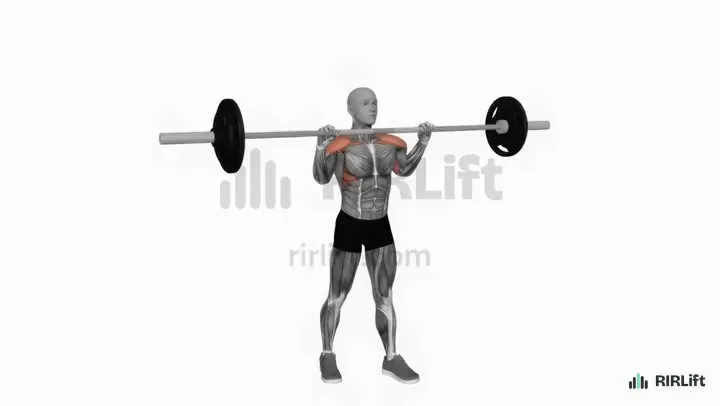
  1. Front Squat Quads, Glutes, Adductors
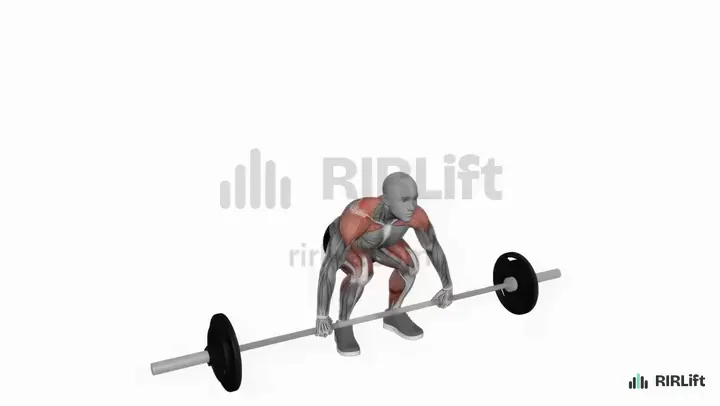
  2. Barbell Deadlift Glutes, Lower Back
  3. Power Clean Glutes, Hamstrings, Traps
  4. Barbell Overhead Press Shoulders
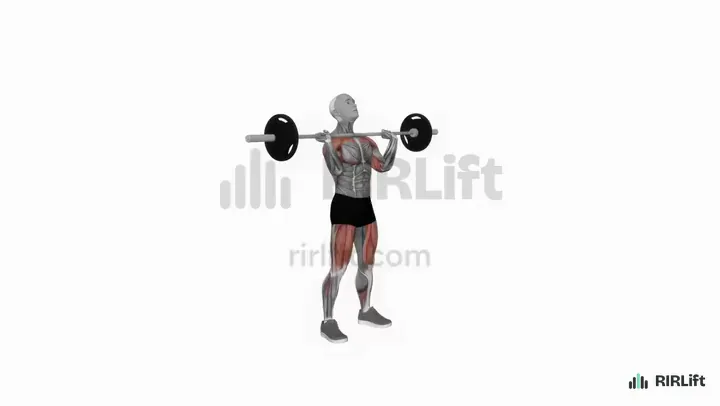
  5. Barbell Thruster Quads, Shoulders
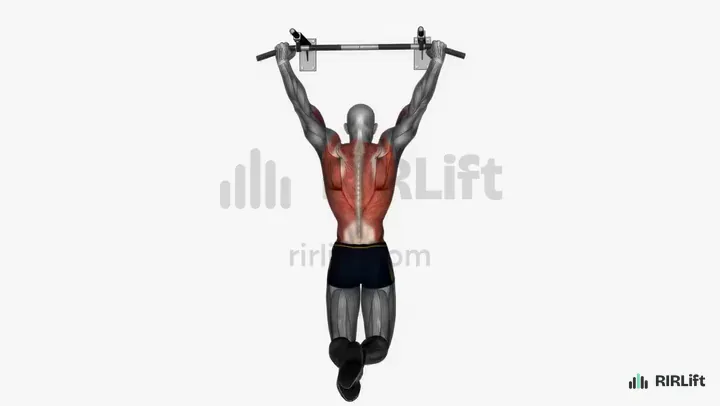
  6. Pull-Up Lats
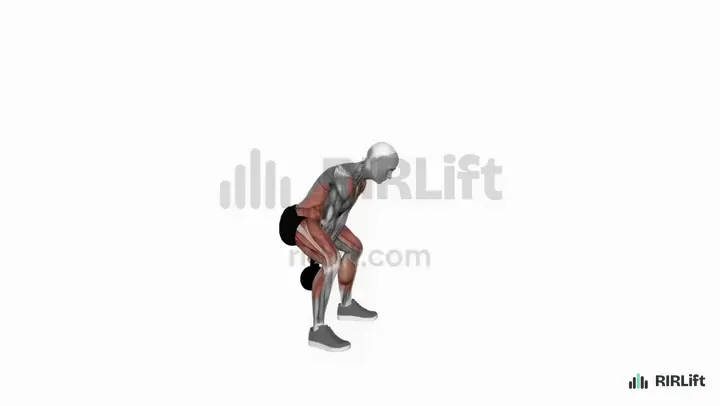
  7. Kettlebell Swing Glutes, Hamstrings
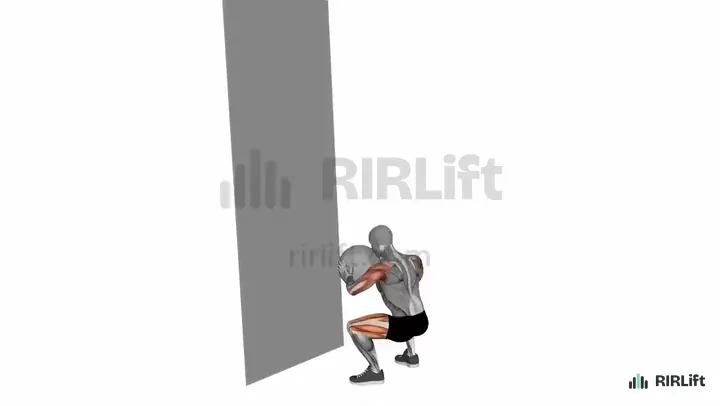
  8. Wall Ball Quads, Glutes, Shoulders
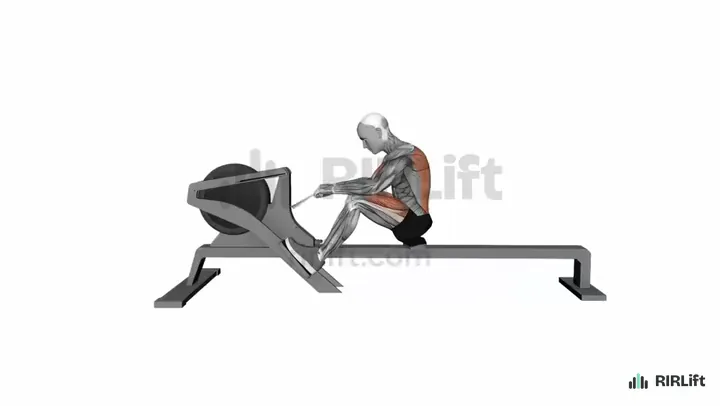
  9. Rowing Machine Quads, Hamstrings, Glutes, Lats
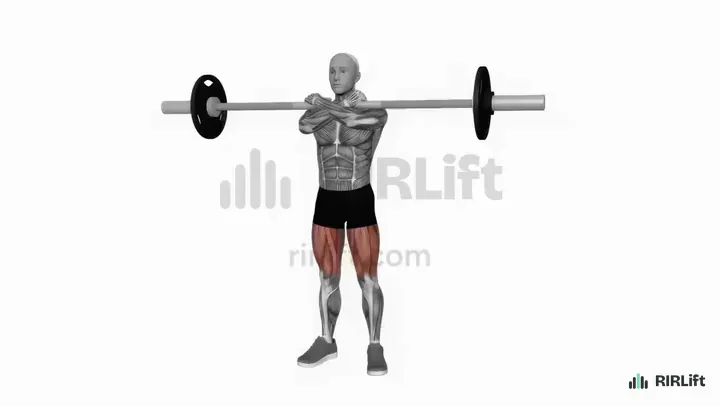
CrossFit squat exercises

Two squats cover the positions CrossFit asks for: the front squat for cleans, thrusters and wall balls, and the overhead squat for snatches. Lift the front squat heavy and the overhead squat light and precise.

Squat strength, front rack

Front Squat

Quads, Glutes, Adductors

The front squat shows up in cleans, thrusters and wall balls, and a stronger one makes all of them lighter. The upright torso it demands is the same position you catch a clean in.

How to do it

  1. Set the bar on the front of your shoulders, fingertips under it and elbows pointing forward.
  2. Brace and sit down between your heels, keeping your chest tall.
  3. Go below parallel with your elbows still high.
  4. Drive up through your whole foot, leading with your chest.

Cues

  • Elbows up the whole way
  • Sit between the heels
  • Chest leads the way up

Common mistakes

  • Elbows sagging so the bar slides down your arms: lift them before you stand.
  • Hips shooting up first: keep the chest rising with them.

Swap for: Goblet Squat, Barbell Back Squat, Dumbbell Front Squat

Squat with the bar locked overhead

Barbell Overhead Squat

Quads

The overhead squat exposes stiff ankles, hips and shoulders in one lift, and it is the bottom position of the snatch. Light, controlled sets fix more than heavy ones.

How to do it

  1. Press or jerk a bar overhead with a wide snatch-width grip and lock your elbows.
  2. Push the bar up into your hands and keep it over the middle of your feet.
  3. Sit down into a full squat, keeping the bar stacked over your heels and hips.
  4. Stand back up with the bar staying in the same line.

Cues

  • Push up into the bar
  • Bar over midfoot
  • Slow on the way down

Common mistakes

  • Letting the bar drift forward: keep pressing up and back into it.
  • Going heavier before the bottom is steady: use a light bar or a dowel.

Swap for: Front Squat, Goblet Squat, Snatch Balance

Deadlifts, cleans and kettlebell work

Everything that comes off the floor fast is built on a strong hinge. The deadlift builds the strength, the power clean turns it into speed, and the swing and sumo deadlift high pull train the same hip snap at higher reps.

Posterior chain, heavy pull

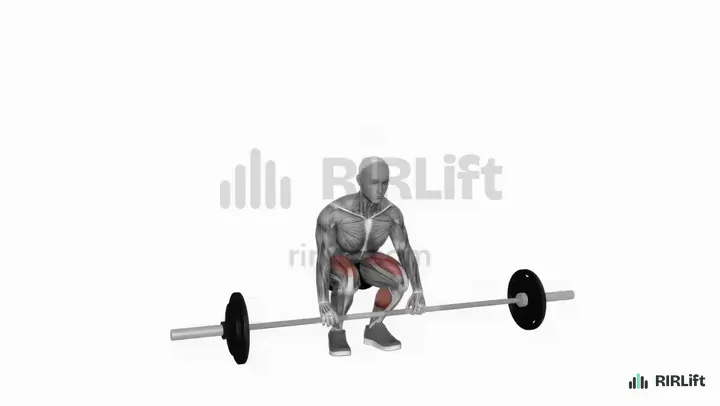
Barbell Deadlift

Glutes, Lower Back

The deadlift is where most people move their heaviest weight, and it carries over to cleans, kettlebell swings and every pick-up off the floor in a workout. Heavy, low-rep sets build the back that holds position when you are tired.

How to do it

  1. Stand with the bar over the middle of your feet, hip-width stance.
  2. Hinge down and grip just outside your legs, then flatten your back and pull the slack out of the bar.
  3. Push the floor away and drag the bar up your legs until you stand tall.
  4. Lower it hips-first until it passes your knees, then bend them.

Cues

  • Slack out before you pull
  • Bar stays close
  • Stand tall, do not lean back

Common mistakes

  • Rounding your back to reach the bar: bend your knees more and set up again.
  • Dropping fast and bouncing reps: control each lowering.

Swap for: Trap Bar Deadlift, Romanian Deadlift, Kettlebell Deadlift

Explosive pull from the floor

Power Clean

Glutes, Hamstrings, Traps

Cleans appear in workouts constantly, and the power clean is the one you will use most. Learning to jump and pull under fast, then catch high, is what lets you cycle reps without muscling the bar.

How to do it

  1. Set up like a deadlift with the bar over your midfoot and your hands just outside your legs.
  2. Lift the bar to your knees with your back flat, then drive hard through the floor as it passes your thighs.
  3. Shrug and pull yourself down under the bar, rotating your elbows forward fast.
  4. Catch it on your shoulders in a quarter squat, then stand up.

Cues

  • Slow off the floor, fast past the knees
  • Elbows fast
  • Catch high, then stand

Common mistakes

  • Pulling with the arms early: keep them long until the legs and hips finish.
  • Catching with low elbows: whip them forward so the bar sits on your shoulders.

Swap for: Hang Clean, Clean Pull, Kettlebell Clean & Press

Hip hinge, power and conditioning

Kettlebell Swing

Glutes, Hamstrings

Swings build hip drive and grip at a pace you can hold for high reps. They are a good test of whether you can hinge correctly while breathing hard.

How to do it

  1. Stand with the kettlebell a step in front of you, feet a little wider than your hips.
  2. Hinge, grab the handle, and hike the bell back between your legs.
  3. Snap your hips forward to send the bell to chest height or overhead, arms long.
  4. Let it fall back between your legs and go straight into the next rep.

Cues

  • Hike it like a football
  • Hips snap, arms follow
  • Stand tall at the top

Common mistakes

  • Squatting the swing instead of hinging: knees bend a little, hips go back a lot.
  • Lifting with the arms: they only guide the bell.

Swap for: Dumbbell Swing, Kettlebell Deadlift, Cable Pull-Through

Hinge into a high pull

Kettlebell Sumo Deadlift High Pull

Glutes, Quads

The sumo deadlift high pull links a wide-stance deadlift to an upright pull to the chin. It trains the timing of hips first, arms last, which every Olympic lift uses.

How to do it

  1. Stand wide with your toes turned out and the kettlebell set down under your hips.
  2. Hinge down and grip the handle with both hands, back flat.
  3. Stand up fast, and as your hips straighten, pull the bell to your chin with your elbows high.
  4. Lower it with your arms first, then your hips, back to the floor.

Cues

  • Legs, then arms
  • Elbows high
  • Lower in reverse order

Common mistakes

  • Pulling with the arms from the floor: stand up first.
  • Rounding over at the bottom: keep the chest up as you reach down.

Swap for: Kettlebell Sumo Deadlift, Barbell High Pull, Kettlebell Upright Row

Overhead pressing

The strict press builds the shoulders, and the thruster uses them under fatigue. Get stronger on the first and practice rhythm on the second.

Shoulders, strict press

Barbell Overhead Press

Shoulders

The strict press is the base for push presses, jerks and handstand push-ups. Adding weight here is the most direct way to get stronger overhead.

How to do it

  1. Hold the bar at your collarbone with a grip just outside your shoulders, elbows slightly ahead of the bar.
  2. Squeeze your glutes and brace so your lower back does not arch.
  3. Press the bar straight up, moving your head back and then through as it passes.
  4. Lock out with the bar over the back of your neck, then lower to the start.

Cues

  • Glutes tight
  • Head out of the way, then through
  • Finish over your heels

Common mistakes

  • Leaning back to get it up: lighter weight and tighter glutes.
  • Pressing the bar out in front: keep it close to your face.

Swap for: Dumbbell Shoulder Press, Landmine Press, Dumbbell Push Press

Front squat into a press, conditioning

Barbell Thruster

Quads, Shoulders

The thruster is a front squat that finishes overhead in one motion, and it is in some of the best-known workouts. Strength sets help, but practicing the rhythm is what keeps you moving in a long workout.

How to do it

  1. Hold the bar in the front rack with a grip just outside your shoulders.
  2. Squat to just below parallel.
  3. Drive up hard, and as your hips straighten use that speed to press the bar overhead.
  4. Bring the bar back to your shoulders and sink straight into the next squat.

Cues

  • One movement, not two
  • Hips drive the bar
  • Back to the rack, then down

Common mistakes

  • Stopping at the top of the squat before pressing: let the drive carry the bar.
  • Pressing with soft elbows at the top: lock out each rep.

Swap for: Kettlebell Thruster, Front Squat, Wall Ball

Gymnastics exercises

Bar and wall gymnastics need strict strength before speed. Build strict pull-ups and leg raises, then learn to kip; build pressing strength, then handstand push-ups.

Strict vertical pull

Pull-Up

Lats

Strict pull-ups are the strength behind every kipping and butterfly pull-up, toes to bar and muscle-up. If you cannot do 5 strict, building them will do more for your workouts than practicing kips.

How to do it

  1. Hang at arm's length with an overhand grip a bit wider than your shoulders.
  2. Set your shoulders down, then pull your elbows toward your ribs.
  3. Rise until your chin passes the bar, legs still.
  4. Lower back to straight arms every rep.

Cues

  • Shoulders down first
  • Chin over
  • Full hang

Common mistakes

  • Swinging to finish: in a strict set, stop when you cannot rise without it.
  • Short bottom range: straighten your arms each time.

Swap for: Band-Assisted Pull-Up, Chin-Up, Inverted Row

Build a session with Pull-Up

Gymnastics pull, conditioning

Kipping Pull-Up

Lats

The kip uses a swing from your hips and shoulders to cycle pull-ups much faster than strict reps. Learn it only once you have strict strength, so your shoulders can handle the speed.

How to do it

  1. Hang from the bar and swing between an arched position, chest forward, and a hollow position, feet forward.
  2. From the hollow, snap your hips up and pull the bar toward your hips.
  3. Get your chin over the bar, then push away to swing back into the arch.
  4. Link the swing into the next rep without stopping.

Cues

  • Arch, then hollow
  • Hips start the pull
  • Push away from the bar

Common mistakes

  • Kipping before you have strict pull-ups: build 5 strict reps first.
  • Bending the knees and flailing: keep legs together and the swing tight.

Swap for: Pull-Up, Band-Assisted Pull-Up, Hanging Leg Raise

Upside-down press

Handstand Push-Up

Shoulders, Triceps

Handstand push-ups against a wall are a common gymnastics move in workouts. The kipping version uses a leg drive to finish the press, which saves your shoulders over many reps.

How to do it

  1. Kick up to a handstand facing away from a wall, hands about shoulder width.
  2. Lower your head to the floor or a pad under control.
  3. Pull your knees down toward your chest, then kick your legs up hard as you press.
  4. Finish with locked arms and your heels on the wall.

Cues

  • Head and hands form a triangle
  • Knees down, kick up
  • Press as you kick

Common mistakes

  • Landing on your head hard: lower slowly and use a pad.
  • Kicking without pressing: the arms must lock out with the kick.

Swap for: Pike Push-Up, Barbell Overhead Press, Handstand Hold

Trunk and grip, hanging

Hanging Leg Raise

Abs

Strong hanging leg raises are the strength piece of toes to bar. Strict reps teach you to curl your pelvis instead of swinging your feet up.

How to do it

  1. Hang with straight arms and your shoulders engaged.
  2. Lift your legs by curling your pelvis toward your ribs, legs together.
  3. Raise your feet as high as you can control.
  4. Lower slowly back to a still hang.

Cues

  • Curl the pelvis
  • Legs together
  • Still at the bottom

Common mistakes

  • Swinging into each rep: pause in the hang first.
  • Leaning back to raise the feet: keep your torso still.

Swap for: Hanging Knee Raise, Captain's Chair Knee Raise, Reverse Crunch

Conditioning exercises

The rower, box jumps and wall balls are the conditioning moves you will see every week. Practice them in steady sets so you know what pace you can hold.

Lower-body power

Box Jump

Quads, Glutes, Hamstrings

Box jumps train you to jump and land in good positions, and they appear in a lot of workouts. Step down rather than rebounding off the floor when reps pile up.

How to do it

  1. Stand a short step from the box, feet under your hips.
  2. Swing your arms back, dip into a quarter squat, and jump.
  3. Land softly on the box with your whole foot, knees bent.
  4. Stand tall, then step down one foot at a time.

Cues

  • Arms swing, hips load
  • Land quiet
  • Step down

Common mistakes

  • Landing in a deep squat because the box is too high: lower it.
  • Rebounding down at high reps: step down to save your heels.

Swap for: Jump Squat, Step-Up, Lateral Box Jump

Build a session with Box Jump

Squat and throw, conditioning

Wall Ball

Quads, Glutes, Shoulders

Wall balls punish weak legs and bad pacing. Sets of 15 to 30 teach you to throw with your hips and breathe on the catch.

How to do it

  1. Hold the ball under your chin, elbows under it, an arm's length from the wall.
  2. Squat below parallel.
  3. Stand up fast and throw the ball to the target as you finish.
  4. Catch it high and ride it straight down into the next squat.

Cues

  • Depth every rep
  • Legs throw
  • Catch and sink

Common mistakes

  • Short squats: hips go below knees every time.
  • Standing too far back: the ball returns out of reach.

Swap for: Barbell Thruster, Goblet Squat, Medicine Ball Overhead Throw

Build a session with Wall Ball

Monostructural conditioning

Rowing Machine

Quads, Hamstrings, Glutes, Lats
The rower appears in more workouts than any other machine. A good stroke, legs first, saves energy you need for the barbell parts of a workout.

How to do it

  1. Strap in with your shins vertical and arms reaching forward.
  2. Drive with your legs, lean back slightly, then pull the handle to your lower ribs.
  3. Return arms, then torso, then knees.
  4. Keep the recovery about twice as long as the drive.

Cues

  • Legs, body, arms
  • Patient recovery
  • Handle stays level

Common mistakes

  • Pulling with the arms too early: legs finish first.
  • Short, choppy strokes when tired: lengthen them and slow down.

Swap for: Ski Erg, Air Bike, Running

Put them together: example sessions

Each session below picks from the exercises above for one situation, with the sets, reps, rest and RIR filled in. Open one in the session builder to change a pick, price it from a recent set, and add it to RIRLift.

Session 1

Strength days next to 3 or 4 classes

Open in the session builder
  • Workouts2× a week
  • Working sets22 a week
  • Per workout~40 min
  • EquipmentBarbells, Pull-Up Bar

You already take three or four classes a week and want to get stronger on the big lifts without dragging into your workouts.

Classes already deliver plenty of conditioning, so these two sessions only lift, in low-rep sets 2 reps short of failure. That builds strength without the soreness of grinding reps, and each session is about 14 sets.

Strength A
ExerciseSets × repsRIRRest
Front Squat2 warm-up sets first 4 × 3–5 2 3 min
Barbell Overhead Press1 warm-up set first 4 × 4–6 2 2:30 min
Pull-UpStrict. 3 × 4–8 1 2 min

Open Strength A in the session builder

Strength B
ExerciseSets × repsRIRRest
Barbell Deadlift2 warm-up sets first 4 × 3–5 2 3 min
Power CleanFast, clean reps only. 4 × 2–3 2 2:30 min
Hanging Leg Raise 3 × 8–12 1 1 min

Open Strength B in the session builder

How to run it
Do Strength A and Strength B on two class days, before class or as the only session that day, with at least a day between them.
How to progress
Add weight when every set reaches the top of its rep range at 2 reps in reserve. Every fourth week, cut the sets in half to recover.

Session 2

New to CrossFit, learning the movements

Open in the session builder
  • Workouts3× a week
  • Working sets36 a week
  • Per workout~30 min
  • EquipmentBarbells, Pull-Up Bar, Rowing Machine, Kettlebells +2

You are starting out and want to learn the main lifts and gymnastics before workouts get intense.

Three short sessions of moderate weights at 2 to 3 reps in reserve let you practice each movement often and well before you add speed. Each session ends with a short conditioning piece so you learn to pace.

Day 1
ExerciseSets × repsRIRRest
Front Squat 3 × 6–8 3 2 min
Barbell Overhead Press 3 × 6–8 2 2 min
Pull-UpBand-assisted if needed. 3 × 3–6 2 2 min
Rowing Machine1 rep = 250 m, steady. 3 × 1 3 90 s

Open Day 1 in the session builder

Day 2
ExerciseSets × repsRIRRest
Barbell Deadlift 3 × 5–8 3 2:30 min
Kettlebell Swing 3 × 12–15 2 90 s
Hanging Leg Raise 3 × 6–10 2 1 min
Box JumpStep down. 3 × 5–8 3 90 s

Open Day 2 in the session builder

Day 3
ExerciseSets × repsRIRRest
Barbell Overhead SquatLight bar. 3 × 5–8 3 2 min
Kettlebell Sumo Deadlift High Pull 3 × 10–12 2 90 s
Barbell Thruster 3 × 8–10 3 2 min
Wall Ball 3 × 10–15 2 90 s

Open Day 3 in the session builder

How to run it
Do the three sessions in order across the week, with a rest day between.
How to progress
Add a rep or a little weight each week when every set hits the top of its range with clean form. Move from pull-ups with a band to strict pull-ups as soon as you can do 3.

Session 3

Gymnastics are your weak point

Open in the session builder
  • Workouts2× a week
  • Working sets23 a week
  • Per workout~30 min
  • EquipmentPull-Up Bar, Barbells

You can lift fine, but pull-ups, toes to bar and handstand push-ups break down early in workouts.

Two sessions focus on strict strength for the bar and the wall at 1 to 2 reps in reserve, then a few skill sets of kipping and handstand push-ups done fresh, well short of failure. Gymnastics volume rises while barbell work drops to one press.

Session A
ExerciseSets × repsRIRRest
Pull-UpStrict. 5 × 3–8 1 2 min
Hanging Leg Raise 4 × 6–12 1 90 s
Kipping Pull-UpSmooth, linked reps. 3 × 5–8 3 2 min

Open Session A in the session builder

Session B
ExerciseSets × repsRIRRest
Barbell Overhead Press 4 × 5–8 2 2:30 min
Handstand Push-UpHead to a pad. 4 × 3–6 3 2 min
Pull-UpSlow 3-second lowering. 3 × 4–8 1 2 min

Open Session B in the session builder

How to run it
Do Session A and Session B twice a week next to your classes, with at least a day between.
How to progress
Add a rep to strict pull-ups and leg raises each week. Once you hit 8 strict pull-ups, raise the kipping and handstand push-up sets by one.

Make it fit you

Questions

What are the main CrossFit exercises?

The core lifts are the squat in its air, front and overhead versions, the deadlift, the strict press, push press and push jerk, the sumo deadlift high pull and the clean. Add pull-ups, handstand push-ups, box jumps, wall balls, kettlebell swings and the rower and you cover most workouts.

Should I do extra strength training on top of CrossFit?

If you want stronger lifts and take three or four classes a week, two short heavy sessions at 2 reps in reserve are enough. More than that usually makes your workouts worse because you recover less.

What does 21-15-9 mean in CrossFit?

It is a rep scheme: you do 21 reps of each exercise in the workout, then 15, then 9, as fast as you can. Thrusters and pull-ups in 21-15-9 is one of the best-known examples.

Should I learn kipping or strict pull-ups first?

Strict first. Being able to do around 5 strict pull-ups gives your shoulders the strength to handle the speed of kipping. Before that, kipping tends to break down and makes the shoulders cranky.

What is a good CrossFit workout for beginners?

Something short with movements you can do well, like 3 rounds of a 250 m row, 10 kettlebell swings and 10 box step-ups at a steady pace. The beginner plan above adds the strength sessions you need to make the barbell parts of class workouts easier.