
Dynamic stretches: 9 moving stretches for before you train
Published October 24, 2026
Dynamic stretches move a joint through its full range again and again instead of holding one position. A complete set before a workout takes about six minutes: 10 leg swings each way per leg, 6 cossack squats per side, 10 ankle circles each way, 10 arm circles forward and back, 6 plate halos, 5 walkouts, and 8 windshield wipers. Start each one small and let the range grow with every rep; save long static holds for after you train.
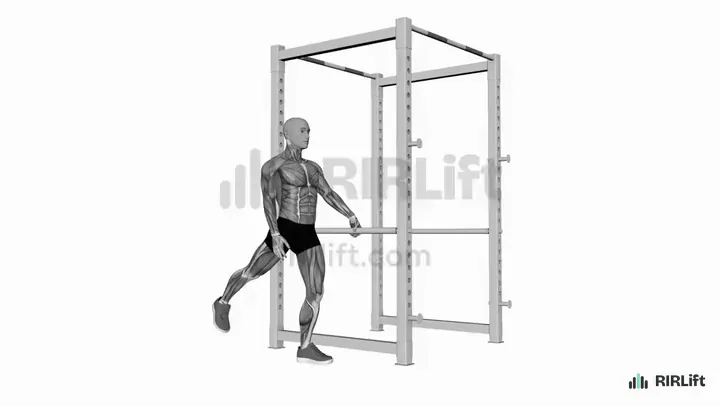
- Leg Swings Hamstrings, Glutes
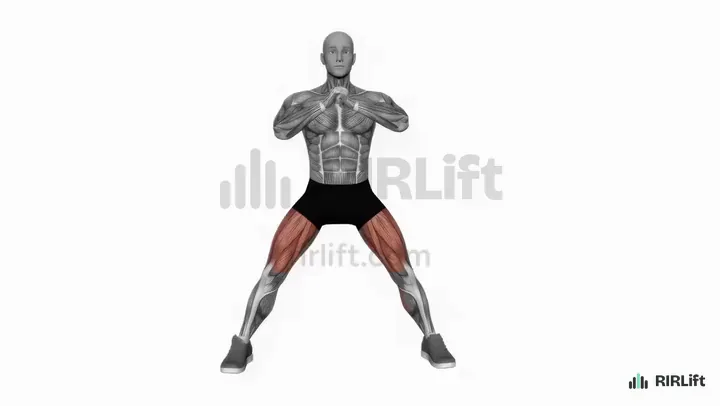
- Cossack Squat Quads, Adductors
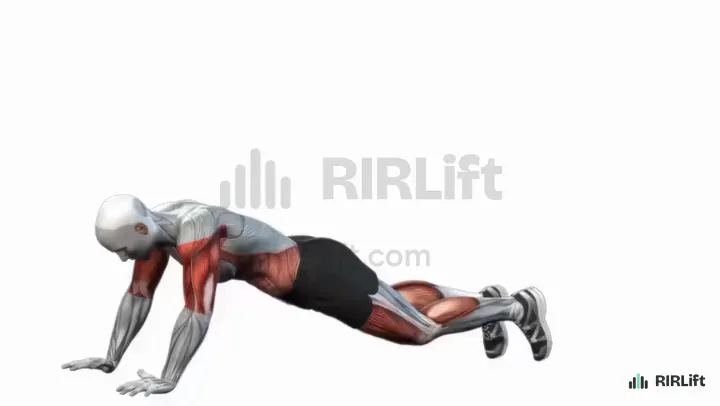
- Walkout Abs, Shoulders, Chest
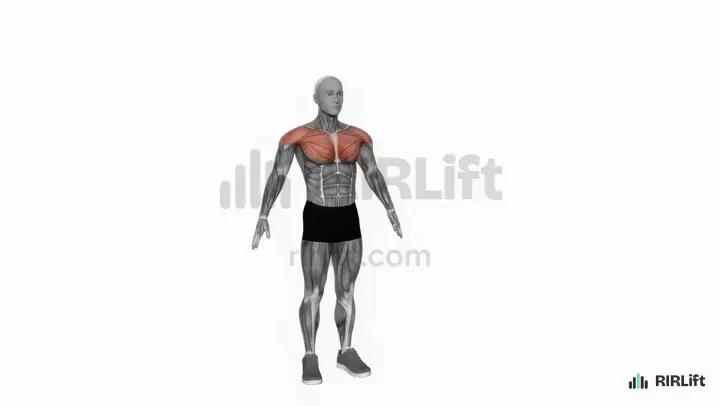
- Arm Circles Shoulders
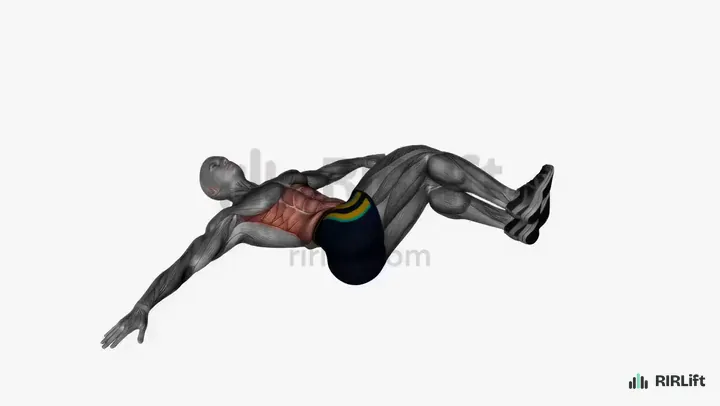
- Windshield Wipers Abs
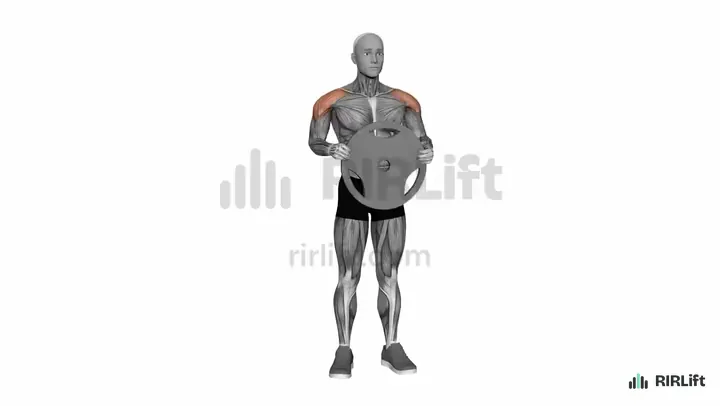
- Plate Halo Shoulders
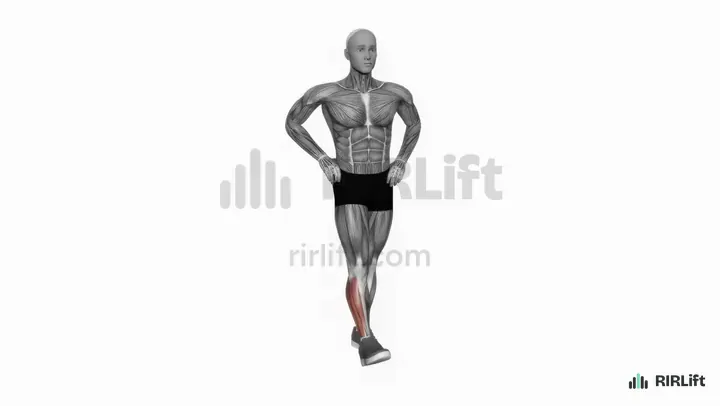
- Ankle Circles Calves
Put them together: example sessions
Each session below picks from the exercises above for one situation, with the sets, reps, rest and RIR filled in. Open one in the session builder to change a pick, price it from a recent set, and add it to RIRLift.
-
Session 1
Before squats, lunges or deadlifts
You are about to train legs and want your hips and ankles moving first.
3× a week · 18 sets a week · ~10 min
-
Session 2
Before pressing or pulling
You have a chest, back or shoulder session next and your shoulders feel tight from sitting.
3× a week · 15 sets a week · ~10 min
-
Session 3
Before a run or field session
You are heading out for a run, a game or a sprint session.
4× a week · 20 sets a week · ~10 min
Session 1
Before squats, lunges or deadlifts
- Workouts3× a week
- Working sets18 a week
- Per workout~10 min
- EquipmentBodyweight
You are about to train legs and want your hips and ankles moving first.
Lower-body sessions ask the most of hip and ankle range, so this list spends two thirds of its time there and finishes with walkouts to wake up the hamstrings. Every drill stays easy, around 4 reps short of any effort, so your legs arrive at the first set loose and fresh.
| Exercise | Sets × reps | RIR | Rest |
|---|---|---|---|
| Leg SwingsPer leg. One set front to back, one set across the body. | 2 × 10–12 | 4 | 15 s |
| Cossack SquatPer side. | 1 × 6–8 | 4 | 15 s |
| Ankle CirclesEach direction, per ankle. | 1 × 10 | 4 | 15 s |
| Spider PlankPer side. | 1 × 6 | 4 | 15 s |
| Walkout | 1 × 5 | 4 | 15 s |
- How to run it
- Run the list top to bottom once, moving straight from one drill to the next. It takes about five minutes; start your first lift right after.
- How to progress
- When the range feels easy, add reps rather than speed: go from 10 to 15 leg swings and from 6 to 8 cossack squats per side.
Session 2
Before pressing or pulling
- Workouts3× a week
- Working sets15 a week
- Per workout~10 min
- EquipmentBarbells, Dumbbells
You have a chest, back or shoulder session next and your shoulders feel tight from sitting.
Upper-body days need the shoulders to reach overhead and behind you, so this list moves from unloaded circles to a light plate, then rotates the spine. It skips the deep leg work because your legs will not be loaded today.
| Exercise | Sets × reps | RIR | Rest |
|---|---|---|---|
| Arm CirclesEach direction. | 1 × 10–15 | 4 | 15 s |
| Plate HaloAlternate directions. | 1 × 6–8 | 4 | 15 s |
| Dumbbell Around the World | 1 × 8–10 | 4 | 15 s |
| Windshield WipersTotal, both sides. | 1 × 8–10 | 4 | 15 s |
| Walkout | 1 × 4–5 | 4 | 15 s |
- How to run it
- One pass, little rest. Use a 5 to 10 pound plate and 2 to 5 pound dumbbells.
- How to progress
- Add a second round of halos before heavy overhead pressing, or grow the arm circles to 15 each way.
Session 3
Before a run or field session
- Workouts4× a week
- Working sets20 a week
- Per workout~10 min
- EquipmentBodyweight
You are heading out for a run, a game or a sprint session.
Running pushes the hips and ankles through big, fast ranges, so the list opens them with swings and circles and ends with a full-body walkout. It is shorter than the lifting lists because the first easy minutes of the run finish the job.
| Exercise | Sets × reps | RIR | Rest |
|---|---|---|---|
| Leg SwingsPer leg. Front to back. | 2 × 12–15 | 4 | 15 s |
| Ankle CirclesEach direction, per ankle. | 1 × 10 | 4 | 15 s |
| Cossack SquatPer side. | 1 × 5–6 | 4 | 15 s |
| Walkout | 1 × 4 | 4 | 15 s |
- How to run it
- Do it on the spot before you leave, then start your run at an easy pace.
- How to progress
- Swing a little faster each set as the range opens, until the last set is close to running speed.
Make it fit you
-
Only two minutes
Do 10 leg swings per leg and 5 walkouts. Between them they reach the hips, hamstrings and shoulders.
-
Stiff from a long day sitting
Start lying down with windshield wipers, then move to walkouts and leg swings. Lying first lets your back loosen before you put weight on it.
-
Log the first lift right after
Once you finish the stretches, log your first working set with its reps in reserve in RIRLift; the next session's weight is picked from it.
-
No equipment at all
Replace the plate halo and around-the-world with a second set of arm circles, done slower and bigger.
-
Tight hamstrings
Add a third set of leg swings and slow the walkout descent to three seconds, bending the knees only as much as you must.
Questions
What are dynamic stretches?
Stretches you move through instead of hold. Each rep takes a joint into a bigger range and back out, so the muscle lengthens under control and warms as it works.
What are 10 dynamic stretches?
Leg swings, cossack squats, ankle circles, arm circles, plate halos, dumbbell around-the-worlds, walkouts, windshield wipers, spider planks and high knees. The first nine are on this page in order.
Should I do dynamic or static stretches before a workout?
Dynamic ones. They warm you up while they stretch. Keep long static holds for after the session or a separate mobility day.
How long should dynamic stretching take?
Five to eight minutes is enough for most sessions: one pass through five or six drills at 6 to 15 reps each.
What are good dynamic stretches for beginners?
Arm circles, leg swings holding a rack and walkouts with bent knees. They need no balance or equipment and you can grow the range at your own pace.