
Dynamic warm up: skips, crawls and jumps that build to game speed
Published October 24, 2026
A dynamic warm up is a run of moving drills that start easy and finish near full speed. Ten minutes covers it: two minutes of skipping, high knees and butt kicks; two minutes of bear crawls, gorilla walks and cossack squats; then fast feet, skater hops, jump squats and two or three box jumps. Every drill is a little faster or more explosive than the one before, so you reach practice, plyos or conditioning already moving at speed.
- Skipping in Place Calves, Quads, Hamstrings
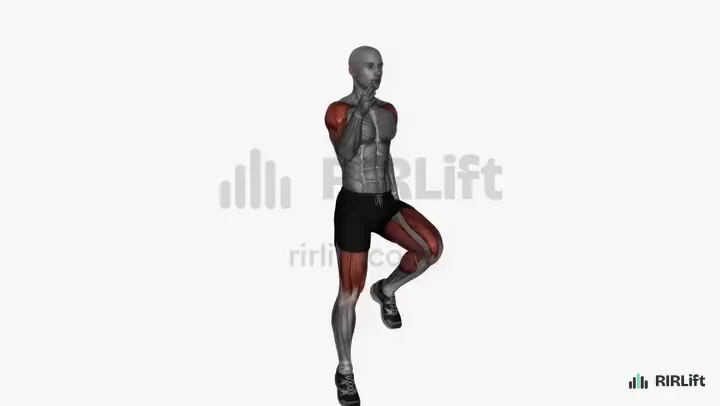
- High Knees Quads
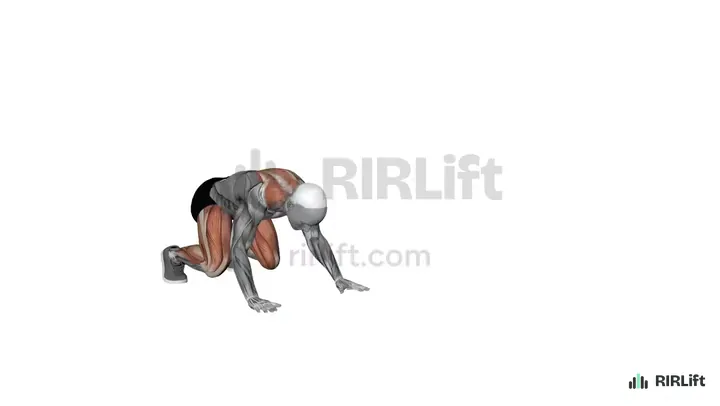
- Bear Crawl Abs, Shoulders
- Gorilla Walk Glutes, Quads, Shoulders
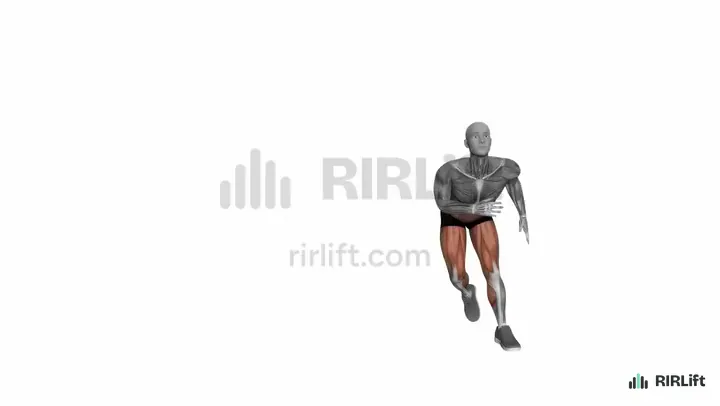
- Skater Hop Glutes, Quads, Abductors
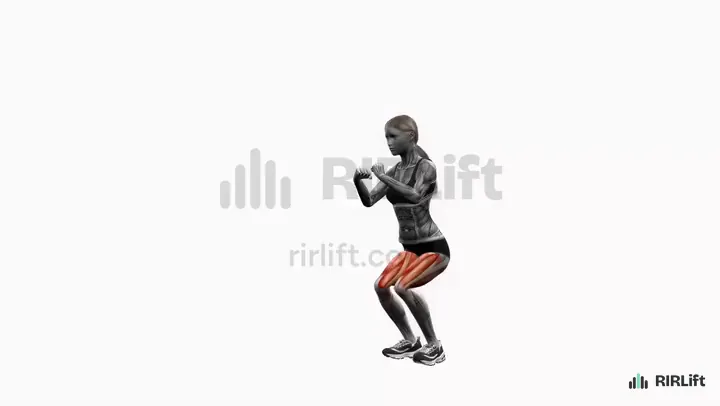
- Jump Squat Quads, Glutes
- Box Jump Quads, Glutes, Hamstrings



Put them together: example sessions
Each session below picks from the exercises above for one situation, with the sets, reps, rest and RIR filled in. Open one in the session builder to change a pick, price it from a recent set, and add it to RIRLift.
-
Session 1
Before team practice or a game
You play a field or court sport and want a routine for the team or for yourself before practice.
4× a week · 32 sets a week · ~10 min
-
Session 2
Before jumps or plyometrics
Your session is box jumps, bounds or other jump training.
2× a week · 14 sets a week · ~10 min
-
Session 3
Before conditioning or a HIIT session
Your session is sprints, intervals or a circuit.
3× a week · 18 sets a week · ~10 min
Session 1
Before team practice or a game
- Workouts4× a week
- Working sets32 a week
- Per workout~10 min
- EquipmentBodyweight
You play a field or court sport and want a routine for the team or for yourself before practice.
Field sports need rhythm, low positions and changes of direction, so this routine runs all three groups and finishes with skater hops rather than box jumps, which need equipment. Effort climbs from easy skips to near-game-speed hops.
| Exercise | Sets × reps | RIR | Rest |
|---|---|---|---|
| Skipping in PlaceSeconds. | 1 × 30 | 4 | 0 s |
| High KneesSeconds. | 1 × 20 | 4 | 0 s |
| Butt KicksSeconds. | 1 × 20 | 4 | 0 s |
| Bear CrawlSeconds. | 1 × 20 | 4 | 0 s |
| Cossack SquatPer side. | 1 × 5 | 4 | 15 s |
| Fast FeetSeconds. Two bursts. | 2 × 10 | 4 | 0 s |
| Skater HopPer side. | 1 × 6–8 | 4 | 15 s |
- How to run it
- Run it on the field. Twenty to thirty seconds per drill with a walk back between.
- How to progress
- Shorten rest between drills as the season goes on, not the drills themselves.
Session 2
Before jumps or plyometrics
- Workouts2× a week
- Working sets14 a week
- Per workout~10 min
- EquipmentPlyo Box
Your session is box jumps, bounds or other jump training.
Jump training is only useful when you are fresh and fast, so this routine spends less time on rhythm drills and more on rising jumps: jump squats at half effort, then box jumps at full effort with rest. The box jumps work as the ramp-up for the jump session.
| Exercise | Sets × reps | RIR | Rest |
|---|---|---|---|
| Skipping in PlaceSeconds. | 1 × 30 | 4 | 0 s |
| Gorilla WalkSeconds. | 1 × 20 | 4 | 0 s |
| Jump SquatHalf effort. | 2 × 5 | 4 | 30 s |
| Box JumpFull effort, step down. | 3 × 3 | 4 | 1 min |
- How to run it
- Do the drills, then three sets of box jumps with full rest. Move into your main jumps right after.
- How to progress
- Raise the box height only when every landing is quiet and balanced.
Session 3
Before conditioning or a HIIT session
- Workouts3× a week
- Working sets18 a week
- Per workout~10 min
- EquipmentBodyweight
Your session is sprints, intervals or a circuit.
Conditioning starts hard, so the routine keeps your heart rate rising all the way: rhythm drills, crawls and fast feet back to back with almost no rest. There are no jumps, because the session will have plenty.
| Exercise | Sets × reps | RIR | Rest |
|---|---|---|---|
| High KneesSeconds. | 1 × 30 | 4 | 0 s |
| Butt KicksSeconds. | 1 × 30 | 4 | 0 s |
| Bear CrawlSeconds. | 1 × 30 | 4 | 0 s |
| Gorilla WalkSeconds. | 1 × 20 | 4 | 0 s |
| Fast FeetSeconds. Two bursts. | 2 × 15 | 4 | 0 s |
- How to run it
- Go straight from one drill to the next. About six minutes.
- How to progress
- Add a second round of fast feet and bear crawls before your hardest interval days.
Make it fit you
-
Indoors with little space
Do the crawls and skips on the spot or in a short lane, out and back.
-
Strength athlete in season
After the warm-up, log your lifting sets with reps in reserve in RIRLift so the next weight is picked from them and you can keep effort around 2 RIR next to practice.
-
Coaching a group
Call the drills in this order and keep everyone together; the order is the progression.
-
Coming back after time off
Leave out the box jumps for the first two weeks and do jump squats at half effort only.
-
Cold weather
Double the rhythm drills before you get low to the ground.
Questions
What are examples of dynamic warm-ups?
Skipping, high knees, butt kicks, bear crawls, gorilla walks, cossack squats, fast feet, skater hops and jump squats, done in that order.
Why is a dynamic warm-up important?
It raises your temperature and rehearses the movements of the session at rising speed, so the first hard rep is not the first fast rep.
What are three types of warm-ups?
General warm-ups like easy cardio, dynamic drills that move through range, and specific ones that rehearse the sport or lift itself.
How long should a dynamic warm-up take?
Eight to twelve minutes for a team sport; five or six before a conditioning session.
Is a dynamic warm-up the same as dynamic stretching?
Dynamic stretches are part of it. A dynamic warm-up adds rhythm drills, crawls and jumps that build toward full speed.