
How to warm up: raise, move, activate, rehearse
Published October 24, 2026
To warm up, go from general to specific in four steps: 5 minutes of easy cardio on a bike, elliptical or treadmill until you are breathing a little harder; 2 to 3 minutes moving the joints you will use, like walkouts and lateral lunges; a minute of light activation such as face pulls or dead bugs; then 2 to 4 light sets of your first exercise that climb toward the working weight. Do more of the first step when you are cold and more of the last step when the session is heavy.
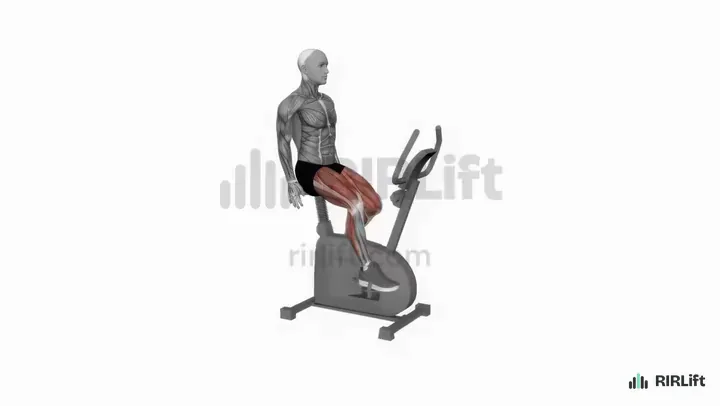
- Stationary Bike Quads, Hamstrings
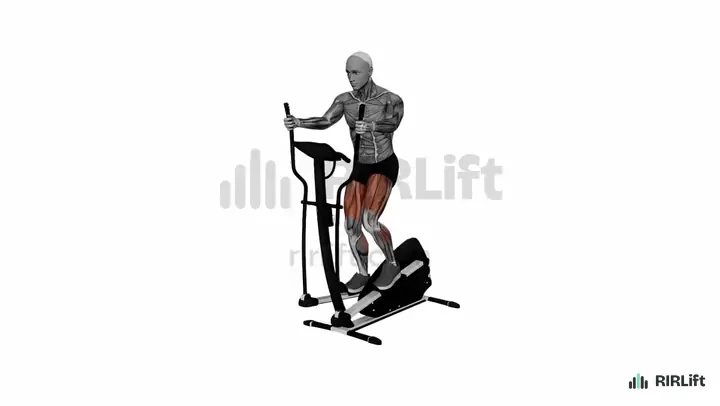
- Elliptical Quads, Hamstrings, Glutes
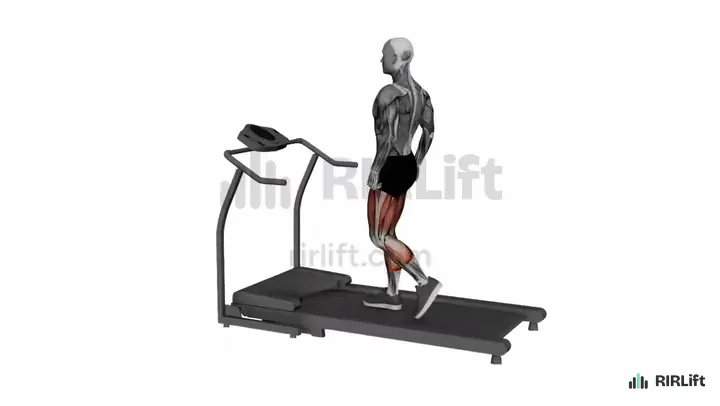
- Treadmill Walk Quads, Glutes, Calves
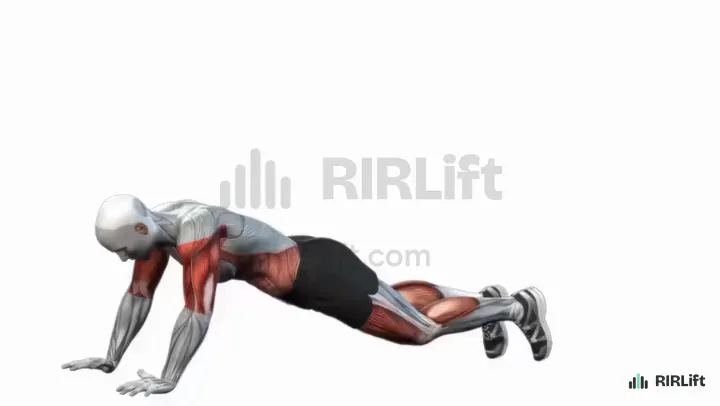
- Walkout Abs, Shoulders, Chest
- Dumbbell Lateral Lunge Quads, Glutes, Adductors
- Band Face Pull Shoulders, Upper Back
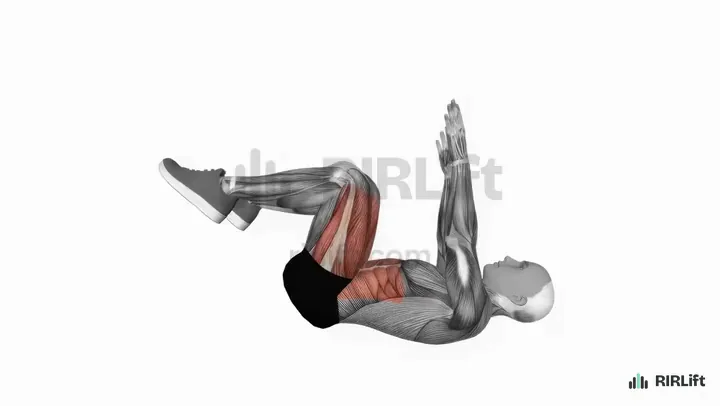
- Dead Bug Abs
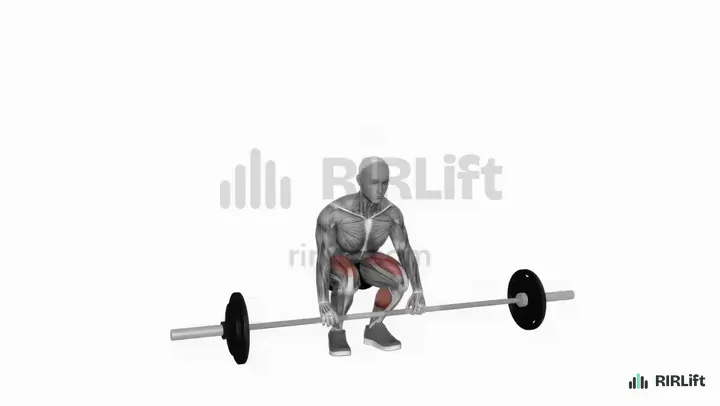
- Barbell Deadlift Glutes, Lower Back


Put them together: example sessions
Each session below picks from the exercises above for one situation, with the sets, reps, rest and RIR filled in. Open one in the session builder to change a pick, price it from a recent set, and add it to RIRLift.
-
Session 1
Heavy deadlift day
Your strength session opens with deadlifts.
2× a week · 20 sets a week · ~25 min
-
Session 2
Before a hard cardio session
Your workout is intervals or a long session on a machine.
3× a week · 27 sets a week · ~10 min
-
Session 3
Cold, stiff morning session
You train first thing and feel stiff for the first ten minutes.
2× a week · 32 sets a week · ~30 min
Session 1
Heavy deadlift day
- Workouts2× a week
- Working sets20 a week
- Per workout~25 min
- EquipmentExercise Bike, Barbells
Your strength session opens with deadlifts.
Deadlifts are heavy and use the whole body, so this plan runs every step and gives the lift four ramp-up sets. The bike warms the legs without tiring them, and the dead bugs rehearse the brace you will hold on the bar.
| Exercise | Sets × reps | RIR | Rest |
|---|---|---|---|
| Stationary BikeSeconds. Five minutes, one resistance level higher each minute. | 5 × 60 | 4 | 0 s |
| Walkout | 1 × 5–6 | 4 | 15 s |
| Dead BugPer side. | 1 × 8–10 | 4 | 15 s |
| Barbell Deadlift4 warm-up sets first | 3 × 3–5 | 2 | 3 min |
- How to run it
- Bike, walkouts, dead bugs, then deadlift. Ramp-up loads around 40, 60, 75 and 85 percent of the working weight.
- How to progress
- Add 5 to 10 pounds when all working sets reach 5 reps at 2 RIR; keep the warm-up the same.
Session 2
Before a hard cardio session
- Workouts3× a week
- Working sets27 a week
- Per workout~10 min
- EquipmentTreadmill, Elliptical, Dumbbells
Your workout is intervals or a long session on a machine.
Hard cardio needs the heart and lungs warmed gradually, so this plan stretches the cardio step to two machines and keeps only a short mobility step. The elliptical's last minutes run at your session's starting pace, which works as the rehearsal.
| Exercise | Sets × reps | RIR | Rest |
|---|---|---|---|
| Treadmill WalkSeconds. Five minutes, speed or incline up each minute. | 5 × 60 | 4 | 0 s |
| EllipticalSeconds. Three minutes, rising to session pace. | 3 × 60 | 4 | 0 s |
| Dumbbell Lateral LungePer side, light dumbbells. | 1 × 6 | 4 | 15 s |
- How to run it
- Treadmill walk, elliptical, then lateral lunges, then start your intervals.
- How to progress
- Add a minute to the elliptical each time the first interval still feels rough.
Session 3
Cold, stiff morning session
- Workouts2× a week
- Working sets32 a week
- Per workout~30 min
- EquipmentExercise Bike, Dumbbells, Resistance Bands, Barbells
You train first thing and feel stiff for the first ten minutes.
When you are stiff the general step matters most, so this plan gives cardio twice as long and adds a second mobility drill before light activation. The first lift is still a deadlift, but with an extra ramp-up set.
| Exercise | Sets × reps | RIR | Rest |
|---|---|---|---|
| Stationary BikeSeconds. Ten easy minutes back to back. | 10 × 60 | 4 | 0 s |
| Walkout | 1 × 6 | 4 | 15 s |
| Dumbbell Lateral LungePer side. | 1 × 6–8 | 4 | 15 s |
| Band Face Pull | 1 × 15 | 4 | 15 s |
| Barbell Deadlift5 warm-up sets first | 3 × 3–5 | 2 | 3 min |
- How to run it
- Ten minutes on the bike, then walkouts, lateral lunges and face pulls before the deadlift.
- How to progress
- As mornings get easier, trim the bike back to six minutes.
Make it fit you
-
Use RIR to tell warm-up from work
Warm-up sets should feel like 5 or more reps in reserve. Log your working sets with their RIR in RIRLift so the next session's weight is picked from them.
-
Second exercise of the day
You are already warm, so one or two ramp-up sets of the new lift are enough.
-
Light, high-rep session
Skip step 4 and use your first working set as the rehearsal, starting a little conservative.
-
Hot day
Cut step 1 to two or three minutes; you warm up faster when it is warm out.
-
Very short session
Keep steps 1 and 4 and drop the rest.
Questions
What is the proper way to warm up?
General to specific: easy cardio, mobility for the joints you will use, light activation, then light sets of the first lift.
What are the 5 stages of a warm-up?
Different coaches split it differently. This page uses four steps; some add a fifth by separating the final ramp-up into practice reps and potentiation sets.
How do I warm up my body fast?
Two or three minutes of brisk cardio, one walkout set, then straight into ramp-up sets of your first exercise.
How do I warm up if I'm cold?
Spend longer on easy cardio, up to ten minutes, and wear an extra layer until you are sweating lightly.
What is a good cardio warm-up?
Five minutes on a bike, elliptical or treadmill, starting easy and getting a little harder each minute.
How many warm-up sets should I do?
Two for light or isolation exercises, three or four before a heavy compound lift.