
Exercises for fencing: lunge, footwork and weapon arm
Published October 24, 2026
The best exercises for fencing are the forward lunge and Bulgarian split squat for lunge strength and recovery, the Nordic hamstring curl and Copenhagen plank for the hamstrings and inner thighs, single-leg calf raises, jump squats and ladder drills for footwork, face pulls and external rotations for the weapon shoulder, and side planks for the trunk. Train them twice a week, a few reps short of failure, and give the back leg and off arm the same work as the lead side, because fencing itself trains one side far more than the other.
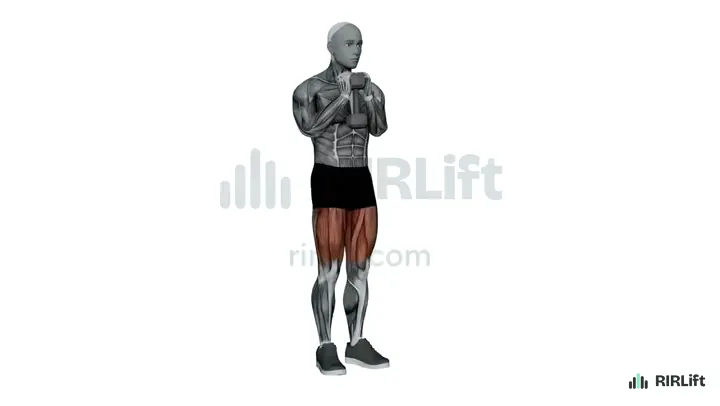
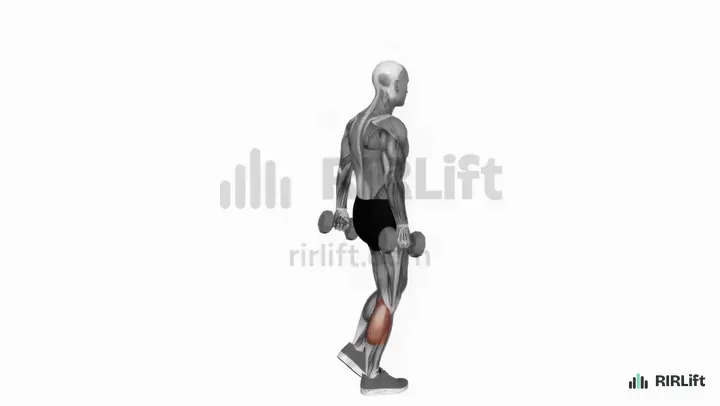
- Dumbbell Forward Lunge Quads, Glutes
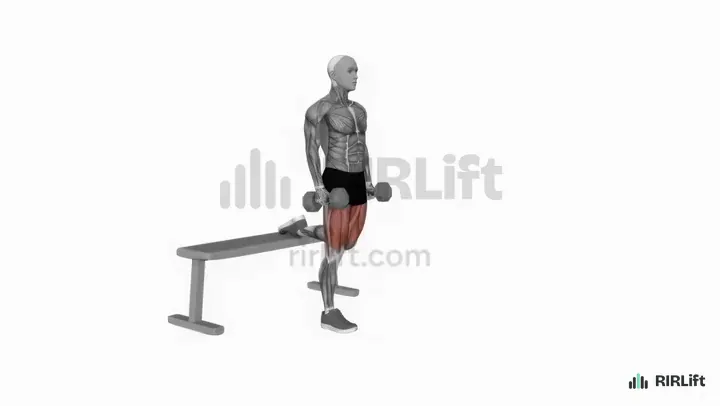
- Bulgarian Split Squat Quads, Glutes
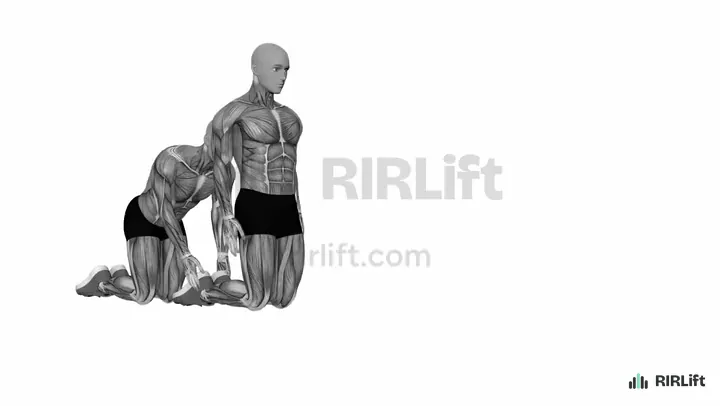
- Nordic Hamstring Curl Hamstrings
- Copenhagen Plank Adductors, Abs
- Single-Leg Calf Raise Calves
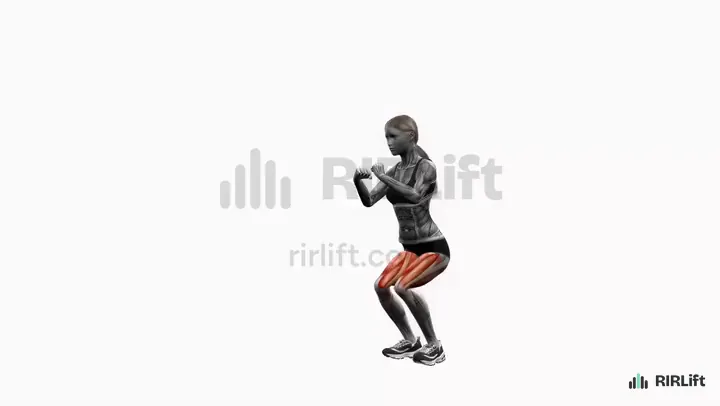
- Jump Squat Quads, Glutes
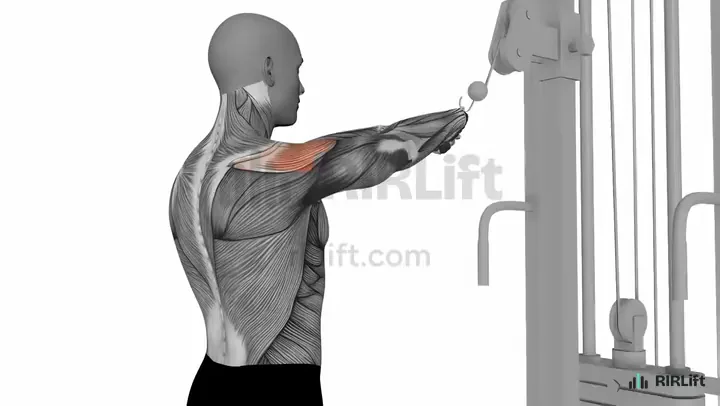
- Face Pull Shoulders, Upper Back
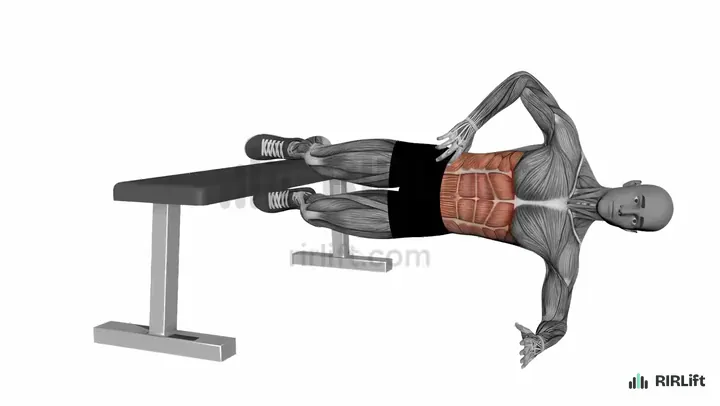
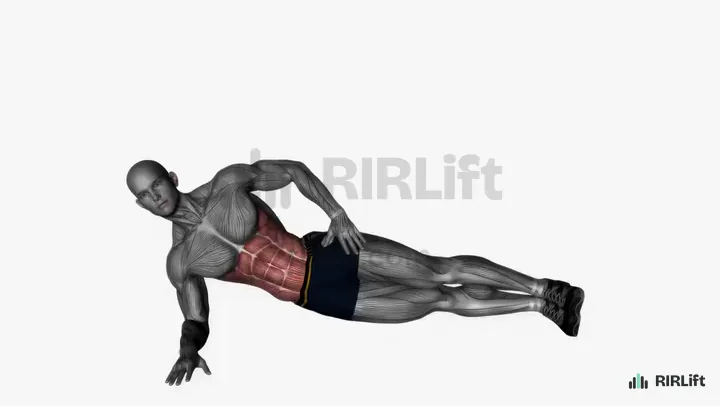
- Side Plank Abs
Put them together: example sessions
Each session below picks from the exercises above for one situation, with the sets, reps, rest and RIR filled in. Open one in the session builder to change a pick, price it from a recent set, and add it to RIRLift.
-
Session 1
Competition season
You fence three or four times a week and compete most weekends or every other weekend.
2× a week · 26 sets a week · ~30 min
-
Session 2
Off-season build
You have a break from competitions, practice less, and want stronger, faster legs for next season.
2× a week · 33 sets a week · ~40 min
-
Session 3
New fencer getting fit for the club
You have just started fencing, or are about to, and want to handle classes without your legs giving out.
2× a week · 22 sets a week · ~25 min
Session 1
Competition season
- Workouts2× a week
- Working sets26 a week
- Per workout~30 min
- EquipmentDumbbells, Adjustable Cable
You fence three or four times a week and compete most weekends or every other weekend.
Fencing practice is already heavy on legs, so this plan keeps strength with one short session done twice a week. It starts with jumps while you are fresh, then one lunge or split squat, the hamstrings, and a few minutes of shoulder and trunk work, all 2 to 3 reps short of failure. That is 13 working sets, and it leaves your legs ready for the next practice.
| Exercise | Sets × reps | RIR | Rest |
|---|---|---|---|
| Jump Squat | 3 × 4–6 | 3 | 75 s |
| Dumbbell Forward LungePer leg. | 3 × 6–8 | 2 | 90 s |
| Nordic Hamstring Curl | 2 × 3–5 | 3 | 2 min |
| Face Pull | 2 × 12–15 | 2 | 45 s |
| Dumbbell External RotationWeapon arm, then the other. | 1 × 12–15 | 2 | 30 s |
| Side PlankSeconds per side. | 2 × 30 | 2 | 45 s |
- How to run it
- Lift on a light practice day early in the week and again midweek. Leave at least two days before a competition.
- How to progress
- Hold the weights steady during the season. Add a rep or two when sets feel easy, but do not chase new maximums.
Session 2
Off-season build
- Workouts2× a week
- Working sets33 a week
- Per workout~40 min
- EquipmentPlyo Box, Dumbbells, Adjustable Cable
You have a break from competitions, practice less, and want stronger, faster legs for next season.
With less fencing, two sessions a week can push harder: heavier single-leg work at 1 to 2 reps in reserve, plyometrics in both sessions, and dedicated adductor and calf work. Session A is lunge strength and power; Session B is hamstrings, inner thighs and foot speed. Both sessions train both legs equally, with an extra set for the back leg, because fencing builds the front one for you.
| Exercise | Sets × reps | RIR | Rest |
|---|---|---|---|
| Lateral Box JumpEach direction. | 3 × 4–6 | 3 | 75 s |
| Bulgarian Split SquatPer leg, extra set on the back leg. | 4 × 6–10 | 1 | 2 min |
| Dumbbell Forward LungePer leg. | 3 × 6–8 | 2 | 90 s |
| Single-Leg Calf RaisePer leg. | 3 × 10–15 | 1 | 1 min |
| Face Pull | 3 × 12–15 | 1 | 45 s |
Open A: Lunge and Power in the session builder
| Exercise | Sets × reps | RIR | Rest |
|---|---|---|---|
| Agility Ladder Drill2 lengths. | 4 × 1 | 3 | 45 s |
| Jump Squat | 3 × 5–6 | 3 | 75 s |
| Nordic Hamstring Curl | 3 × 3–6 | 2 | 2 min |
| Copenhagen PlankSeconds per side. | 3 × 20–30 | 2 | 1 min |
| Dumbbell External RotationPer arm. | 2 × 12–15 | 1 | 30 s |
| Side PlankSeconds per side. | 2 × 45 | 1 | 45 s |
Open B: Hamstrings, Adductors, Feet in the session builder
- How to run it
- Do A and B once a week each, two to three days apart.
- How to progress
- Add reps up to the top of each range, then add load. After six to eight weeks, switch to the in-season plan two weeks before your first competition.
Session 3
New fencer getting fit for the club
- Workouts2× a week
- Working sets22 a week
- Per workout~25 min
- EquipmentDumbbells, Adjustable Cable
You have just started fencing, or are about to, and want to handle classes without your legs giving out.
Beginners mostly need stronger legs, calves and a steady trunk to hold the stance and practice footwork for a full class. This plan uses only bodyweight and light dumbbells, two sessions a week, every set 2 to 3 reps short of failure so you are not sore for class. Each session has 11 working sets.
| Exercise | Sets × reps | RIR | Rest |
|---|---|---|---|
| Dumbbell Forward LungePer leg, bodyweight first. | 2 × 8–10 | 3 | 75 s |
| Bulgarian Split SquatPer leg. | 2 × 6–8 | 3 | 75 s |
| Single-Leg Calf RaisePer leg. | 2 × 10–15 | 2 | 45 s |
| Agility Ladder Drill2 lengths, slow and clean. | 2 × 1 | 3 | 45 s |
| Face Pull | 2 × 12–15 | 2 | 45 s |
| Side PlankSeconds per side. | 1 × 20–30 | 2 | 45 s |
- How to run it
- Do the session twice a week on non-class days. Start the lunges and split squats with bodyweight.
- How to progress
- Add reps first, then light dumbbells once every set reaches the top of the range at 2 reps in reserve. Add jumps after four weeks.
Make it fit you
-
Epee and long bouts
Add one more set of calf raises and a wall sit of 45 seconds to each session. Epee bouts reward legs that hold guard a long time.
-
Sabre and explosive attacks
Do jump squats and lateral box jumps in both sessions, and keep strength sets at 4 to 6 reps in the off-season. Sabre is short and fast, so power matters more than endurance.
-
Training at home
Everything works at home except the cable face pull and the Nordic curl. Use a band for face pulls, and hook your feet under a sofa for Nordics.
-
One leg much stronger
Start every single-leg exercise with the weaker leg and match its reps on the stronger side. Add one extra set on the weaker leg until the numbers even out.
-
Let the RIR pick the weight
Log reps in reserve on each set. RIRLift picks the next session's weight from it, so after a competition weekend your lifting adjusts without guesswork.
Questions
Does fencing get you in shape?
Yes. Fencing practice is repeated short bursts of footwork and lunges, which builds leg endurance and fitness. Adding two short gym sessions a week makes the legs stronger, evens out the lead and back sides, and balances the weapon shoulder.
What muscles does fencing use?
Mostly the quads, glutes, hamstrings, inner thighs and calves, which hold the stance and power the lunge. The trunk stabilizes the upper body, and the shoulder and forearm of the weapon arm hold the blade up and control it.
What is a good fencing workout?
Start with a few jumps or a ladder drill, then a lunge or split squat, a hamstring exercise like the Nordic curl, an adductor hold, and finish with face pulls and side planks. Two sessions a week, a few reps short of failure, fit around club practice.
Should fencers lift weights?
Yes, in short sessions. Strength training builds lunge power, strengthens the hamstrings and inner thighs, and balances the one-sided demands of the sport. Keep it two days a week and away from competition days.
How can I get faster at fencing?
Practice footwork, and build leg power with jump squats, lateral jumps and strong lunges in the gym. Speed in a bout also depends on timing and distance, so the gym makes you able to move fast while practice teaches when.
Related templates
-
Exercises for martial arts: strength, power and conditioning
Another combat sport built on stance, footwork and explosive attacks.
-
Tennis workout: strength training for footwork, rotation and a durable shoulder
Footwork-heavy racket sport with a dominant arm to protect.
-
Nordic hamstring curl: how to do it, scale it, and program it
The full guide to the slow hamstring lowering in every plan.
-
The best workout for legs, built for your situation
More leg sessions for an off-season with extra time.
-
How to use reps in reserve (RIR)
How to judge the reps in reserve targets so you stay fresh for practice.