Exercises for martial arts: strength, power and conditioning

The best exercises for martial arts are the trap bar deadlift, Bulgarian split squat and kettlebell swing for hip and leg power, pull-ups and push-ups for the upper body, landmine rotational presses and medicine ball throws for striking and throwing rotation, the Pallof press and Copenhagen plank for the trunk and groin, farmer's walks and dead hangs for grip, and jump rope, shadow boxing and burpees for conditioning rounds. Strikers lean toward rotation and speed, grapplers toward pulling and grip, and both do best with two strength days kept a couple of reps short of failure next to class.

  1. Trap Bar Deadlift Quads, Glutes
  2. Bulgarian Split Squat Quads, Glutes
  3. Kettlebell Swing Glutes, Hamstrings
  4. Pull-Up Lats
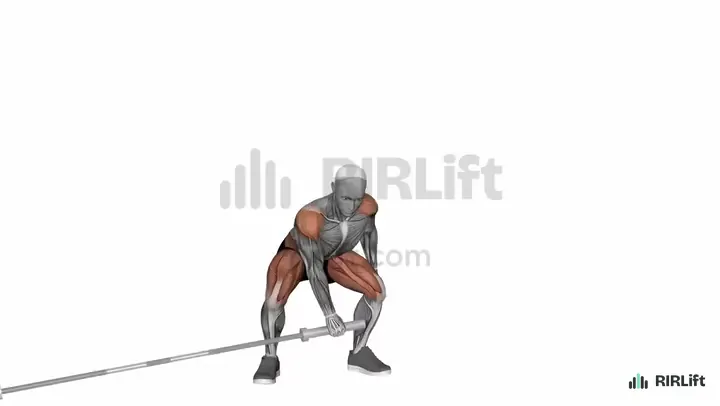
  5. Landmine Rotational Press Shoulders, Abs
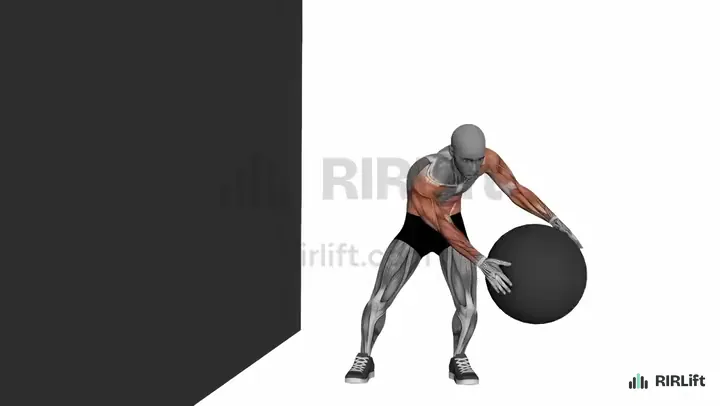
  6. Med Ball Rotational Throw Abs
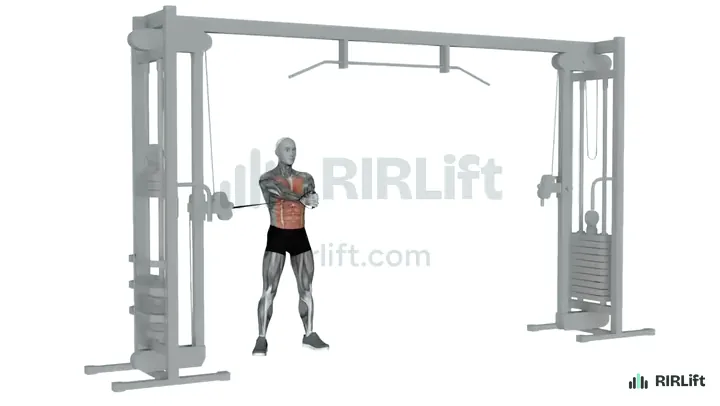
  7. Pallof Press Abs
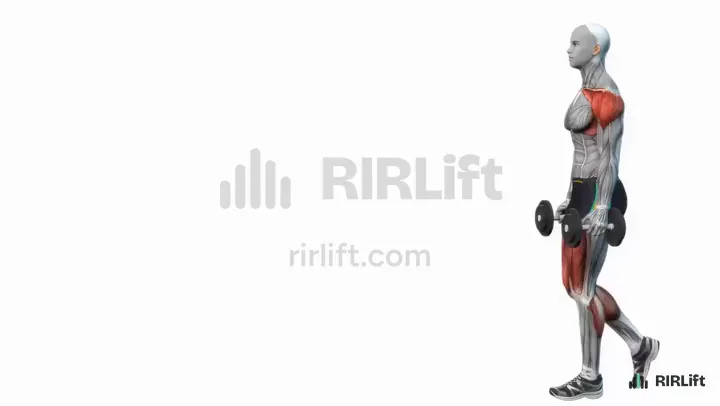
  8. Farmer's Walk Forearms, Traps, Shoulders
  9. Jump Rope Calves, Quads

Leg and hip exercises for martial arts

The legs and hips drive every kick, takedown and stance change. Use one heavy hinge, one single-leg exercise and something explosive.

Hip and leg strength for every art

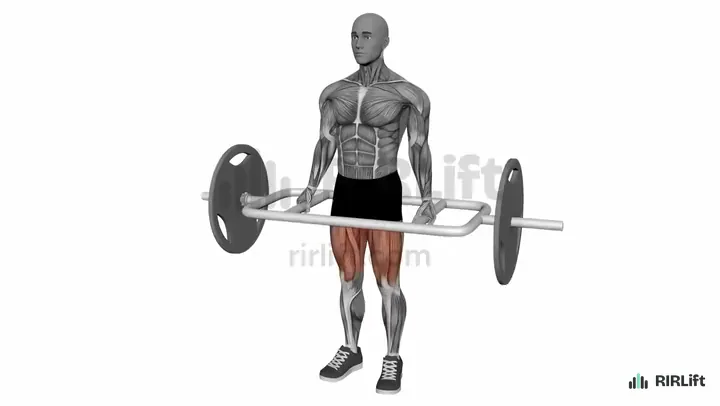
Trap Bar Deadlift

Quads, Glutes

Kicks, takedowns, sprawls and stance changes all start in the hips. The trap bar is the easiest heavy pull to learn and recover from, so it fits beside a hard class schedule.

How to do it

  1. Step inside the trap bar and line the handles up with your ankles.
  2. Bend your hips and knees, grip the handles and set a flat back.
  3. Push through the floor until you stand fully upright.
  4. Hinge back down and set the bar on the floor before the next rep.

Cues

  • Flat back
  • Drive with the legs
  • Finish tall

Common mistakes

  • Jerking the bar off the floor: take the slack out first.
  • Hyperextending at the top: just stand straight.

Swap for: Barbell Deadlift, Kettlebell Deadlift, Dumbbell Romanian Deadlift

Single-leg strength for stance and kicks

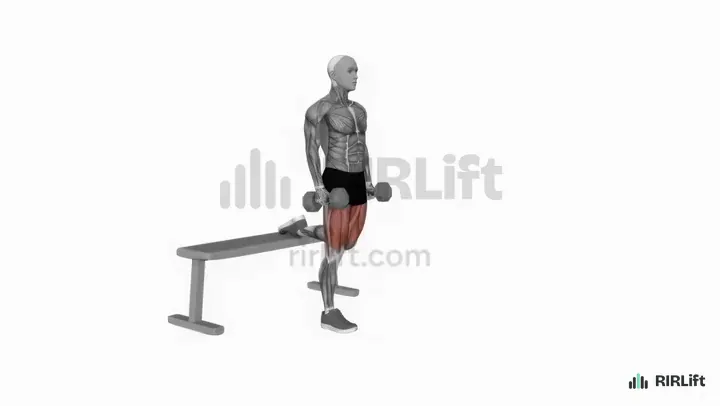
Bulgarian Split Squat

Quads, Glutes

Martial arts happen on one leg a lot: kicking, checking, shooting a single and pivoting. Split squats build each leg and the balance to stay stable while the other leg is busy.

How to do it

  1. Put your rear foot on a bench behind you, laces down, and hold dumbbells at your sides.
  2. Sink straight down, stopping with the front thigh about level with the floor.
  3. Keep the front heel planted and the knee lined up with your toes.
  4. Drive back up and finish all reps on one leg before switching.

Cues

  • Front leg does the work
  • Stay tall
  • Control the bottom

Common mistakes

  • Front heel lifting: move the front foot further out.
  • Knee collapsing inward: push it out over the middle toes.

Swap for: Dumbbell Split Squat, Dumbbell Reverse Lunge, Goblet Squat

Explosive hip drive

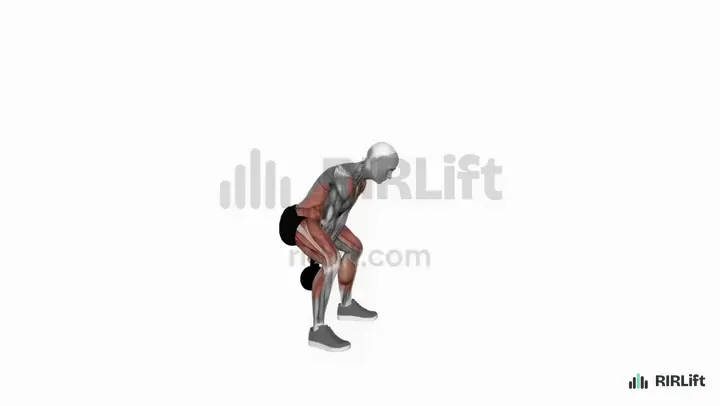
Kettlebell Swing

Glutes, Hamstrings

The swing trains a fast, hard hip snap that shows up in a roundhouse, a hip throw or bridging out from the bottom. It also builds the back of the body with almost no knee stress.

How to do it

  1. Stand with the kettlebell a foot in front of you and your feet a bit wider than your hips.
  2. Hinge, grab the handle, and hike the bell back between your legs.
  3. Snap your hips forward so the bell floats up to chest height with straight arms.
  4. Let it fall back between your legs, hinge to absorb it, and snap again.

Cues

  • Hinge, don't squat
  • Snap the hips
  • Arms are just ropes

Common mistakes

  • Lifting the bell with the shoulders: the hips do the work.
  • Squatting the swing: hips go back, knees bend only a little.

Swap for: Dumbbell Swing, Dumbbell Romanian Deadlift, Kettlebell Deadlift

Lower-body speed

Box Jump

Quads, Glutes, Hamstrings

Fast footwork, a quick level change and a switch kick all depend on how quickly the legs produce force. A few low-rep box jumps after the warm-up build that speed.

How to do it

  1. Stand about a foot from a sturdy box.
  2. Swing your arms and drop into a quarter squat.
  3. Jump and land softly on top with both feet.
  4. Step down and reset fully before the next jump.

Cues

  • Explode up
  • Soft knees on the landing
  • Step down

Common mistakes

  • A box so tall the landing is a deep squat: lower it.
  • Jumping continuously off the box: reset between reps.

Swap for: Jump Squat, Lateral Box Jump, Jumping Lunge

Build a session with Box Jump

Upper body strength for striking and grappling

Pulls build clinch and grip strength, pushes build punches and frames. Keep at least as many pulls as pushes so the shoulders stay balanced.

Pulling strength for the clinch and grappling

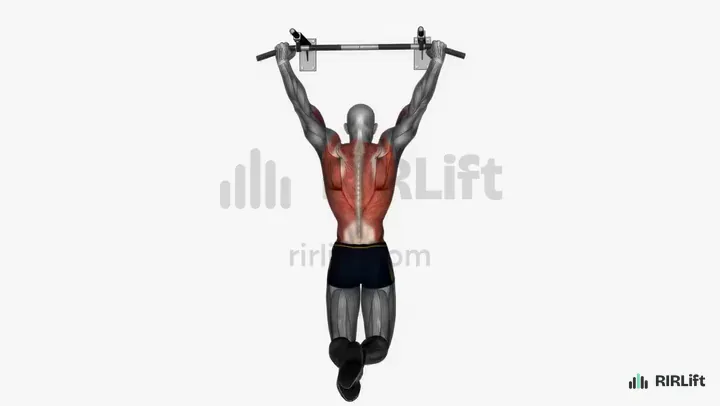
Pull-Up

Lats

Pulling an opponent in, controlling a clinch and fighting for grips all use the lats and upper back. Pull-ups build them and also grip the bar like you grip a collar or sleeve.

How to do it

  1. Hang with hands just outside your shoulders, palms facing away.
  2. Draw your shoulder blades down first.
  3. Drive your chest upward, finishing with the chin past the bar.
  4. Lower slowly to a full hang.

Cues

  • Shoulders down first
  • Chin over the bar
  • Full hang

Common mistakes

  • Swinging to get the last reps: keep them strict.
  • Stopping short of a straight arm: lower all the way.

Swap for: Chin-Up, Band-Assisted Pull-Up, Lat Pulldown

Build a session with Pull-Up

Pushing strength and shoulder endurance

Push-Up

Chest

Push-ups build the chest, shoulders and triceps behind straight punches and framing, and letting the shoulder blades move freely trains the muscles around them. Weighted or slow push-ups keep progressing for years.

How to do it

  1. Place your hands a little wider than your shoulders and brace your body rigid.
  2. Bend your elbows to lower your chest, elbows angled back.
  3. Go down until your chest is close to the floor.
  4. Push back up to straight arms.

Cues

  • Rigid body
  • Elbows back
  • Full range

Common mistakes

  • Sagging hips: squeeze your glutes.
  • Flared elbows: angle them back toward your hips.

Swap for: Weighted Push-Up, Explosive Push-Up, Flat Dumbbell Press

Build a session with Push-Up

Rotational power and core

Strikes and throws are rotations, and a strong trunk both creates that turn and resists being turned. Pair a fast throw with an anti-rotation exercise.

Rotation into a press

Landmine Rotational Press

Shoulders, Abs

This lift links a hip turn to a pressing arm, the same chain as a cross or a rear hand. It builds rotational strength with a load you can control.

How to do it

  1. Stand side-on to a landmine in a wide athletic stance and squat to grip the end of the bar low by one hip.
  2. Turn your hips and pivot your back foot as you stand and lift the bar up and across your body.
  3. Finish with the arm straight overhead on the angle and your chest facing the bar's anchor point.
  4. Return the bar to your hip and repeat, then switch sides.

Cues

  • Pivot the back foot
  • Hips turn first
  • Press through to lockout

Common mistakes

  • Pressing with the arm only: turn the hips to drive it.
  • Going too heavy so it turns into a grind: this is a speed exercise with moderate weight.

Swap for: Landmine Press, Med Ball Rotational Throw, Cable Woodchop

Rotational power

Med Ball Rotational Throw

Abs

Hooks, round kicks and hip throws all rely on how fast you rotate. Throwing a ball hard into a wall trains that speed, which slower loaded lifts can't.

How to do it

  1. Stand side-on to a wall holding a medicine ball at your back hip.
  2. Load the back hip and turn your shoulders away.
  3. Uncoil from the hips and throw the ball into the wall as hard as you can.
  4. Catch it, reset, and do all reps on one side before switching.

Cues

  • Hips first
  • Throw hard
  • Reset each throw

Common mistakes

  • Arm-only throws: start the turn from the back foot.
  • Too heavy a ball: choose one you can throw fast.

Swap for: Med Ball Woodchop, Landmine Rotational Press, Cable Woodchop

Full-body power and conditioning

Medicine Ball Slam

Lats, Abs

A slam trains the whole body to fire top-down, like the drive of a sprawl or a downward elbow. Done in short sets it builds power; in rounds it builds conditioning.

How to do it

  1. Hold a slam ball overhead with your arms straight, standing tall on your toes.
  2. Pull it down hard with your whole body, hinging your hips and bending your knees.
  3. Drive it down just ahead of your toes.
  4. Pick it up with a flat back and repeat.

Cues

  • Reach tall
  • Slam through the floor
  • Pick it up with your legs

Common mistakes

  • Throwing with the arms only: crunch your trunk and hinge into every slam.
  • Rounding your back to pick it up: squat down to the ball.

Swap for: Med Ball Rotational Throw, Battle Rope Slam, Kettlebell Swing

Trunk stiffness against rotation

Pallof Press

Abs

Taking a body shot, posting in a scramble and staying square in your stance all need a trunk that refuses to twist. The Pallof press trains that with a cable pulling you sideways.

How to do it

  1. Stand side-on to a cable at chest height and hold the handle at your chest.
  2. Step out to put tension on the cable.
  3. Press the handle straight out and hold it in front of you without turning.
  4. Bring it back and repeat, then face the other way.

Cues

  • Don't turn
  • Tall posture
  • Exhale on the press

Common mistakes

  • Leaning away to fight the cable: stand straight and lighten it.
  • Turning the hips: keep them square.

Swap for: Dead Bug, Side Plank, Cable Woodchop

Groin strength for kicks and guards

Copenhagen Plank

Adductors, Abs

The adductors on the inside of the thigh drive and stop kicks, squeeze a guard and handle wide stances. This side plank loads them directly with only a bench.

How to do it

  1. Lie on your side next to a bench and rest the inside of your top knee on it.
  2. Prop up on your bottom elbow.
  3. Lift your hips until your body is straight and the bottom leg floats off the floor.
  4. Hold, then switch sides.

Cues

  • Press the top leg down
  • Hips high
  • Breathe

Common mistakes

  • Starting from the ankle: earn the long lever with the knee first.
  • Sagging hips: end the hold when the line breaks.

Swap for: Side Plank, Hip Adduction Machine, Band Hip Adduction

Grip exercises for grappling

Grip often gives out before anything else in grappling. Heavy carries and long hangs train strength and endurance with little recovery cost.

Grip and posture

Farmer's Walk

Forearms, Traps, Shoulders

Holding heavy dumbbells while walking builds the grip used for collars, sleeves and the clinch, plus a trunk that stays tall under load. It costs little recovery.

How to do it

  1. Pick up heavy dumbbells at your sides with a flat back.
  2. Stand tall with shoulders down.
  3. Walk with short, quick steps.
  4. Set them down by hinging once the distance is done.

Cues

  • Crush the handles
  • Tall posture
  • Quick steps

Common mistakes

  • Leaning or twisting: lighten up.
  • Shrugging up toward the ears: keep shoulders down.

Swap for: Dumbbell Suitcase Carry, Dead Hang, Plate Pinch Deadlift

Grip endurance and shoulder health

Dead Hang

Forearms

A long hang trains the grip endurance grapplers need to hold on round after round, and it gently decompresses the shoulders after striking or pressing.

How to do it

  1. Grip a pull-up bar with your hands about shoulder width.
  2. Lift your feet and hang with your arms straight.
  3. Keep your shoulders slightly engaged so you are not hanging limp.
  4. Hold for the planned time, then step down.

Cues

  • Full grip
  • Long arms
  • Breathe slowly

Common mistakes

  • Hanging completely loose at the shoulders: keep them slightly active.
  • Letting the thumbs off the bar: wrap them around.

Swap for: Farmer's Walk, Pull-Up, Plate Pinch Deadlift

Build a session with Dead Hang

Martial arts conditioning

Rounds are short and intense. Train in rounds too, matching the work and rest of your sport, and keep this light on days with hard sparring.

Footwork and aerobic base

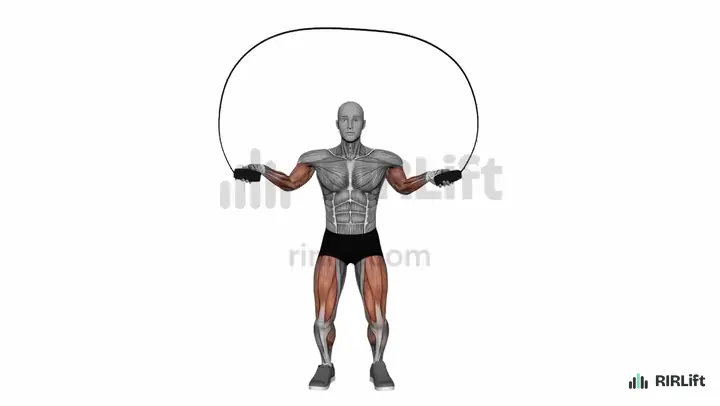
Jump Rope

Calves, Quads

Rope work builds light, quick feet and the calf endurance of moving on the balls of your feet for many rounds. It doubles as a warm-up.

How to do it

  1. Hold the handles at your hips with the rope behind your heels.
  2. Turn the rope with your wrists, not your arms.
  3. Jump just high enough to clear the rope, landing on the balls of your feet.
  4. Keep a steady rhythm for the planned time.

Cues

  • Wrists turn the rope
  • Low jumps
  • Stay light on your feet

Common mistakes

  • Jumping high and landing flat: stay on the balls of your feet.
  • Swinging the arms wide: keep elbows close.

Swap for: Jump Rope Alternating Foot, Skipping in Place, High Knees

Build a session with Jump Rope

Striking conditioning

Shadow Boxing

Shoulders, Biceps, Triceps

Throwing punches for timed rounds builds the shoulder endurance and the breathing rhythm of striking without a partner. Keep your hands up and the rhythm steady.

How to do it

  1. Stand tall with your feet planted and your hands up.
  2. Throw straight punches, alternating hands, at a steady pace.
  3. Return each hand to your guard as the other one extends.
  4. Work for the round time, rest, and repeat.

Cues

  • Hands back to the face
  • Exhale on every punch
  • Steady rhythm

Common mistakes

  • Dropping the guard as you tire: slow down and keep form.
  • Locking the elbows hard: snap the punch back before full lockout.

Swap for: Boxing Jab, Boxing Cross, Jump Rope

Getting up off the mat fast

Burpee

Quads, Glutes, Chest, Shoulders

The burpee drills the get-down and get-up of a sprawl and recovering your feet, and it spikes your heart rate like a hard exchange. Use it in short rounds.

How to do it

  1. Stand tall, then squat down and plant your palms.
  2. Kick your feet back into a plank.
  3. Jump your feet back under you.
  4. Stand up and jump, reaching your arms overhead.

Cues

  • Fast down, fast up
  • Solid plank
  • Land soft

Common mistakes

  • Sagging hips in the plank: brace on every rep.
  • Slowing to a walk-out: keep it crisp or rest.

Swap for: Half Burpee, Mountain Climber, Dumbbell Burpee

Build a session with Burpee

Put them together: example sessions

Each session below picks from the exercises above for one situation, with the sets, reps, rest and RIR filled in. Open one in the session builder to change a pick, price it from a recent set, and add it to RIRLift.

Session 1

Strikers training next to class

Open in the session builder
  • Workouts2× a week
  • Working sets25 a week
  • Per workout~30 min
  • EquipmentPlyo Box, Trap Bar, Landmine, Pull-Up Bar +3

You train a striking art such as karate, taekwondo, kickboxing or Muay Thai three or four times a week and have two gym days.

Classes already deliver lots of conditioning and impact, so the gym days focus on strength and power with 11 to 13 working sets at 2 reps in reserve. Rotation and hip power come first while you are fresh, and conditioning stays out because class covers it.

Striker A
ExerciseSets × repsRIRRest
Box Jump 3 × 3 3 90 s
Trap Bar Deadlift2 warm-up sets first 3 × 3–5 2 2:30 min
Landmine Rotational Press 3 × 5–6 2 90 s
Pull-Up 3 × 5–8 2 2 min
Copenhagen PlankSeconds per side. 2 × 20–30 2 1 min

Open Striker A in the session builder

Striker B
ExerciseSets × repsRIRRest
Med Ball Rotational ThrowFive throws per side. 3 × 5 3 1 min
Bulgarian Split Squat 3 × 6–8 2 90 s
Push-Up 3 × 8–15 2 90 s
Pallof Press 2 × 10 2 1 min

Open Striker B in the session builder

How to run it
Lift on days without hard sparring, ideally after a technique class or on an off day.
How to progress
Add weight to the trap bar deadlift and split squat when sets reach the top of the range. Keep throws and jumps at the same reps and try to make each one faster.

Session 2

Grapplers training next to the mat

Open in the session builder
  • Workouts2× a week
  • Working sets24 a week
  • Per workout~30 min
  • EquipmentKettlebells, Trap Bar, Pull-Up Bar, Dumbbells +1

You train judo, jiu-jitsu or wrestling several times a week and need grip, pulling strength and strong hips.

Grappling taxes grip and pulling muscles in every class, so the gym adds strength to them without matching the mat's volume: about 12 sets per session at 2 reps in reserve. Grip work comes last so it doesn't weaken the main lifts.

Grappler A
ExerciseSets × repsRIRRest
Kettlebell Swing 3 × 8–10 2 90 s
Trap Bar Deadlift2 warm-up sets first 3 × 4–6 2 2:30 min
Pull-Up 4 × 5–8 2 2 min
Farmer's WalkWalk 30 meters. 2 × 1 2 90 s

Open Grappler A in the session builder

Grappler B
ExerciseSets × repsRIRRest
Bulgarian Split Squat 3 × 6–10 2 90 s
Push-Up 3 × 10–15 2 90 s
Copenhagen PlankSeconds per side. 2 × 30 2 1 min
Pallof Press 2 × 10 2 1 min
Dead HangSeconds. 2 × 30–60 1 90 s

Open Grappler B in the session builder

How to run it
Train on lighter mat days. Keep the second session at least two days before a competition.
How to progress
Add weight to the trap bar deadlift and pull-up first. Add 5 seconds to the dead hang each week until it reaches a minute.

Session 3

Little time, minimal equipment

Open in the session builder
  • Workouts3× a week
  • Working sets42 a week
  • Per workout~30 min
  • EquipmentKettlebells, Pull-Up Bar, Medicine Ball, Jump Rope

You train at home or in a small gym with a kettlebell, a rope, a medicine ball and somewhere to hang, and you want strength and conditioning in one short session.

When time is short, strength and conditioning share a session: three strength exercises at 2 to 3 reps in reserve, then rounds of rope, shadow boxing and burpees that copy fight rounds. The total stays near 14 sets so you can repeat it three times a week next to class.

Strength and Rounds
ExerciseSets × repsRIRRest
Kettlebell Swing 3 × 10–15 2 90 s
Pull-Up 3 × 5–10 2 90 s
Medicine Ball Slam 3 × 6–8 3 1 min
Jump RopeTwo minutes per round. 2 × 1 3 1 min
Shadow BoxingTwo minutes per round. 2 × 1 3 1 min
Burpee 1 × 10 2 1 min
How to run it
Do this three times a week. On weeks with hard sparring, skip the conditioning rounds.
How to progress
Add swing weight or pull-up reps first. For the rounds, add 15 seconds of work before shortening the rest.

Make it fit you

Questions

What are the best exercises for MMA?

The same base as here: a heavy hinge, single-leg squats, pull-ups, push-ups, rotational throws and anti-rotation work, plus grip and conditioning. MMA blends striking and grappling, so take one session from each of the first two plans.

Is strength training good for martial arts?

Yes. Stronger legs, hips and back make strikes harder and takedowns easier to finish or stop, and two short sessions a week are enough next to class.

How many days a week should martial artists lift?

Two is enough for most people training three or more classes. Add a third short session in breaks between competitions.

What muscles matter most for martial arts?

The glutes and hips for kicking and takedowns, the obliques and trunk for rotation, the lats and grip for pulling and clinching, and the shoulders for punching endurance.

Can I do a martial arts workout at home?

Yes. The home rounds plan uses a kettlebell, a bar to hang from, a rope and a medicine ball, and the conditioning rounds need nothing at all.

Will lifting make me slower?

Not if you keep a few explosive exercises like box jumps and throws, stop sets short of failure and keep your skill training. Strength gives speed something to work with.