
Hip activation exercises: wake up the outer, inner and back of the hip in 8 minutes
Published October 24, 2026
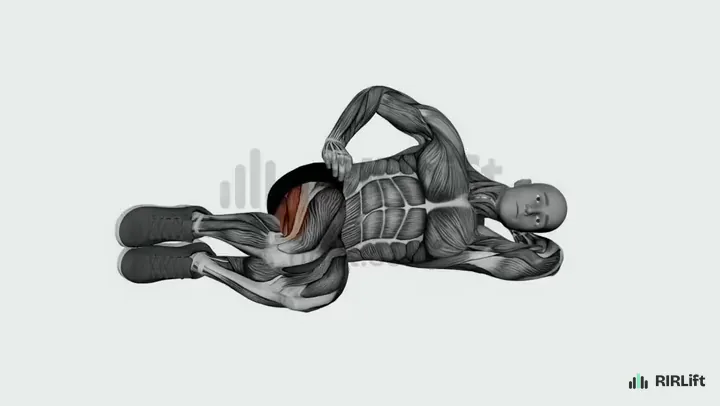
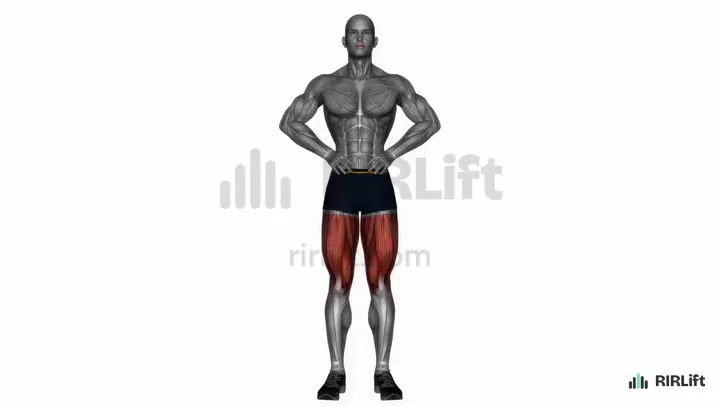
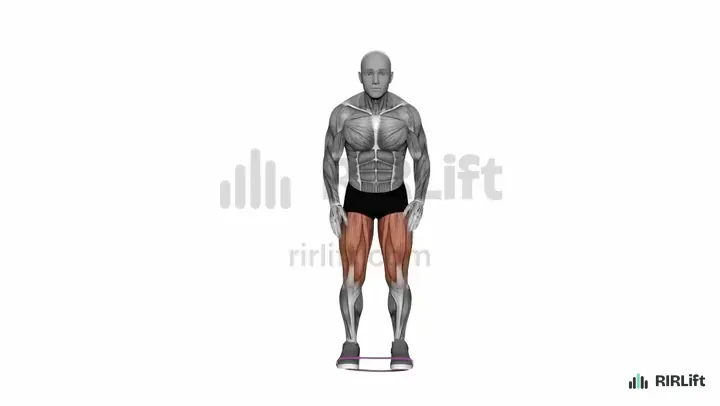
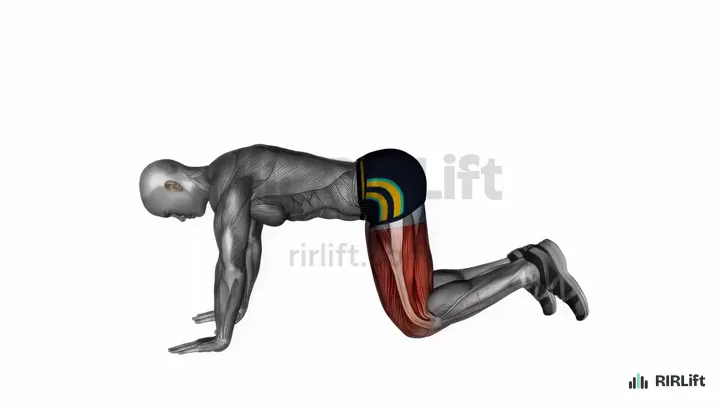
For a hip activation warm-up, do 3 minutes on the elliptical, 10 bodyweight squats, then one round each of 12 clamshells, 10 side leg raises, 10 donkey kicks per side, 10 band adductions per side and 10 steps each way of lateral band walks. It takes about 8 minutes and covers the outer, inner and back of the hip. Before squats or hip thrusts, add 2 to 3 lighter sets of that lift.
- Clamshell Abductors
- Standing Side Leg Raise Abductors
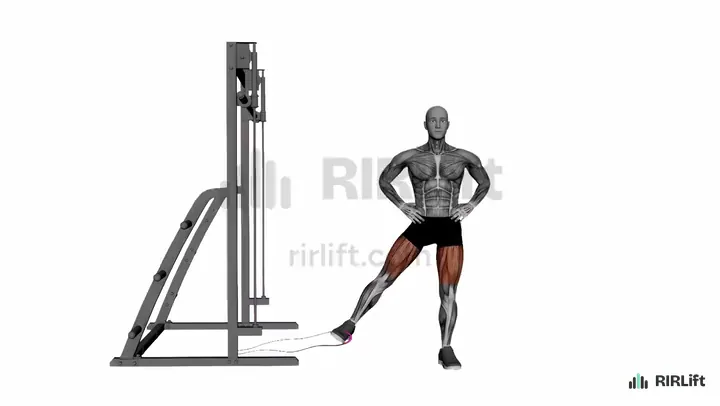
- Lateral Band Walk Abductors
- Donkey Kick Glutes
- Band Hip Adduction Adductors
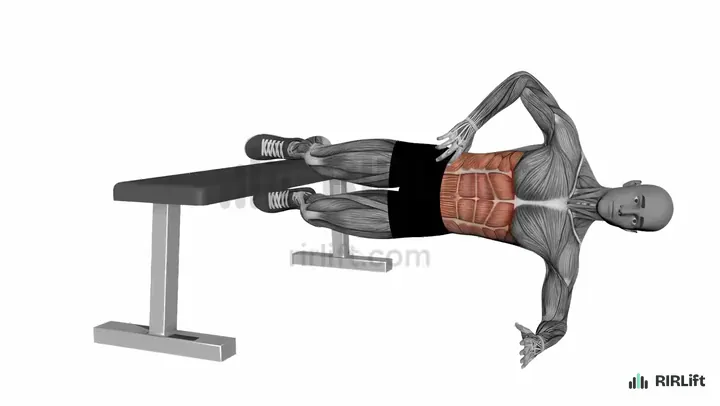
- Copenhagen Plank Adductors, Abs
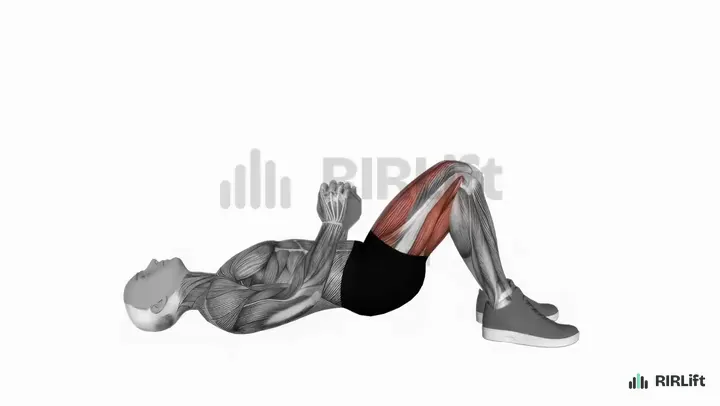
- Dumbbell Glute Bridge Glutes
Put them together: example sessions
Each session below picks from the exercises above for one situation, with the sets, reps, rest and RIR filled in. Open one in the session builder to change a pick, price it from a recent set, and add it to RIRLift.
-
Session 1
Before heavy squats
You squat first and your knees tend to drift in, or your hips feel stiff in the first sets.
2× a week · 22 sets a week · ~20 min
-
Session 2
Glute day with hip thrusts
Your session is glute-focused and starts with hip thrusts.
2× a week · 18 sets a week · ~20 min
-
Session 3
Before a run or court sport
You run, play tennis, basketball or soccer, and want your hips ready for single-leg work and side-to-side moves.
3× a week · 21 sets a week · ~10 min
Session 1
Before heavy squats
- Workouts2× a week
- Working sets22 a week
- Per workout~20 min
- EquipmentElliptical, Resistance Bands, Barbells
You squat first and your knees tend to drift in, or your hips feel stiff in the first sets.
The outer-hip drills come right before the squat because they help keep the knees tracking over the toes. Everything stops with 3 to 4 reps in reserve, and three ramp-up sets on the squat lead into working sets at 2 reps in reserve.
| Exercise | Sets × reps | RIR | Rest |
|---|---|---|---|
| EllipticalSeconds. | 3 × 60 | 5 | 0 s |
| Bodyweight SquatSlow, 2 s down. | 1 × 10 | 5 | 0 s |
| ClamshellPer side. | 1 × 12 | 4 | 0 s |
| Lateral Band WalkSteps each way. | 2 × 10 | 4 | 15 s |
| Band Hip AdductionPer side. | 1 × 10 | 4 | 0 s |
| Barbell Back Squat3 warm-up sets first | 3 × 5–8 | 2 | 2:30 min |
- How to run it
- Go through the warm-up blocks with no more than 15 seconds of rest, then start the squat ramp-up.
- How to progress
- Add weight to the squat when every set hits the top of its range at 2 reps in reserve. Keep the activation the same each session.
Session 2
Glute day with hip thrusts
- Workouts2× a week
- Working sets18 a week
- Per workout~20 min
- EquipmentDumbbells, Barbells, Flat Bench
Your session is glute-focused and starts with hip thrusts.
This version spends more time on the back of the hip with donkey kicks and a bridge, then two ramp-up sets on the thrust. It keeps the adductor hold short so it doesn't tire you before the main lift.
| Exercise | Sets × reps | RIR | Rest |
|---|---|---|---|
| High KneesSeconds. | 2 × 30 | 5 | 15 s |
| Standing Side Leg RaisePer side. | 1 × 10 | 4 | 0 s |
| Donkey KickPer side. | 1 × 10 | 4 | 0 s |
| Dumbbell Glute Bridge | 1 × 12 | 4 | 0 s |
| Copenhagen PlankSeconds. Per side. | 1 × 15 | 3 | 0 s |
| Hip Thrust2 warm-up sets first | 3 × 8–12 | 1 | 2 min |
- How to run it
- Warm-up blocks in order, then the hip thrust with its two warm-up sets.
- How to progress
- On the hip thrust, add reps up to 12, then add weight and start back at 8.
Session 3
Before a run or court sport
- Workouts3× a week
- Working sets21 a week
- Per workout~10 min
- EquipmentResistance Bands
You run, play tennis, basketball or soccer, and want your hips ready for single-leg work and side-to-side moves.
No barbell here. Running and cutting load one leg at a time, so the routine uses standing drills and the inner-hip work that sideways moves need, then finishes with high knees at rising speed.
| Exercise | Sets × reps | RIR | Rest |
|---|---|---|---|
| Bodyweight Squat | 1 × 10 | 5 | 0 s |
| Band Standing Hip Abduction | 1 × 15 | 4 | 0 s |
| Lateral Band WalkSteps each way. | 1 × 12 | 4 | 0 s |
| Band Hip AdductionPer side. | 1 × 12 | 4 | 0 s |
| Copenhagen PlankSeconds. Per side. | 1 × 10 | 4 | 15 s |
| High KneesSeconds. Faster each round. | 2 × 20 | 3 | 20 s |
- How to run it
- Do it right before you head out or onto the court. The last block should leave you breathing fast and ready to go.
- How to progress
- Add steps to the band walks and a few seconds to the Copenhagen hold over the weeks; leave the rest the same.
Make it fit you
-
Sit at a desk all day
Add a second round of bodyweight squats and donkey kicks. Hours of sitting keep the front of the hip bent, and these two take it the other way.
-
Knees cave in on squats
Do the lateral band walk as the very last drill before your squat ramp-up sets so the outer hip is fresh in your mind.
-
No band
Clamshells, side leg raises and donkey kicks need nothing. Swap the band adduction for a Copenhagen plank with the knee on the bench.
-
Short on time
Pick one drill from step 3 and one from step 4, one round each, and go straight to your ramp-up sets. That is about 3 minutes.
-
One hip feels weaker
Start each one-sided drill on that side and do the same reps on the other side.
-
Log the reps you had left
Keep the warm-up light and log your working sets with the reps you had left. RIRLift picks the next session's squat or thrust weight from that number.
Questions
How do I activate my hips?
Warm up for a few minutes, then do light sets that hit the outer hip (clamshells or band walks), the inner hip (band adduction) and the back of the hip (donkey kicks or a bridge). Stop each set well before it gets hard.
What is the best exercise for hip mobility?
There is no single best one. For a warm-up, bodyweight squats and cossack squats move the hip through its range under control; see our hip mobility warm-up for a full routine.
Will walking strengthen hip muscles?
Walking keeps the hips moving, but it is light work for them. Band walks, bridges and single-leg exercises give the hip muscles a real load.
How long should a hip activation warm-up take?
Five to ten minutes covers it: a few minutes of cardio, a minute of squats, and four short activation drills.
Do hip activation exercises help squats?
They warm up the muscles that control your knees and pelvis, so your first squat sets often feel more stable. Ramp-up sets of the squat itself still come last.
Related templates
-
Hip mobility warm-up: 8 minutes for stiff hips before squats and pulls
Moves that take the hips through their full range, for stiff days.
-
Glute activation exercises: short routines before you squat or run
More glute-focused drills for hip thrust and deadlift days.
-
Hip exercises with resistance bands: outer hips, inner thighs, glutes and hinges
Band hip exercises to train hard, not just warm up.
-
The best workout for your glutes and butt
Full glute sessions to run after this warm-up.
-
Warm-up sets
How many light sets of the first lift to do, and how fast to climb to your working weight.