
How to warm up for pull-ups: a 6-minute routine
Published October 24, 2026
To warm up for pull-ups, jump rope for 2 minutes, do 20 seconds of arm circles each way, hang from the bar for 20 seconds, then do 15 band pull-aparts and 8 inverted rows. Finish with 2 easier pull-up sets: 5 band-assisted pull-ups and 2 to 3 regular pull-ups, well short of failure. That takes about 6 minutes.
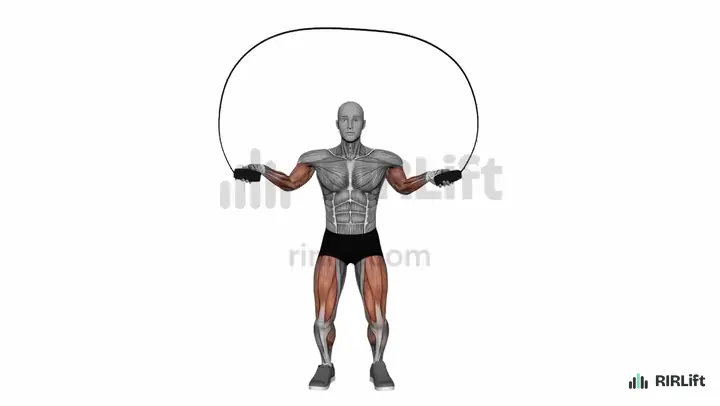
- Jump Rope Calves, Quads
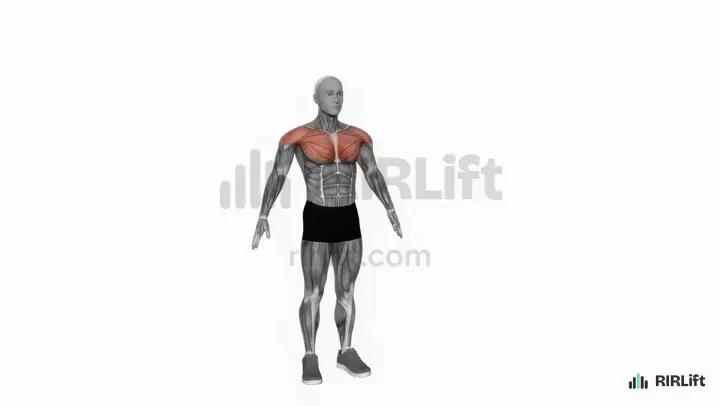
- Arm Circles Shoulders
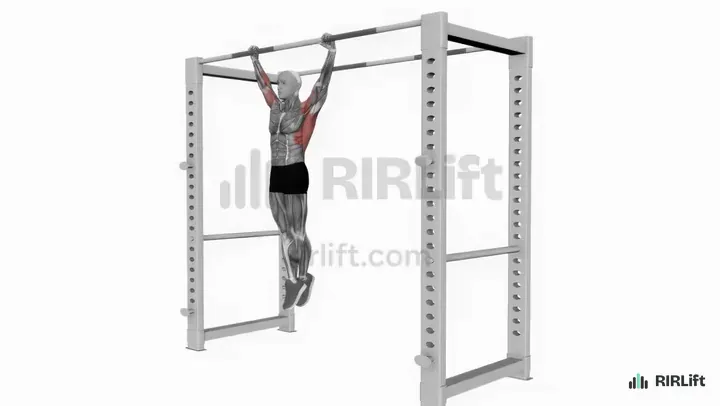
- Dead Hang Forearms
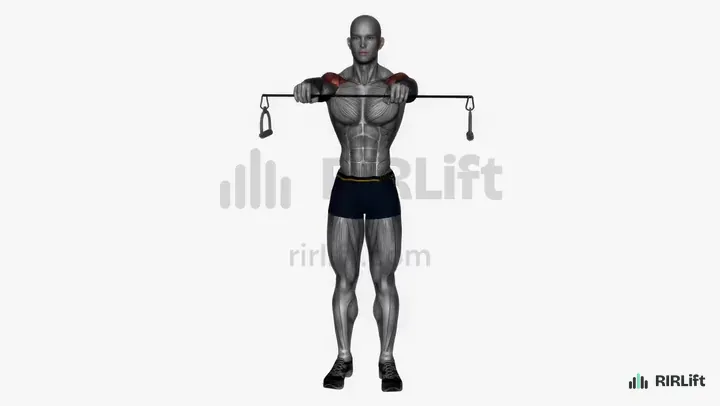
- Band Pull-Apart Shoulders, Upper Back
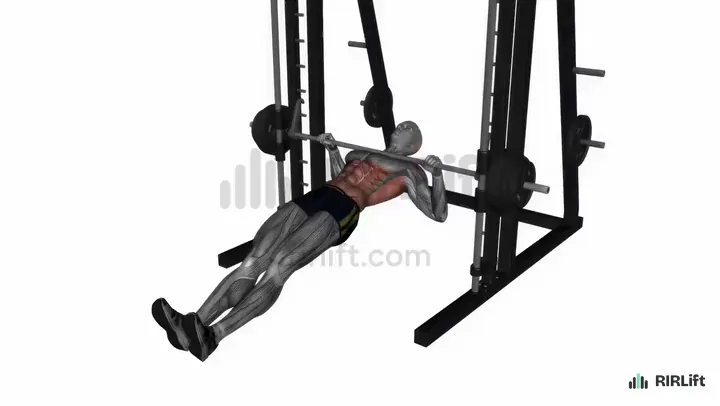
- Inverted Row Upper Back, Lats
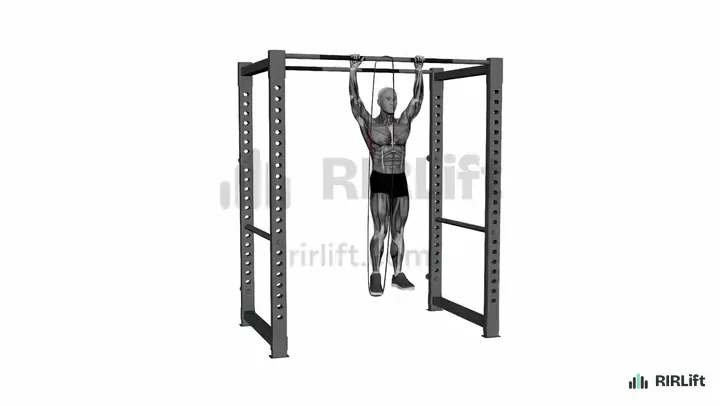
- Band-Assisted Pull-Up Lats
Put them together: example sessions
Each session below picks from the exercises above for one situation, with the sets, reps, rest and RIR filled in. Open one in the session builder to change a pick, price it from a recent set, and add it to RIRLift.
-
Session 1
Pull-up strength day
You can do 3 or more strict pull-ups and want more.
2× a week · 18 sets a week · ~20 min
-
Session 2
Working toward your first pull-up
You can't do a strict pull-up yet and train on an assisted machine.
3× a week · 21 sets a week · ~10 min
-
Session 3
Chin-up session
You train chin-ups and neutral-grip pull-ups on a bar with parallel handles.
2× a week · 18 sets a week · ~20 min
Session 1
Pull-up strength day
- Workouts2× a week
- Working sets18 a week
- Per workout~20 min
- EquipmentJump Rope, Pull-Up Bar, Resistance Bands
You can do 3 or more strict pull-ups and want more.
Strict pull-ups for strength need full effort from the first working set, so the warm-up gets you there in two steps: a band set of 5 at 4 reps in reserve, then a bodyweight warm-up set of 2 to 3. Working sets stop at 1 rep in reserve; grinding to failure on every set costs reps on the next one.
| Exercise | Sets × reps | RIR | Rest |
|---|---|---|---|
| Jump RopeSeconds. | 2 × 60 | 5 | 0 s |
| Dead HangSeconds. | 1 × 20 | 5 | 0 s |
| Band Pull-Apart | 1 × 15 | 4 | 0 s |
| Band-Assisted Pull-Up | 1 × 5 | 4 | 30 s |
| Pull-Up1 warm-up set first | 4 × 3–8 | 1 | 2:30 min |
- How to run it
- Run the blocks in order, rest 60 seconds after the band set, then do your warm-up and working pull-ups.
- How to progress
- Add a rep per set each session. Once you reach 8 on every set, add a few pounds with a belt or dumbbell between your feet.
Session 2
Working toward your first pull-up
- Workouts3× a week
- Working sets21 a week
- Per workout~10 min
- EquipmentPull-Up Bar, Barbells, Assisted Machine
You can't do a strict pull-up yet and train on an assisted machine.
If you can't do a pull-up yet, the assisted machine is the working exercise. Two short hangs build grip and comfort on the bar, and the inverted row warms the pulling muscles. Working sets stop at 1 rep in reserve.
| Exercise | Sets × reps | RIR | Rest |
|---|---|---|---|
| Arm CirclesSeconds each way. | 1 × 20 | 5 | 0 s |
| Dead HangSeconds. | 2 × 15 | 4 | 30 s |
| Inverted Row | 1 × 8 | 4 | 0 s |
| Assisted Pull-Up1 warm-up set first | 3 × 6–10 | 1 | 90 s |
- How to run it
- Hangs, row, then the assisted pull-up with one lighter warm-up set.
- How to progress
- When you reach 10 reps on all three sets, lower the assistance one step and start again at 6.
Session 3
Chin-up session
- Workouts2× a week
- Working sets18 a week
- Per workout~20 min
- EquipmentJump Rope, Barbells, Pull-Up Bar
You train chin-ups and neutral-grip pull-ups on a bar with parallel handles.
Chin-ups usually come easier than pull-ups, so this session starts with them, ramps up over two sets, and adds neutral-grip sets after. No band needed.
| Exercise | Sets × reps | RIR | Rest |
|---|---|---|---|
| Jump RopeSeconds. | 2 × 45 | 5 | 0 s |
| Arm CirclesSeconds each way. | 1 × 20 | 5 | 0 s |
| Inverted Row | 1 × 8 | 4 | 0 s |
| Chin-Up2 warm-up sets first | 3 × 4–10 | 1 | 2 min |
| Neutral-Grip Pull-Up | 2 × 4–10 | 1 | 2 min |
- How to run it
- Warm-up blocks, two chin-up warm-up sets, working chin-ups, then neutral-grip pull-ups.
- How to progress
- Add reps until all chin-up sets reach 10, then move the neutral-grip pull-ups first for a few weeks.
Make it fit you
-
No band
Replace the band set with 3 slow negatives: jump to the top and lower yourself over 3 seconds.
-
Only two minutes
Hang for 20 seconds, do 10 pull-aparts, then one easy set of pull-ups.
-
Grip gives out first
Make the dead hang two sets of 20 to 30 seconds and use chalk.
-
Weighted pull-ups
After the bodyweight warm-up set, add one set of 2 reps with half your working weight.
-
Kipping pull-ups
Do your strict ramp-up sets first, then a few easy kipping reps before your working sets.
-
Log the reps you had left
Log each pull-up set with how many reps you had left. RIRLift picks your next session's weight or assistance from that number.
Questions
How do you warm up for pull-ups?
Two minutes of easy cardio, arm circles, a 20-second hang, a set of band pull-aparts and inverted rows, then an easier pull-up set (band-assisted) and a few strict reps before your working sets.
Do I need to warm up before pull-ups?
Yes, especially before a max set. A short warm-up lets the first set feel like your best set instead of your stiffest one.
What are the best warm-up exercises for pull-ups?
Dead hangs, band pull-aparts, inverted rows and band-assisted pull-ups. Together they warm the grip, shoulders, upper back and the pull-up pattern itself.
How to do pull-ups if you can't do any?
Use an assisted machine or a band for 3 sets of 6 to 10, stopping 1 rep short of failure, and reduce the help as reps climb. Slow negatives also help.
Will pull-ups build a big back?
They are one of the best lat builders. Most people need rows as well for the upper back, and enough hard sets each week.
Should I hang before pull-ups?
A short hang of 15 to 30 seconds is a good part of the warm-up. Long hangs to failure belong after your pull-up sets.
Related templates
-
Pull ups: form, your first rep and the best alternatives
How to do the pull-up well, with progressions.
-
Lat activation exercises: learn to feel your lats before rows, pulldowns and deadlifts
Drills to feel your lats before pulldowns and rows.
-
Pull day warm-up: hang, squeeze, then ramp up your first pull
A warm-up for a whole pull session at the gym.
-
Assisted pull-up alternatives: no machine, same progress
Other ways to build up to your first pull-up.
-
How to use reps in reserve (RIR)
How to judge the reps-in-reserve targets used in these routines.