
Warm up for deadlifts: groove the hinge, then ramp the bar
Published October 24, 2026
To warm up for deadlifts, ride the air bike easily for 3 minutes, then do 12 band good mornings, 12 band pull-throughs, 8 kettlebell deadlifts, 10 light kettlebell swings and a 20-second side plank per side. Then pull 135 lb (or two 25s for lighter lifters) for 5, and add weight in 2 or 3 more jumps of 3, 2 and 1 reps up to your first working set. Deadlifts need fewer warm-up sets than squats because each heavy pull costs more.
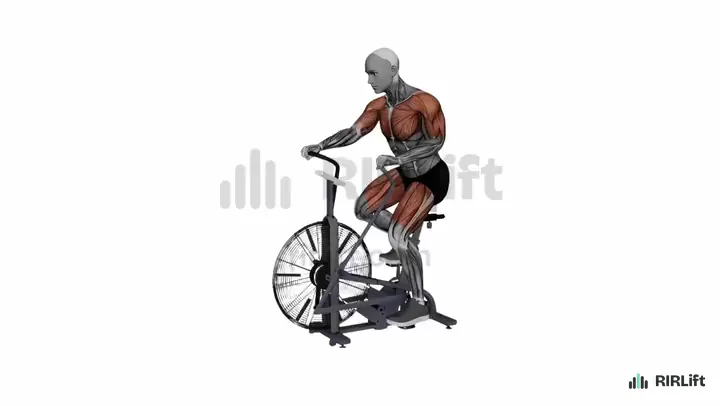
- Air Bike Quads, Hamstrings, Glutes
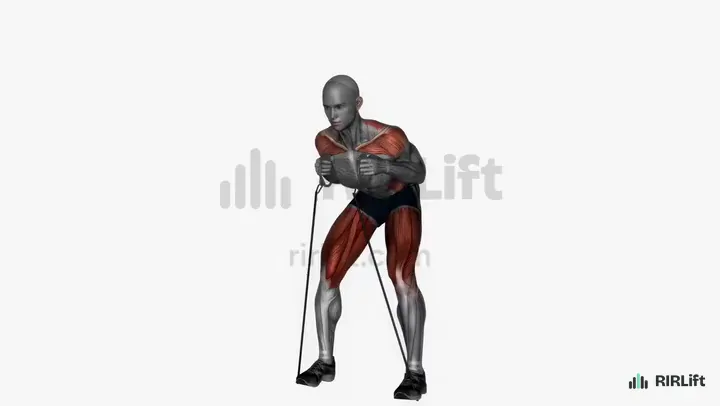
- Band Good Morning Hamstrings, Lower Back
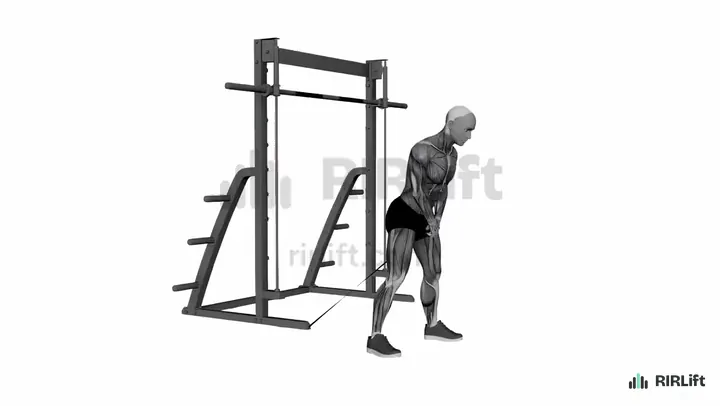
- Band Pull-Through Glutes
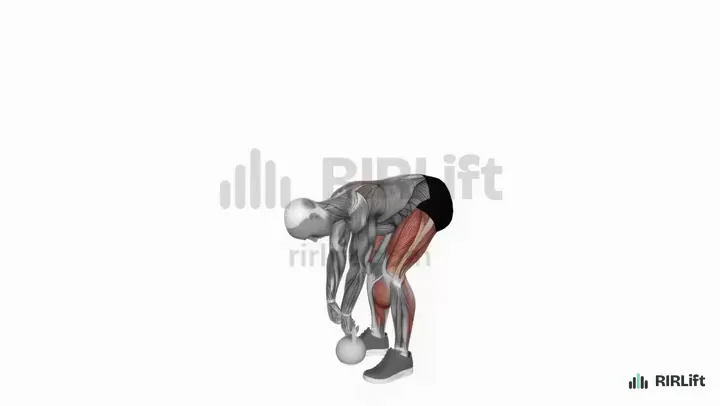
- Kettlebell Deadlift Glutes, Hamstrings, Lower Back
- Kettlebell Swing Glutes, Hamstrings
- Side Plank Abs
- Barbell Deadlift Glutes, Lower Back
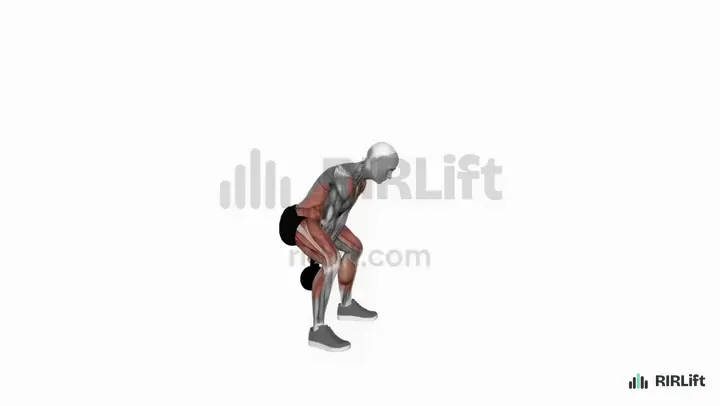
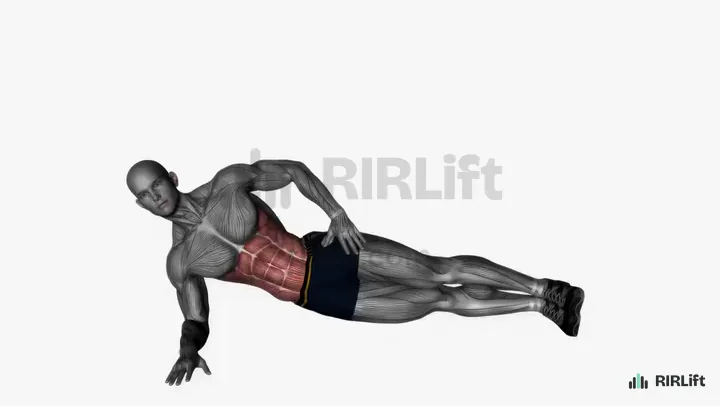
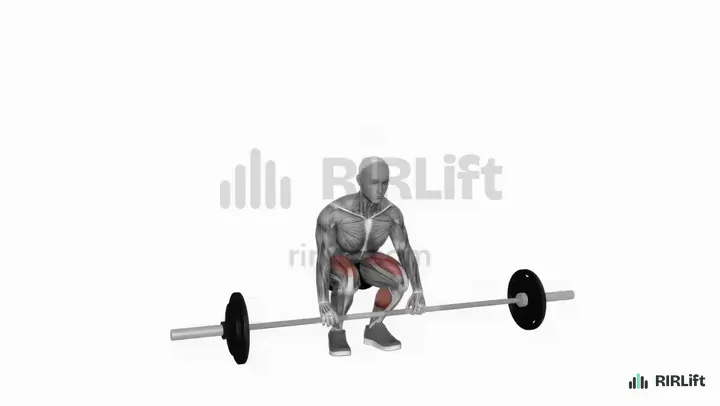
Put them together: example sessions
Each session below picks from the exercises above for one situation, with the sets, reps, rest and RIR filled in. Open one in the session builder to change a pick, price it from a recent set, and add it to RIRLift.
-
Session 1
Heavy conventional deadlift day
The deadlift is your first and heaviest lift of the day.
1× a week · 14 sets a week · ~35 min
-
Session 2
Sumo deadlift day
You pull sumo and your hips feel tight in the wide stance.
1× a week · 11 sets a week · ~25 min
-
Session 3
Deadlifting after squats
You squat first and deadlift second in the same session.
1× a week · 5 sets a week · ~15 min
Session 1
Heavy conventional deadlift day
- Workouts1× a week
- Working sets14 a week
- Per workout~35 min
- EquipmentAir Bike, Resistance Bands, Kettlebells, Barbells
The deadlift is your first and heaviest lift of the day.
The band and kettlebell work grooves the hinge, the side plank sets the brace, and four ramp-up pulls take you to the working weight. Work sets at 2 reps in reserve keep each heavy pull clean; deadlifts cost a lot of recovery, so stopping short of failure lets you train again within the week.
| Exercise | Sets × reps | RIR | Rest |
|---|---|---|---|
| Air BikeSeconds. | 3 × 60 | 4 | 0 s |
| Band Good Morning | 1 × 12 | 4 | 0 s |
| Band Pull-Through | 1 × 12 | 4 | 0 s |
| Kettlebell Deadlift | 1 × 8 | 4 | 15 s |
| Kettlebell Swing | 1 × 10 | 4 | 15 s |
| Side PlankSeconds per side. | 1 × 20 | 4 | 15 s |
| Barbell Deadlift4 warm-up sets first | 3 × 3–5 | 2 | 3 min |
| Romanian Deadlift1 warm-up set first | 3 × 6–8 | 2 | 2 min |
- How to run it
- Do everything in order with short rests, then ramp the bar. Finish with romanian deadlifts with one lighter set.
- How to progress
- Add a ramp-up pull when your working weight goes up by 50 lb.
Session 2
Sumo deadlift day
- Workouts1× a week
- Working sets11 a week
- Per workout~25 min
- EquipmentAir Bike, Resistance Bands, Kettlebells, Barbells
You pull sumo and your hips feel tight in the wide stance.
Two sets of cossack squats replace the swings, because hip range limits sumo more than hip speed. The sumo deadlift gets three ramp-up pulls at your full stance width.
| Exercise | Sets × reps | RIR | Rest |
|---|---|---|---|
| Air BikeSeconds. | 3 × 60 | 4 | 0 s |
| Band Good Morning | 1 × 12 | 4 | 0 s |
| Cossack SquatPer side. | 2 × 6 | 4 | 0 s |
| Kettlebell DeadliftSumo stance. | 1 × 8 | 4 | 15 s |
| Side PlankSeconds per side. | 1 × 20 | 4 | 15 s |
| Sumo Deadlift3 warm-up sets first | 3 × 3–5 | 2 | 3 min |
- How to run it
- Do the cossack squats after the band work, then the kettlebell deadlift in your sumo stance.
- How to progress
- Once the wide stance feels easy, go back to one set of cossack squats.
Session 3
Deadlifting after squats
- Workouts1× a week
- Working sets5 a week
- Per workout~15 min
- EquipmentResistance Bands, Kettlebells, Barbells
You squat first and deadlift second in the same session.
Your legs and hips are already warm, so the warm-up shrinks to the hinge drills and two ramp-up pulls. The work sets sit at 2 to 3 reps in reserve because the squats already took some of your strength.
| Exercise | Sets × reps | RIR | Rest |
|---|---|---|---|
| Band Pull-Through | 1 × 12 | 4 | 0 s |
| Kettlebell Deadlift | 1 × 8 | 4 | 15 s |
| Barbell Deadlift2 warm-up sets first | 3 × 3–5 | 3 | 3 min |
- How to run it
- Rest a few minutes after the squats, do the band work and kettlebell deadlifts, then pull.
- How to progress
- Add weight only when every set moves at the same speed.
Make it fit you
-
Ramp-up pulls for a 405 lb deadlift
135 for 5, 225 for 3, 315 for 2, 365 for 1, then your working sets. Lighter pullers can skip a step.
-
No band
Do the good mornings with your hands on your hips and swap the pull-throughs for more kettlebell swings.
-
Grip gives out early
Use a double overhand grip on all ramp-up pulls so your grip warms up with the bar.
-
Log RIR on your pulls
Enter your reps in reserve for every working deadlift set in RIRLift, and it uses that to set the weight next time.
-
Trap bar instead
The same warm-up works. The trap bar usually needs one fewer ramp-up pull because it sits at your sides.
Questions
How many warm-up sets for deadlifts?
Three or four for most lifters. Pull 5 reps on the first and drop to 3, 2 and 1 as the weight climbs.
How do you warm up for deadlifts?
Easy cardio, then band good mornings and pull-throughs for the hinge, a light kettlebell deadlift, a side plank for bracing, and ramp-up pulls from the floor.
Do I have to warm up for deadlifts if I already squatted?
Less, but still some. Two ramp-up pulls and a short hinge drill are usually enough after squats.
Should I stretch before deadlifts?
Move rather than hold: good mornings and swings take the hamstrings through their range under light load.
Why warm up with lower reps on heavy deadlift sets?
So the warm-up does not tire you. Each heavy deadlift rep costs energy you want for your working sets.
Related templates
-
Warm-up sets
How to choose the weight jumps for ramp-up pulls.
-
RDL vs deadlift
When to use each hinge.
-
Warm up for hamstrings: lengthen them, then make them curl
More hamstring prep for hinge days.
-
Warm up for squats: rehearse the depth, then climb the bar
For when the squat opens the session.
-
The best workout for a stronger lower back
Sessions built around the hinge.