
Kettlebell swing: how to do it, what it works, and what to swap it for
Published October 17, 2026
The kettlebell swing is a fast hip hinge: you hike the bell back between your legs, then snap your hips forward so it floats to chest height on its own. It trains your glutes and hamstrings hardest, with your lower back, grip and trunk holding everything in place. What makes it work is that your hips do the lifting and your arms only hold on.
- WorksGlutes, Hamstrings
- AlsoLower Back, Abs, Shoulders
- EquipmentKettlebells
- Start with3 × 8–12, 2 in reserve, 2 min rest
How to do the kettlebell swing
The bell floats to chest height on hip drive alone, so every rep ends in a hard glute squeeze at lockout. One bell and a little floor space are all it needs, so it fits at the end of a leg day or in a home session.
Steps
- Set the bell a foot in front of you, feet a little wider than your hips, toes turned out slightly.
- Push your hips back, grab the handle with both hands and tip the bell toward you so your lats tighten before it moves.
- Hike it back between your thighs, high toward your hips, until your forearms touch your inner thighs.
- Snap your hips forward and stand tall with your glutes squeezed; the bell rises to chest height with straight arms.
- Let it drop, push your hips back as it passes your knees, and go straight into the next rep with no pause at the top.
- To stop, let the last rep swing back once more and park the bell on the floor in front of you.
Cues
- Hips back, not down
- Arms are ropes, hips are the engine
- Stand up hard, glutes tight at the top
Common mistakes
- Squatting the bell: your knees should bend only a little. If your shins move forward, you are squatting, not hinging.
- Lifting with your arms to get the bell higher: chest height is plenty. If it floats higher, your hips did it, not your shoulders.
- Leaning back at the top: finish standing straight like a plank, ribs down, with your glutes doing the locking.
- Hinging too early on the way down: wait until your forearms meet your hips, then fold, so the bell stays high between your thighs.
Swap for: Kettlebell Deadlift, Kettlebell Sumo Deadlift High Pull, Kettlebell Snatch
Muscles the kettlebell swing works
The swing mainly trains your glutes and hamstrings, which fire hardest as your hips snap to lockout. Your lower back holds your spine still through the hinge, your lats keep the bell close on the backswing, and your grip and abs work the whole set.
Sets, reps and reps in reserve for the kettlebell swing
| Goal | Sets × reps | RIR | Rest |
|---|---|---|---|
| Build muscle | 3 × 8–12 | 2 | 2 min |
| Move to a heavier bell when every set reaches 12 crisp reps with 2 reps in reserve. | |||
| Power | 5–8 × 5–10 | 2–3 | 90 s |
| Use your heaviest bell and stop each set while every rep still snaps; slow reps mean the set is over. | |||
| At the end of a session | 2–3 × 15–20 | 0–1 | 90 s |
| A lighter bell taken close to failure adds glute and hamstring work after your squats or presses without another heavy lift. | |||
| Beginners | 3 × 10 | 3 | 2 min |
| Run kettlebell deadlifts first until the hinge feels automatic, then swing a bell you can control for 10 clean reps. | |||
Kettlebell swing variations
-
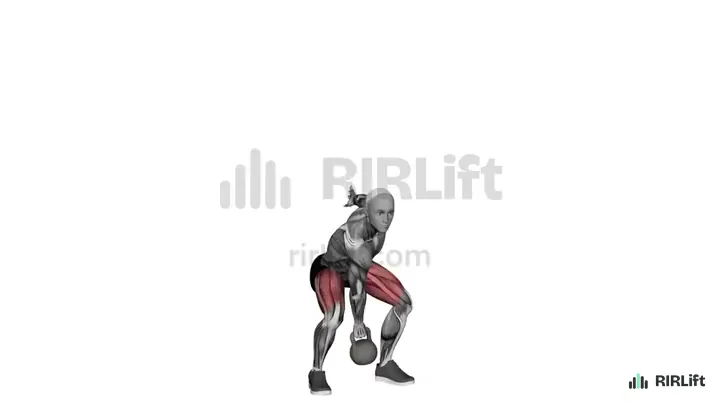
Kettlebell Snatch
Pick the snatch once your two-hand swing is clean and you want one arm and a finish overhead for a harder set with the same bell.
Build a session with it -
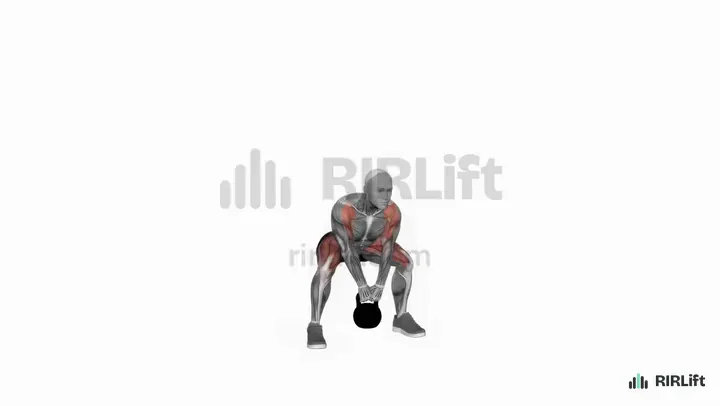
Kettlebell Sumo Deadlift High Pull
Use the high pull when you want the swing's hip drive with a wide stance and a pull to your chin that adds your upper back.
Build a session with it -
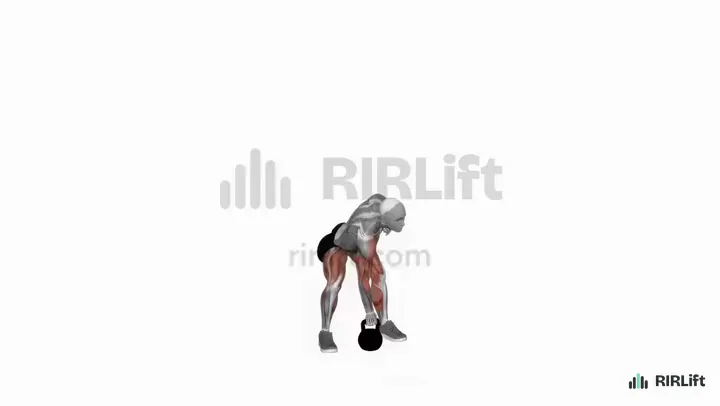
Kettlebell Clean & Press
Choose the clean and press when you want the hinge to bring the bell to your shoulder and a strict press to follow in the same rep.
Build a session with it
Kettlebell swing alternatives
No kettlebell
-
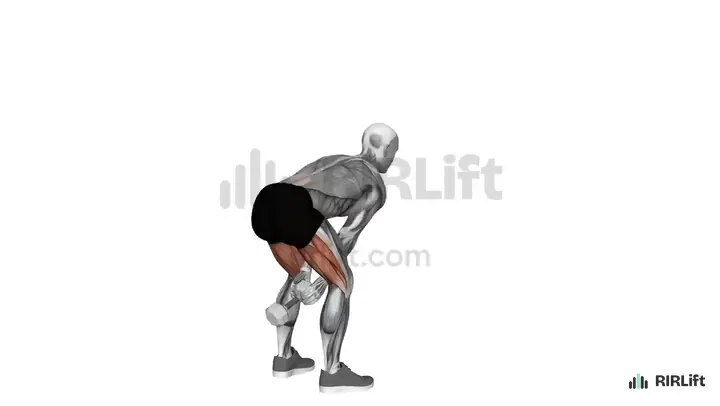
Dumbbell Swing
The same explosive swing with one dumbbell held by the head when you have no kettlebell.
Build a session with it -
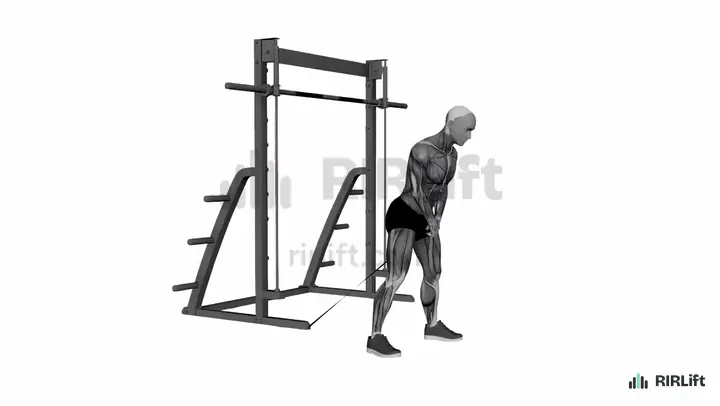
Band Pull-Through
Anchor a band low behind you and hinge through your legs for fast hip snaps at home with no weight at all.
Build a session with it -
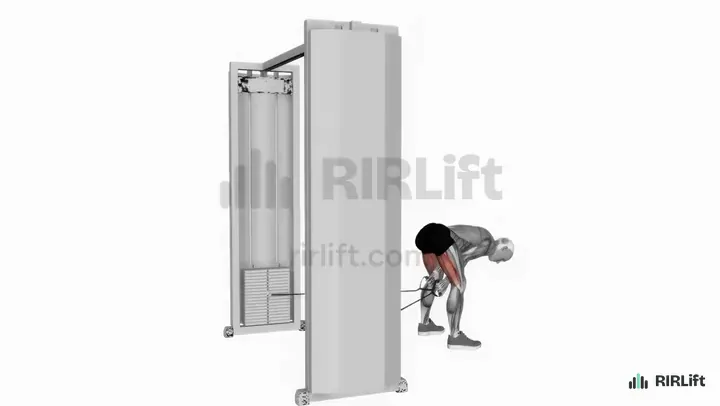
Cable Pull-Through
The gym version of the pull-through, with a stack you can load in small steps and steady tension at lockout.
Build a session with it
Slower, heavier hinge
-
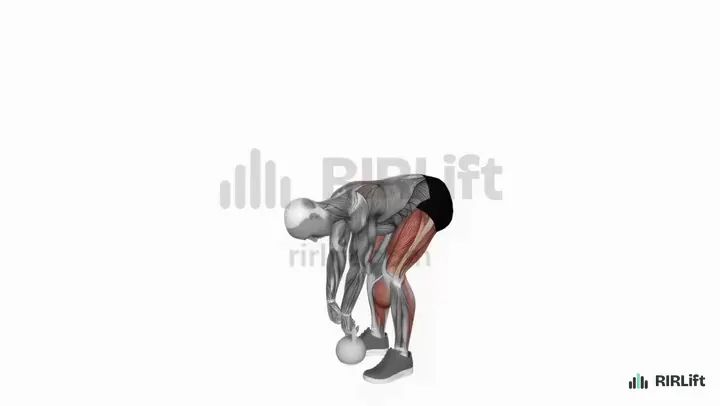
Kettlebell Deadlift
Pick it when the swing still turns into a squat; the slow pull teaches the same hinge one checked rep at a time.
Build a session with it -
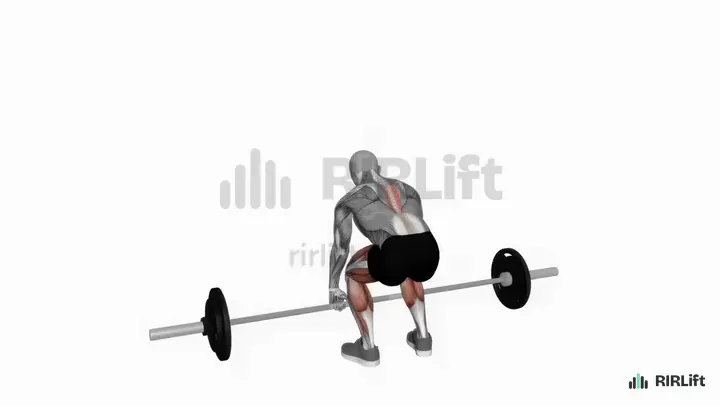
Romanian Deadlift
Use the barbell when you want far more load on your hamstrings in the stretch than any bell gives you.
Build a session with it -
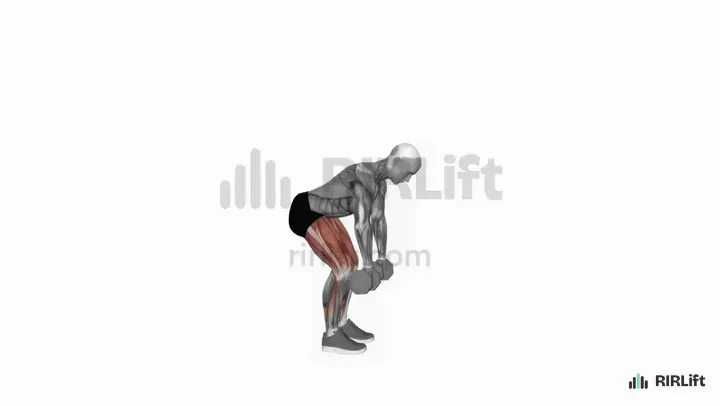
Dumbbell Romanian Deadlift
The same stretch-focused hinge with a pair of dumbbells when there is no barbell.
Build a session with it
Glutes at lockout
-
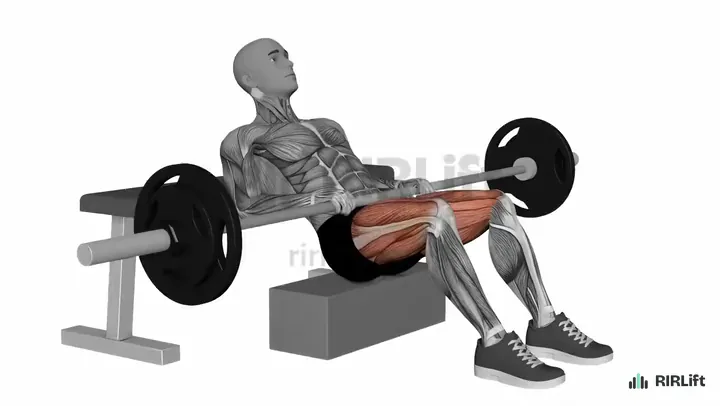
Hip Thrust
Choose it to load the top of the hip extension heavily, slowly and for counted reps, the position the swing passes through in a blink.
Build a session with it -
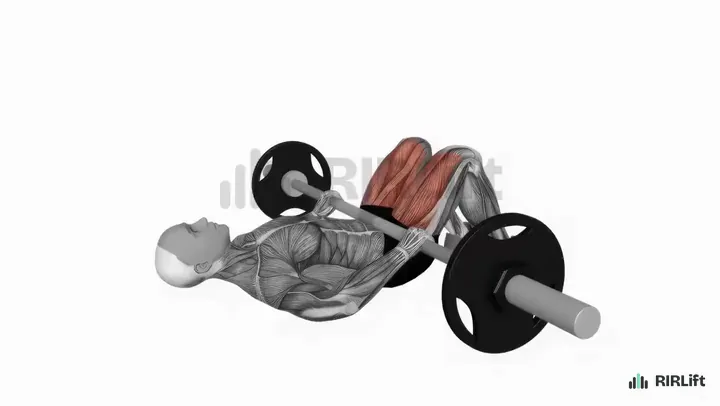
Glute Bridge
The floor version of the thrust, when you have a barbell but no bench.
Build a session with it
Power without a bell
-
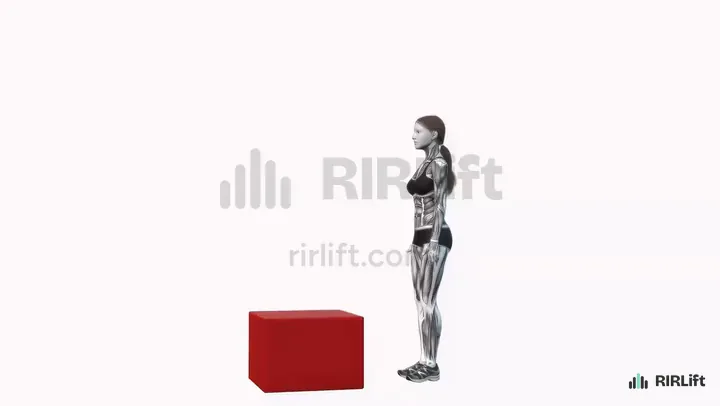
Box Jump
Jump onto a sturdy box when you want the same fast hip and knee extension with nothing in your hands.
Build a session with it -
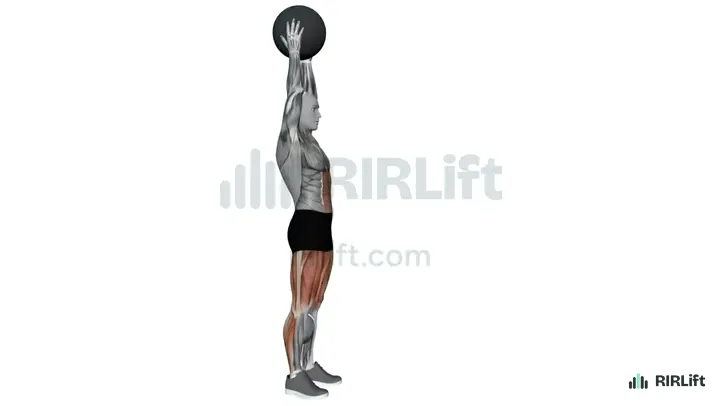
Medicine Ball Slam
Pick slams for a fast hinge-and-throw you can go all out on when swinging a bell indoors is not an option.
Build a session with it -
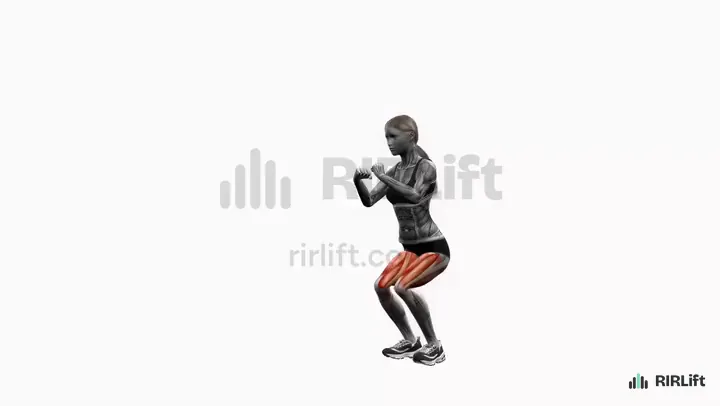
Jump Squat
The no-equipment pick: a quick dip and jump that trains fast hip extension anywhere.
Build a session with it
How heavy a kettlebell to swing
The swing takes a heavier bell than anything you press. If you bought one bell to press overhead for about 8 to 10 reps, swing it first; once you can do 15 clean reps that still float to chest height, buy one or two sizes up for swings and deadlifts.
The right bell for a set of 8 to 12 is one where the last two reps still reach chest height but take real effort. If the bell drops below chest height or your arms start lifting it, it is too heavy for that set.
Russian vs American kettlebell swing
The Russian swing stops at chest height; the American swing carries the bell overhead. Swing to chest height: the glutes and hamstrings finish their work as your hips lock out, and the extra arc overhead is your shoulders lifting a lighter bell.
If you want a ballistic that finishes overhead, learn the kettlebell snatch, which puts one arm under a locked-out bell instead of two arms reaching up.
Questions
What muscles do kettlebell swings work?
Mostly your glutes and hamstrings, which drive the hip snap. Your lower back holds your spine still, your lats keep the bell close on the backswing, and your grip and abs work through the whole set.
How heavy should a kettlebell be for swings?
Heavy enough that the last two reps of a set of 8 to 12 take real effort but still float to chest height. For swings that is usually one or two sizes heavier than the bell you press overhead. Move up a size once every set reaches 12 clean reps with 2 reps in reserve.
Is 25 lb too heavy for kettlebell swings?
For most adults a 25 lb (about 11–12 kg) bell is a light swing bell, fine for learning the hinge. If you can swing it 15 times with every rep reaching chest height, it is too light to build much muscle in 8 to 12 reps; go up one or two sizes.
What happens if I do 100 kettlebell swings every day?
Your glutes, hamstrings and grip get a lot of volume and your swing gets very clean, but your quads, chest and shoulders get almost nothing, and the sets stop being hard once 100 is easy. Swings three times a week inside a full session, with a squat, a press and a row around them, give you the same hinge work plus the rest of the body.
Will kettlebell swings help lose belly fat?
Swings burn energy and build the glutes and hamstrings, but where you lose fat comes down to eating less than you burn over weeks, not to any exercise. Use swings to keep muscle while you diet: hard sets, 2 reps in reserve, a heavier bell when the reps come easily.
What can I substitute for kettlebell swings?
With a dumbbell, do dumbbell swings holding it by the head. With a band or cable, do pull-throughs for the same hip snap. For heavier hinge work, use a Romanian deadlift or kettlebell deadlift, and for glutes at lockout use a hip thrust.
How do you do a kettlebell swing without a kettlebell?
Hold one dumbbell vertically by the head with both hands and swing it exactly like a bell: hike it back, snap your hips, stop at chest height. With no weight at all, a band pull-through anchored low behind you trains the same hinge.
Can you do a Romanian deadlift with a kettlebell?
Yes. Hold one bell by the handle in front of your thighs, soften your knees and push your hips back until your hamstrings stretch, then stand up. It is a good slow hinge to pair with swings: the swing loads lockout fast, the Romanian deadlift loads the stretch slowly.
Related templates
-
Kettlebell exercises, grouped by what they train, with sessions for the bells you own
The rest of the kettlebell library, grouped by hinge, squat, press, row and get-up, with sessions for one bell or two.
-
Romanian deadlift: how to do it, and what to swap it for
The slow, heavy hinge that loads your hamstrings in the stretch the swing moves through quickly.
-
Hip thrust: how to do it, what it works, and what to swap it for
Heavy glute work at lockout, the position the swing finishes in.
-
The best workout for your glutes and butt
Full glute sessions that put swings beside thrusts and hinges.
-
How to use reps in reserve (RIR) in your workouts
How to judge 2 reps in reserve on a fast lift where form slips before your muscles quit.