
Lateral raises: how to do them, and what to do instead
Published October 17, 2026
Lateral raises sweep a pair of light weights sideways up to shoulder height. They train the side delts, the part of the shoulder that makes your upper body look wider from the front. What makes them work is a weight light enough that your elbows lead and your shoulders stay down, so the side delt does the lifting instead of your traps and a swing of the torso.
- WorksShoulders
- EquipmentDumbbells
- Start with3 × 12–20, 2 in reserve, 90 s rest
How to do the dumbbell lateral raise
Presses load the front of the shoulder far more than the side. A raise is the simplest way to put the side delt in charge, and it only needs a pair of light dumbbells, so you can add it to any upper-body day.
Steps
- Pick dumbbells about a third of what you press overhead for 10, and stand with your feet hip width apart, the weights hanging by your thighs.
- Lean your chest forward a few degrees, pull your shoulders down away from your ears and soften your elbows.
- Sweep the weights out and slightly forward, leading with your elbows, until your upper arms are level with your shoulders.
- Hold that top position for a beat, then take two to three seconds to lower until the dumbbells are a hand's width from your thighs.
- Start the next rep from there without resting at the bottom or bouncing out of it.
Cues
- Elbows lead, hands follow
- Shoulders down, neck long
- Push the weights out, not up
Common mistakes
- Shrugging the weight up: if your shoulders rise toward your ears, drop to lighter dumbbells and stop each rep where your upper arm is level.
- Swinging the torso to start each rep: brace, stand still and keep the first inch of the lift as slow as the rest.
- Bending the elbows more and more as the set goes on: set the bend on rep one and keep it, or the lever shortens and the set gets easier without you noticing.
- Choosing weight for the ego: if you cannot hold the top for a beat, the dumbbells are too heavy for this lift.
Swap for: Cable Lateral Raise, Machine Lateral Raise, Seated Dumbbell Lateral Raise
Muscles the dumbbell lateral raise works
Lateral raises work the side (lateral) delt, with the front delt and upper traps helping as the arm rises. With dumbbells the load is heaviest near the top, where your arm is level with the floor, and close to zero at the bottom, which is why the cable and leaning versions are worth rotating in to load the side delt with your arm by your side.
Sets, reps and reps in reserve for the dumbbell lateral raise
| Goal | Sets × reps | RIR | Rest |
|---|---|---|---|
| Build muscle | 3 × 12–20 | 2 | 90 s |
| This is the default the session builder below uses for the dumbbell lateral raise. | |||
| Extra side-delt volume | 4–5 × 15–25 | 0–1 | 60–90 s |
| For when your shoulders are the priority: the side delt recovers fast, so add these sets on a second day of the week rather than piling them into one session. | |||
| Beginners | 2–3 × 12–15 | 2–3 | 90 s |
| Stay further from failure while you learn to keep your shoulders down, and add reps before you add weight. | |||
| At the end of a session | 2 × 15–20 | 1 | 60 s |
| After presses your front delts are tired, so raises done last land mostly on the side delt with whatever weight you can still control. | |||
Dumbbell lateral raise variations
-
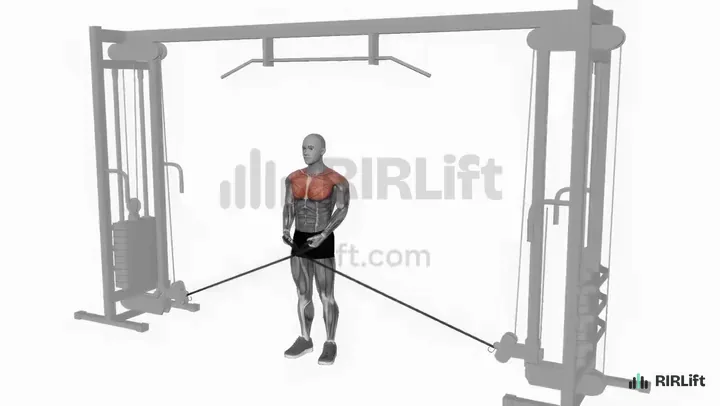
Cable Lateral Raise
Pick it when you want the side delt loaded with your arm by your side, where dumbbells feel like nothing.
Build a session with it -
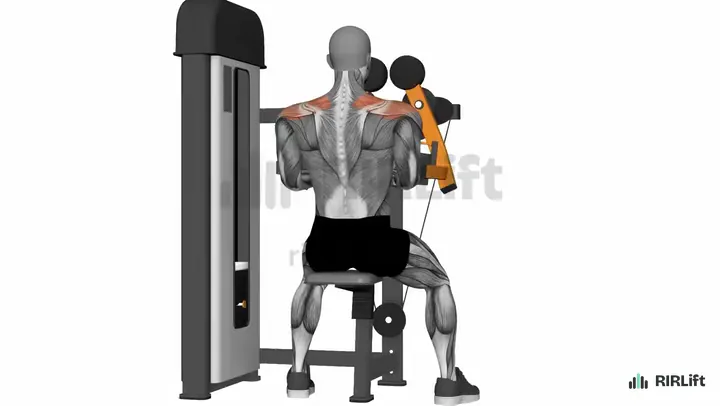
Machine Lateral Raise
Pick it to take balance out of the set so you can take each set closer to failure and add drop sets.
Build a session with it -
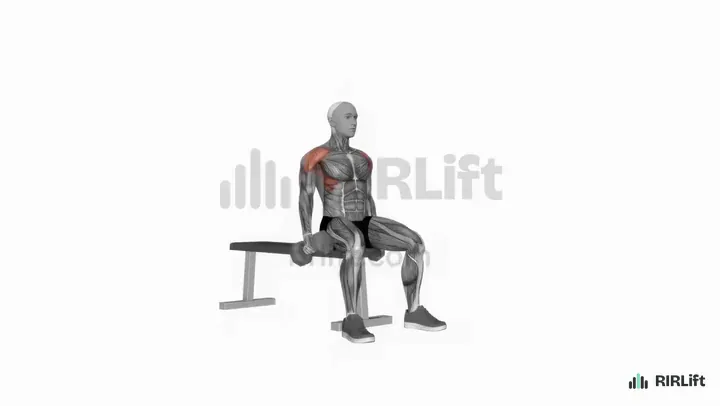
Seated Dumbbell Lateral Raise
Pick it if you catch yourself starting reps with a hip drive; sitting takes your legs out of the lift.
Build a session with it -
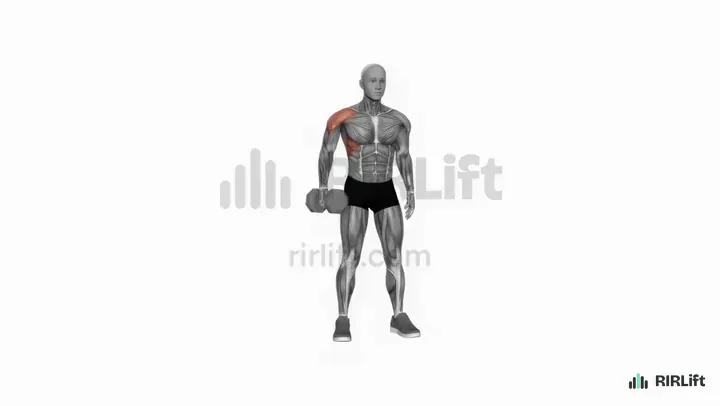
Single-Arm Dumbbell Lateral Raise
Pick it when one side lags, so the weaker arm sets the reps and can't hide behind the stronger one.
Build a session with it -
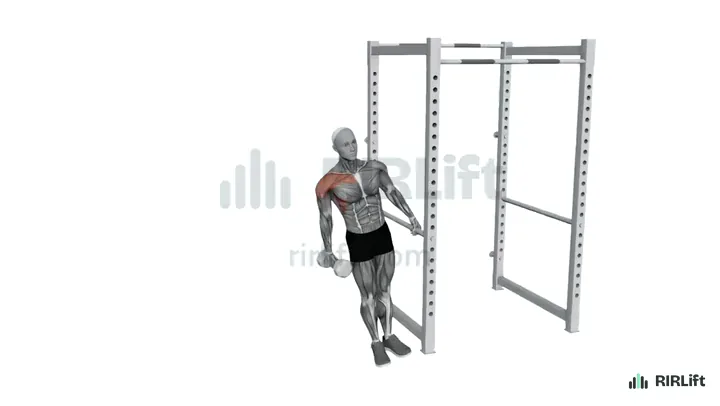
Leaning Dumbbell Lateral Raise
Pick it when you have only dumbbells and want more of the work near the bottom of the lift: hold a post and lean away.
Build a session with it -
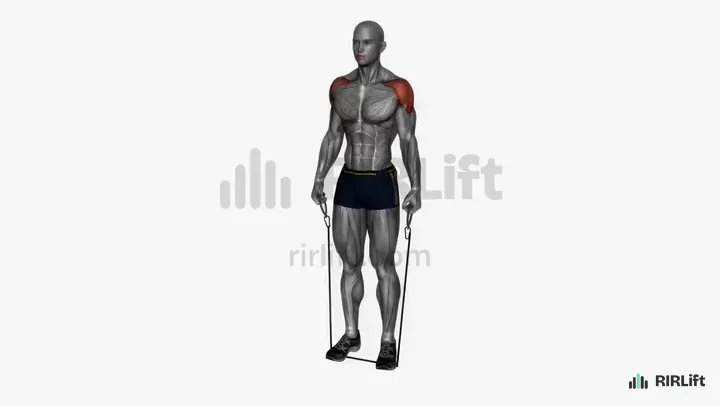
Band Lateral Raise
Pick it at home or on the road; stand on the band and it gets harder as your arm rises.
Build a session with it
Dumbbell lateral raise alternatives
Same job, different angle
-
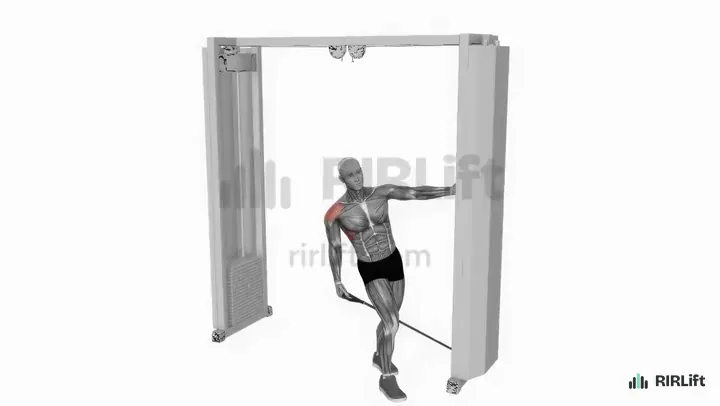
Leaning Cable Lateral Raise
The longest range of the lot, with the side delt loaded from fully stretched to the top; the go-to when the cable stack is free.
Build a session with it -
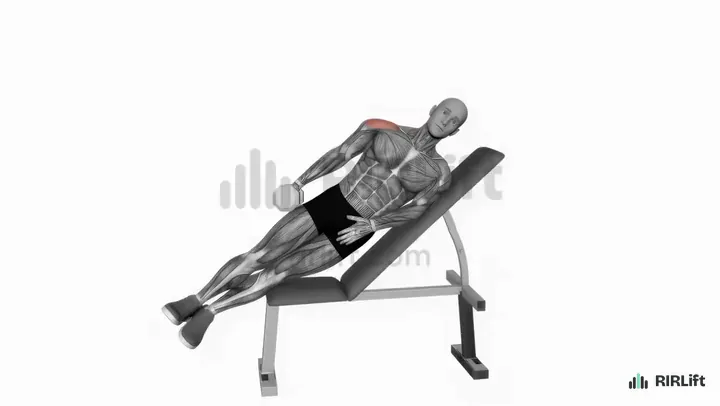
Incline Dumbbell Lateral Raise
Lie on your side on an incline bench to move the hardest part of the lift lower in the range, with dumbbells only.
Build a session with it -
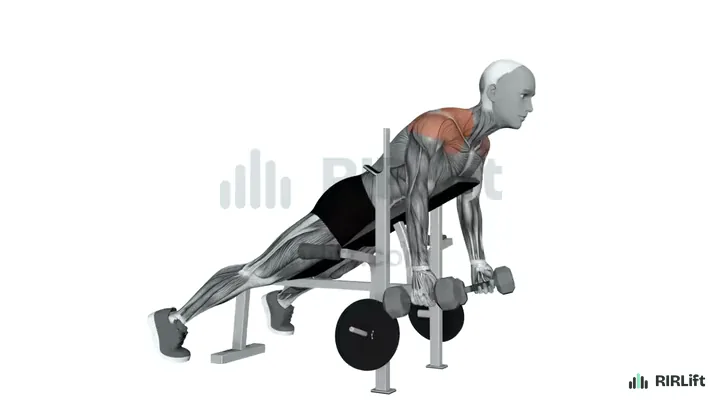
Dumbbell Chest-Supported Y Raise
Chest on an incline bench, arms out in a Y: no way to swing, and it hits the side and rear delts together.
Build a session with it
Heavier loads for the side delt
-
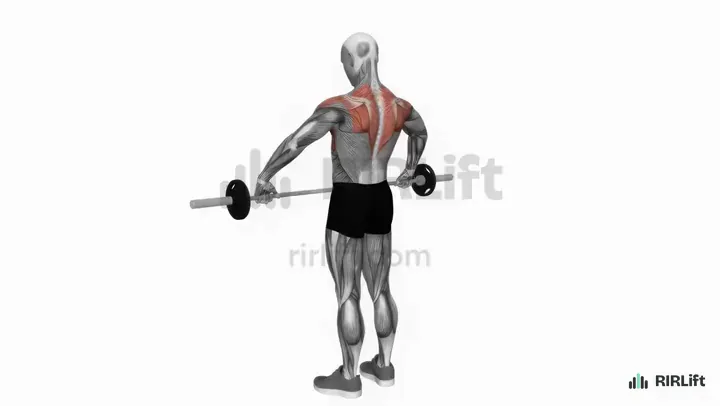
Wide-Grip Upright Row
Use when your raises have stalled at a weight you can barely hold; a wide grip lets you pull far more load with the side delt.
Build a session with it -
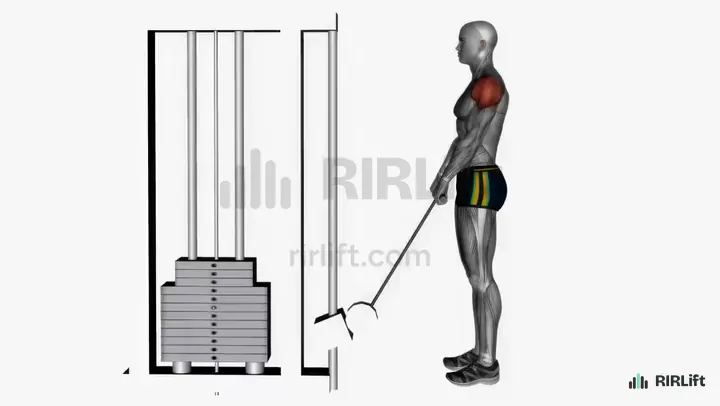
Cable Upright Row
The same pull with a cable bar, which keeps tension on at the bottom and lets you change weight in one move.
Build a session with it -
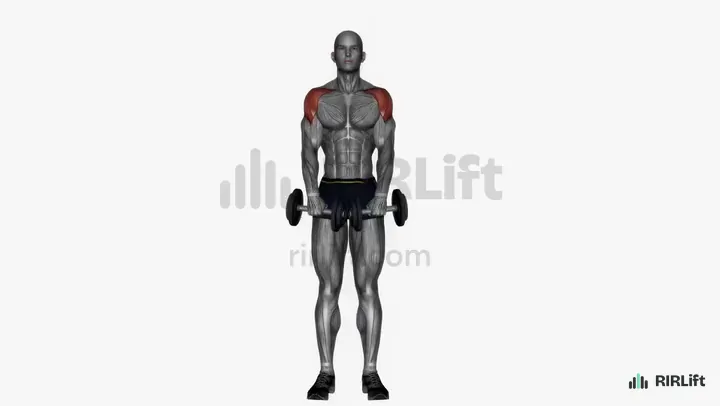
Dumbbell Upright Row
Lets each arm find its own path, if a straight bar feels awkward on your wrists.
Build a session with it
No dumbbells
-
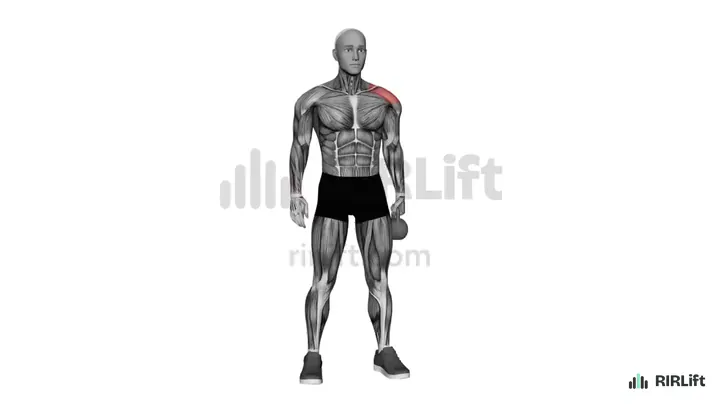
-
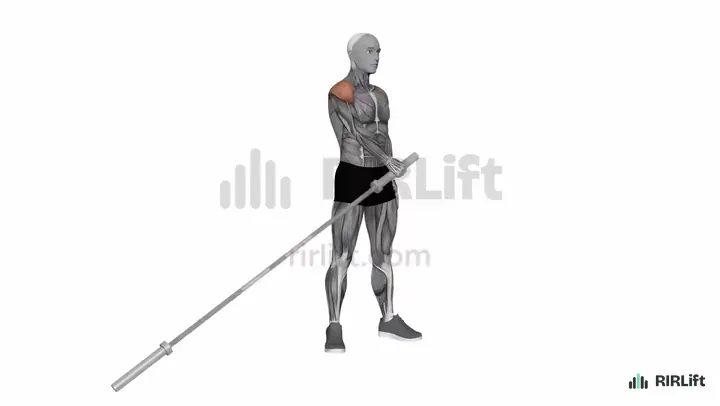
Landmine Lateral Raise
Raise the end of a bar in a landmine one arm at a time; you load it with plates in small jumps.
Build a session with it -
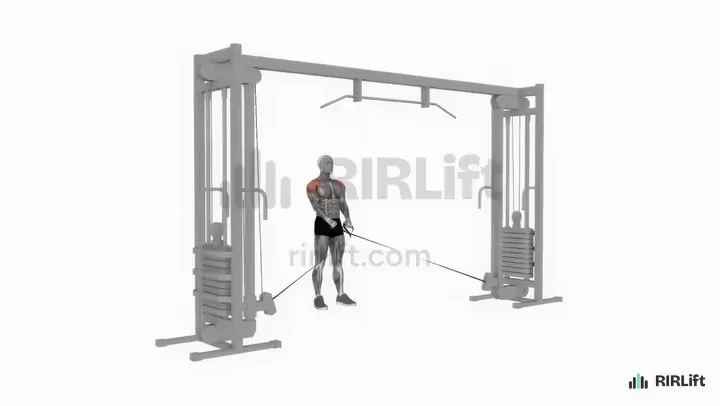
Cable Y Raise
Cross two low cables and raise up and out in a Y; the stack gives you small, even weight jumps.
Build a session with it
Seated vs standing lateral raises
Standing lets you use a little more weight because your legs can help start the rep, and that help is the problem: it moves work off the side delt. Seated takes your legs out of it, so the same set with a few pounds less is often the harder set for your shoulders.
Use standing raises if you can stand still through the whole set. If you see your knees dip or your torso rock on the last reps, sit down.
How heavy should lateral raises be?
Far lighter than any press. Start with dumbbells about a third of what you press overhead for 10.
The test is the top of the rep: if you can pause there for a beat with your shoulders down, the weight fits. Add reps up to the top of your range before moving up one dumbbell step. The jump from 15 to 20 lb is a third more weight on a small muscle, so expect your reps to drop by several when you move up.
Questions
What muscles do lateral raises work?
Mainly the side delts, the middle part of the shoulder. The front delts and upper traps help as the arm rises, which is why shrugging or turning the raise into a front raise shifts the work away from the side delt.
What can I do instead of lateral raises?
Cable and machine lateral raises do the same job with steadier tension. If you want something different, a wide-grip upright row loads the side delt with much heavier weight, and a chest-supported Y raise removes any chance of swinging.
Are you supposed to feel lateral raises in your shoulders?
Yes, on the outside of the shoulder, below the bony tip. If you mostly feel your neck and upper traps, your shoulders are shrugging: drop the weight, pull your shoulders down and stop where your upper arm is level.
Is a 20 lb lateral raise good?
Raising 20 lb dumbbells for 12 or more clean reps, with no swing and a pause at the top, is strong for a lateral raise. A number someone moves with a swing tells you little, so judge your weight by the pause, not the label.
How do you grow side delts without lateral raises?
Use upright rows with a wide grip, and pressing. Presses hit the front delt more, so if you skip raises entirely, give upright rows or a Y raise their own sets each week rather than counting presses alone.
How many sets of lateral raises per week?
Count them with your other shoulder work toward 10–20 hard sets per muscle per week. Splitting them over two or three sessions works at least as well as one big shoulder day, and the side delt recovers fast enough for that.
Should lateral raises go above shoulder height?
Stopping where your upper arm is level keeps the work on the side delt. Going higher lets the traps take over the last part, so if you raise higher, use a weight you can still lift without your shoulders rising.
Related templates
-
The best workout for shoulders, for your situation
Puts lateral raises next to the presses and rear-delt work they pair with.
-
Cable exercises by muscle, with sessions for the cables you have
More cable moves if the cable lateral raise becomes your main raise.
-
Face pulls: how to do them, what they work, and what to do instead
The rear-delt counterpart to raises for a complete shoulder day.
-
How to use RIR
How to judge 1–2 reps in reserve on a small lift where form breaks before failure.
-
Myo-reps
A way to get more hard sets of raises done in less time at the end of a session.