
Face pulls: how to do them, what they work, and what to do instead
Published October 16, 2026
A face pull is a rope pulled from a high cable toward your face, elbows high and wide, finishing with your hands rotated back beside your ears. It trains your rear delts, the muscles between your shoulder blades and the small muscles that turn your upper arm outward. It works when the weight is light enough that your elbows lead and your hands finish behind them; a heavy stack turns it into a row with your arms.
- WorksShoulders, Upper Back
- AlsoTraps
- EquipmentAdjustable Cable
- Start with3 × 15–20, 2 in reserve, 90 s rest
How to do the face pull
The cable keeps tension on your rear delts through the whole rep, and the rope lets your hands split apart and rotate back at the end, which is the part of the movement rows and flyes leave out. It is light, easy to recover from and fits at the end of almost any upper-body day.
Steps
- Set the pulley at or just above head height and attach a rope. Grab it with your thumbs pointing back toward you.
- Step back until your arms are straight and the stack lifts, then stagger your feet or sit on a bench so you can lean back slightly without swaying.
- Pull the middle of the rope toward your forehead by driving your elbows out and back, keeping them at shoulder height or higher.
- As the rope reaches your face, pull the ends apart and rotate your hands back until your fists sit beside your ears, like a double-biceps pose.
- Hold that position for a beat, then let your arms straighten under control until your shoulder blades slide forward again.
Cues
- Elbows high, hands finish behind them
- Pull the rope apart, not just back
- Reach forward at the start of every rep
Common mistakes
- Loading it like a row and leaning back to move the stack: drop the weight until you can hold the end position for a second without your torso rocking.
- Letting the elbows drop below your shoulders: the pull turns into a row and your lats and biceps take the work. Raise the pulley or lighten the load.
- Stopping when the rope touches your face: the outward rotation at the end is what the face pull adds, so finish with your fists beside your ears.
- Using a short rope that pins your hands together: use the longest rope you can find, or clip two ropes together, so your hands can separate.
Swap for: Band Face Pull, Dumbbell Face Pull, Reverse Pec Deck
Muscles the face pull works
Face pulls train your rear delts, the mid and lower traps and rhomboids that pull your shoulder blades together, and the external rotators at the back of the shoulder. The rear delts work hardest as your elbows travel past your torso, and the rotators take over in the last few inches, when your hands turn back beside your ears.
Sets, reps and reps in reserve for the face pull
| Goal | Sets × reps | RIR | Rest |
|---|---|---|---|
| Build muscle | 3 × 15–20 | 2 | 90 s |
| This is what the session builder prescribes: add reps until you hit 20 on every set, then go up one plate. | |||
| Rear-delt focus | 3–4 × 12–15 | 1–2 | 90 s–2 min |
| Use this when face pulls are your main rear-delt exercise of the day; add a pause at the end of each rep before adding load. | |||
| End of a push or upper day | 2–3 × 15–20 | 1–2 | 60–90 s |
| Pair each set with a lateral raise or a curl to fit them in without lengthening the session. | |||
| Beginners | 2–3 × 15–20 | 2–3 | 90 s |
| Learn to finish with your hands behind your elbows before you chase heavier stacks. | |||
Face pull variations
-
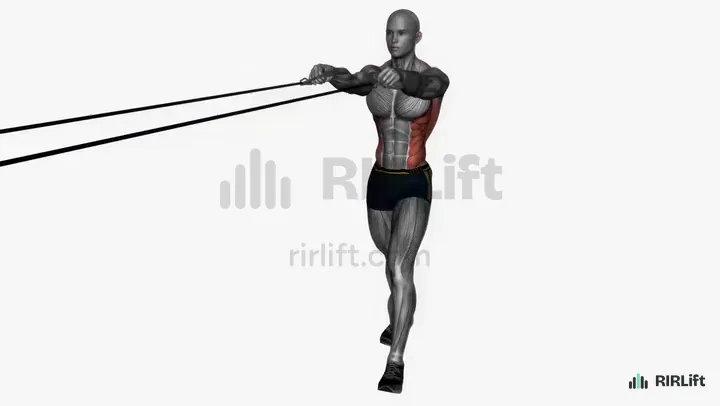
Band Face Pull
Pick this at home or as a warm-up: loop a band at head height and pull exactly as you would the rope, holding the end a little longer since the band is hardest there.
Build a session with it -
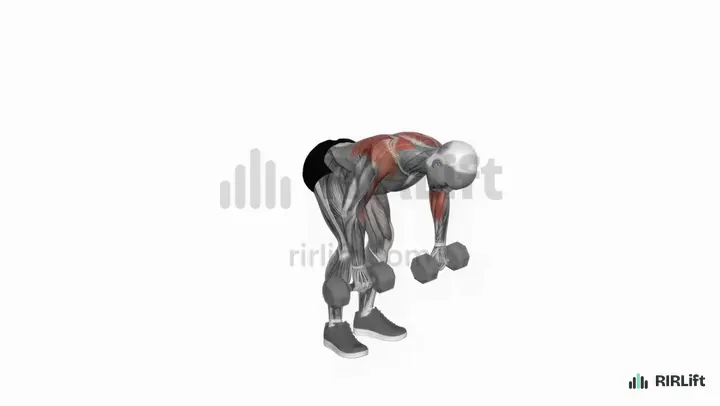
Dumbbell Face Pull
Pick this with only dumbbells: hinge forward until your torso is near flat and pull the weights up toward your face with your elbows flared wide.
Build a session with it -
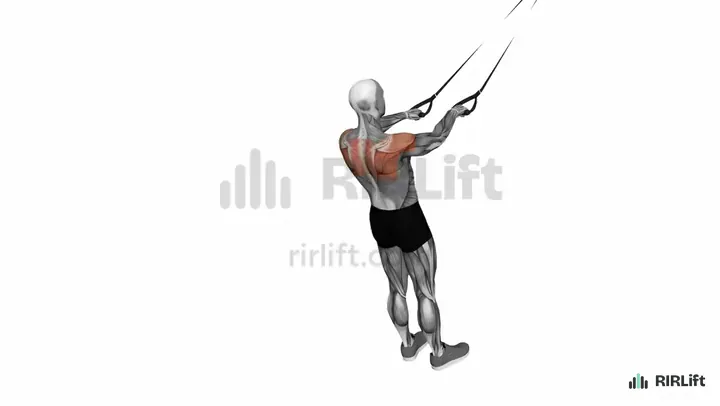
TRX Face Pull
Pick this with suspension straps: lean back and pull your body up to the handles, and walk your feet forward to make it harder.
Build a session with it
Face pull alternatives
Cable or machine
-
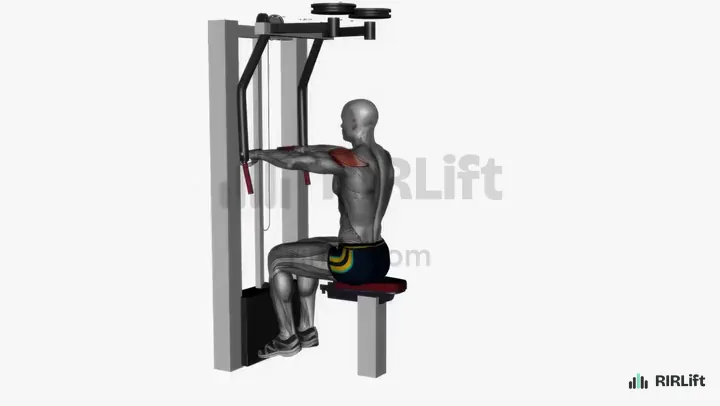
Reverse Pec Deck
The easiest rear-delt exercise to load and progress; take it when you want the rear delts to do all the work and the outward rotation is not a priority.
Build a session with it -
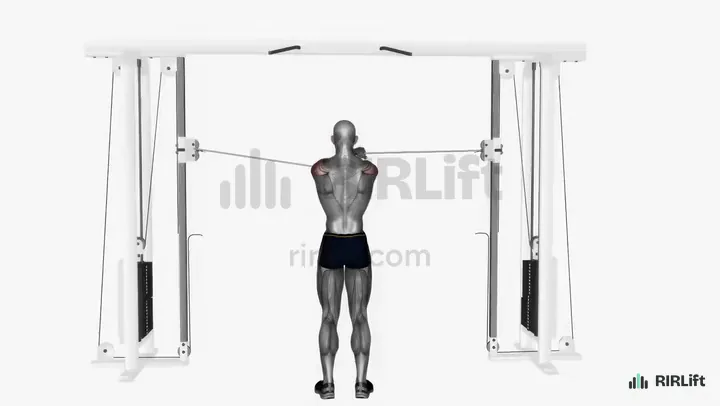
Rear Delt Cable Fly
Cross the cables at chest height and sweep your arms out wide when the rope station is taken or you want a longer stretch on each side.
Build a session with it
Dumbbells only
-
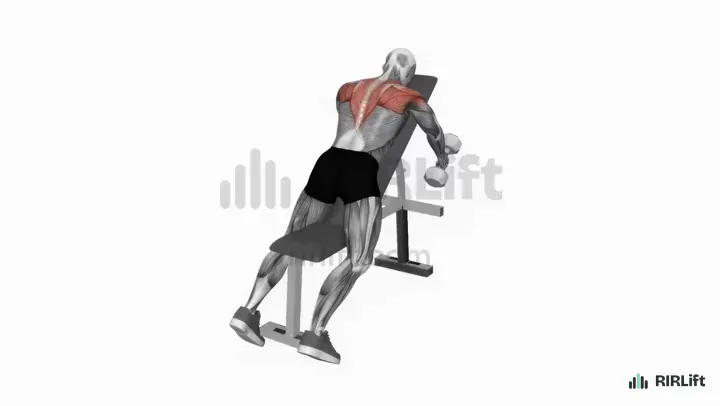
Incline Dumbbell Rear Delt Raise
Lie chest-down on an incline bench and raise the dumbbells out to the sides; the bench stops you from swinging, so this is the closest dumbbell match.
Build a session with it -
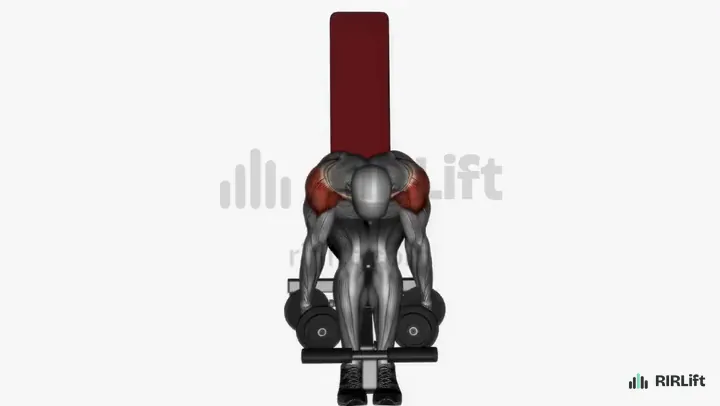
Dumbbell Rear Delt Fly
Hinge over and raise light dumbbells wide when you have no bench; keep your elbows slightly bent and stop when your arms are level with your back.
Build a session with it -
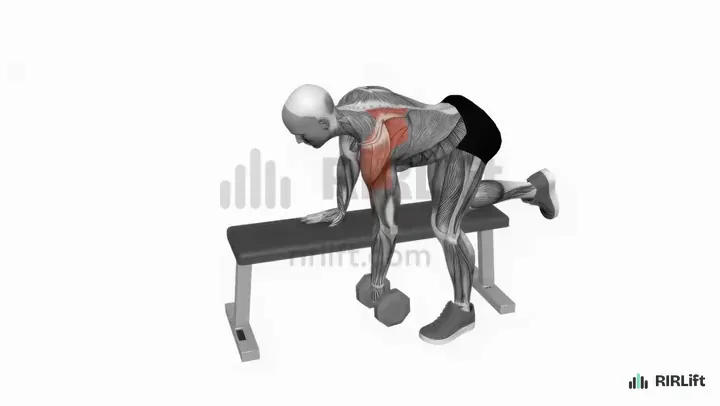
Dumbbell Rear Delt Row
Row the dumbbells toward your upper chest with your elbows flared wide when you want to use more weight than a fly allows.
Build a session with it
Bands and bodyweight
-
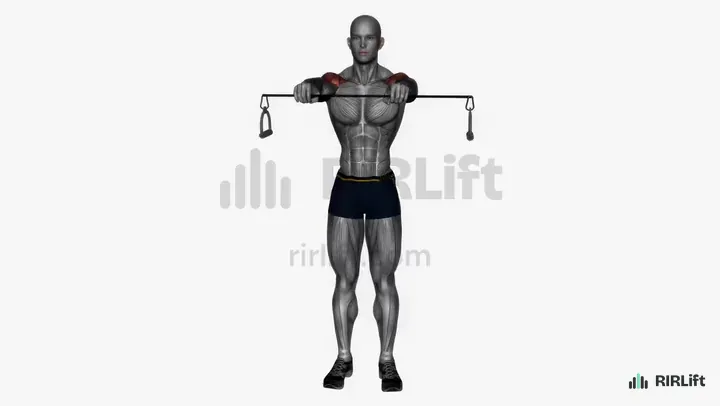
Band Pull-Apart
Hold a light band at shoulder height and pull it apart to your chest; it needs no anchor, so it works anywhere and for high reps.
Build a session with it -
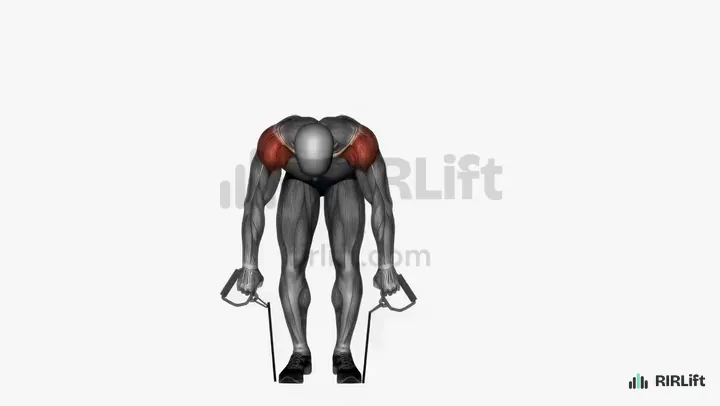
Band Rear Delt Fly
Anchor a band at chest height and sweep your arms out to the sides when you want the band version of a cable rear-delt fly.
Build a session with it -
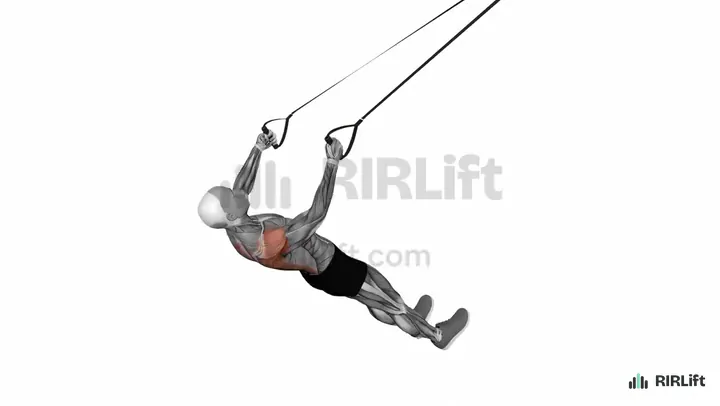
TRX Rear Delt Row
Lean back on suspension straps and row with your elbows high and wide when you have straps but no cable.
Build a session with it
Outward rotation only
-
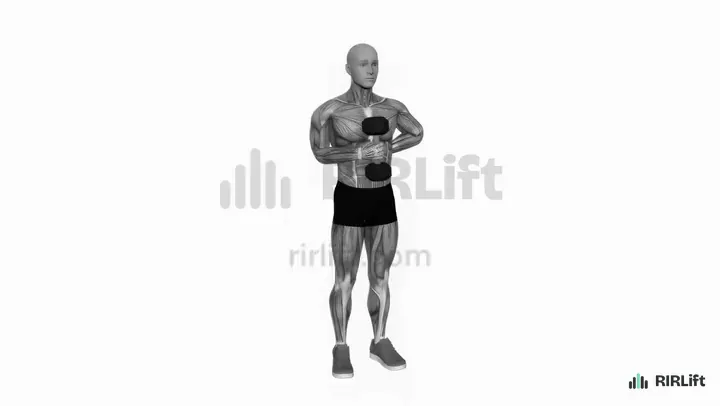
Dumbbell External Rotation
Add this when you want to train the turning-out part of the face pull on its own; keep your elbow pinned to your side and use a light dumbbell.
Build a session with it -
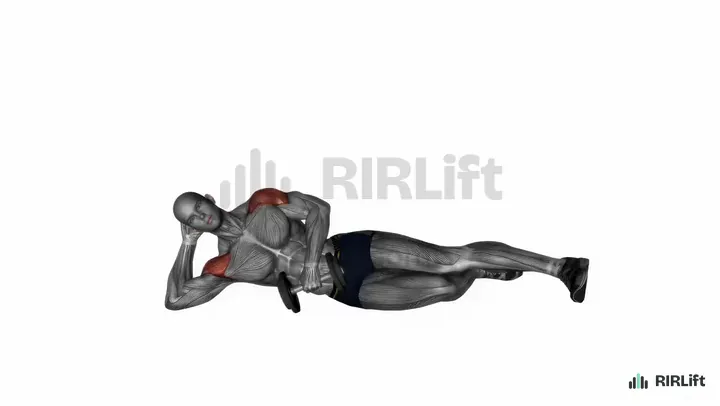
Dumbbell Lying External Rotation
Lie on your side with your top elbow on your ribs and rotate the dumbbell up; the floor holds your arm still so you cannot cheat the rep.
Build a session with it
Why you don't feel face pulls in your rear delts
If you feel face pulls mostly in your biceps or lats, the weight is too heavy or your elbows are too low. Drop the stack by a third, set the pulley at forehead height and make your elbows travel out to the sides, level with or above your shoulders.
You should feel the back of your shoulders and the area between your shoulder blades. If you still don't, hold the end position for two seconds on every rep; a load you can't hold there is a load you can't feel.
Face pulls vs rear delt flyes
A reverse pec deck or rear delt fly isolates the rear delts and lets you load them heavier and closer to failure. A face pull spreads the work across the rear delts, upper back and outward rotators, and is easier to recover from at high reps.
If rear-delt size is the goal, a fly does that job more directly; if you want one exercise that covers the whole back of the shoulder, keep the face pull. Plenty of lifters run one of each per week.
Questions
What muscles do face pulls work?
Face pulls train your rear delts, the mid and lower traps, the rhomboids between your shoulder blades and the external rotators at the back of your shoulder. Your biceps assist, but if they are doing most of the work the weight is too heavy.
What is the best face pull alternative?
With cables or machines, a reverse pec deck or rear delt cable fly trains the rear delts most directly. With dumbbells, a chest-supported incline rear delt raise is the closest match. At home, a band face pull keeps the same movement, and band pull-aparts need no anchor at all.
Can you do face pulls with dumbbells?
Yes. Hinge forward until your torso is close to parallel with the floor, let the dumbbells hang, then pull them up toward your face with your elbows flared wide and high. Use lighter dumbbells than you would row, since your rear delts are lifting them on their own.
How heavy should face pulls be?
Light enough to hold the end position, hands beside your ears, for a second on every rep. Most lifters land in 15 to 20 reps with about two reps left in the tank. If your torso rocks back to move the stack, take weight off.
How many sets of face pulls should I do?
Two to four sets per session, one to three times a week, counted as part of your 10 to 20 hard sets per week for the back of the shoulders and upper back. More often works at least as well as one big session, because the load is light and you recover quickly.
Should face pulls be done standing or seated?
Either works. Sitting on a bench with the pulley set high stops you from leaning back to cheat the weight, which makes it a good choice if your torso tends to rock. Standing with a staggered stance is fine as long as your body stays still.
Are face pulls worth doing?
They are one of the few exercises that train the rear delts, upper back and outward rotation in a single movement, and they cost little recovery. If you already do heavy rows and a rear delt fly, they are optional; if you only press and pull down, they fill the gap.
Related templates
-
The best workout for shoulders, for your situation
Shows where face pulls sit in a full shoulder session next to presses and raises.
-
The best workout for back: width, thickness and traps
Pairs face pulls with the rows and pulldowns that train the rest of your back.
-
Resistance band exercises for every muscle, with the bands you own
More band movements if you are doing face pulls at home.
-
Cable exercises by muscle, with sessions for the cables you have
Other moves to run on the same cable station.
-
How to use RIR
How to judge the two reps in reserve these sets are built around.