
Pallof press: how to do it, what it trains, and what to do instead
Published October 17, 2026
The Pallof press is an anti-rotation core exercise: you stand side-on to a cable or band, hold the handle at your chest and press it straight out while the pull tries to turn you toward the anchor. It trains your obliques and the deep muscles that wrap your trunk to hold still against a sideways pull. It works when your hands, ribs and hips stay pointed forward the whole set; once the load turns you, it is too heavy.
- WorksAbs
- EquipmentAdjustable Cable
- Start with3 × 10–15, 2 in reserve, 1 min rest
How to do the Pallof press
Most ab exercises move your spine; this one asks you to keep it still while the cable pulls you sideways, and the cable's leverage on you grows as your arms reach out. It needs little recovery, it is easy to scale with one step toward or away from the stack, and it fits at the end of almost any session.
Steps
- Set a single handle at chest height on a cable column, or loop a band around a rack post or a closed door at the same height.
- Hold the handle with both hands against your breastbone, then walk sideways away from the anchor until the cable pulls clearly toward it.
- Stand side-on with feet just wider than your hips, knees soft, and squeeze your glutes and abs as if bracing for a shove.
- Press the handle straight out from your chest until your arms are long, keeping your hands in line with your breastbone.
- Hold the long-arm position for two seconds without letting your hands drift toward the anchor, then bring the handle back to your chest.
- Finish every rep on one side, then turn to face the other way and repeat.
Cues
- Hands stay on your midline
- Ribs down, hips square to the front
- Long arms, slow count, no drift
Common mistakes
- Letting the handle drift toward the anchor as you press: take a step closer to the stack, or pick a lighter band, until your hands stay on your midline.
- Turning your hips or shoulders to meet the cable: point both hip bones and your chest forward, and squeeze your glutes before every rep.
- Pressing fast and returning fast: the hard part is the hold at full reach, so count two seconds there on every rep.
- Standing too close to the anchor with no pull to fight: step out until you have to brace to hold the start position.
Swap for: Dead Bug, Dumbbell Suitcase Carry, Side Plank
Muscles the Pallof press works
The Pallof press trains your obliques on both sides and the deep muscles that wrap your trunk, which work together to stop your torso turning toward the anchor. The demand peaks with your arms fully extended, when the cable has the longest lever on you, and your glutes and shoulders work to hold your hips and the handle in place.
Sets, reps and reps in reserve for the Pallof press
| Goal | Sets × reps | RIR | Rest |
|---|---|---|---|
| Build core strength | 3 × 10–15 | 2 | 60 s |
| Matches the session builder. Count reps per side, and when you hit 15 on every set, move one plate up or one step further from the stack. | |||
| Longer holds | 3 × 6–8 | 1–2 | 60–90 s |
| Hold each rep for five seconds at full reach when you want more time against the pull without a heavier stack. | |||
| End of a session | 2–3 × 10–15 | 2 | 60 s |
| Pair each side with a set of curls or lateral raises so the core work adds almost nothing to the session. | |||
| Beginners | 2–3 × 8–12 | 2–3 | 60 s |
| Start half-kneeling with a light band and own the two-second hold half-kneeling before adding load. | |||
Pallof press alternatives
Dumbbells or kettlebells
-
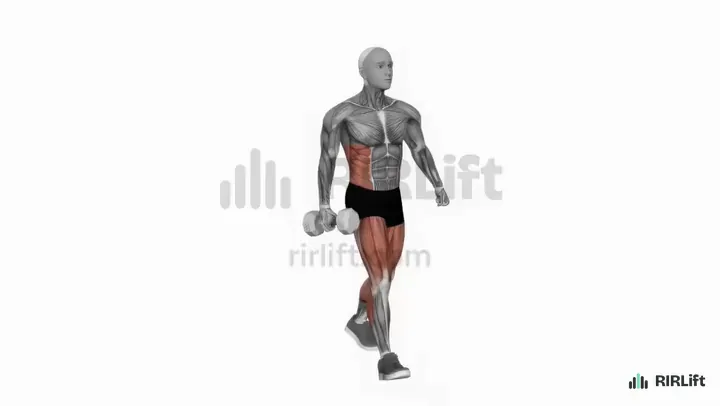
Dumbbell Suitcase Carry
Carry one heavy weight in one hand and walk without leaning; the closest no-cable match, since your trunk fights a pull from one side.
Build a session with it -
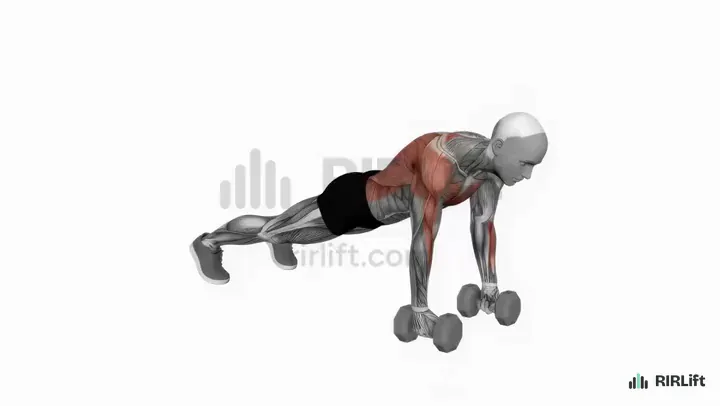
Renegade Row
Row a dumbbell from a push-up position while your hips stay level; take it when you want the anti-rotation work with upper-back work attached.
Build a session with it -
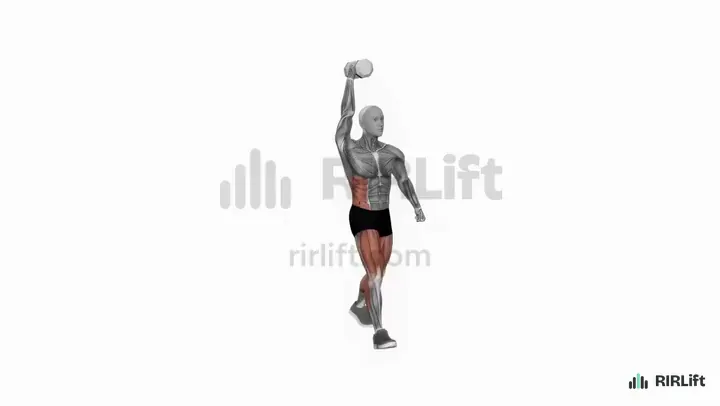
Dumbbell Single-Arm Overhead Carry
Press one dumbbell overhead and walk; choose it when you can already hold a suitcase carry still and want a longer lever.
Build a session with it -
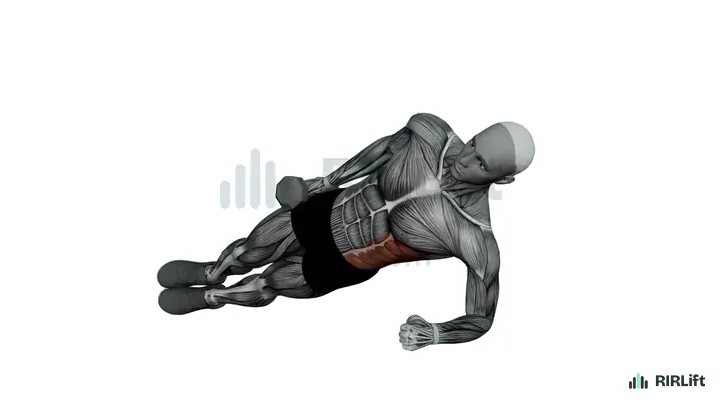
Dumbbell Side Plank
Hold a dumbbell on your top hip in a side plank when a bodyweight side plank gets easy and you want to add load instead of time.
Build a session with it
No equipment
-
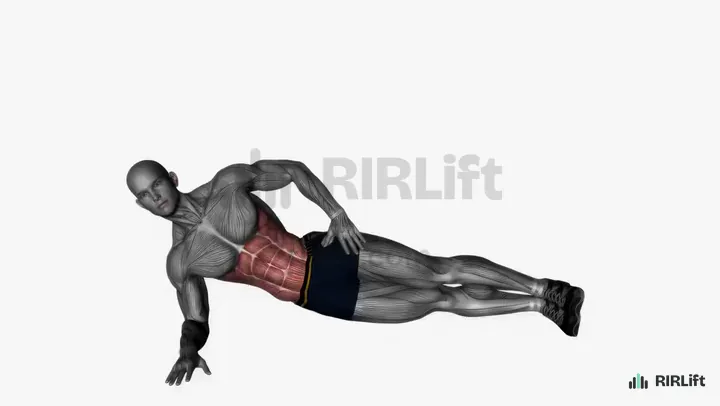
Side Plank
Hold your body in a straight line on one forearm; the simplest home option for the side of your trunk, made harder by lifting the top leg.
Build a session with it -
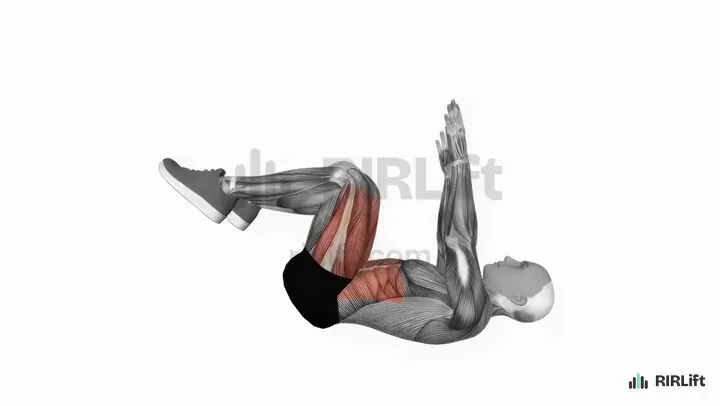
Dead Bug
Lie on your back and extend the opposite arm and leg while your lower back stays on the floor; pick it to practise bracing before loading anything.
Build a session with it -
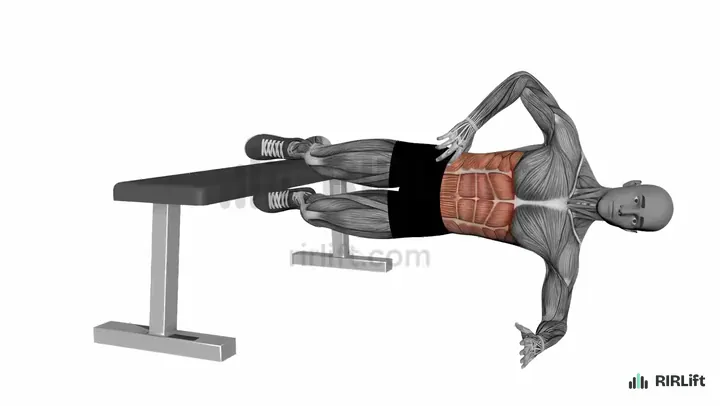
Copenhagen Plank
Side plank with your top foot on a bench; take it when the regular side plank is easy and you want your inner thighs to work too.
Build a session with it
When you want to train the twist
-
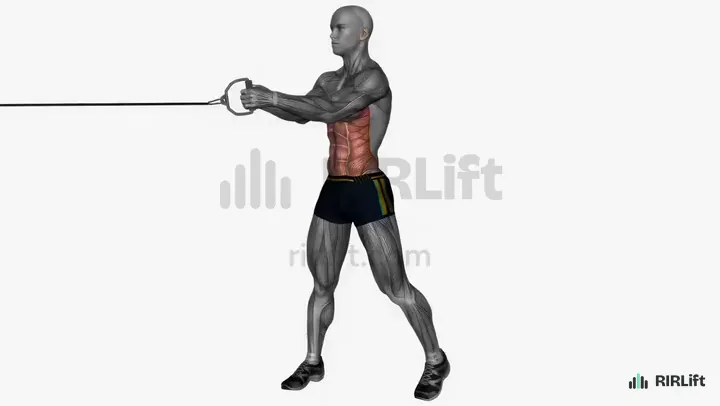
Cable Woodchop
Pick this once you can hold the Pallof press still: same cable and stance, but now you turn through the trunk on purpose and control the return.
Build a session with it -
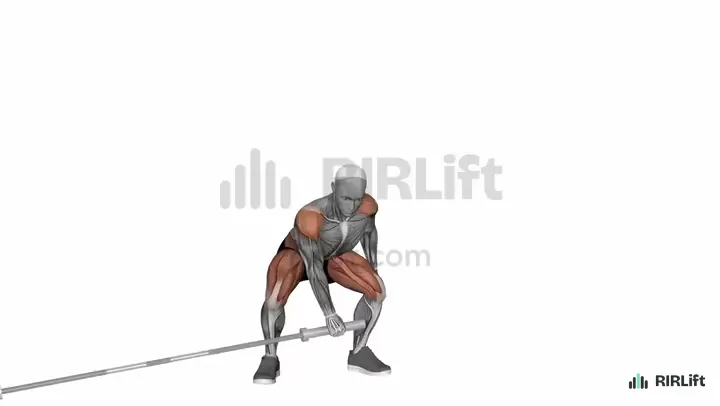
Landmine Rotational Press
Pick this when you have a landmine and want to move from holding against rotation to producing it, finishing with a press.
Build a session with it -
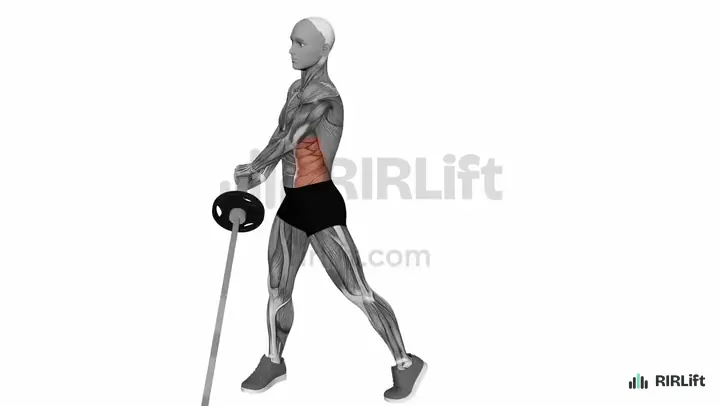
Landmine Twist
Pick this to train your obliques through an arc with a barbell in a landmine, keeping your hips still while your arms sweep side to side.
Build a session with it
How to do a Pallof press with a band at home
Loop a long resistance band around something that will not move at chest height: a rack upright, a sturdy post, or a door you close on the band with you standing on the side it opens away from. Hold the free end with both hands against your breastbone and step sideways until the band is taut.
A band gets harder the further it stretches, so your distance from the anchor is your load. When 15 reps with a two-second hold feel easy, take a half step further out before switching to a heavier band. With no anchor at all, stand on the band with one foot, step the other foot wide and press out from that stance.
Half-kneeling and other stances
Half-kneeling, with the knee nearest the anchor down, stops you bracing with your legs, so you feel your trunk do more of the work at a lighter load. Tall-kneeling on both knees is harder still, and a split stance sits between kneeling and standing.
To progress without more weight, press the handle overhead from the extended position, or hold the long-arm position longer. Change one thing at a time so you know what made the set harder.
Questions
How do you do a Pallof press properly?
Stand side-on to a chest-high cable or band, hold the handle at your breastbone, and step away until it pulls you toward the anchor. Brace, press straight out until your arms are long, hold for two seconds without your hands drifting, bring it back, and finish all reps before switching sides.
What does the Pallof press work?
It trains your obliques and the deep muscles around your trunk to stop your torso turning, with your glutes and shoulders holding your hips and the handle in place. The work is hardest with your arms fully extended.
How do you do a Pallof press without a cable machine?
Use a resistance band anchored at chest height to a rack, post or closed door, and do the same press. Distance from the anchor sets the load, so step further out before you switch to a heavier band.
What is a half-kneeling Pallof press?
It is the same press done with the knee closest to the anchor on the floor and the other foot in front. Kneeling takes your legs out of the brace, so it is harder at the same weight and a good place for beginners to learn the hold.
What weight should I start with on the Pallof press?
Start with the lightest stack or band that still pulls you toward the anchor when you hold the handle at your chest. If your hands drift toward the anchor at full reach, it is too heavy; if 15 slow reps per side feel easy, add a plate or step further out.
What can I replace a Pallof press with?
A suitcase carry is the closest match without a cable: one heavy dumbbell in one hand, walking without leaning. At home, a side plank or a dead bug works, and with dumbbells, a renegade row trains the same refusal to twist.
Can you do a Pallof press with dumbbells?
Not as written, because a dumbbell pulls straight down rather than sideways. For the same job with dumbbells, do a suitcase carry or a renegade row.
Related templates
-
Cable exercises by muscle, with sessions for the cables you have
More cable work to pair with the Pallof press on the same station.
-
The best workout for abs, for your situation
Where the Pallof press fits next to crunches and leg raises in a full ab session.
-
Bodyweight exercises: the 18 that build muscle, by muscle group
Core and full-body options for days with no cable or band.
-
How to use RIR
How to judge two reps in reserve on a hold-and-press exercise like this one.