
Pendlay row: how to do it, and what to swap it for
Published October 17, 2026
The Pendlay row is a barbell row where the bar starts on the floor and goes back to a dead stop on the floor after every rep, with your torso close to parallel to the ground. It trains your upper back and lats, with your biceps and lower back helping. The one thing that makes it work is a torso that stays put: if your chest rises as the bar comes up, your hips are doing the rowing, so pick a weight you can pull with your back still flat and level.
- WorksUpper Back, Lats
- AlsoBiceps, Lower Back
- EquipmentBarbells
- Start with3 × 8–12, 2 in reserve, 2:30 min rest
How to do the Pendlay row
Every rep starts from a dead stop, so there is no bounce at the bottom and no drift in your torso angle across the set. That makes it the barbell row where you can pull hard and still tell a clean rep from a cheated one.
Steps
- Load the bar on the floor, stand with the bar over the middle of your feet and your feet about hip width apart.
- Hinge at the hips with a slight knee bend until your chest is close to level with the floor, then take an overhand grip a bit wider than your shoulders.
- Flatten your back, take a big breath and pull the slack out of the bar so your arms are long and tight before it moves.
- Row the bar fast off the floor to your lower ribs, driving your elbows back past your torso.
- Put the bar back down on the floor with your arms straight, let it settle, and reset your breath and back before the next rep.
Cues
- Chest stays level
- Elbows back, not out
- Floor, settle, pull
Common mistakes
- Standing up to move the bar: if your chest rises as you pull, your hips are doing the work. Drop the weight until your torso angle is the same at the top as at the bottom.
- Bouncing off the floor: tapping the plates and pulling again turns it into a bent-over row with a bad bottom. Let the bar stop completely before each rep.
- Pulling to your belly button with flared elbows: the bar should touch your lower ribs with your elbows behind you. If it lands lower, your arms are finishing the rep instead of your back.
Swap for: Barbell Row, Dumbbell Pendlay Row, Seal Row
Muscles the Pendlay row works
The Pendlay row works your upper back (traps and rhomboids) and lats, with your biceps bending your elbows and your lower back holding your torso level. It loads them hardest at the top, where your shoulder blades pull together and your elbows pass your ribs, and the floor takes the weight off between reps.
Sets, reps and reps in reserve for the Pendlay row
| Goal | Sets × reps | RIR | Rest |
|---|---|---|---|
| Build muscle | 3 × 8–12 | 2 | 2:30 min |
| This matches the session builder; add weight once every set reaches 12 clean reps from the floor. | |||
| Strength | 3–5 × 4–6 | 1–2 | 3 min |
| Use this when the row backs up a heavy deadlift or bench press, and keep every rep a dead stop even when it gets slow. | |||
| Beginners | 2–3 × 8–10 | 3 | 2 min |
| Start light enough that your chest never rises, and move to 2 reps in reserve once the setup feels the same every rep. | |||
Pendlay row variations
-
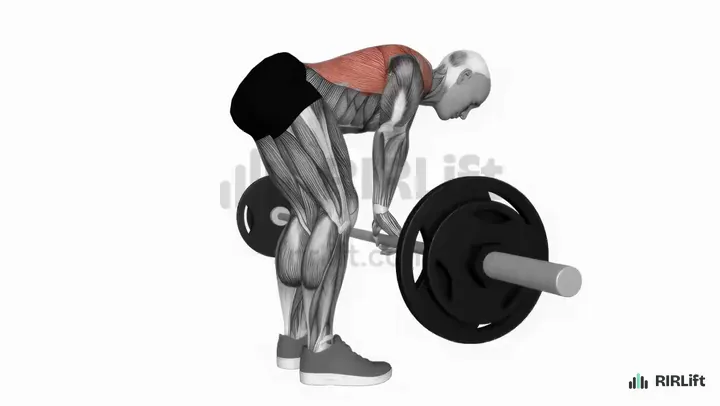
Barbell Row
Pick it when you want constant tension on your back; the bar stays in the air for the whole set, so the weight is lighter but the work never pauses.
Build a session with it -
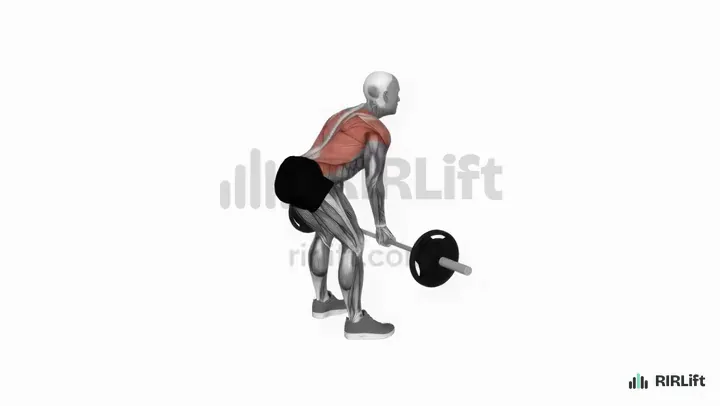
Underhand Barbell Row
Pick it when you want more biceps and lower lats in the row; the underhand grip pulls your elbows closer to your sides.
Build a session with it -
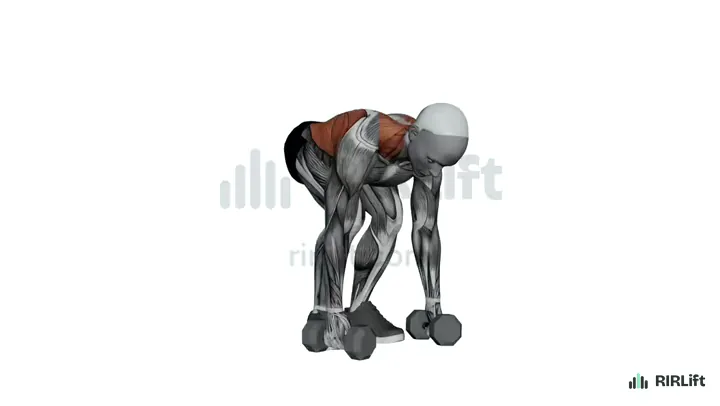
Dumbbell Pendlay Row
Pick it with dumbbells and no barbell, or when a straight bar keeps hitting your knees on the way up.
Build a session with it -
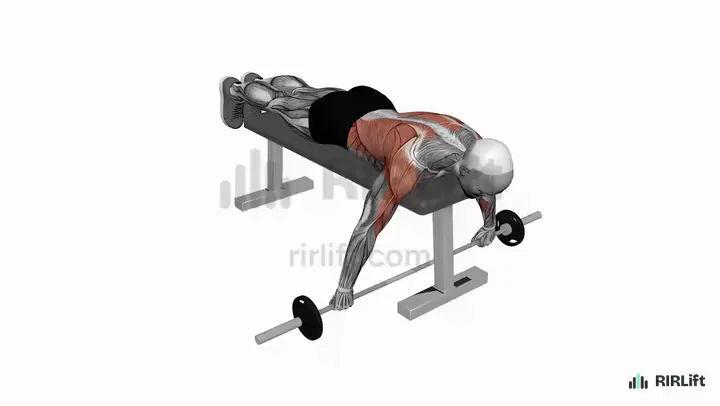
Seal Row
Pick it when you want the same strict, dead-stop row with no torso to hold up, since you lie face down on a bench.
Build a session with it
Pendlay row alternatives
No barbell
-
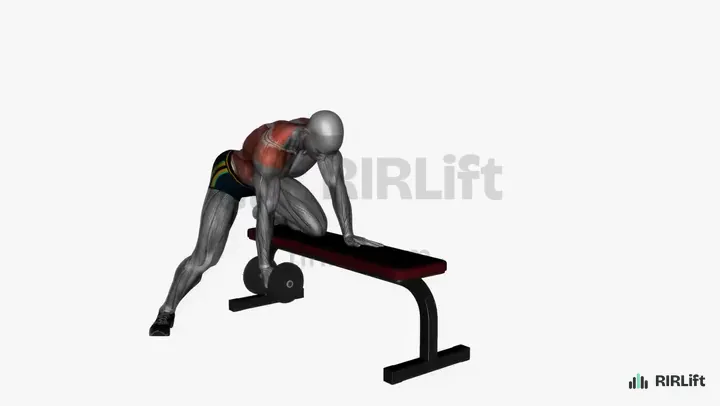
One-Arm Dumbbell Row
Use it when you want the heaviest row a dumbbell allows, braced on a bench, one side at a time.
Build a session with it -
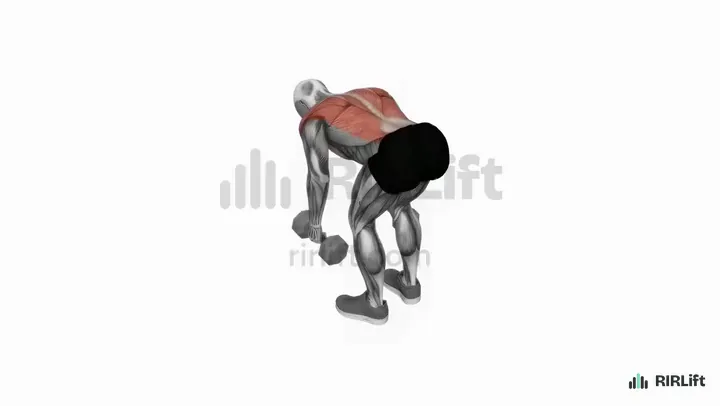
Dumbbell Bent-Over Row
Use it at home with a pair of dumbbells when you want both arms working in the same hinged position.
Build a session with it -
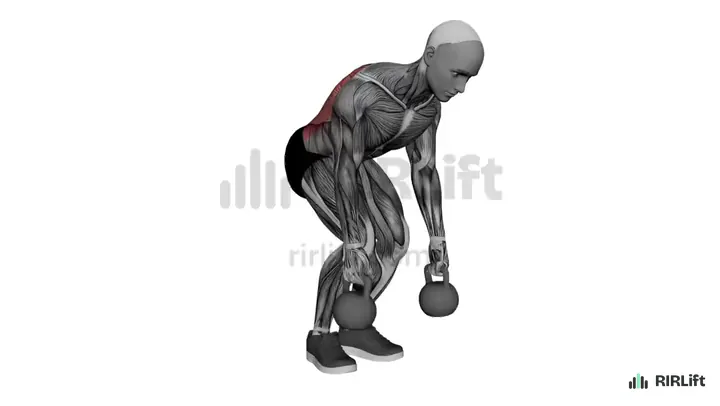
When your lower back tires first
-
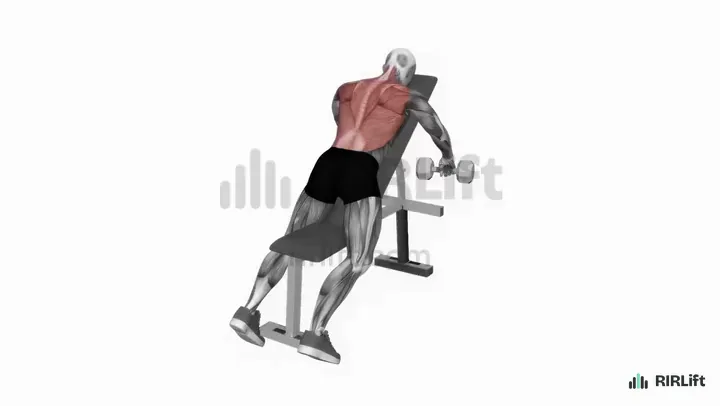
Incline Dumbbell Row
Use it when your lower back gives out before your upper back; lying chest down on an incline bench takes the hinge out.
Build a session with it -
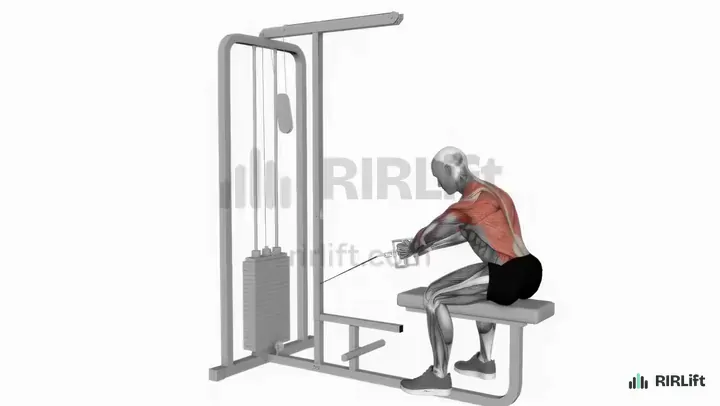
Seated Cable Row
Use it in a gym when you want a heavy row with your torso upright and your feet braced.
Build a session with it -
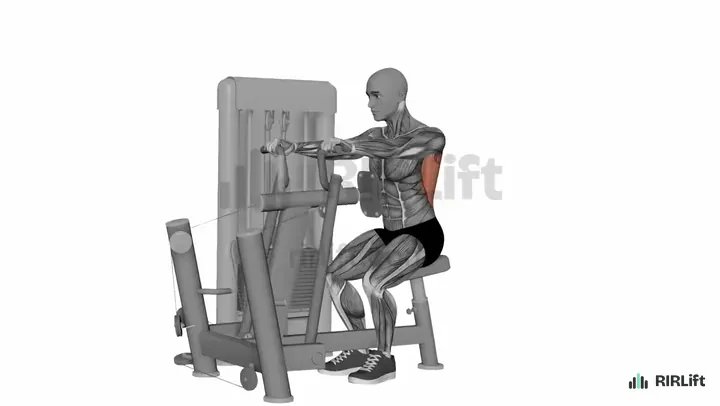
Machine Row
Use it in a gym when you want a heavy row with your chest on a pad and nothing for your lower back to hold.
Build a session with it
Bodyweight and bands
-
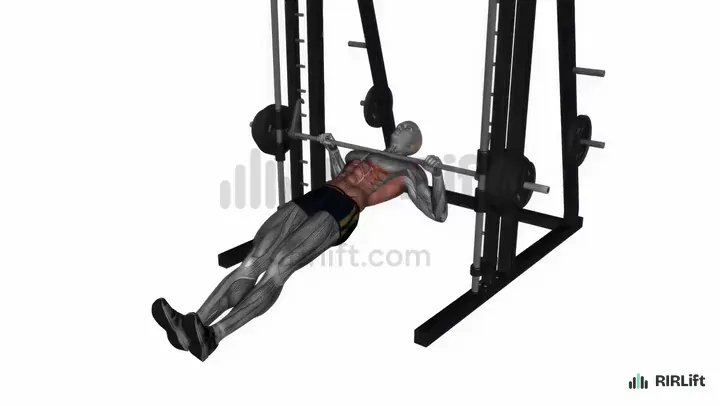
Inverted Row
Use it with a bar in a rack or a Smith machine; walk your feet forward to make it harder.
Build a session with it -
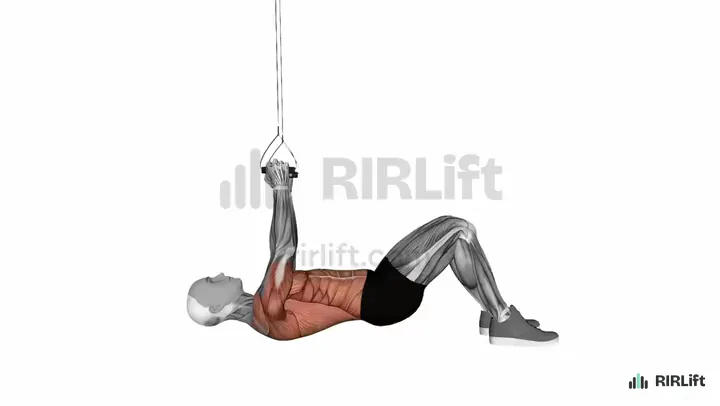
TRX Row
Use it with suspension straps on a door or a beam when you train away from a gym.
Build a session with it -
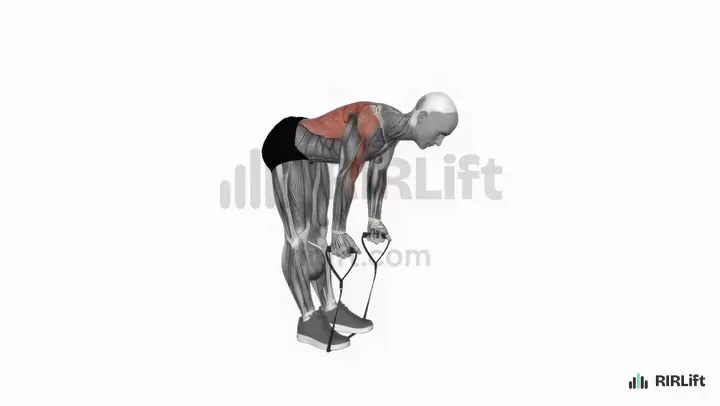
Band Bent-Over Row
Use it when a band is all you have; stand on it and row from the same hinged position.
Build a session with it
Pendlay row vs bent-over row
Both are barbell rows with the same grip and the same muscles. The Pendlay row starts and ends every rep on the floor with your torso close to level, so each rep is a fresh, heavy pull. The bent-over row keeps the bar hanging in the air with your torso a little higher, so your back never gets a pause between reps.
Pick the Pendlay row when you want to row heavy with strict reps, and the bent-over row when you want the set to keep tension on your back the whole way. Either one counts as your row for the week; doing both in one session adds little that a third set of either would not. The barbell exercises page puts both in the row slot.
Questions
What's the point of a Pendlay row?
It makes every rep a dead-stop pull from the floor with a level torso, so you cannot bounce the bar or let your torso creep upright as the set goes on. That lets you row heavy and still keep each rep honest.
Is the Pendlay row better than the bent-over row?
Neither is better for building your back; they train the same muscles. Choose the Pendlay row for heavy, strict reps from the floor and the bent-over row for constant tension through the set, then stick with one long enough to add weight to it.
Are Pendlay rows harder than regular rows?
Most lifters use less weight on a Pendlay row than on a bent-over row with some body English, because the bar starts from a dead stop and your torso has to stay level. With a strict bent-over row the weights end up close.
What muscles do Pendlay rows work?
Your upper back (traps and rhomboids) and lats do most of the pulling, your biceps bend your elbows and your lower back holds your torso flat. Your rear delts help at the top as your elbows pass your ribs.
What can I substitute for Pendlay rows?
With dumbbells, use the one-arm dumbbell row or the dumbbell Pendlay row. If your lower back tires first, use the incline dumbbell row or the seated cable row. With no weights, use the inverted row under a bar or a TRX row.
How many reps should I do for Pendlay rows?
For muscle, 3 sets of 8 to 12 reps stopping 2 reps short of failure. For strength, 4 to 6 reps with 1 to 2 in reserve. Add weight once you hit the top of the range on every set with the bar stopping on the floor each rep.
Should the bar touch the floor on every Pendlay row?
Yes. Let it come to a full stop on the floor, reset your back and breath, then pull again. If you only tap the plates and keep going, you are doing a bent-over row from a lower start.
Related templates
-
Barbell exercises: the 18 lifts worth learning, and how to put them together
Where the Pendlay row sits among the barbell lifts, one per movement pattern.
-
Back exercises with dumbbells: lats, upper back, traps and lower back
Every row worth doing when you have dumbbells instead of a bar.
-
Lat pulldown: form, grip width and the best alternatives
The vertical pull to pair with your row so your lats get both directions.
-
The best workout for back: width, thickness and traps
Sessions that put a heavy row next to a vertical pull and rear delt work.
-
How to use RIR
How to judge 2 reps in reserve on a row where your form breaks before your muscles fail.