
Split squat: how to do it, muscles worked and alternatives
Published October 17, 2026
The split squat is a one-leg squat from a staggered stance: both feet stay on the floor and you hold a dumbbell in each hand. It trains the quads and glutes of the front leg while the back leg helps a little and keeps you balanced. What makes it work is staying put: set the stance once, drop straight down until the back knee nearly touches the floor, and stand back up without stepping.
- WorksQuads, Glutes
- AlsoAdductors, Abductors
- EquipmentDumbbells
- Start with3 × 10–15, 2 in reserve, 2:30 min rest
How to do the dumbbell split squat
Both feet stay planted for the whole set, so you get one-leg training with far less balance demand than a lunge or a raised back foot. That lets you push each set close to failure with dumbbells and no rack.
Steps
- Hold a dumbbell in each hand and take a long step back with one foot, landing on the ball of that foot.
- Check your stance: feet about hip-width apart side to side, like two rails, and your front foot flat from heel to toes.
- Brace, then bend both knees and lower straight down until your back knee is a few centimetres from the floor.
- Push the floor away with your whole front foot and stand up to just short of locking out, without moving your feet.
- Do every rep on one leg, then switch, starting each set with your weaker side.
Cues
- Elevator down, not forward
- Front foot flat, heel down
- Back knee nearly kisses the floor
Common mistakes
- Feet on a tightrope: if you wobble, widen your feet sideways until each sits under its own hip.
- Stance too short: if your front heel lifts at the bottom, slide the back foot further back before the next set.
- Rocking forward instead of dropping: keep your weight between both feet and let the back knee travel straight down.
- Cutting depth as the dumbbells get heavy: only count reps where the back knee gets close to the floor.
Swap for: Dumbbell Reverse Lunge, Bulgarian Split Squat, Single-Leg Leg Press
Muscles the dumbbell split squat works
Your front leg's quads and glutes carry the load, the adductors help you out of the bottom, and the back leg's quads add a little. The bottom of the rep, with the front thigh deep and the glute stretched, is where they work hardest, so full depth matters more than heavier dumbbells.
Sets, reps and reps in reserve for the dumbbell split squat
| Goal | Sets × reps | RIR | Rest |
|---|---|---|---|
| Build muscle | 3 × 10–15 | 2 | 2:30 min |
| The builder's numbers, per leg: add a rep each session and go up a dumbbell once both legs reach 15. | |||
| Strength | 3–4 × 6–8 per leg | 1–2 | 3 min |
| Use straps or the barbell version when your grip ends the set before your legs do. | |||
| Beginners | 2–3 × 8–12 per leg | 3 | 2 min |
| Start with bodyweight and add dumbbells once the stance is the same every set. | |||
Dumbbell split squat variations
-
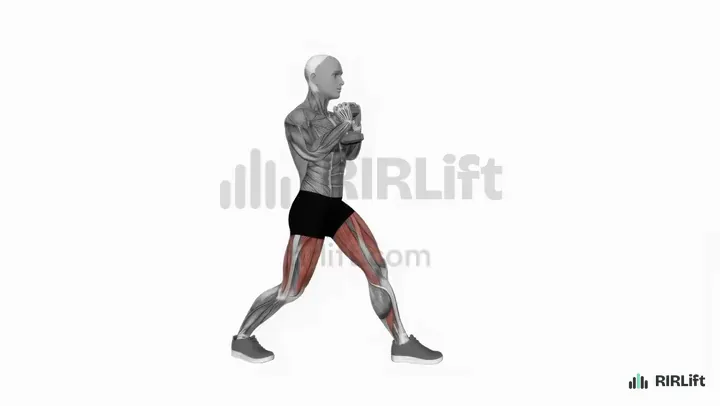
Dumbbell Goblet Split Squat
Pick this with a single dumbbell held at your chest, which keeps your torso upright and puts more on the quads.
Build a session with it -
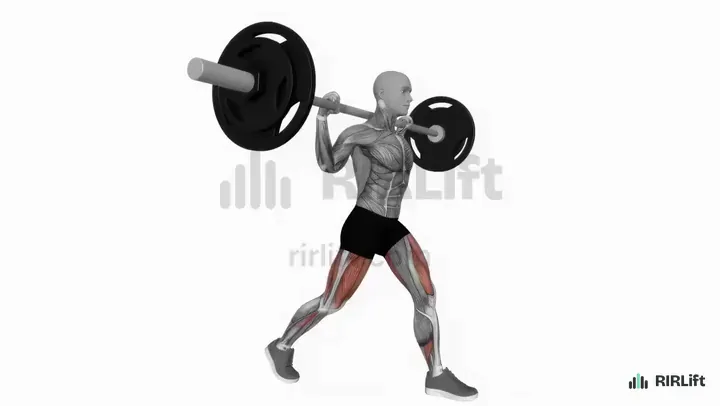
Barbell Split Squat
Pick this once your grip quits before your legs on the heaviest dumbbells; the bar sits on your back.
Build a session with it -
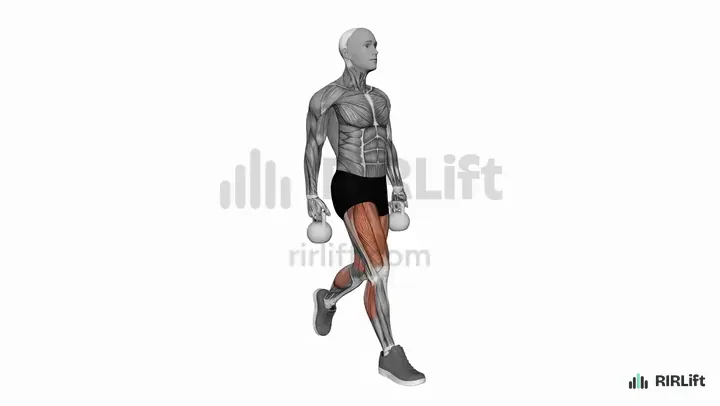
Kettlebell Split Squat
Pick this when kettlebells are what you have; the stance and depth are the same.
Build a session with it -
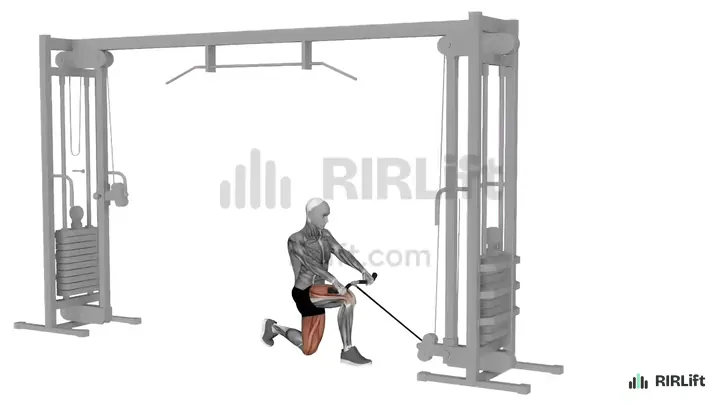
Cable Split Squat
Pick this when you want the cable to steady you and keep tension at the top.
Build a session with it -
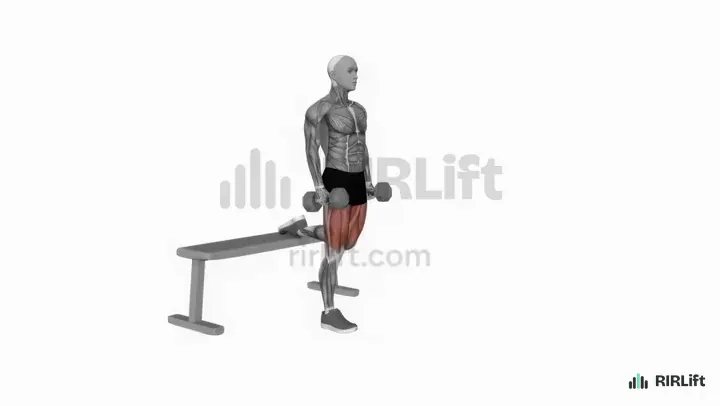
Bulgarian Split Squat
Pick this once 15 clean reps per leg feel easy: raising the back foot puts more load on the front leg.
Build a session with it
Dumbbell split squat alternatives
Less balance
-
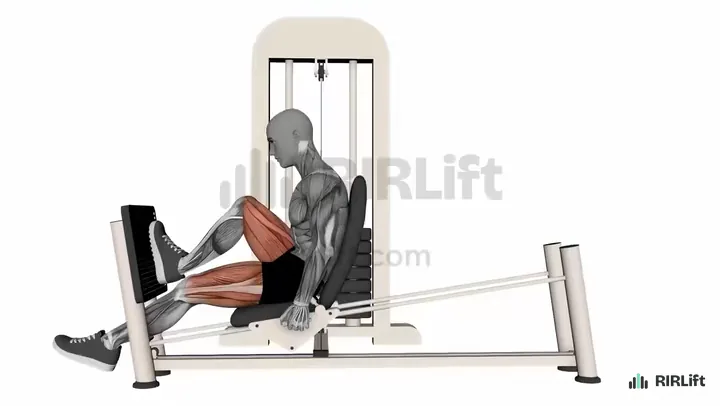
Single-Leg Leg Press
The seat and pad hold you in place, so balance never ends the set and each leg can go closer to failure.
Build a session with it -
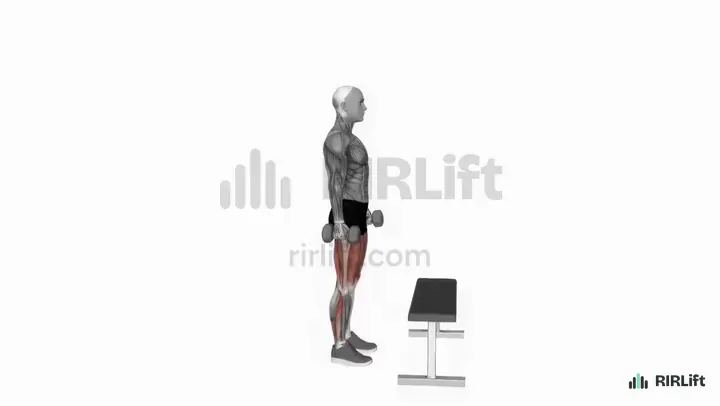
Step-Up
Drive yourself up onto a bench with one leg, an easy setup if the split stance feels awkward.
Build a session with it
Moving lunges
-
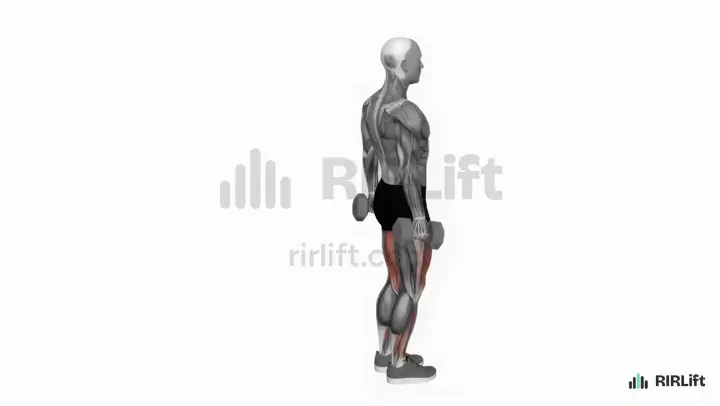
Dumbbell Reverse Lunge
Step back into each rep from standing, so your balance resets every time while the front leg does the lifting.
Build a session with it -
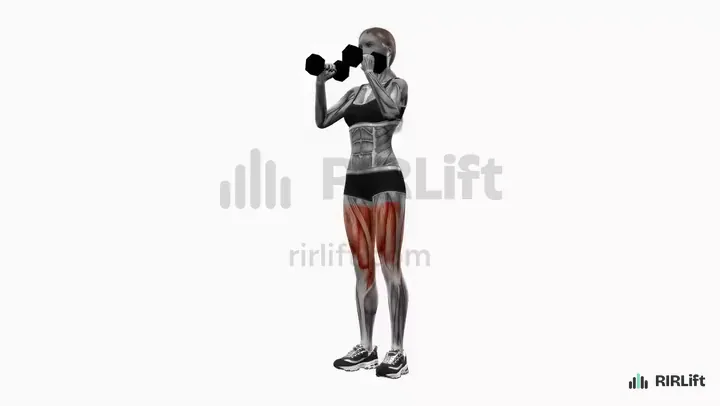
Dumbbell Curtsy Lunge
Step the back foot behind and across, which shifts more of the work toward the side of the front glute.
Build a session with it
Both legs at once
-
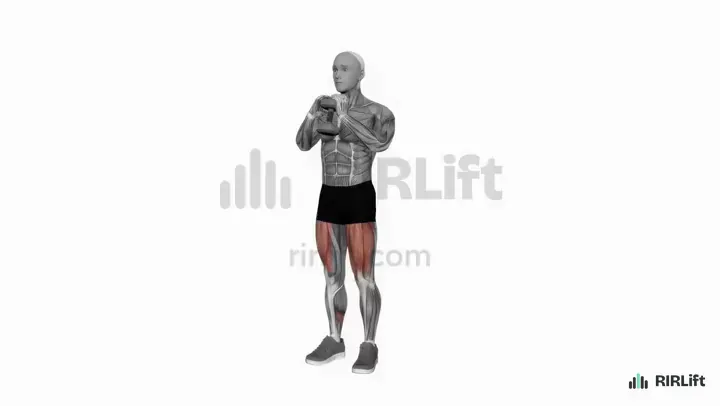
Goblet Squat
Trains both legs together with one dumbbell when you want a shorter session.
Build a session with it -
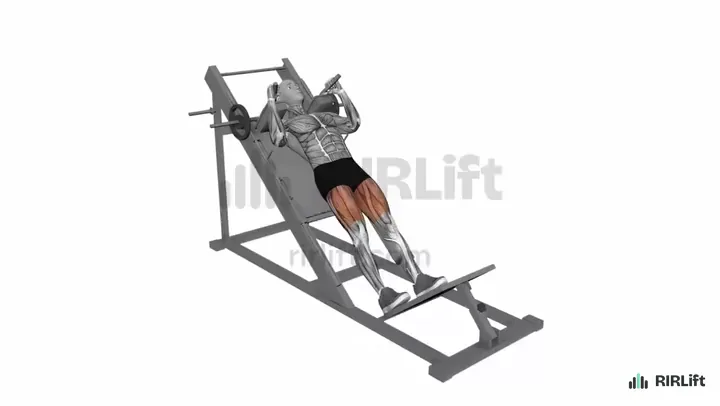
Hack Squat
Heavy quad work with your back supported, without any one-leg setup.
Build a session with it
More quads
-
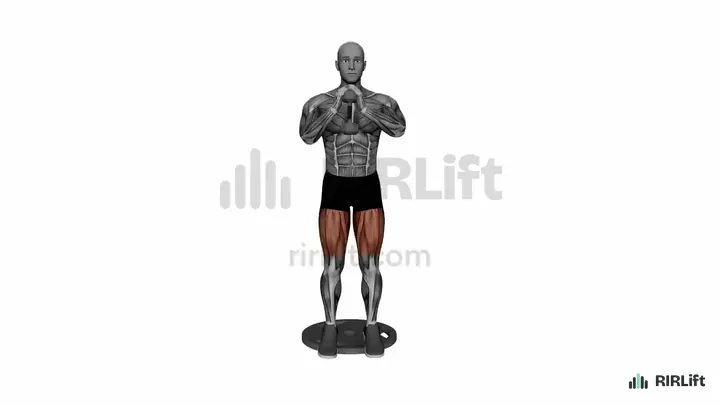
Heels-Elevated Goblet Squat
Lift your heels on a plate so your knees can drive forward and both quads work deep.
Build a session with it -
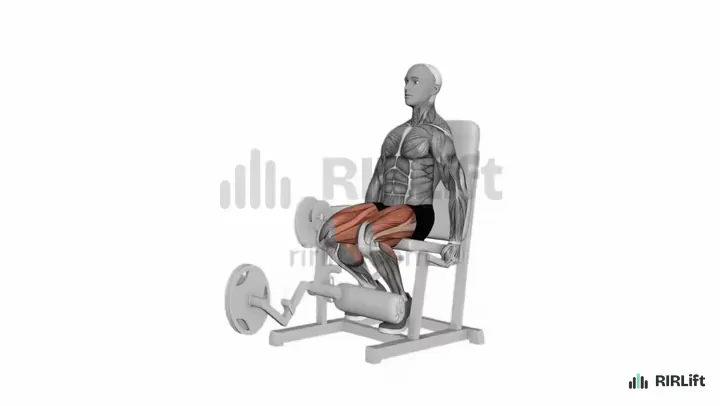
Leg Extension
Takes balance out completely and works the quads on their own.
Build a session with it
Split squat vs lunge
In a split squat your feet stay where they are for the whole set. In a lunge you step out and back on every rep, so you have to stop and catch yourself each time.
That makes the split squat the easier one to load and to push close to failure, and the lunge the one that trains balance and coordination more. Start with split squats; add a reverse lunge once your stance is steady.
Split squat vs Bulgarian split squat
Keep both feet down and the back leg shares some of the work, which makes balance easier. Put the back foot on a bench and the front leg takes more of the load through a deeper range, so the Bulgarian is harder with the same dumbbells.
Stay with the floor version until 10 clean reps per leg feel steady, then try the back foot on a low step before a full bench. The Bulgarian split squat guide covers that setup.
Split squat for quads or glutes
For more quads, shorten the stance, keep your chest up and let the front knee move forward over your toes.
For more glutes, take a longer stance, hinge your torso forward a little and keep the front shin nearer vertical. Choose one setup for a training block so the reps you add are real progress.
Questions
What are split squats good for?
Split squats train your quads and glutes one leg at a time and make a weaker side obvious. With both feet planted they are easier to load and push hard than lunges.
How do you do a split squat correctly?
Take a long staggered stance with your feet hip-width apart, drop straight down until your back knee is just off the floor, and push through your whole front foot to stand up. Finish all reps on one leg before switching.
What is the difference between a split squat and a lunge?
In a split squat your feet stay planted for the whole set. In a lunge you step forward or back on every rep, which adds balance work but makes it harder to load.
Is it better to do squats or split squats?
Both build the legs. Squats let you move more total weight; split squats load each leg on its own with dumbbells and no rack. Many programs use one as the main lift and the other after it.
How many split squats should I do?
For muscle, 3 sets of 10–15 reps per leg, stopping about 2 reps short of failure, is a solid start. Count them toward your 10–20 hard sets per muscle per week.
How heavy should my split squats be?
Heavy enough that the last reps of each set are hard but your form holds, about 2 reps short of failure. When you reach the top of your rep range on both legs, go up one dumbbell.
What can I do instead of split squats?
For one-leg work, use reverse lunges or step-ups. To take balance away, use the single-leg leg press. To train both legs together, use a goblet squat or a hack squat.
Related templates
-
Bulgarian split squat: form, foot position and alternatives
The next step once the floor version feels easy.
-
Leg exercises with dumbbells: quads, hamstrings, glutes and calves
More leg exercises for the same pair of dumbbells.
-
The best workout for legs, built for your situation
Shows where a one-leg exercise fits in a full leg session.
-
How to use RIR
How to judge 2 reps in reserve when balance is part of the set.