
Strength training for longevity: five movements, 30 to 60 minutes a week
Published October 29, 2026
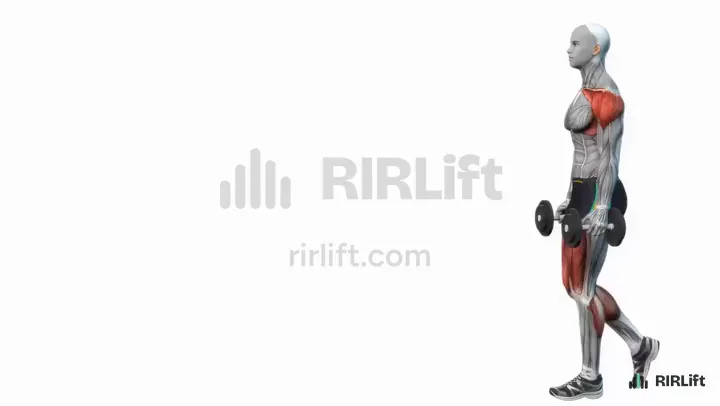
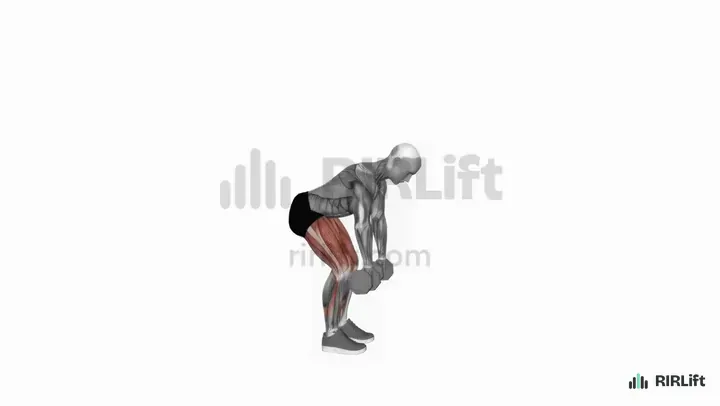
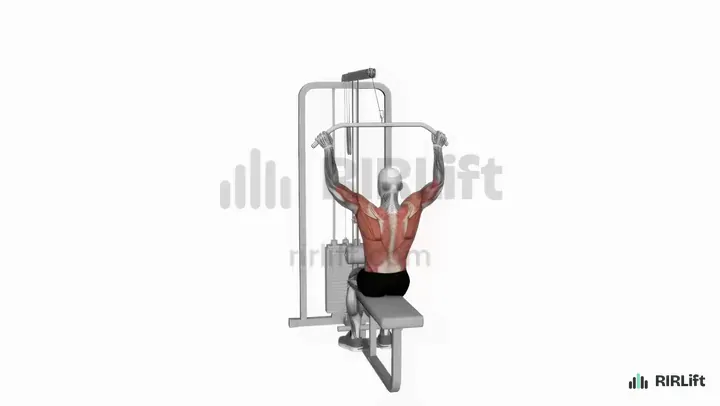
For longevity, strength train 2 days a week for a total of 30 to 60 minutes, the range a Harvard-reported meta-analysis linked to a 10 to 20 percent lower risk of dying during follow-up. Cover five movements: a squat (goblet squat or leg press), a hinge (trap bar deadlift or dumbbell Romanian deadlift), a push (push-up or shoulder press), a pull (dumbbell row or lat pulldown) and a carry (farmer's walk). Do 2 to 3 sets each, stop 1 to 3 reps short of failure, add weight over time, and keep walking or cycling on other days.
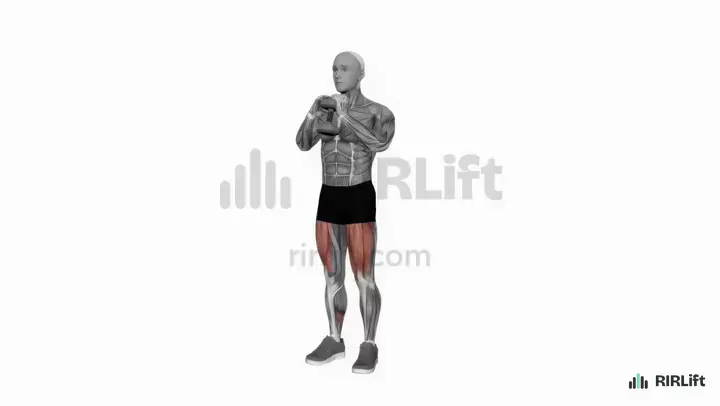
- Goblet Squat Quads, Glutes
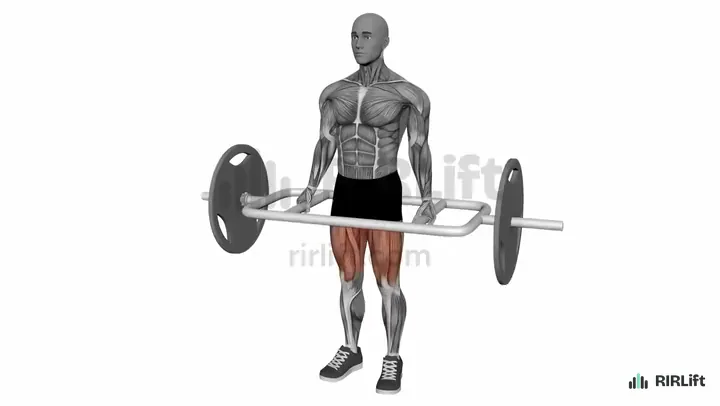
- Trap Bar Deadlift Quads, Glutes
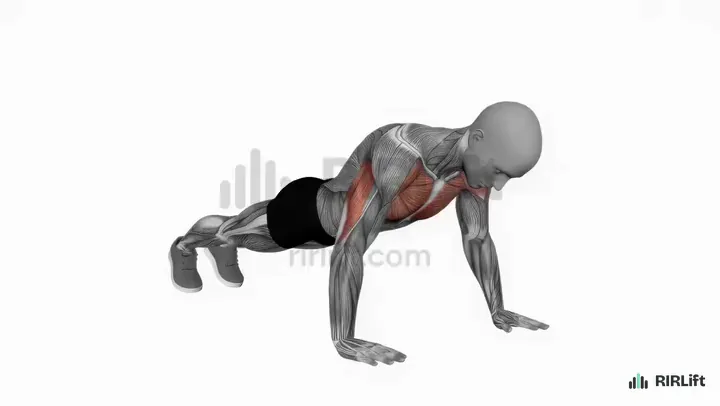
- Push-Up Chest
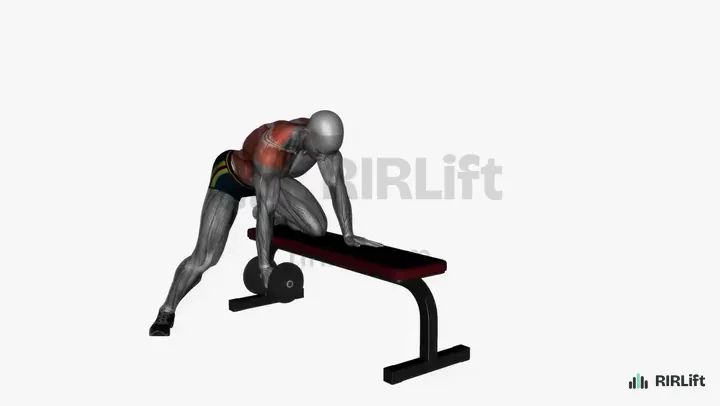
- One-Arm Dumbbell Row Lats, Upper Back
- Farmer's Walk Forearms, Traps, Shoulders
- Dumbbell Romanian Deadlift Hamstrings, Glutes
- Lat Pulldown Lats
Put them together: example sessions
Each session below picks from the exercises above for one situation, with the sets, reps, rest and RIR filled in.
-
Session 1
The minimum: about 60 minutes a week
You are busy or new to lifting, you have a pair of dumbbells and a bench at home, and you want the dose of strength training that research links to living longer, without more.
2× a week · 20 sets a week · ~25 min
-
Session 2
A gym, three short full-body days
You enjoy training, you have a gym membership, and you want to build muscle and strength in your 40s, 50s or 60s while keeping the total time under two hours a week.
3× a week · 32 sets a week · ~30 min
-
Session 3
Starting after 65, in a gym
You are 65 or older, you have not lifted before or not for years, and you want to get stronger with machines and supported exercises first.
2× a week · 20 sets a week · ~25 min
Session 1
The minimum: about 60 minutes a week
- Workouts2× a week
- Working sets20 a week
- Per workout~25 min
- EquipmentDumbbells
You are busy or new to lifting, you have a pair of dumbbells and a bench at home, and you want the dose of strength training that research links to living longer, without more.
One 30-minute routine, done twice a week, covers all five movements with 2 sets each: 10 sets per session, about 60 minutes a week. That sits in the 30 to 60 minute range where the meta-analysis found the benefit, which leveled off past an hour. Sets stop 2 reps short of failure, close enough to build strength without long recovery.
| Exercise | Sets × reps | RIR | Rest |
|---|---|---|---|
| Goblet Squat1 warm-up set first | 2 × 8–12 | 2 | 90 s |
| Push-UpHands on a bench if the floor is too hard. | 2 × 6–15 | 2 | 90 s |
| One-Arm Dumbbell RowPer arm. | 2 × 8–12 | 2 | 90 s |
| Dumbbell Romanian DeadliftStop at the hamstring stretch. | 2 × 8–12 | 2 | 90 s |
| Farmer's WalkWalk 30 meters, heavy. | 2 × 1 | 2 | 90 s |
- How to run it
- Do it twice a week, for example Monday and Thursday. Walk, cycle or swim on other days; strength and aerobic exercise train different things, so keep both.
- How to progress
- Double progression: reach the top of the rep range on both sets, then go up one dumbbell size. On push-ups, move from a bench to the floor before adding reps past 15.
Session 2
A gym, three short full-body days
- Workouts3× a week
- Working sets32 a week
- Per workout~30 min
- EquipmentTrap Bar, Dumbbells, Lat Pulldown, Leg Press +2
You enjoy training, you have a gym membership, and you want to build muscle and strength in your 40s, 50s or 60s while keeping the total time under two hours a week.
Three 35-minute sessions, about 105 minutes a week, each built around one heavy lift with 3 sets at 1 to 2 reps in reserve. Squat, hinge, push and pull each get 6 to 8 sets a week, enough for steady muscle gain. Total time stays below the two-hour mark where the meta-analysis saw the benefit start to fall.
| Exercise | Sets × reps | RIR | Rest |
|---|---|---|---|
| Trap Bar Deadlift3 warm-up sets first | 3 × 5–8 | 2 | 3 min |
| Dumbbell Shoulder Press | 3 × 8–12 | 2 | 90 s |
| Lat Pulldown | 3 × 8–12 | 1 | 90 s |
| Farmer's WalkWalk 40 meters. | 2 × 1 | 2 | 2 min |
| Exercise | Sets × reps | RIR | Rest |
|---|---|---|---|
| Leg Press | 3 × 8–12 | 1 | 2 min |
| Push-Up | 3 × 8–20 | 2 | 90 s |
| One-Arm Dumbbell RowPer arm. | 3 × 8–12 | 2 | 90 s |
| Dead HangSeconds per hold. | 2 × 20–60 | 2 | 90 s |
| Exercise | Sets × reps | RIR | Rest |
|---|---|---|---|
| Goblet Squat1 warm-up set first | 3 × 8–12 | 2 | 2 min |
| Dumbbell Romanian Deadlift | 3 × 8–12 | 2 | 2 min |
| Step-UpPer leg. | 2 × 8–12 | 2 | 90 s |
| Lat PulldownNeutral or wide grip. | 2 × 10–12 | 1 | 90 s |
- How to run it
- Monday, Wednesday and Friday, or any three days with a rest day after each. Warm up with 5 minutes on a bike and ramp up to the first lift's working weight.
- How to progress
- Add weight to the trap bar deadlift and leg press whenever every set reaches the top of its range. On the dead hang, add 5 seconds per hold each week until you reach 60, then hold a light dumbbell between your feet.
Session 3
Starting after 65, in a gym
- Workouts2× a week
- Working sets20 a week
- Per workout~25 min
- EquipmentLeg Press, Lat Pulldown, Dumbbells, Flat Bench
You are 65 or older, you have not lifted before or not for years, and you want to get stronger with machines and supported exercises first.
Five exercises with 2 sets each and 2 to 3 reps in reserve: 10 sets, about 30 minutes, twice a week. Machines and a seated press keep balance and the lower back out of the way while strength comes up quickly in the first months. The farmer's walk stays in to train grip and carrying.
| Exercise | Sets × reps | RIR | Rest |
|---|---|---|---|
| Leg PressLower back flat on the pad. | 2 × 10–12 | 3 | 2 min |
| Lat Pulldown | 2 × 10–12 | 2 | 90 s |
| Dumbbell Shoulder PressSeated against an upright bench. | 2 × 10–12 | 3 | 90 s |
| Step-UpPer leg. Low box beside a rail. | 2 × 6–10 | 3 | 90 s |
| Farmer's WalkWalk 20 to 30 meters. | 2 × 1 | 2 | 90 s |
- How to run it
- Twice a week on non-consecutive days, for example Tuesday and Friday. Walk on most other days.
- How to progress
- Add reps until every set reaches 12, then add the smallest weight step. After 8 to 12 weeks, add the goblet squat and Romanian deadlift from the minimum-dose plan.
Make it fit you
-
You already run or cycle a lot
Keep your cardio and use the minimum-dose plan on two of your easier days. You get the separate benefit of strength training without eating into your endurance work.
-
Muscle gain is a goal too
Use the three-day plan and add a set to the first two exercises of each day. That brings each muscle to about 10 hard sets a week, the range where muscle grows well.
-
Your back or knees limit you
Use the leg press instead of squats and the dumbbell Romanian deadlift with a short range instead of the trap bar. The pattern still gets trained; only the version changes.
-
You travel often
Push-ups, single-leg squats onto a hotel chair and bag carries cover three patterns anywhere. Do the minimum-dose plan with what you have and catch up with dumbbells at home.
-
Measure strength over years
Log weights and the reps you had left so you can see the trend, not just last week. RIRLift uses your logged reps in reserve to suggest the next weight, so the load rises at a pace you can sustain for decades.
Questions
How much strength training do you need for longevity?
About 30 to 60 minutes a week, spread over two sessions. A meta-analysis reported by Harvard found that range linked to a 10 to 20 percent lower risk of dying during the study period; the benefit leveled off after an hour and declined beyond two hours a week.
What types of exercise increase longevity?
Both strength training and aerobic exercise, because they train different things: strength and muscle on one side, heart and lungs on the other. A practical week is two strength sessions plus 150 minutes of walking, cycling or swimming.
What are the only 5 exercises you need?
A squat, a hinge, a push, a pull and a carry: for example the goblet squat, trap bar deadlift, push-up, dumbbell row and farmer's walk. Together they train every major muscle and the movements daily life asks for.
Is it too late to start strength training at 65?
No. Older adults gain strength quickly when they start, with clear progress in the first two or three months. Begin with machines and moderate weights, stop each set with 2 or 3 reps left, and add load as the weeks go on.
Why train grip for longevity?
Grip is what lets you carry shopping, hold a rail and open jars, and it tends to rise and fall with your overall strength. Carries, deadlifts, rows and dead hangs all train it.
Related templates
-
Full body exercises for strength: the lifts and how to build a week from them
More lifts for each movement pattern, with heavier progressions.
-
Strength training for men over 50: joint-friendly lifts and three plans
A full program for the years when muscle loss speeds up.
-
Strength training for women over 40: the lifts and a plan to follow
Programs that also address bone and menopause.
-
Full body exercises for seniors: squat, push, pull, lift and carry
Gentler versions for 70 and beyond.
-
How to use reps in reserve (RIR)
How to stop 1 to 3 reps short of failure.