Full body exercises for seniors: squat, push, pull, lift and carry

The best full body exercises for seniors cover five movements: a squat to a chair (bodyweight or goblet squat), a step-up for stairs, a lift from the floor (kettlebell deadlift or glute bridge), a push (incline push-up, chest press, seated dumbbell press), a pull (one-arm dumbbell row, cable row, lat pulldown) and a farmer's walk. Pick one from each, do 2 sets of 8 to 15 reps, and stop each set when you could still do 2 or 3 more good reps. Two sessions a week on non-consecutive days is enough to build strength at 60, 70 or 80.

  1. Bodyweight Squat Quads
  2. Goblet Squat Quads, Glutes
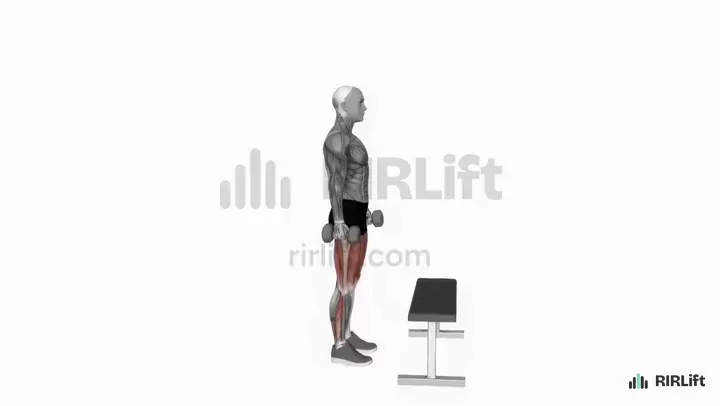
  3. Step-Up Quads, Glutes
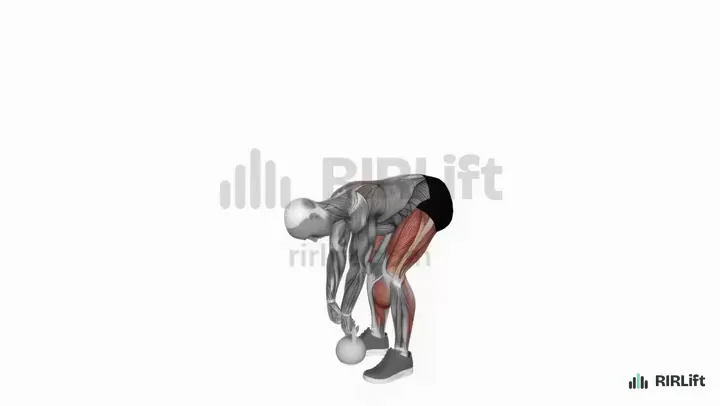
  4. Kettlebell Deadlift Glutes, Hamstrings, Lower Back
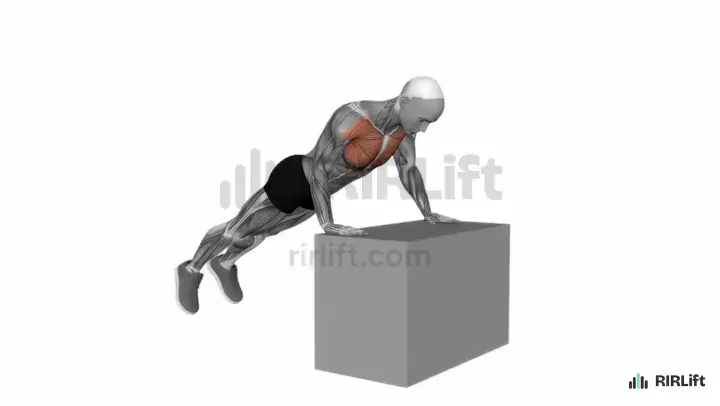
  5. Incline Push-Up Chest
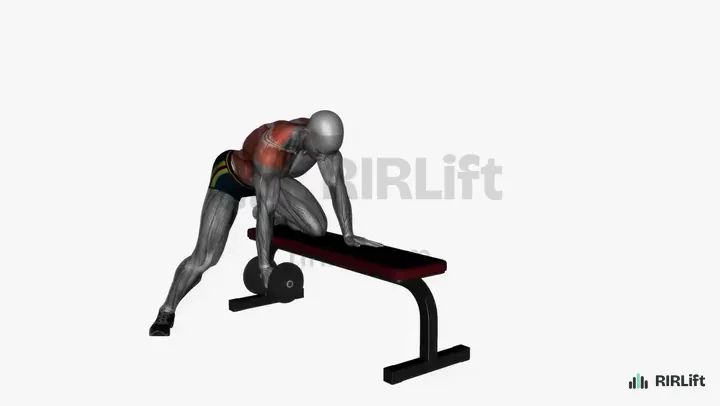
  6. One-Arm Dumbbell Row Lats, Upper Back
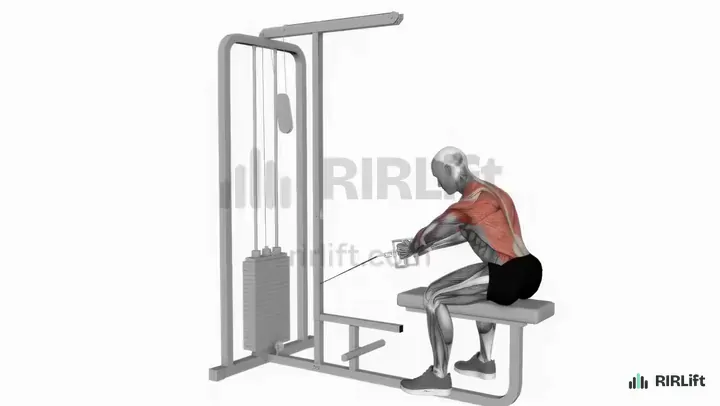
  7. Seated Cable Row Upper Back, Lats
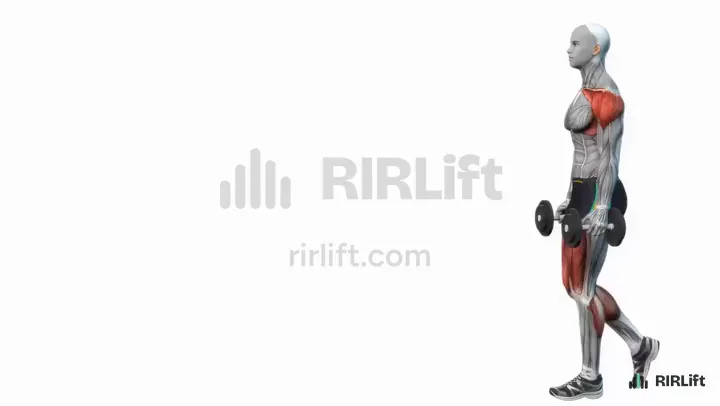
  8. Farmer's Walk Forearms, Traps, Shoulders
Squats and step-ups: getting up and going upstairs

Standing up from a chair and climbing stairs are both one leg pattern: bend the knees and hips, then push the floor away. Start with a bodyweight squat to a chair seat, add a dumbbell at your chest when 15 reps feel easy, and use the leg press when you want to work your legs hard without balancing. The step-up trains one leg at a time, which is how you actually take a stair.

Quads and glutes, squat to a chair

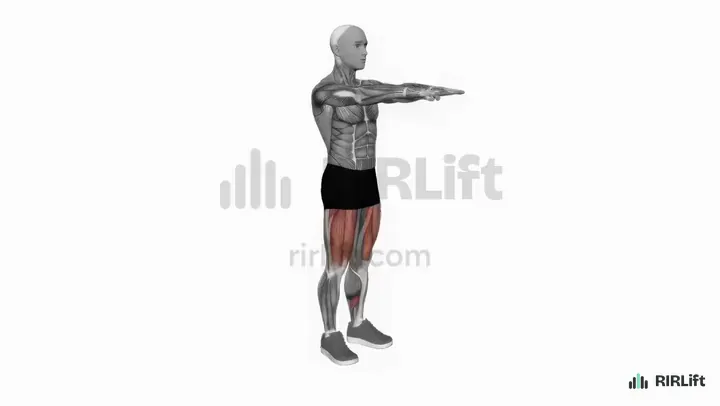
Bodyweight Squat

Quads

This is the movement behind getting out of a chair, the car or the toilet, and it is where every senior strength routine should start. Put a chair behind you, touch the seat lightly with your hips on each rep, and you have a fixed depth target and a safety net. When 15 controlled reps feel easy, move on to the goblet squat.

How to do it

  1. Stand with your feet about shoulder-width apart, toes turned out slightly, arms out in front for balance.
  2. Push your hips back and bend your knees, keeping your heels flat and your chest up.
  3. Lower until your thighs are at least parallel to the floor, deeper if your heels stay down.
  4. Drive through your whole foot to stand tall, then go straight into the next rep.

Cues

  • Heels glued to the floor
  • Knees over toes
  • Thighs to parallel or lower

Common mistakes

  • Knees caving in on the way up: push them out over your little toes.
  • Quarter squats to hit a rep count: a full-depth set of 12 beats a shallow set of 30.

Swap for: Reverse Lunge, Wall Sit, Jump Squat

Quads and glutes, loaded squat

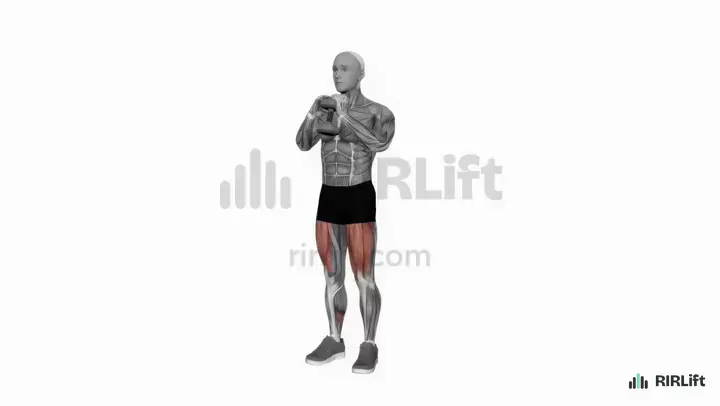
Goblet Squat

Quads, Glutes

Holding one dumbbell at your chest turns the chair squat into real strength work without a barbell. The weight in front also keeps your chest up, which most older lifters find easier on the back than holding weights at the sides. Start with 5 to 15 pounds and squat to the same chair.

How to do it

  1. Hold a dumbbell or kettlebell vertically against your chest.
  2. Sit down between your knees, elbows inside them at the bottom.
  3. Stand up tall.

Cues

  • Elbows nudge the knees out at the bottom.
  • Chest stays up behind the weight.

Common mistakes

  • Letting the weight pull you forward.

Swap for: Bodyweight Squat, Barbell Back Squat

Quads and glutes, machine squat

Leg Press

Quads, Glutes

The machine supports your back and takes balance out of it, so you can load your legs more than you could standing. That makes it the gym choice for building the thigh strength that walking and stairs rely on, and you set the depth by how far you let the platform come in.

How to do it

  1. Sit in the machine with your whole back against the pad and your feet hip-width on the platform.
  2. Release the safety handles and bend your knees, bringing the platform toward you under control.
  3. Lower until your knees are bent to about 90 degrees or a little deeper, without your lower back curling off the pad.
  4. Press the platform away until your legs are nearly straight, and repeat.

Cues

  • Lower back stays on the pad
  • Whole foot pushes
  • Stop just short of locking out

Common mistakes

  • Going so deep that your hips roll up off the seat: stop where your back stays flat.
  • Snapping the knees straight at the top: keep a soft bend.

Swap for: 45-Degree Leg Press, Hack Squat, Barbell Back Squat

Quads and glutes, one leg at a time

Step-Up

Quads, Glutes

Each step-up is one stair, done slowly and on purpose, so it trains the exact strength and balance stairs and curbs ask for. Start on the bottom stair or a 6-inch step with a rail or wall in reach, and hold dumbbells only once the bodyweight version is steady.

How to do it

  1. Stand facing the bench with two dumbbells.
  2. Place one whole foot on the bench.
  3. Lean forward a little and push through the top foot to stand up on the bench.
  4. Bring the other foot up only to touch, then lower it back to the floor.
  5. Finish all reps on one leg before switching.

Cues

  • Whole foot on the bench
  • Push through the top heel
  • Lower slowly, do not drop

Common mistakes

  • Pushing off the floor with the back foot: that halves the work. Keep the trailing foot light.
  • Using a bench so high that your knee is far above your hip: you will rock instead of step.

Swap for: Barbell Step-Up

Lifting from the floor

Picking up a bag, a grandchild or a laundry basket is a hip hinge: hips back, back flat, legs and glutes do the lifting. The kettlebell deadlift teaches that with the weight already close to the floor, and the glute bridge trains the same hip muscles lying down when your back wants a lighter day.

Glutes, hamstrings and back, hip hinge

Kettlebell Deadlift

Glutes, Hamstrings, Lower Back

This is how to pick something up from the floor with your legs and hips rather than a rounded back. Holding one bell at your side and lowering it beside your leg is how you pick up a bag or a bucket, and you switch hands after each set. A 15- to 25-pound bell is a common start.

How to do it

  1. Stand with your feet about hip-width apart, the bell in one hand at your side and that arm straight.
  2. Push your hips back and bend your knees a little, letting the bell travel down beside your leg until it nearly reaches the floor, back flat.
  3. Keep your shoulders level and your chest facing forward as the bell lowers.
  4. Stand up by driving through your feet and squeezing your glutes. Finish the set, then switch hands. With two bells, hold one at each side.

Cues

  • Hips back, chest up
  • Bell close to your leg
  • Stand tall at the top

Common mistakes

  • Squatting straight down so the knees do all the work: lead with the hips.
  • Letting your back round to reach lower: stop the bell where your back is still flat.

Swap for: Kettlebell Good Morning, Kettlebell Swing, Kettlebell Row

Glutes, floor bridge

Dumbbell Glute Bridge

Glutes

The glutes are the muscles that straighten your hips when you stand and climb, and the bridge trains them lying down with your back supported by the floor. It is a good second hip exercise if you can get down to the floor and up again, which is itself worth practicing.

How to do it

  1. Lie face up, knees bent, heels about a foot from your hips.
  2. Place a dumbbell across your hips and hold the ends.
  3. Press through your heels and lift your hips until your body makes a straight line from knees to shoulders.
  4. Hold the squeeze for a second at the top, lower until your glutes lightly reach the floor, and repeat.

Cues

  • Heels, not toes
  • Squeeze before you lower
  • Short range, hard squeeze

Common mistakes

  • Pushing off the toes so the thighs burn instead of the glutes: lift your toes slightly if it helps you feel the heels.
  • Bouncing off the floor between reps: let the hips touch down and pause.

Swap for: Dumbbell Hip Thrust, Single-Leg Glute Bridge, Dumbbell Staggered Hip Thrust

Pushing: chest, shoulders and arms

One push from the front and one overhead covers the upper body. The incline push-up uses a counter or sturdy bench so you can set how much of your weight you press, the chest press machine does the same job with a pin you can move, and the seated dumbbell press is for reaching up to a shelf.

Chest, shoulders and triceps, angled push-up

Incline Push-Up

Chest

Hands on a box, bench or kitchen counter, body straight, lower your chest toward it and push away. The higher the surface, the easier it is, so you can start against a counter and move lower over the months. It trains the push you need to get up from the floor or out of a low chair.

How to do it

  1. Put your hands on a bench, box or counter, a little wider than shoulder width.
  2. Walk your feet back until your body is a straight line from head to heels.
  3. Lower your chest to the edge, elbows angled about 45 degrees from your sides.
  4. Press back up until your arms are straight.

Cues

  • Body like a plank
  • Elbows at about 45 degrees
  • Higher surface, easier rep

Common mistakes

  • Hips sagging toward the floor: squeeze your glutes and brace as if you were about to be poked in the stomach.
  • Flaring the elbows straight out: tuck them back at about 45 degrees.

Swap for: Kneeling Push-Up, Close-Grip Push-Up, Bench Dip

Chest, shoulders and triceps, machine press

Machine Chest Press

Chest

The seat and handles fix the path, so the only job is to push. That makes it easy to take a set close to its end without worrying about balance or dropping a weight, and the weight goes up in small, clear steps.

How to do it

  1. Raise or lower the seat until the handles line up with the middle of your chest, then sit with your back on the pad.
  2. Take the handles with straight wrists and your shoulder blades pressed back.
  3. Push forward until your arms are nearly straight.
  4. Return slowly until your hands are level with your chest, then press again.

Cues

  • Handles at mid-chest
  • Back stays on the pad
  • Slow on the way back

Common mistakes

  • Seat too high, so your shoulders take over: lower it until the handles meet your mid-chest.
  • Stopping the handles short of your chest: let them come all the way back each rep.

Swap for: Incline Push-Up, Flat Dumbbell Press, Push-Up

Shoulders and triceps, seated dumbbell press

Dumbbell Shoulder Press

Shoulders

Pressing up while seated against a bench back trains the shoulders for putting things on high shelves, with your back supported. Use light dumbbells, stop at a height that feels comfortable for your shoulders, and press slowly.

How to do it

  1. Set a bench upright or one notch back from vertical, sit with your feet flat, and rest a dumbbell on each thigh.
  2. Kick one knee up at a time to bring the dumbbells to shoulder height, then set your back against the pad.
  3. Turn your elbows slightly forward so they sit a little in front of your torso, palms facing forward or angled in.
  4. Drive both weights overhead on a slight inward arc until your elbows are straight, keeping your ribs down and your back on the pad.
  5. Lower slowly until the dumbbells are around ear height or a bit below, then press again.

Cues

  • Ribs down, back on the pad
  • Elbows a little forward
  • Press up and slightly in

Common mistakes

  • Arching your lower back off the pad to finish reps: that turns it into an incline press, so lighten the weight and keep your ribs stacked over your hips.
  • Flaring the elbows straight out at shoulder height: bring them a little forward so the shoulder joint stays comfortable at the bottom.
  • Stopping each rep well above your ears: lower to around ear height so the delts work through a full range.

Swap for: Machine Shoulder Press, Landmine Press, Band Overhead Press

Pulling: upper back and posture

Most daily life is pushing and reaching forward, so the muscles between your shoulder blades get little work. A row or pulldown in every session balances that and trains the grip you use to open jars and carry bags. The dumbbell row is the home option; the cable row and lat pulldown are the gym ones.

Upper back and lats, supported row

One-Arm Dumbbell Row

Lats, Upper Back

With one hand on a chair seat or bench, your back is held flat and you can row one dumbbell with the other arm. It strengthens the upper back that holds your shoulders back and the grip you use every day, with one dumbbell and a chair.

How to do it

  1. Put one hand and the same-side knee on a bench, or your hand on a chair seat with both feet on the floor, so your back is flat.
  2. Hold a dumbbell in the other hand with your arm hanging straight.
  3. Pull your elbow back toward your hip until the dumbbell reaches your ribs.
  4. Lower it until your arm is straight again, finish all reps, then switch sides.

Cues

  • Elbow to your hip
  • Back flat as a table
  • Full stretch at the bottom

Common mistakes

  • Twisting your chest open to lift the dumbbell higher: keep both shoulders level.
  • Shrugging the shoulder up toward your ear: pull the elbow back, not the shoulder up.

Swap for: Band Bent-Over Row, Dumbbell Bent-Over Row, Seated Cable Row

Upper back and lats, cable row

Seated Cable Row

Upper Back, Lats

You sit with your feet braced and pull a handle to your stomach, so the back works while your body stays still and supported. It is one of the easiest gym exercises to learn and to load in small steps.

How to do it

  1. Sit at the cable row with your feet on the platform and knees slightly bent, holding a close-grip handle with your arms straight.
  2. Sit tall with your chest up and let the cable pull your shoulder blades forward a little.
  3. Row the handle to your lower ribs, driving your elbows back past your torso.
  4. Return it under control until your arms are straight and your shoulders reach forward, then repeat.

Cues

  • Sit tall, no rocking
  • Handle to the belly button
  • Shoulders reach at the front

Common mistakes

  • Rocking back and forth to move the stack: your torso should stay close to upright throughout.
  • Shrugging the handle up toward your neck: pull your shoulders down before the elbows bend.

Swap for: Chest-Supported Row, Single-Arm Cable Row, Barbell Row

Lats and upper back, vertical pull

Lat Pulldown

Lats

Pulling a bar down to your chest is the gym version of pulling yourself up, and it strengthens the back muscles that help you push up from a chair arm or reach overhead. Sit tall and pull the bar to your upper chest, not behind your neck.

How to do it

  1. Set the thigh pad so your legs are locked under it, then stand up and take the bar a little wider than your shoulders, palms forward.
  2. Sit down with your arms fully stretched overhead and lean back only slightly.
  3. Pull the bar to your upper chest by driving your elbows down toward your hips.
  4. Let the bar rise until your arms are straight and your shoulders lift toward your ears, then pull again.

Cues

  • Elbows to your back pockets
  • Bar to the top of the chest
  • Let the stack lift you at the top

Common mistakes

  • Leaning far back and rowing the bar to your stomach: stay nearly upright so it remains a vertical pull.
  • Stopping with the arms still bent at the top: the stretch overhead is half of what makes the pulldown work.

Swap for: Seated Cable Row, Band Bent-Over Row, One-Arm Dumbbell Row

Carrying

The farmer's walk is the one exercise that works the whole body at once: grip, shoulders, trunk, hips and legs, while you walk. It is groceries with a plan, and it ends every session in this page's plans.

Grip, trunk and legs, loaded carry

Farmer's Walk

Forearms, Traps, Shoulders
Carrying a dumbbell in each hand while you walk tall trains grip, shoulders, trunk and legs together, and it rehearses carrying shopping bags across a parking lot. Start with 10 to 20 pounds per hand for 20 meters and walk somewhere flat and clear.

How to do it

  1. Pick up two heavy dumbbells with your back flat.
  2. Stand tall with your ribs down and walk with short, quick steps.
  3. Set the weights down with a flat back when the time or distance is up.

Cues

  • Ribs down
  • Crush the handles
  • Quick steps

Common mistakes

  • Letting the shoulders round forward.
  • Walking so slowly the dumbbells start to swing.

Swap for: Dumbbell Suitcase Carry, Dumbbell Single-Arm Overhead Carry

Put them together: example sessions

Each session below picks from the exercises above for one situation, with the sets, reps, rest and RIR filled in.

Session 1

Your first strength routine, at home with a chair and dumbbells

  • Workouts2× a week
  • Working sets20 a week
  • Per workout~25 min
  • EquipmentDumbbells, Flat Bench

You have a sturdy chair, a pair of light dumbbells and a stair or low step at home, and you want to start strength training and keep it going.

Each day trains the whole body once with 5 exercises and 2 sets each, which is about 10 sets and 25 to 30 minutes. Two of those a week gives every major muscle 4 to 6 hard sets, a dose that builds strength in older adults without leaving you sore for days. Sets stop at 2 to 3 reps in reserve while you learn the movements.

Day A
ExerciseSets × repsRIRRest
Bodyweight SquatTouch a chair seat with your hips each rep. 2 × 8–15 3 90 s
Incline Push-UpHands on a kitchen counter or sturdy table. 2 × 8–15 3 90 s
One-Arm Dumbbell RowPer arm. Free hand on the chair seat. 2 × 10–15 2 90 s
Dumbbell Glute BridgePause 1 s at the top. 2 × 10–15 2 1 min
Farmer's WalkWalk 20 meters, turn carefully, walk back. 2 × 1 3 90 s
Day B
ExerciseSets × repsRIRRest
Goblet Squat1 warm-up set firstSquat to the same chair. 2 × 8–12 3 90 s
Step-UpPer leg. Bottom stair, hand on the rail. 2 × 6–12 3 90 s
Dumbbell Shoulder PressSeated with your back against the chair. 2 × 8–12 2 90 s
One-Arm Dumbbell RowPer arm. Pause with the elbow high. 2 × 10–15 2 90 s
Farmer's WalkWalk 20 to 30 meters. 2 × 1 2 90 s
How to run it
Run Day A early in the week and Day B two or three days after it, such as Monday and Thursday. Walk on the days in between if you like; it does not interfere.
How to progress
When you reach the top of the rep range on every set at the target reps in reserve, make it harder: move from the chair squat to the goblet squat, use a lower surface for push-ups, or go up one dumbbell size. Then work back up the rep range.

Session 2

A gym with machines, two days a week

  • Workouts2× a week
  • Working sets25 a week
  • Per workout~30 min
  • EquipmentLeg Press, Chest Press, Cable Row, Kettlebells +3

You go to a gym or community fitness center with machines and dumbbells, and you want a routine that builds real strength without guessing.

Machines take balance out of the lift, so most work sits at 2 reps in reserve and each day carries 3 sets on the main leg, push and pull exercises. That is about 13 sets per day and 8 to 10 hard sets per muscle group across the week, enough to keep strength climbing for months.

Day A
ExerciseSets × repsRIRRest
Leg PressLower back stays on the pad. 3 × 10–12 2 2 min
Machine Chest Press 3 × 10–12 2 90 s
Seated Cable RowSit tall, pull to the stomach. 3 × 10–12 2 90 s
Kettlebell DeadliftPer arm. Hips back, flat back. 2 × 8–12 2 2 min
Farmer's WalkWalk 30 meters. 2 × 1 2 90 s
Day B
ExerciseSets × repsRIRRest
Goblet Squat1 warm-up set firstUse a bench behind you as a depth target. 3 × 8–12 2 2 min
Lat PulldownBar to the upper chest. 3 × 10–12 2 90 s
Dumbbell Shoulder PressBack against an upright bench. 2 × 8–12 2 90 s
Step-UpPer leg. Low box, near a rail. 2 × 8–12 2 90 s
Dumbbell Glute BridgeOne dumbbell across the hips. 2 × 10–15 2 1 min
How to run it
Day A on Monday or Tuesday, Day B on Thursday or Friday. Warm up with 5 minutes on a bike or treadmill and one light set of the first exercise.
How to progress
Double progression: when all sets reach the top of the range at 2 reps in reserve, add the smallest weight step the machine allows and build the reps back up. Most people can add weight every week or two for the first few months.

Session 3

Not very steady on your feet yet, starting very light

  • Workouts3× a week
  • Working sets24 a week
  • Per workout~20 min
  • EquipmentDumbbells, Flat Bench

You are 75 or older, or coming back after illness or a long break, getting down to the floor is hard, and you want to start with movements you can do holding onto something.

One short routine of 4 standing exercises, 2 sets each, done 3 times a week: 8 sets per day and 24 a week. Short, frequent sessions let you practice each movement more often while no single day is tiring. Everything stops at 3 reps in reserve, so no set ends in a struggle.

Steady Start
ExerciseSets × repsRIRRest
Bodyweight SquatTo a chair with armrests. Use your hands if you need to. 2 × 5–12 3 90 s
Incline Push-UpHands on a kitchen counter. 2 × 5–12 3 90 s
Step-UpPer leg. Bottom stair, both hands on the rail if needed. 2 × 5–10 3 90 s
Farmer's WalkLight weights, 10 to 20 meters along a hallway. 2 × 1 3 90 s
How to run it
Do it on three non-consecutive days, for example Monday, Wednesday and Friday, with a chair or counter within reach for every exercise. It takes about 15 minutes.
How to progress
Each week, try for one more rep on each exercise while you still finish with 3 in reserve. When you can do 12 chair squats without using your hands, hold a light dumbbell at your chest; when step-ups feel steady, use a slightly higher step. After two months, switch to the home plan.

Make it fit you

Questions

What is one exercise that works the entire body?

The farmer's walk. Holding a dumbbell in each hand and walking tall works your grip, shoulders, trunk, hips and legs at the same time. The kettlebell deadlift is a close second: it trains the legs, hips, back and grip in one lift. Neither replaces a push and a pull, so use them as part of a full routine.

What is the number one exercise for seniors?

The squat to a chair. You get up from a seat many times a day, and this exercise trains exactly that. Start with bodyweight, touch the seat each rep, and add a dumbbell at your chest when 15 reps feel easy.

How many days a week should a 70 year old do strength training?

Two or three days a week, on non-consecutive days. Two full-body sessions of 25 to 40 minutes is enough to build strength; a third day helps if each session is short. Walking or other light activity on the days in between is fine.

How can a 70 year old build muscle and strength?

The same way anyone does: lift a weight that makes the last reps of each set hard, and add weight or reps over time. Older muscles still grow. Stop each set with 2 or 3 good reps left at first, keep the same exercises for a few months so you can measure progress, and eat enough protein at each meal.

Are weights or bodyweight better for seniors?

Start with bodyweight to learn the movements, then add weights. Bodyweight squats and counter push-ups get easy within weeks for most people, and light dumbbells let you keep making the exercise harder in small steps, which is what keeps strength rising.