
Strength training for older adults: chair stands to carries, in three plans
Published October 29, 2026
Strength training for older adults works best as two short full-body sessions a week built on everyday movements: a squat to a chair (bodyweight squat, then goblet squat or leg press), a step-up and a calf raise for stairs, a kettlebell deadlift or glute bridge for lifting from the floor, a counter push-up and a seated dumbbell press for pushing, a machine or band row for pulling, and a farmer's walk for carrying. Do 2 sets of 8 to 12 reps of five exercises, end each set with 2 or 3 reps still in you, and once the moves are steady, stand up fast and lower slowly.
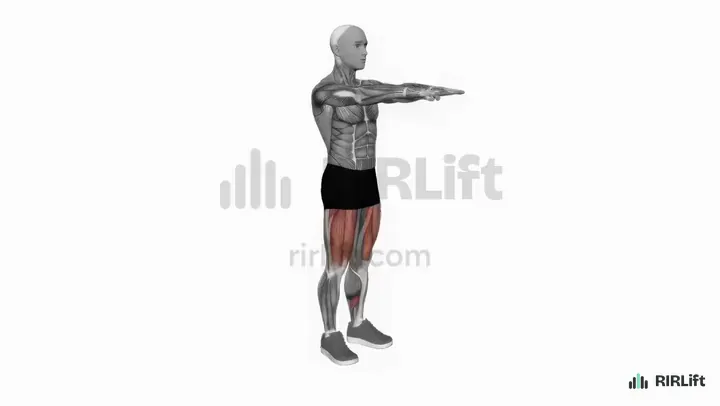
- Bodyweight Squat Quads
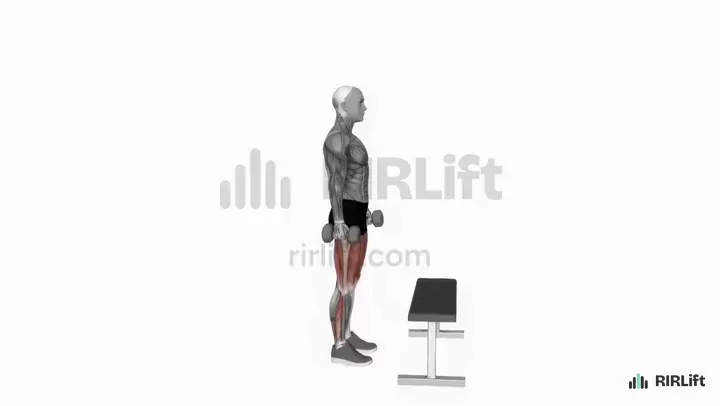
- Step-Up Quads, Glutes
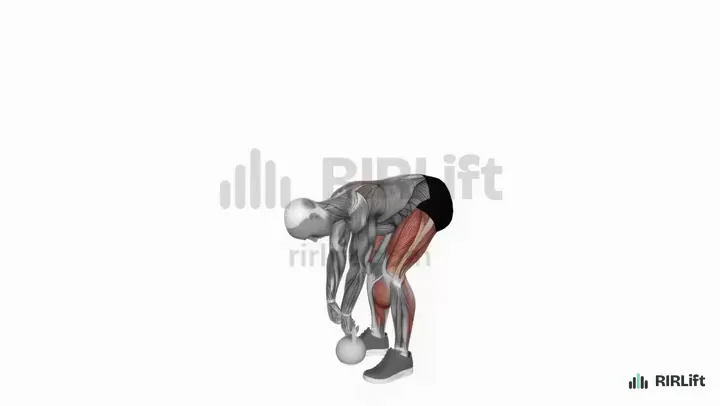
- Kettlebell Deadlift Glutes, Hamstrings, Lower Back
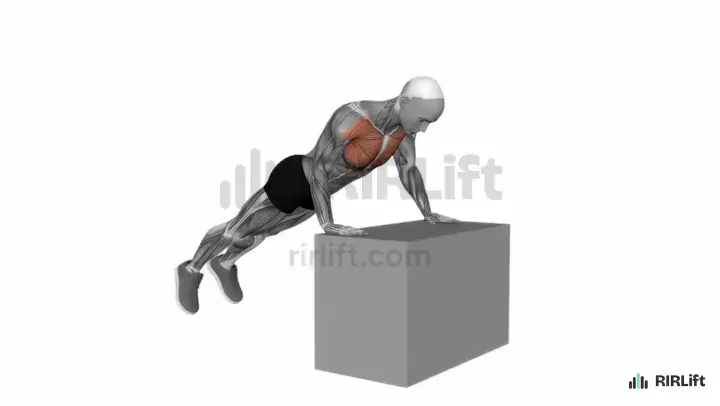
- Incline Push-Up Chest
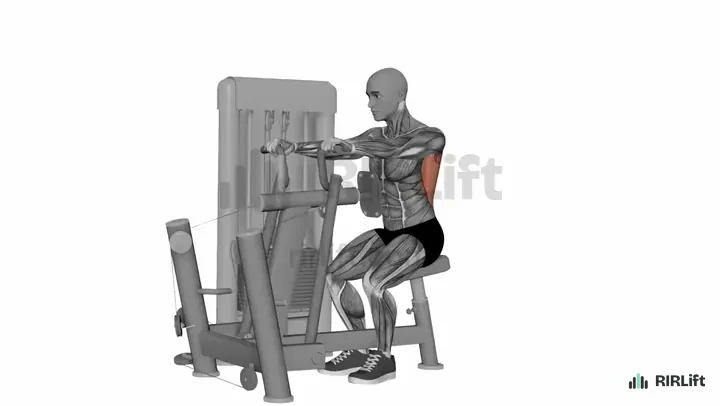
- Machine Row Upper Back, Lats
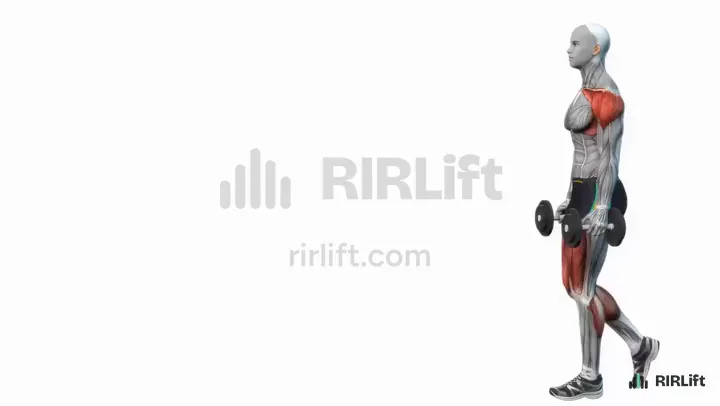
- Farmer's Walk Forearms, Traps, Shoulders
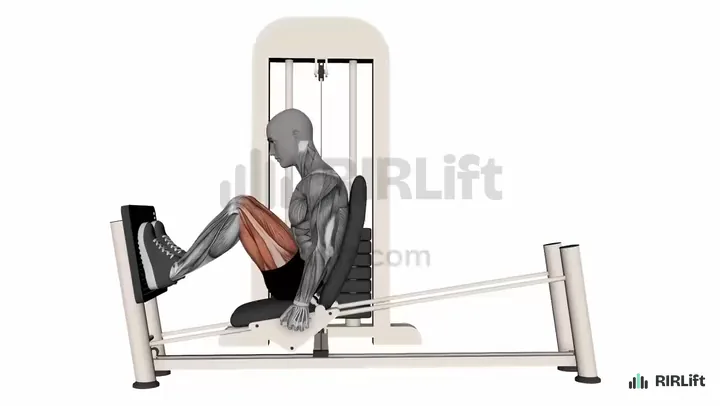
- Leg Press Quads, Glutes
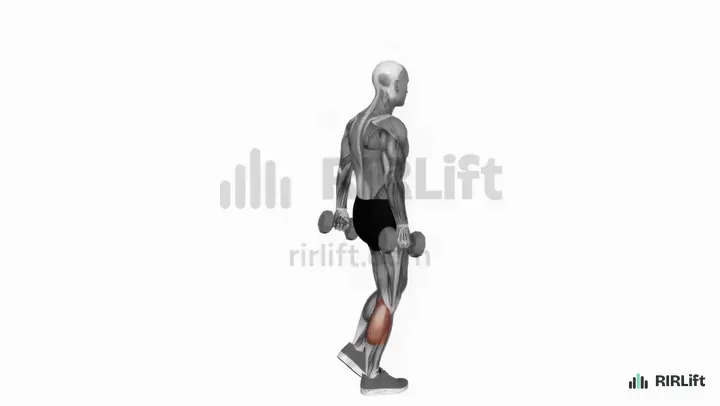
- Single-Leg Calf Raise Calves
Put them together: example sessions
Each session below picks from the exercises above for one situation, with the sets, reps, rest and RIR filled in.
-
Session 1
Starting at 70 or older: 20 minutes, twice a week, at home
You have not lifted before, or not for decades, and want to start in your living room with a chair, a resistance band and the bottom stair.
2× a week · 20 sets a week · ~25 min
-
Session 2
Rebuilding after a long break, two gym days
You trained or stayed active before, then lost months to illness, a hospital stay or simply life, and you want the muscle back with machines doing most of the balancing.
2× a week · 16 sets a week · ~20 min
-
Session 3
Already lifting: train speed for stairs and quick steps
You have done regular strength work for a few months, the movements feel steady, and you want to move faster: up stairs, out of a chair, or a quick step to catch yourself.
2× a week · 30 sets a week · ~40 min
Session 1
Starting at 70 or older: 20 minutes, twice a week, at home
- Workouts2× a week
- Working sets20 a week
- Per workout~25 min
- EquipmentResistance Bands, Dumbbells, Flat Bench
You have not lifted before, or not for decades, and want to start in your living room with a chair, a resistance band and the bottom stair.
Five exercises for two sets each is 10 working sets, about 20 minutes with rest, and it touches every major muscle twice a week. Leaving 3 reps in reserve keeps the first month about learning the movements while still being hard enough to build strength.
| Exercise | Sets × reps | RIR | Rest |
|---|---|---|---|
| Bodyweight SquatTouch a chair seat lightly on each rep. | 2 × 8–12 | 3 | 90 s |
| Incline Push-UpHands on a kitchen counter. | 2 × 8–12 | 3 | 90 s |
| Band Bent-Over Row | 2 × 10–15 | 3 | 1 min |
| Step-UpPer leg. Bottom stair, hand on the rail, no weights at first. | 2 × 6–10 | 3 | 90 s |
| Single-Leg Calf RaisePer leg. Body weight only; fingertips on a wall if you need them. | 2 × 8–12 | 3 | 1 min |
- How to run it
- Pick two days with at least one day between them, for example Monday and Thursday, at the time of day you feel steadiest. Keep the chair in place behind you for squats.
- How to progress
- When both sets reach 12 reps with 3 still in reserve, make the move harder: lower the chair by a cushion, move your hands from the counter to a lower surface, step to a shorter band or a higher step. After four weeks, add a third set to the squat and the row.
Session 2
Rebuilding after a long break, two gym days
- Workouts2× a week
- Working sets16 a week
- Per workout~20 min
- EquipmentLeg Press, Seated Row Machine, Seated Leg Curl, Dumbbells
You trained or stayed active before, then lost months to illness, a hospital stay or simply life, and you want the muscle back with machines doing most of the balancing.
Two alternating sessions of four exercises give each muscle about 4 to 6 sets a week to start, which is enough to regain strength quickly after time off. Machines first means the hard effort goes into muscles rather than balance.
| Exercise | Sets × reps | RIR | Rest |
|---|---|---|---|
| Leg Press | 2 × 10–12 | 2 | 2 min |
| Machine Row | 2 × 10–12 | 2 | 90 s |
| Seated Leg Curl | 2 × 10–15 | 2 | 90 s |
| Incline Push-Up | 2 × 8–12 | 2 | 90 s |
| Exercise | Sets × reps | RIR | Rest |
|---|---|---|---|
| Goblet Squat1 warm-up set first | 2 × 8–12 | 2 | 2 min |
| Neutral-Grip Dumbbell Shoulder Press | 2 × 8–12 | 2 | 90 s |
| Dumbbell Glute Bridge | 2 × 10–15 | 2 | 90 s |
| Farmer's WalkSeconds of walking. | 2 × 30–45 | 2 | 90 s |
- How to run it
- Alternate Day A and Day B on two non-consecutive days, so each one comes around about once a week. If a session leaves you tired the next afternoon, keep the same weights for another week before adding.
- How to progress
- Use double progression: keep a weight until every set reaches the top of the range with 2 reps in reserve, then raise it by the smallest step the machine or rack allows. From week four, add a third set to the leg press, the row and the goblet squat.
Session 3
Already lifting: train speed for stairs and quick steps
- Workouts2× a week
- Working sets30 a week
- Per workout~40 min
- EquipmentDumbbells, Kettlebells, Flat Bench, Seated Row Machine +1
You have done regular strength work for a few months, the movements feel steady, and you want to move faster: up stairs, out of a chair, or a quick step to catch yourself.
Five exercises at three sets is 15 working sets per session, two sessions a week, which keeps building strength while the fast lifting phase trains how quickly you can produce it. Weights stay moderate so every rep can be fast.
| Exercise | Sets × reps | RIR | Rest |
|---|---|---|---|
| Goblet Squat1 warm-up set firstStand up fast, lower for 3 seconds. | 3 × 6–10 | 2 | 2 min |
| Kettlebell Deadlift | 3 × 6–10 | 2 | 2 min |
| Step-UpPer leg. Drive up quickly. | 3 × 6–8 | 2 | 90 s |
| Machine Row | 3 × 8–12 | 2 | 90 s |
| Farmer's WalkSeconds of walking. | 3 × 30–45 | 2 | 90 s |
| Exercise | Sets × reps | RIR | Rest |
|---|---|---|---|
| Leg PressPush the platform away fast, return in 3 seconds. | 3 × 8–10 | 2 | 2 min |
| Incline Push-UpPush away fast. | 3 × 8–12 | 2 | 90 s |
| Neutral-Grip Dumbbell Shoulder Press | 3 × 8–10 | 2 | 90 s |
| Single-Leg Calf RaisePer leg. | 3 × 10–15 | 2 | 1 min |
| Dumbbell Glute Bridge | 3 × 8–12 | 2 | 90 s |
- How to run it
- Do Day A and Day B on two non-consecutive days each week. Do these sessions when you are fresh, not after a long walk, because speed drops first when you are tired.
- How to progress
- Lift each rep as fast as you can with control and lower it over about three seconds. Add weight when all sets reach the top of the range at 2 reps in reserve and the lifting phase still looks quick; if a heavier weight makes the reps slow, go back to the lighter one for another week.
Make it fit you
-
Finding your first weight
Pick a weight you could lift about 12 times, then do 8 to 10. If you finish the set and could clearly do five more, go up next set; if the last rep slows down or your form changes, that weight is your ceiling for today. For many people over 70 that first pair is 5 to 10 pounds.
-
When balance is the worry
Do standing exercises within reach of a counter, rail or wall, and use the machines and the glute bridge on days you feel unsteady. Hold on lightly rather than gripping hard, and let go for a rep or two as you get more confident.
-
Achy knees, hips or shoulders
Shorten the range rather than skipping the movement: a higher chair for squats, a lower step, a counter instead of the floor for push-ups, a press that stops at eye level. A little discomfort that fades during the set is common; pain that sharpens or lingers into the next day means you go back to the shorter range.
-
Getting down to the floor and back up
The glute bridge doubles as practice for getting down to a mat and standing again. Use a chair to lower yourself to one knee, then both, and reverse the steps to stand; over a few weeks, use the chair less.
-
Write down the reps you had left
Noting how many more reps you could have done is what tells you when to add weight, and at this age the jumps should be small. RIRLift sets the next session's weight from the reps in reserve you log, so the increases stay gradual.
Questions
How often should a 70 year old strength train?
Twice a week on non-consecutive days is enough to get stronger, with each major muscle worked in both sessions. A third day helps once two days feel routine, as long as you still feel recovered when the next session comes around.
Can a 70 year old regain muscle tone?
Yes. Muscle at 70 still grows when it is loaded hard enough and the load keeps rising, which is why the plans here end each set with only 2 or 3 reps left and raise the weight as soon as the top of the rep range is reached. Stairs and getting out of a chair are usually where you notice it first.
How heavy should older adults lift?
Heavy enough that the last rep of each set is hard, with 2 or 3 more reps possible. For most people that falls between 8 and 12 reps per set; the number on the dumbbell matters less than how close the set ends to your limit.
What is the 3-3-3 rule for strength training?
It is a simple template of three exercises, three sets each, three days a week. For older adults, spreading the same work over five exercises for two sets twice a week, as in the 20-minute plan, covers more of the body in shorter sessions.
What are the signs you are overdoing it?
Soreness that lasts more than two days, sleep that gets worse, weights that feel heavier week after week, or joints that ache at rest. When you see these, keep the same weights, drop one set from each exercise for a week, and leave an extra day between sessions.
Related templates
-
Full body exercises for seniors: squat, push, pull, lift and carry
More full-body picks, including a plan for people still unsteady on their feet.
-
Strength training for men over 60: lifts for strength, balance and grip
Plans with the trap bar and heavier carries for men who have lifted before.
-
Strength exercises for women over 60: legs, hips, back and arms
Exercise picks and starting weights written for women in their 60s and 70s.
-
The best workout for seniors: strength, power and balance
A ready-made weekly routine to run once you have the basics.
-
How to use reps in reserve (RIR)
How to tell when a set has 2 or 3 good reps left in it.