
Strength training for perimenopause: heavier, simpler, 2 to 3 days
Published October 29, 2026
Strength training for perimenopause works best built on a few heavy compound lifts: a deadlift (trap bar or Romanian), a squat or leg press, a hip thrust, a press (dumbbell bench or shoulder press), a pull (lat pulldown or row) and a heavy carry. Lift 2 or 3 days a week, take the main lifts to 5 to 8 reps with 1 to 2 reps left, and do the rest in the 8 to 12 range. That is heavier than most toning classes, and it is the part that builds strength. The same plan carries on through menopause and after.
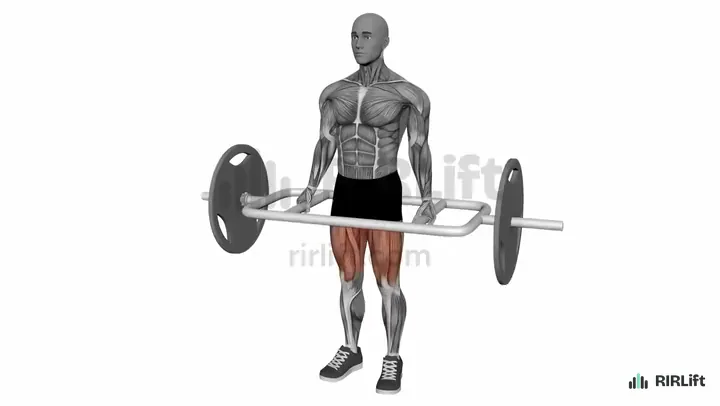
- Trap Bar Deadlift Quads, Glutes
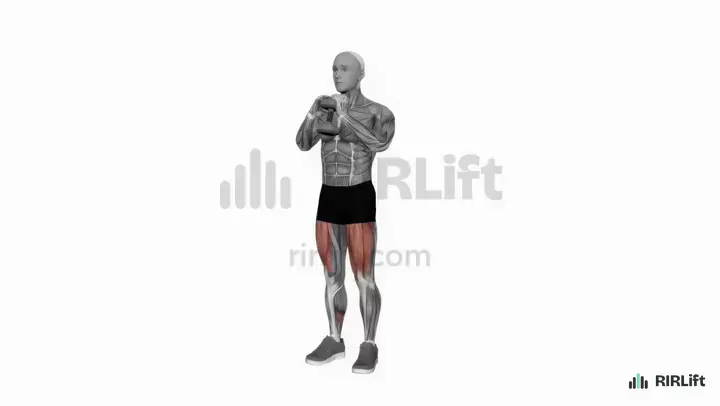
- Goblet Squat Quads, Glutes
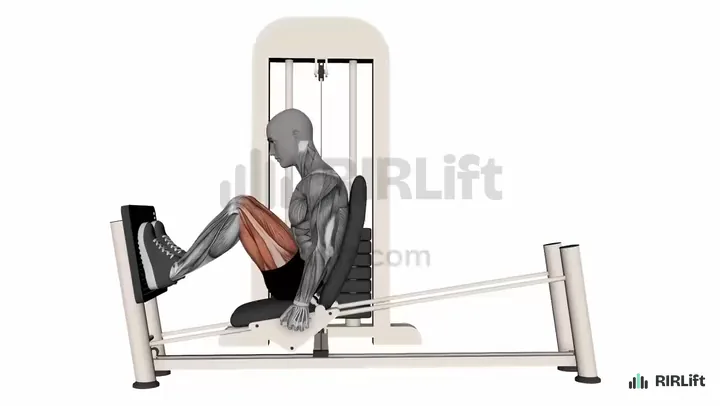
- Leg Press Quads, Glutes
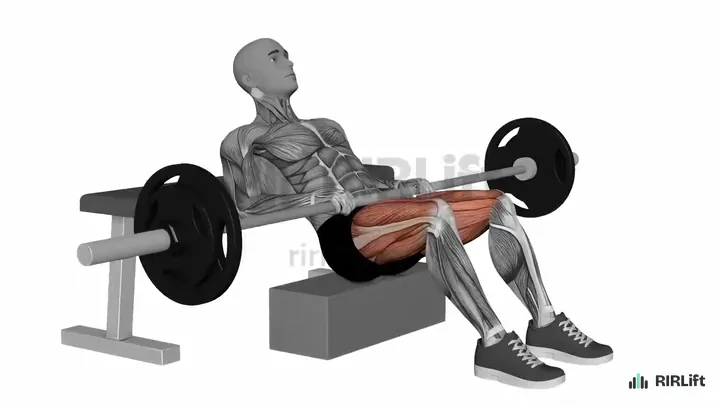
- Hip Thrust Glutes
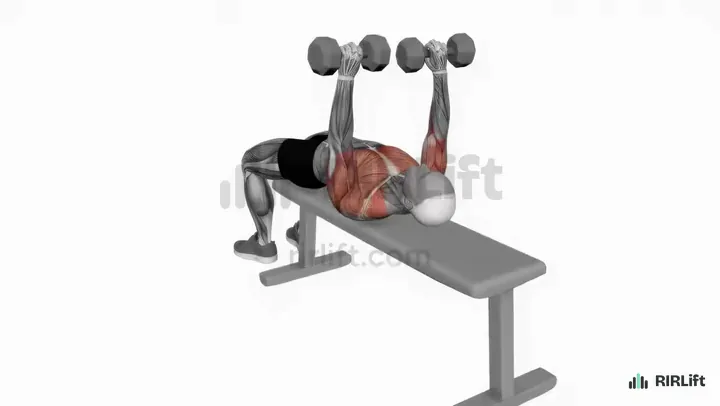
- Flat Dumbbell Press Chest
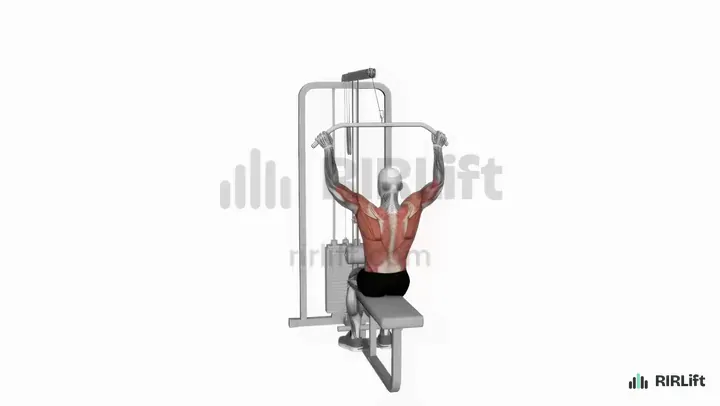
- Lat Pulldown Lats
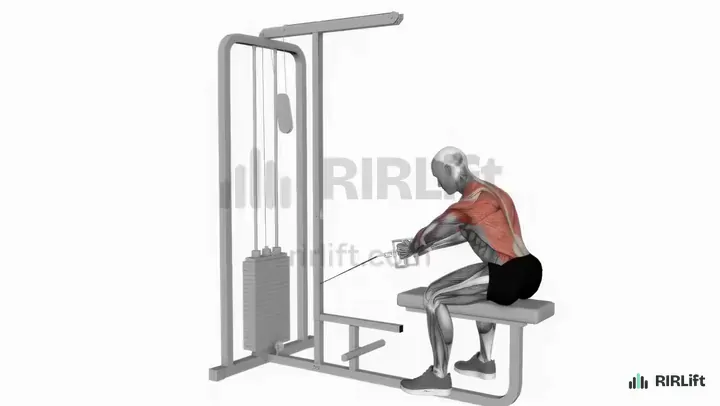
- Seated Cable Row Upper Back, Lats
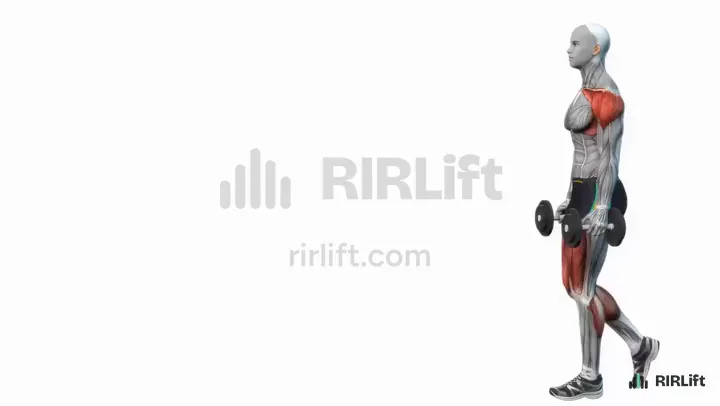
- Farmer's Walk Forearms, Traps, Shoulders
Put them together: example sessions
Each session below picks from the exercises above for one situation, with the sets, reps, rest and RIR filled in.
-
Session 1
New to lifting, at home, two days
You are in perimenopause, new or returning to strength training, and you have a few pairs of dumbbells at home and two sessions a week.
2× a week · 22 sets a week · ~30 min
-
Session 2
In the gym, three days with heavy main lifts
You have some lifting experience, you have a gym, and you want a plan that takes the big lifts heavy three times a week.
3× a week · 39 sets a week · ~45 min
-
Session 3
Two short heavy days when sleep and energy are unpredictable
You already lift, but broken sleep and up-and-down energy make long or frequent sessions hard to keep up.
2× a week · 26 sets a week · ~45 min
Session 1
New to lifting, at home, two days
- Workouts2× a week
- Working sets22 a week
- Per workout~30 min
- EquipmentDumbbells, Flat Bench
You are in perimenopause, new or returning to strength training, and you have a few pairs of dumbbells at home and two sessions a week.
Two full-body sessions of 11 sets give each major muscle 6 to 9 sets a week. The first four weeks keep 2 to 3 reps in reserve while you learn the lifts; after that, the goblet squat and Romanian deadlift move to 2 reps in reserve.
| Exercise | Sets × reps | RIR | Rest |
|---|---|---|---|
| Goblet Squat2 warm-up sets first | 3 × 8–12 | 3 | 2 min |
| Dumbbell Shoulder Press | 3 × 8–12 | 2 | 90 s |
| One-Arm Dumbbell RowPer arm. | 3 × 8–12 | 2 | 90 s |
| Farmer's WalkSteps. Heaviest pair you own. | 2 × 30–40 | 2 | 90 s |
| Exercise | Sets × reps | RIR | Rest |
|---|---|---|---|
| Dumbbell Romanian Deadlift2 warm-up sets first | 3 × 8–12 | 3 | 2 min |
| Step-UpPer leg. | 3 × 8–12 | 2 | 90 s |
| One-Arm Dumbbell RowPer arm. | 3 × 8–12 | 2 | 90 s |
| Dumbbell Shoulder Press | 2 × 8–12 | 2 | 90 s |
- How to run it
- Leave two or three days between Session A and Session B, such as Monday and Thursday. Add a walk on other days if you feel like it.
- How to progress
- Reps first, then load: when every set reaches the top of the range at the planned reps in reserve, go up a dumbbell size. Once your heaviest pair is easy for goblet squats and RDLs, it is time for a gym or heavier weights.
Session 2
In the gym, three days with heavy main lifts
- Workouts3× a week
- Working sets39 a week
- Per workout~45 min
- EquipmentTrap Bar, Dumbbells, Flat Bench, Cable Row +3
You have some lifting experience, you have a gym, and you want a plan that takes the big lifts heavy three times a week.
Each day opens with one heavy lift for 4 sets of 4 to 8 reps, then two or three lighter lifts for 8 to 12. That is 13 sets per session and 39 a week, with every major muscle trained two or three times.
| Exercise | Sets × reps | RIR | Rest |
|---|---|---|---|
| Trap Bar Deadlift3 warm-up sets first | 4 × 4–6 | 2 | 3 min |
| Flat Dumbbell Press1 warm-up set first | 3 × 6–10 | 2 | 2:30 min |
| Seated Cable Row | 3 × 8–12 | 2 | 90 s |
| Step-UpPer leg. | 3 × 8–10 | 2 | 90 s |
| Exercise | Sets × reps | RIR | Rest |
|---|---|---|---|
| Leg Press2 warm-up sets first | 4 × 6–8 | 2 | 3 min |
| Dumbbell Shoulder Press1 warm-up set first | 3 × 6–10 | 2 | 2:30 min |
| Lat Pulldown | 3 × 8–12 | 2 | 90 s |
| Hip Thrust | 3 × 8–12 | 2 | 2 min |
| Exercise | Sets × reps | RIR | Rest |
|---|---|---|---|
| Dumbbell Romanian Deadlift2 warm-up sets first | 4 × 6–8 | 2 | 2:30 min |
| Flat Dumbbell Press | 3 × 8–12 | 2 | 2 min |
| One-Arm Dumbbell RowPer arm. | 3 × 8–12 | 2 | 90 s |
| Farmer's WalkSteps. | 3 × 30–40 | 2 | 2 min |
- How to run it
- Train three non-consecutive days, doing A, B and C in order. On a low-energy day, keep the heavy lift and stop after it if you need to.
- How to progress
- Heavy lifts go up when all 4 sets hit the top of their range with 2 reps in reserve; the rest use double progression. If a heavy lift stalls for three sessions, take 10 percent off and build back up.
Session 3
Two short heavy days when sleep and energy are unpredictable
- Workouts2× a week
- Working sets26 a week
- Per workout~45 min
- EquipmentTrap Bar, Dumbbells, Flat Bench, Lat Pulldown +3
You already lift, but broken sleep and up-and-down energy make long or frequent sessions hard to keep up.
Two 40-minute sessions of 13 sets keep every big lift in your week: about 11 sets for legs and hips and 6 for each upper-body pattern. Short, heavy and simple is easier to keep doing on a bad week than a longer plan you skip.
| Exercise | Sets × reps | RIR | Rest |
|---|---|---|---|
| Trap Bar Deadlift3 warm-up sets first | 4 × 4–6 | 2 | 3 min |
| Flat Dumbbell Press1 warm-up set first | 3 × 6–10 | 2 | 2:30 min |
| Lat Pulldown | 3 × 8–12 | 2 | 90 s |
| Hip Thrust | 3 × 8–12 | 2 | 2 min |
| Exercise | Sets × reps | RIR | Rest |
|---|---|---|---|
| Leg Press2 warm-up sets first | 4 × 6–8 | 2 | 3 min |
| Dumbbell Shoulder Press1 warm-up set first | 3 × 6–10 | 2 | 2:30 min |
| Seated Cable Row | 3 × 8–12 | 2 | 90 s |
| Farmer's WalkSteps. | 3 × 30–40 | 2 | 2 min |
- How to run it
- Pick any two days that are not back to back, with a couple of days between. After a poor night's sleep, train anyway and aim for 3 reps in reserve instead of 2.
- How to progress
- Log the reps in reserve honestly on every set. Topping the range at the target means more weight next time; on low-energy days, repeat the last weight rather than pushing. RIRLift sets the next session's weight from what you logged.
Make it fit you
-
Hot flashes or night sweats wreck your sleep
Keep the heavy lifts but cut each to 3 sets for the week and raise the target to 3 reps in reserve. Strength holds well on fewer sets; skipping weeks is what costs you.
-
Joints feel achy on heavy days
Swap the trap bar deadlift for the hip thrust and the goblet squat for the leg press for a few weeks, and stop the leg press at a depth that feels fine. Both keep your back supported while you lift heavy.
-
You also want to lose fat
Keep the lifting as written and add walking most days. Keep the heavy lifts heavy while eating less; that is what holds on to your strength while the scale moves.
-
You run or do classes
Do your strength days first in the week and keep at least one day between a hard run and the deadlift day. If you can only fit two strength days, use the low-energy plan.
Questions
What type of strength training is best for perimenopause?
Heavy compound lifts done 2 or 3 times a week: deadlifts, squats or leg press, hip thrusts, presses and rows. Take the main lifts to 5 to 8 reps with 1 or 2 reps left in the tank and add weight over time. Light circuits with high reps are a fine start but should not be the whole plan.
How many days a week should a perimenopausal woman strength train?
Two or three. Two full-body days covers every muscle twice; three lets you add more sets. More days than that rarely helps when sleep and recovery are unpredictable.
How many times a week should a 45-year-old woman lift weights?
Two to three times, with at least one rest day between sessions that work the same muscles. Consistency over months matters more than the exact number.
Is it safe to lift heavy during perimenopause?
Heavy is relative: a weight you can lift 4 to 8 times with good form and 1 or 2 reps to spare. Build up to it over a few weeks of lighter sets while you learn each lift, and keep the warm-up sets before the first heavy lift.
Does strength training for menopause look any different?
Not much. The same lifts, rep ranges and weekly frequency work before, during and after menopause. Adjust the sets and reps in reserve to how you are sleeping and recovering.
Related templates
-
Strength training for women over 40: the lifts and a plan to follow
Plans for women in their 40s at every level.
-
Strength training for women: the lifts, the weights and a plan
The basic lifts and beginner plans if you are brand new.
-
Strength training for bone density: heavy, simple lifts done twice a week
Lifts and loading chosen for bone-loading work.
-
The best workout for women over 50 (and anyone over 40)
Full weekly programs for lifters in their 40s and 50s.
-
How to use reps in reserve (RIR)
How to judge 1 to 3 reps in reserve, which every plan here relies on.