
Sumo deadlift: how to do it, muscles worked and alternatives
Published October 17, 2026
The sumo deadlift is a pull from the floor with your feet set wide, toes turned out and your hands gripping the bar inside your legs. It trains your glutes, quads, hamstrings and inner thighs, with a more upright back than a conventional deadlift. The one thing that makes it work is pushing your knees out over your toes so your hips start close to the bar, then pushing the floor away instead of yanking the bar up.
- WorksGlutes, Hamstrings, Quads
- AlsoAdductors, Lower Back, Traps, Forearms
- EquipmentBarbells
- Start with3 × 8–12, 2 in reserve, 3 min rest
How to do the sumo deadlift
The wide stance brings your hips closer to the bar, so you pull with a more upright back and your quads, glutes and inner thighs share the work with your lower back. It is the floor pull to pick when you want heavy hip and leg work without the long, bent-over start of a conventional deadlift.
Steps
- Stand at the bar with your feet set well wider than your shoulders, toes angled out about 30 to 45 degrees, bar above your midfoot.
- Bend your knees and push them out until they sit over your toes, then reach straight down and grip the bar about shoulder width apart, hands inside your legs.
- Lift your chest, pull your shoulders back and down, and tug the bar up until it clicks against the plates without leaving the floor.
- Push your feet down and out into the floor and stand up, keeping the bar touching your legs and your knees pressed out.
- Finish tall with your hips through and your glutes squeezed, then lower the bar to the floor along your legs, hips moving back first.
Cues
- Spread the floor with your feet
- Knees stay over your toes
- Chest and hips rise together
Common mistakes
- Hips rising before the bar moves: if your chest drops as the bar breaks the floor, the pull becomes a stiff-leg lift. Set your hips a little lower and hold your chest up until the bar clears your knees.
- Knees caving in: once your knees drift inward your hips move away from the bar. Keep pushing them out over your toes the whole rep, and narrow your stance if you cannot.
- Going wider than you can hold: a stance so wide your shins tilt inward makes the start harder, not easier. Set your feet where your shins stay close to vertical from the side.
- Jerking the bar off the floor: a yank with slack in the bar throws your hips up. Pull the slack out first, then push the floor away.
Swap for: Trap Bar Deadlift, Romanian Deadlift, Rack Pull
Muscles the sumo deadlift works
The sumo deadlift works your glutes, quads and hamstrings, with your inner thighs, lower back, traps and forearms holding the position and the bar. The wide stance puts more of the work on your quads and inner thighs than a conventional deadlift does, and it is hardest right off the floor, where your hips are lowest.
Sets, reps and reps in reserve for the sumo deadlift
| Goal | Sets × reps | RIR | Rest |
|---|---|---|---|
| Build muscle | 3 × 8–12 | 2 | 3 min |
| The builder's numbers; add weight once all three sets reach 12 with the bar kept against your legs. | |||
| Strength | 3–5 × 3–6 | 1–2 | 3–5 min |
| Use this when the sumo deadlift is your main heavy pull, and reset on the floor before every rep. | |||
| Beginners | 2–3 × 6–8 | 3 | 2–3 min |
| Start light enough that your hips and chest rise together every rep, then move to 2 reps in reserve. | |||
Sumo deadlift variations
-
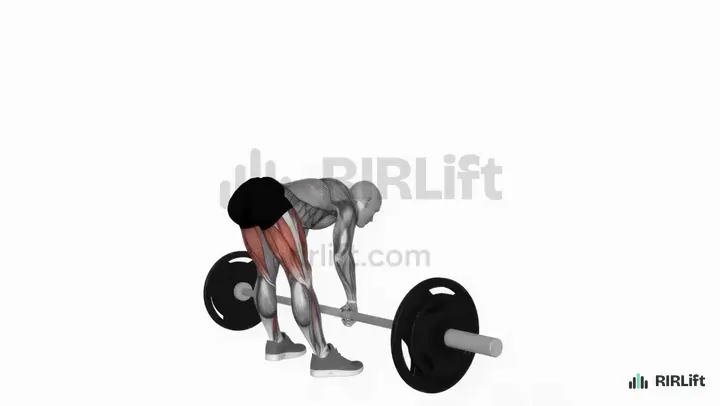
Sumo Romanian Deadlift
Pick it when you want the wide stance but more hamstring and inner-thigh stretch, since each rep starts standing and never touches the floor.
Build a session with it -
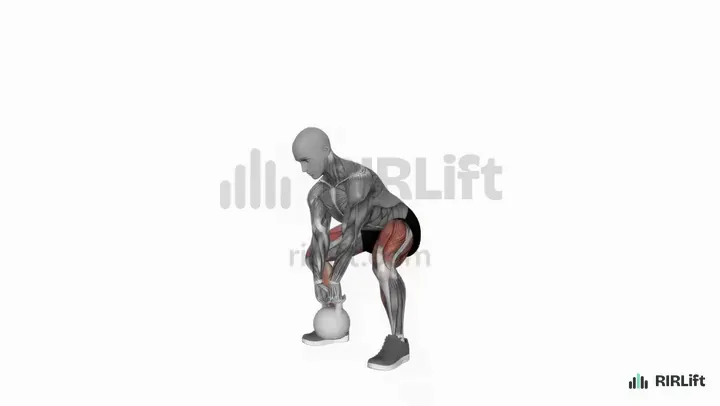
Kettlebell Sumo Deadlift
Pick it to learn the stance with one kettlebell between your feet before you load a barbell, or when a kettlebell is all you have.
Build a session with it -
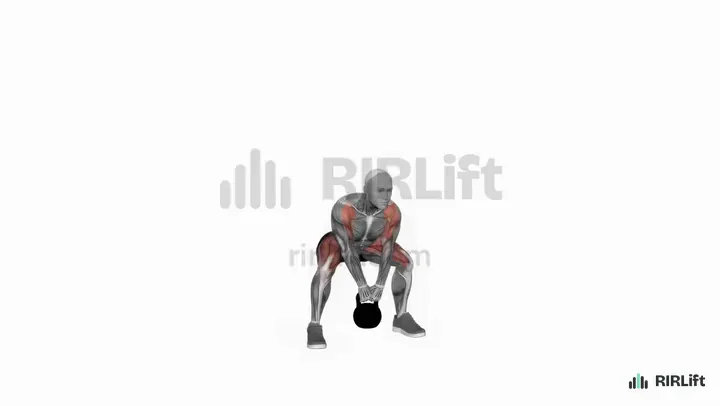
Kettlebell Sumo Deadlift High Pull
Pick it when you want the sumo pull fast and for higher reps, with the bell finishing at your chest to add upper back work.
Build a session with it
Sumo deadlift alternatives
Another heavy pull
-
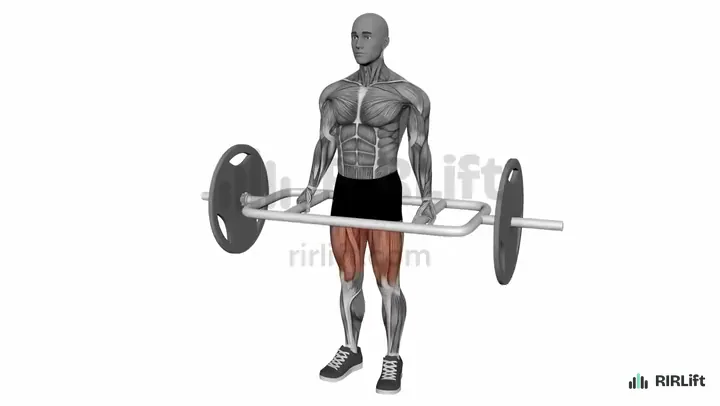
Trap Bar Deadlift
Use it when the wide stance feels awkward on your hips; you stand inside the bar with a normal stance and still pull heavy with an upright back.
Build a session with it -
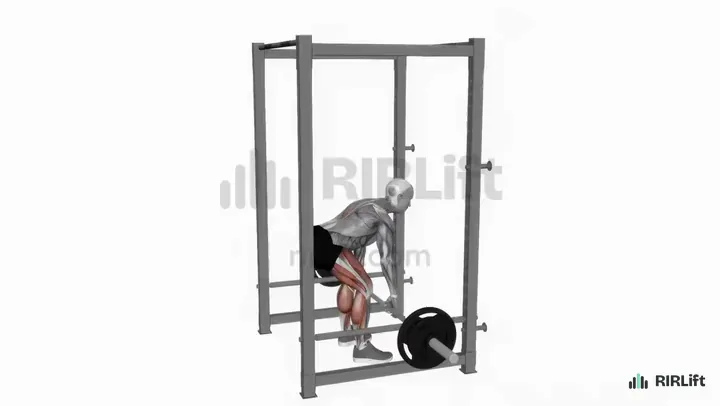
Rack Pull
Use it when you want to train the top half of the pull with more weight than you can lift from the floor.
Build a session with it
Hinge without the floor
-
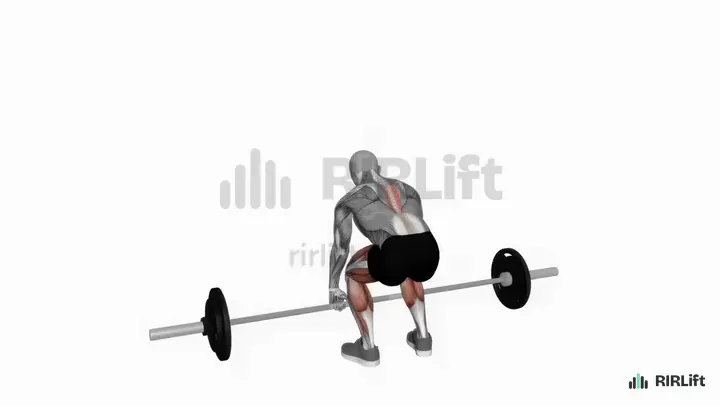
Romanian Deadlift
Use it when hamstrings are the goal: it keeps them under tension in the stretch and never starts from a dead stop.
Build a session with it -
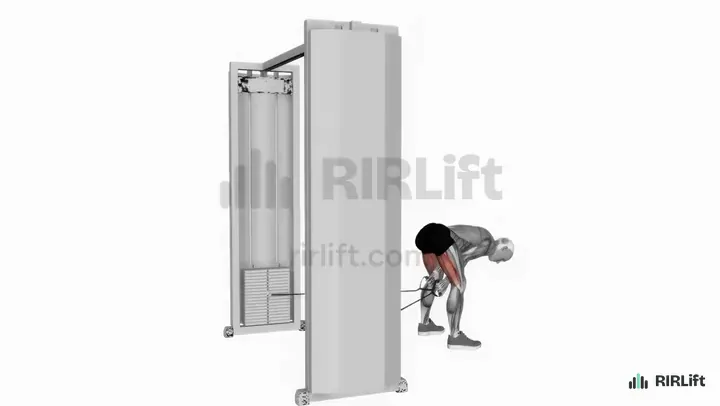
Cable Pull-Through
Use it when your lower back tires before your glutes; the cable pulls you backward instead of down.
Build a session with it
Glutes and quads
-
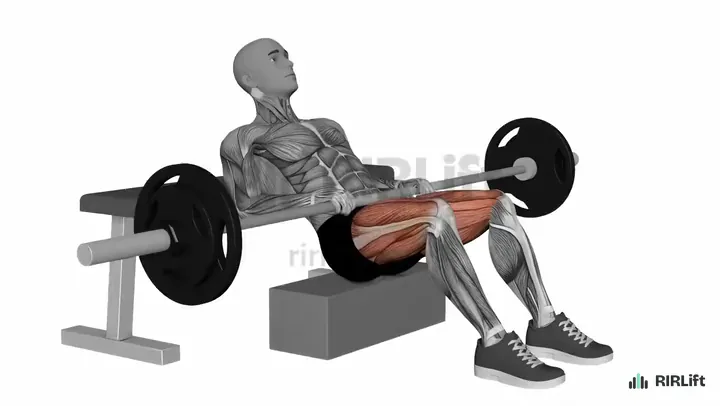
Hip Thrust
For glutes first: drive heavy hip extension with your upper back on a bench instead of pulling from the floor.
Build a session with it -
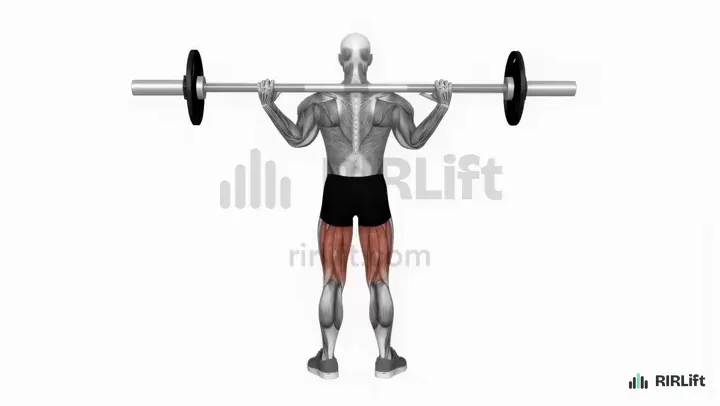
Barbell Back Squat
Use it to load your quads and glutes heavily with the bar across your back rather than in your hands.
Build a session with it
No barbell
-
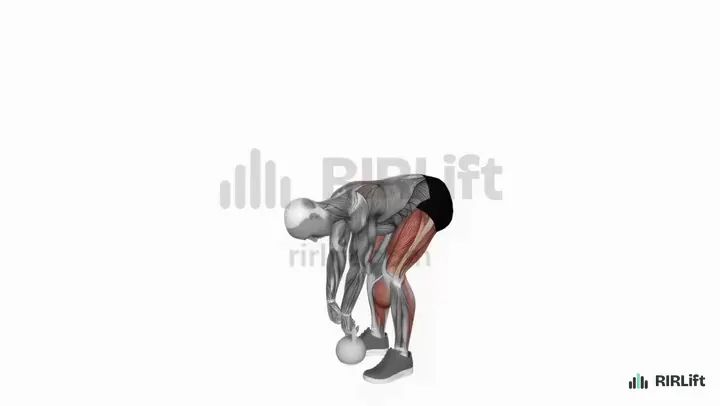
Kettlebell Deadlift
Use it at home with one heavy kettlebell set between your feet.
Build a session with it -
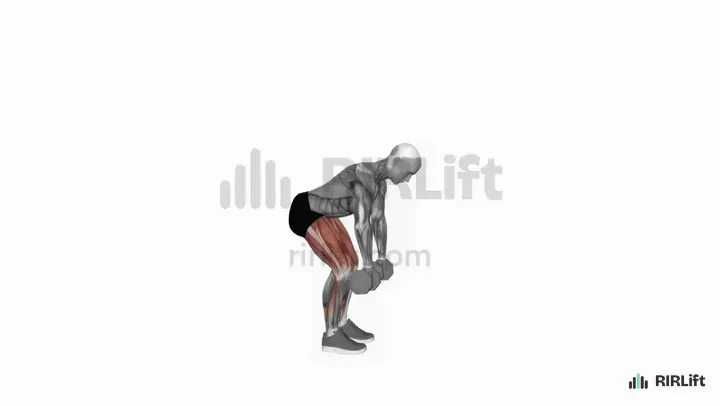
Dumbbell Romanian Deadlift
Use it with a pair of dumbbells when you want the hinge and can go heavy enough for 8–12 hard reps.
Build a session with it
Sumo vs conventional deadlift
In a conventional deadlift your feet sit about hip width and your hands grip the bar outside your legs. In a sumo deadlift your feet go wide, your toes turn out and your hands grip inside your legs. That puts your hips closer to the bar, so your back stays more upright and the bar travels a shorter distance.
The result is more work for your quads and inner thighs on sumo, and more for your hamstrings and lower back on conventional. Neither is cheating: pull the style where you can keep your back flat with the most weight, and if you want hamstrings specifically, add the Romanian deadlift, which loads them in the stretch.
How wide should your sumo stance be?
Start with your feet about one and a half to two times shoulder width and your toes turned out so your knees can track over them. The right width is the widest one where your shins stay close to vertical from the side when you grip the bar.
If your knees cave in or your hips sit far behind the bar, bring your feet in a few inches. If your hips feel jammed at the bottom, turn your toes out a little more before you narrow the stance.
Questions
What muscles does the sumo deadlift work?
Your glutes, quads and hamstrings do the lifting, with your inner thighs, lower back, traps and forearms holding the position and the bar. It works the quads and inner thighs more than a conventional deadlift.
Are sumo deadlifts harder than deadlifts?
The start is harder: you have to wedge your hips low with your knees pushed out before the bar moves. The lockout is easier because the bar travels less. Try both and keep the one where your back stays flat with the most weight.
Is the sumo deadlift cheating?
No. Powerlifting allows both stances, and the sumo deadlift still makes you stand up from the floor with the full weight. It moves less distance, but your legs do more of the work.
Are sumo deadlifts worth doing?
Yes, when you want one heavy pull that hits your quads and inner thighs as well as your glutes. Once or twice a week is plenty; count it inside the 10–20 hard sets per muscle per week for your legs.
Sumo deadlift vs sumo squat: what is the difference?
A sumo deadlift starts every rep from the floor and finishes standing, pulling a barbell or kettlebell up. A sumo squat starts standing and lowers into a wide squat, usually with a weight held in front of you, so your quads work more and your back stays nearly vertical.
What is the best sumo deadlift alternative?
For another heavy pull, the trap bar deadlift. For hamstrings, the Romanian deadlift. For glutes, the hip thrust. Without a barbell, the kettlebell deadlift or kettlebell sumo deadlift.
How much weight should I use on a sumo deadlift?
Pick a load you can pull for 8–12 reps with about 2 in reserve while your hips and chest rise together. Type your last set into the form beside the demo for a starting weight.
Related templates
-
Romanian deadlift: how to do it, and what to swap it for
The hinge to add when you want hamstrings loaded in the stretch.
-
Barbell exercises: the 18 lifts worth learning, and how to put them together
Other barbell lifts to train around your sumo pull.
-
Hip thrust: how to do it, what it works, and what to swap it for
The glute-first hip extension to pair with the sumo deadlift.
-
The best workout for your glutes and butt
Full sessions where a heavy pull sits next to thrusts and lunges.
-
How to use RIR
Judging 2 reps in reserve on a heavy pull.