
Triathlon strength training: what to lift, and how it changes through the season
Published October 24, 2026
Triathlon strength training works best as two sessions a week in the off-season, two heavier and shorter sessions in pre-season, and one maintenance session during racing. The best exercises are the back squat and Bulgarian split squat for the legs, the Romanian deadlift and single-leg hip thrust for the hamstrings and glutes, the lat pulldown and seated cable row for the swim and bike posture, single-leg calf raises for the run, and side planks, dead bugs and suitcase carries for the trunk. Keep sets 2 to 3 reps short of failure and lift after easy sessions so your key swim, bike and run workouts stay fresh.
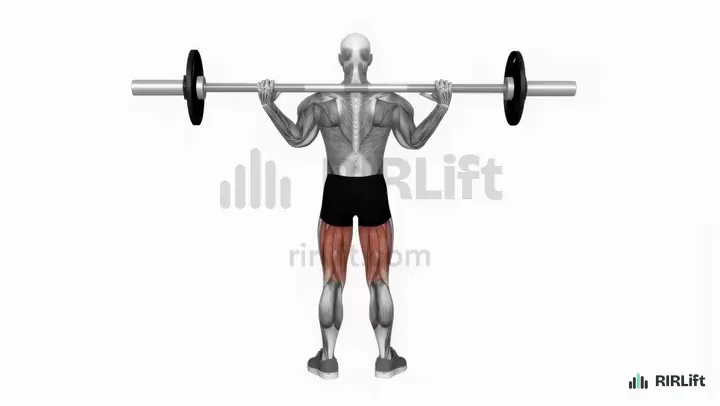
- Barbell Back Squat Quads, Glutes, Adductors
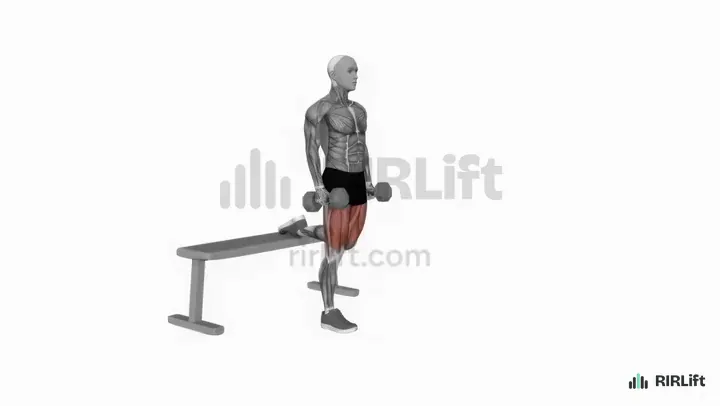
- Bulgarian Split Squat Quads, Glutes
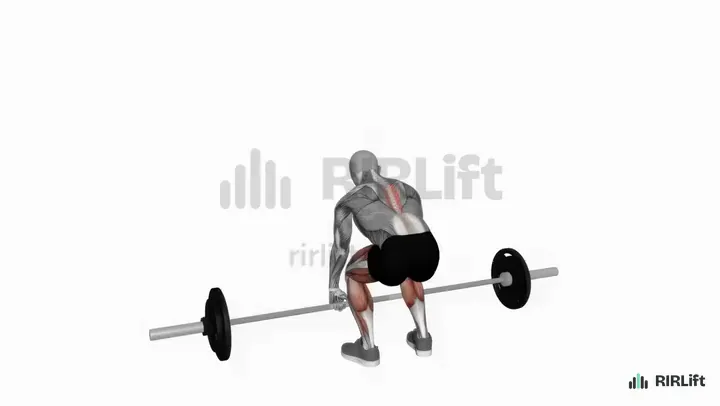
- Romanian Deadlift Hamstrings, Glutes
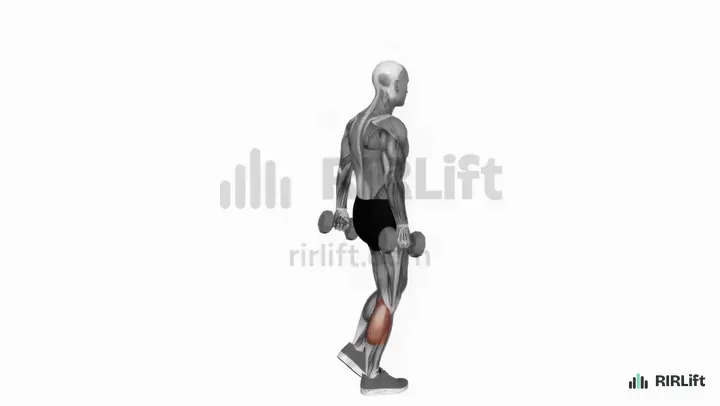
- Single-Leg Calf Raise Calves
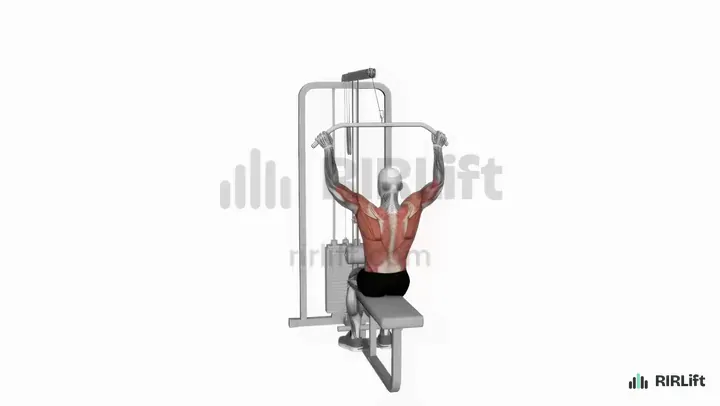
- Lat Pulldown Lats
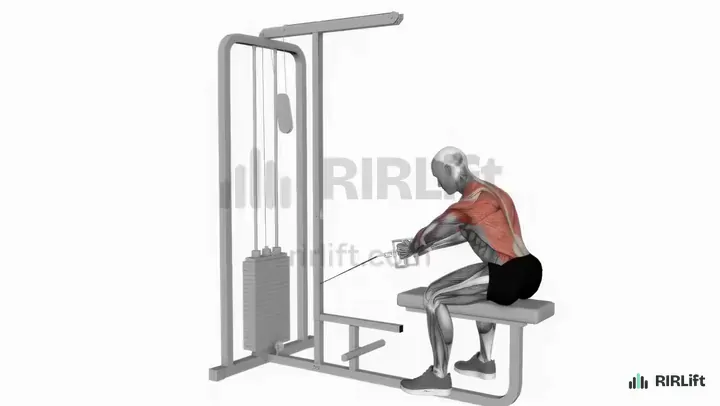
- Seated Cable Row Upper Back, Lats
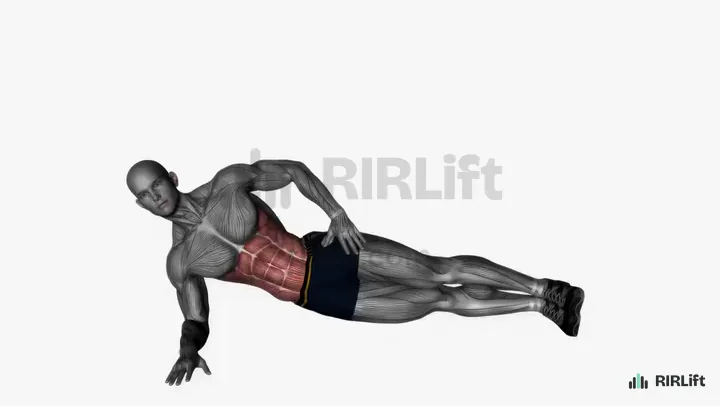
- Side Plank Abs
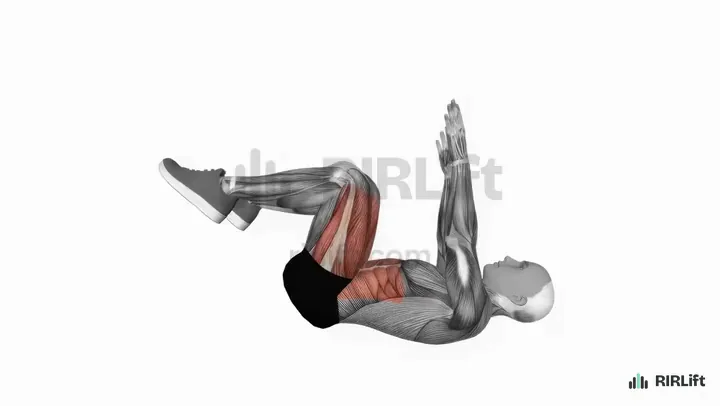
- Dead Bug Abs
Put them together: example sessions
Each session below picks from the exercises above for one situation, with the sets, reps, rest and RIR filled in. Open one in the session builder to change a pick, price it from a recent set, and add it to RIRLift.
-
Session 1
Off-season: build the base
Your racing season is over, your endurance volume is lower, and you have two gym sessions a week to spare.
2× a week · 30 sets a week · ~35 min
-
Session 2
Pre-season: heavier and shorter
You are coming out of the off-season, your training volume is rising, and you want more strength without more time in the gym.
2× a week · 23 sets a week · ~35 min
-
Session 3
Race season: one session to keep strength
You are racing every few weeks or deep in your key-race build, and endurance training takes almost all your time and energy.
1× a week · 10 sets a week · ~30 min
Session 1
Off-season: build the base
- Workouts2× a week
- Working sets30 a week
- Per workout~35 min
- EquipmentBarbells, Lat Pulldown, Dumbbells, Cable Row
Your racing season is over, your endurance volume is lower, and you have two gym sessions a week to spare.
With less swimming, cycling and running, this is the time to build strength. Two full-body sessions use moderate weights for 8 to 12 reps at 2 reps in reserve, enough to build strength and the tendons' tolerance to load without much soreness. Each session covers legs, a hinge, upper body and trunk, so missing one still leaves a complete week.
| Exercise | Sets × reps | RIR | Rest |
|---|---|---|---|
| Barbell Back Squat | 3 × 8–10 | 2 | 2 min |
| Romanian Deadlift | 3 × 8–10 | 2 | 2 min |
| Lat Pulldown | 3 × 10–12 | 2 | 90 s |
| Push-Up | 3 × 8–15 | 2 | 1 min |
| Side PlankSeconds per side. | 3 × 20–40 | 2 | 45 s |
Open Session A in the session builder
| Exercise | Sets × reps | RIR | Rest |
|---|---|---|---|
| Bulgarian Split SquatPer leg. | 3 × 8–12 | 2 | 90 s |
| Single-Leg Hip ThrustPer leg. | 3 × 10–12 | 2 | 1 min |
| Seated Cable Row | 3 × 10–12 | 2 | 90 s |
| Single-Leg Calf RaisePer leg. 3 s down. | 3 × 12–15 | 2 | 1 min |
| Dead BugPer side. | 3 × 8–10 | 2 | 45 s |
Open Session B in the session builder
- How to run it
- Do Session A and Session B at least two days apart, after an easy swim or ride or on a rest day. Keep them away from the day before any hard interval session.
- How to progress
- Add a rep per set until you reach the top of the range at 2 reps in reserve, then add weight. After six to eight weeks, move to the build plan.
Session 2
Pre-season: heavier and shorter
- Workouts2× a week
- Working sets23 a week
- Per workout~35 min
- EquipmentBarbells, Lat Pulldown, Dumbbells, Adjustable Cable
You are coming out of the off-season, your training volume is rising, and you want more strength without more time in the gym.
Once the base is built, heavier sets of 4 to 6 reps on the squat and hinge build strength with fewer total reps, which means less fatigue for the run and bike. Rest periods are longer so each set is good quality, and the upper body and trunk drop to maintenance volume.
| Exercise | Sets × reps | RIR | Rest |
|---|---|---|---|
| Barbell Back Squat | 4 × 4–6 | 2 | 3 min |
| Lat Pulldown | 3 × 6–8 | 2 | 2 min |
| Single-Leg Calf RaisePer leg. Add weight. | 3 × 8–12 | 2 | 1 min |
| Dumbbell Suitcase CarrySteps per side. | 2 × 30–40 | 2 | 1 min |
Open Heavy A in the session builder
| Exercise | Sets × reps | RIR | Rest |
|---|---|---|---|
| Romanian Deadlift | 4 × 4–6 | 2 | 3 min |
| Bulgarian Split SquatPer leg. | 3 × 6–8 | 2 | 2 min |
| Face Pull | 2 × 12–15 | 2 | 1 min |
| Side PlankSeconds per side. | 2 × 30–45 | 2 | 45 s |
Open Heavy B in the session builder
- How to run it
- Do Heavy A and Heavy B twice a week, 48 hours or more apart. On interval days, lift after the intervals, not before.
- How to progress
- Add weight to the squat and Romanian deadlift whenever you reach 6 reps at 2 in reserve. Do not add sets; when the season gets close, move to the race-season plan.
Session 3
Race season: one session to keep strength
- Workouts1× a week
- Working sets10 a week
- Per workout~30 min
- EquipmentBarbells, Cable Row
You are racing every few weeks or deep in your key-race build, and endurance training takes almost all your time and energy.
Strength fades slowly, so one short session a week holds most of what you built. The session keeps the heavy squat and hinge at low volume and 3 reps in reserve, so you are not sore for key workouts, and finishes with the rows and calf raises that help you hold form late in a race.
| Exercise | Sets × reps | RIR | Rest |
|---|---|---|---|
| Barbell Back Squat | 2 × 4–5 | 3 | 3 min |
| Romanian Deadlift | 2 × 5–6 | 3 | 2:30 min |
| Seated Cable Row | 2 × 8–10 | 3 | 90 s |
| Single-Leg Calf RaisePer leg. | 2 × 10–12 | 3 | 1 min |
| Dead BugPer side. | 2 × 8 | 2 | 45 s |
- How to run it
- Do this session once a week, right after an easy swim or on an easy day. Skip it in race week, or do it at least four days before the race.
- How to progress
- Hold the weights from pre-season. If a set feels harder than 3 reps in reserve, drop the weight for that week and keep going.
Make it fit you
-
Only 30 minutes
Pick three exercises: the squat or split squat, the Romanian deadlift and the lat pulldown, and finish with one trunk exercise if there is time. That covers the most important muscles for all three sports.
-
Training at home with dumbbells
Swap the back squat for a goblet squat, the Romanian deadlift for the dumbbell version, the pulldown for a one-arm dumbbell row, and the cable row for a bent-over row. Everything else works as written.
-
Long-course athlete with very high volume
Use the race-season plan year-round in big training blocks and the base plan only in the true off-season. Long rides and runs leave less room for recovery from lifting.
-
Swim is the weak leg
Add a third set to the lat pulldown and face pull and do them first in the session. Strength helps the pull; technique work in the pool still does most of the job.
-
Log reps in reserve so the weights adjust themselves
Write down the reps you had left after each set. RIRLift turns that into next session's weight, so the load holds when a big training week leaves you tired and climbs when you feel fresh.
Questions
How often should triathletes do strength training?
Twice a week in the off-season and pre-season, at least 48 hours apart, and once a week during racing to keep what you built. More than that usually takes away from swimming, cycling and running.
What are the best strength exercises for triathletes?
The squat, Bulgarian split squat, Romanian deadlift, single-leg hip thrust and single-leg calf raise for the legs, the lat pulldown, seated row and face pull for the upper body, and side planks, dead bugs and carries for the trunk.
Will lifting make me bulky as a triathlete?
Not with two short sessions a week next to endurance training. Low-rep, heavy sets mainly build strength, and the volume of swimming, cycling and running makes large muscle gains unlikely.
When should I lift on a day with intervals?
After the intervals, so the hard session is done fresh. On easy days, you can lift before or after. Keep heavy legs away from the day before your key run or bike workout.
Should triathletes lift heavy or light?
Both, in turn. Moderate weights for 8 to 12 reps in the off-season, then heavier sets of 4 to 6 in pre-season, then low-volume heavy sets once a week in the race season.
Should I stop strength training before a race?
Skip lifting in race week, or keep the last session at least four days before the race. A full break from lifting during the season costs strength that takes weeks to rebuild.
Related templates
-
Cycling strength training: exercises and plans for cyclists
Leg and trunk work focused on the bike.
-
Swimming workout: the dryland strength sessions that make you faster in the pool
Gym training for the swim leg.
-
Ultramarathon strength training: what to lift and when
Strength work for very long running.
-
The best strength workout for runners, built around your training
Full strength plans built around running.
-
Deload week
How to back off lifting around race weeks and big training blocks.