
Ultramarathon strength training: what to lift and when
Published October 24, 2026
Ultramarathon strength training works best as two short sessions a week built on single-leg exercises (step-ups, Bulgarian split squats, single-leg Romanian deadlifts), heavy basics in the off-season (squats and trap bar deadlifts for 4 to 6 reps), slow lowering work for descents (Nordic curls, slow step-ups), both kinds of calf raise, and hip and trunk work for late-race posture. Lift heavier when mileage is easy, hold strength with less volume during the race build, and stop progressing a few weeks out. Keep every set 2 to 3 reps short of failure so lifting never costs you a run.
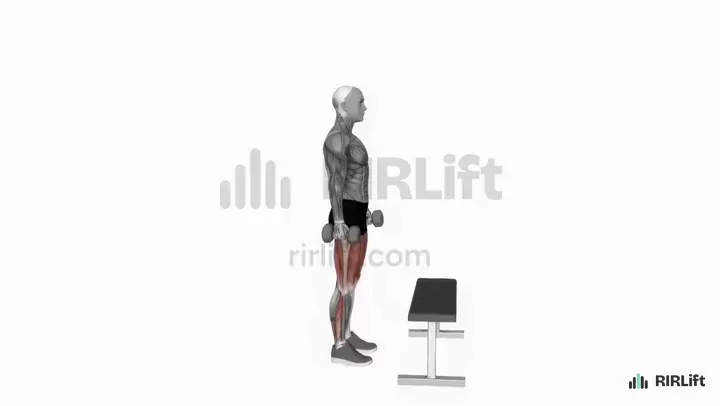
- Step-Up Quads, Glutes
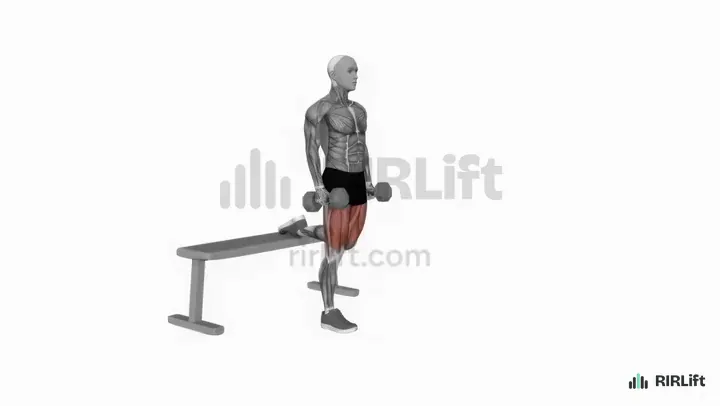
- Bulgarian Split Squat Quads, Glutes
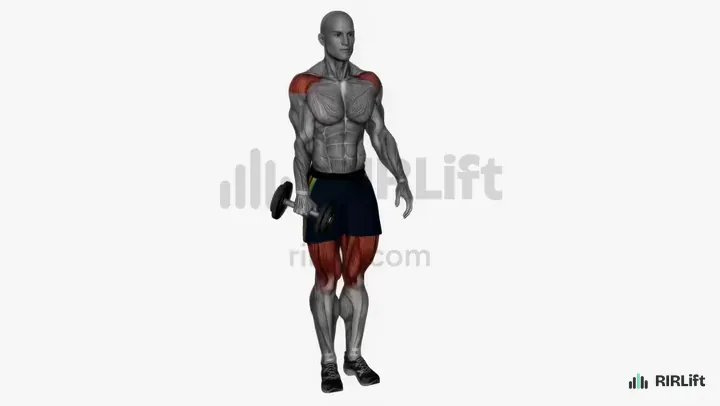
- Single-Leg RDL Hamstrings, Glutes
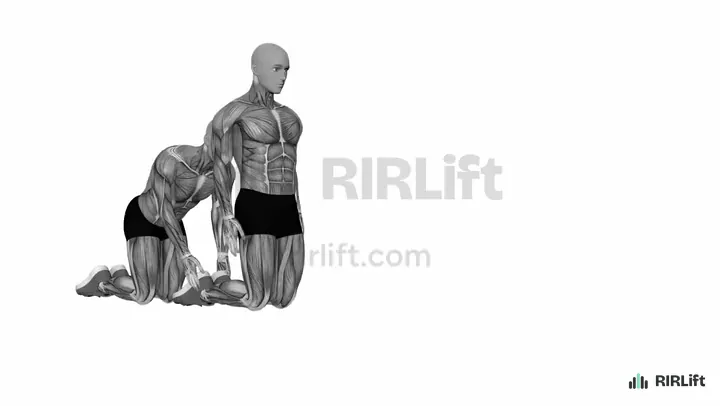
- Nordic Hamstring Curl Hamstrings
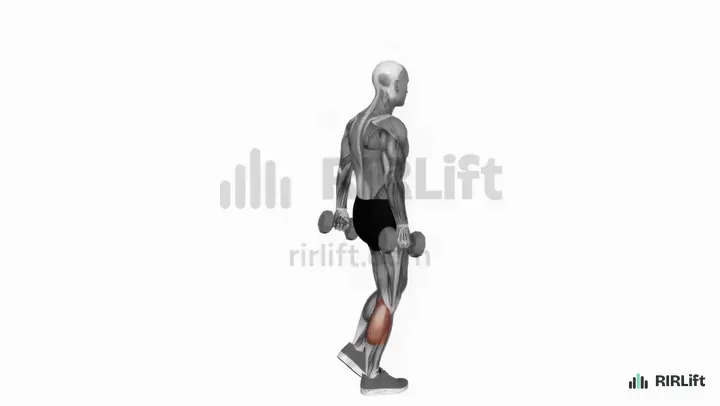
- Single-Leg Calf Raise Calves
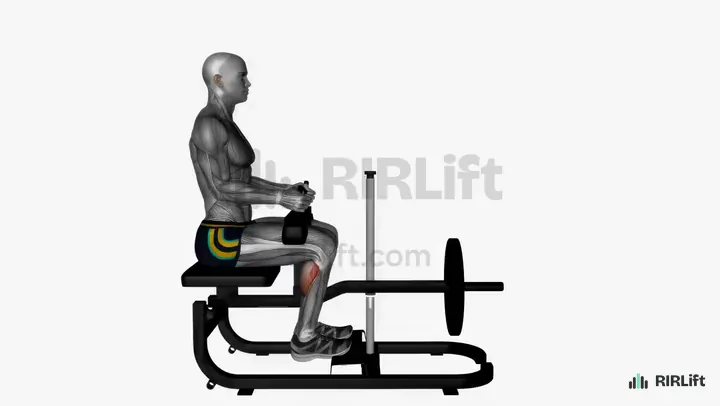
- Seated Calf Raise Calves
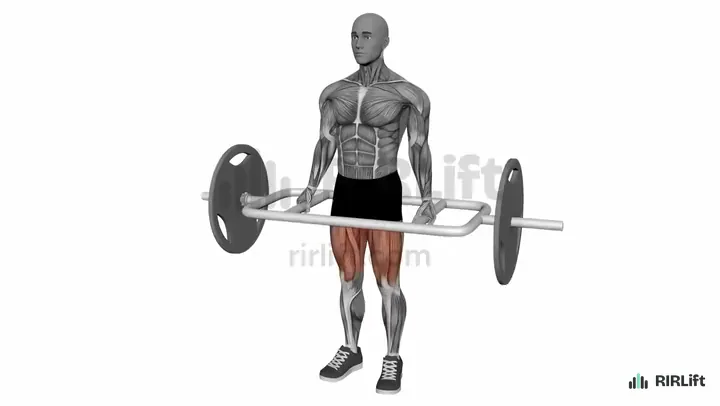
- Trap Bar Deadlift Quads, Glutes
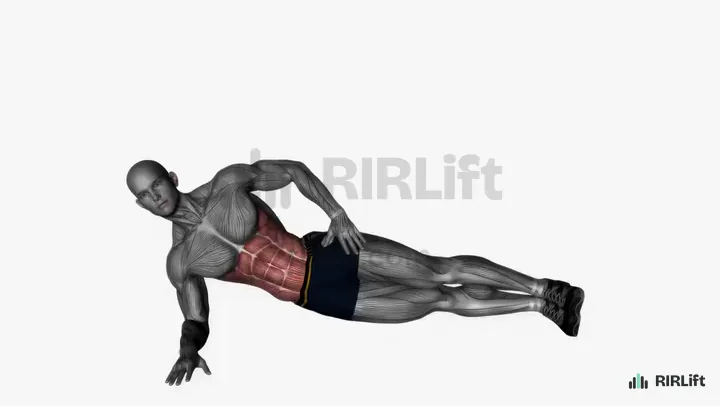
- Side Plank Abs
Put them together: example sessions
Each session below picks from the exercises above for one situation, with the sets, reps, rest and RIR filled in. Open one in the session builder to change a pick, price it from a recent set, and add it to RIRLift.
-
Session 1
Off-season or base phase
You are between race builds, running easy mileage, and have room for two proper gym sessions a week.
2× a week · 27 sets a week · ~40 min
-
Session 2
Race build, peak mileage
You are 6 to 16 weeks from an ultra, running your biggest weeks, and the gym has to hold onto strength without taking anything from long runs.
2× a week · 22 sets a week · ~25 min
-
Session 3
Mountain ultra with long descents
Your race has thousands of feet of descent, and your quads have given out on downhills before.
2× a week · 26 sets a week · ~30 min
Session 1
Off-season or base phase
- Workouts2× a week
- Working sets27 a week
- Per workout~40 min
- EquipmentBarbells, Dumbbells, Flat Bench, Trap Bar +1
You are between race builds, running easy mileage, and have room for two proper gym sessions a week.
This is when to build strength, because your running is mostly easy. Session A is heavy squat and calf work, session B heavy hinge and single-leg work, each with 4 to 6 rep sets at 2 reps in reserve: heavy enough to build strength, far enough from failure that you can still run the next day. Around 14 working sets per session.
| Exercise | Sets × reps | RIR | Rest |
|---|---|---|---|
| Barbell Back Squat | 4 × 4–6 | 2 | 3 min |
| Step-UpPer leg, 3 s down. | 3 × 6–8 | 2 | 90 s |
| Single-Leg Calf RaisePer leg. | 3 × 8–12 | 1 | 1 min |
| Side PlankSeconds per side. | 3 × 40 | 2 | 45 s |
Open A: Squat and Calves in the session builder
| Exercise | Sets × reps | RIR | Rest |
|---|---|---|---|
| Trap Bar Deadlift | 4 × 4–6 | 2 | 3 min |
| Bulgarian Split SquatPer leg. | 3 × 6–8 | 2 | 90 s |
| Nordic Hamstring Curl | 2 × 3–6 | 2 | 2 min |
| Seated Calf Raise | 3 × 10–15 | 1 | 1 min |
| Dead BugPer side. | 2 × 8–10 | 2 | 45 s |
Open B: Hinge and Single Leg in the session builder
- How to run it
- Lift on easy-run days, at least a few hours after the run, and keep two days between A and B. Avoid lifting legs the day before a long run.
- How to progress
- Add load whenever every set of a lift reaches the top of its range at 2 reps in reserve. After eight to twelve weeks, move to the race-build plan.
Session 2
Race build, peak mileage
- Workouts2× a week
- Working sets22 a week
- Per workout~25 min
- EquipmentTrap Bar, Dumbbells, Flat Bench, Resistance Bands
You are 6 to 16 weeks from an ultra, running your biggest weeks, and the gym has to hold onto strength without taking anything from long runs.
In the build, running gets priority. One short session done twice a week keeps the strength from the off-season with about a third less volume: 11 working sets, still moderately heavy, but at 3 reps in reserve so nothing is sore for the weekend long run. Cut to one session a week in the last three weeks and drop it in race week.
| Exercise | Sets × reps | RIR | Rest |
|---|---|---|---|
| Trap Bar Deadlift | 2 × 5–6 | 3 | 2:30 min |
| Step-UpPer leg, 3 s down. | 2 × 6–8 | 3 | 90 s |
| Single-Leg RDLPer leg. | 2 × 8 | 3 | 1 min |
| Single-Leg Calf RaisePer leg. | 2 × 10–12 | 2 | 1 min |
| Lateral Band WalkSteps each way. | 2 × 12–15 | 2 | 45 s |
| Dumbbell Suitcase Carry30 m per hand. | 1 × 1 | 2 | 1 min |
- How to run it
- Lift after an easy run early in the week and again midweek, never within 48 hours before your long run.
- How to progress
- Do not chase progress here. Keep the loads from the end of the off-season and stop adding weight; the goal is to arrive at the start line with the strength you built.
Session 3
Mountain ultra with long descents
- Workouts2× a week
- Working sets26 a week
- Per workout~30 min
- EquipmentDumbbells, Flat Bench, Seated Calf Raise, Resistance Bands
Your race has thousands of feet of descent, and your quads have given out on downhills before.
Downhill running loads the quads and hamstrings while they lengthen, so this plan builds strength in exactly that phase: slow three-to-four second lowering on step-ups, split squats and Nordics, plus heavier calves. Expect sore legs the first two weeks; that is why everything starts at 3 reps in reserve and moves to 2 only after the soreness fades. 13 working sets per session.
| Exercise | Sets × reps | RIR | Rest |
|---|---|---|---|
| Step-UpPer leg, 4 s down. | 3 × 6–8 | 3 | 90 s |
| Bulgarian Split SquatPer leg, 3 s down. | 3 × 6–8 | 3 | 90 s |
| Seated Calf Raise | 3 × 10–15 | 2 | 1 min |
| Side PlankSeconds per side. | 2 × 40 | 2 | 45 s |
| Dead BugPer side. | 2 × 8–10 | 2 | 45 s |
Open Session 1: Quads in the session builder
| Exercise | Sets × reps | RIR | Rest |
|---|---|---|---|
| Nordic Hamstring Curl | 3 × 3–5 | 3 | 2 min |
| Single-Leg RDLPer leg. | 3 × 8–10 | 2 | 75 s |
| Single-Leg Calf RaisePer leg, 3 s down. | 3 × 8–12 | 2 | 1 min |
| Lateral Band WalkSteps each way. | 2 × 12–15 | 2 | 45 s |
| Dumbbell Suitcase Carry30 m per hand. | 2 × 1 | 2 | 1 min |
Open Session 2: Hamstrings and Hips in the session builder
- How to run it
- Do Session 1 and Session 2 once a week each, in the 8 to 16 weeks before the race, on easy days. Pair them with hill repeats or downhill practice runs on other days.
- How to progress
- Week by week, lengthen the lowering to four seconds, then add load. Stop progressing three weeks before the race.
Make it fit you
-
Only one gym session a week
Use the race-build session year-round and add one set to each exercise in the off-season. One session still keeps most of your strength if you do it every week.
-
No barbell
Replace the back squat with a heavy goblet squat or leg press and the trap bar deadlift with dumbbell Romanian deadlifts. Keep reps at 6 to 10, since dumbbells rarely get heavy enough for 4.
-
No partner for Nordics
Hook your heels under a loaded barbell or a sturdy sofa, or use the lying leg curl with a four-second lowering instead.
-
Legs still sore before a long run
Move the lifting session a day earlier, take one set off each leg exercise, and stay at 3 reps in reserve. The soreness usually fades after two weeks of the same plan.
-
Keep the effort honest with RIR
Log the reps in reserve on each set. RIRLift picks the next session's weight from that number, so on heavy mileage weeks the load stays matched to how you actually felt.
Questions
How many days a week should ultrarunners strength train?
Two sessions a week in the off-season and during most of a race build, then one a week in the last few weeks before the race. Put them on easy-run days, a few hours after the run, and keep them away from the day before your long run.
Should ultrarunners lift heavy?
Yes, in the off-season. Sets of 4 to 6 on squats and deadlifts build strength that running cannot, and they do not add much bulk at that volume. During the race build, keep the weight moderately heavy but cut the sets.
What strength exercises are best for trail running?
Step-ups, Bulgarian split squats, single-leg Romanian deadlifts, Nordic hamstring curls, straight and bent-knee calf raises, lateral band walks and side planks. Most of them are on one leg, because every stride on uneven ground is.
How do I strengthen my quads for downhill running?
Train the lowering phase: step down from a box over three to four seconds, lower slowly in split squats, and build up over several weeks, since this kind of work makes you sore at first. Add downhill running practice on easy days so the legs adapt to the real thing.
Will strength training make me slower for ultras?
Not when it is two short sessions, a few reps short of failure, on easy days. The risk is fatigue, not the lifting itself, which is why the race-build plan cuts the volume and stops adding weight.
Related templates
-
The best strength workout for runners, built around your training
General strength sessions for road runners and shorter distances.
-
Triathlon strength training: what to lift, and how it changes through the season
Endurance strength work spread over swim, bike and run.
-
Single-leg RDL: how to do it without losing balance
The full guide to the one-leg hinge in these plans.
-
Calf exercises at the gym: standing, seated and leg press raises
More straight-knee and bent-knee calf options.
-
How to use reps in reserve (RIR)
How to judge the 2 to 3 reps in reserve that keep lifting from costing you runs.