How to warm up before lifting weights

Before lifting weights, row or ride a bike easily for 5 minutes, then do 10 leg swings per leg, 10 arm circles each way and 5 walkouts, add 15 band pull-aparts or 10 glute bridges for whichever half of your body you train first, and finish with 3 or 4 ramp-up sets of your first lift that climb from the empty bar toward your working weight. The whole thing takes 10 to 12 minutes, and only the ramp-up sets change from day to day.

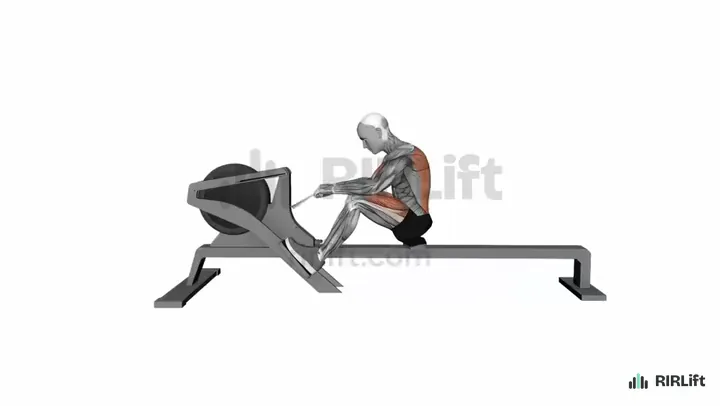
  1. Rowing Machine Quads, Hamstrings, Glutes, Lats
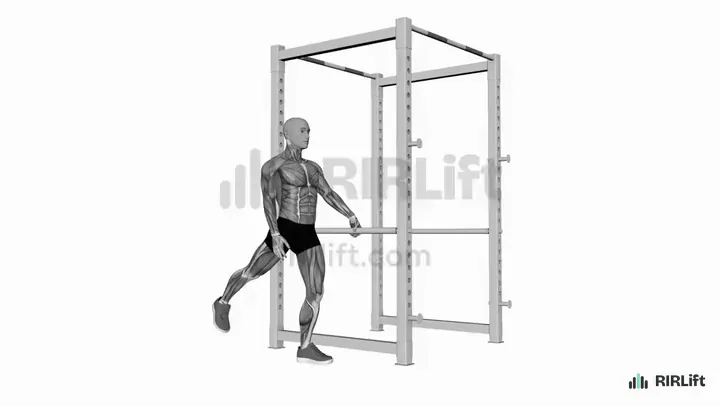
  2. Leg Swings Hamstrings, Glutes
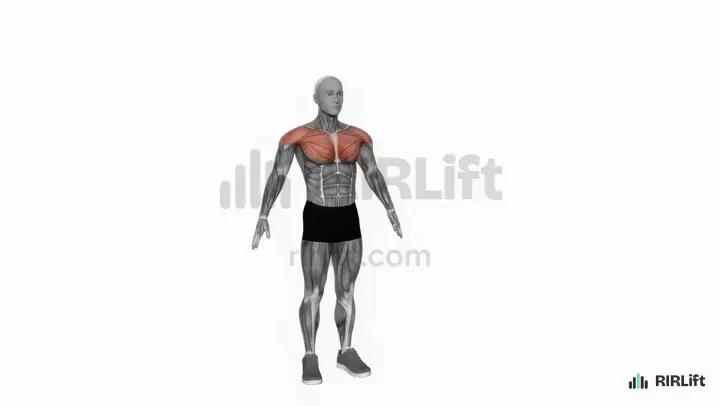
  3. Arm Circles Shoulders
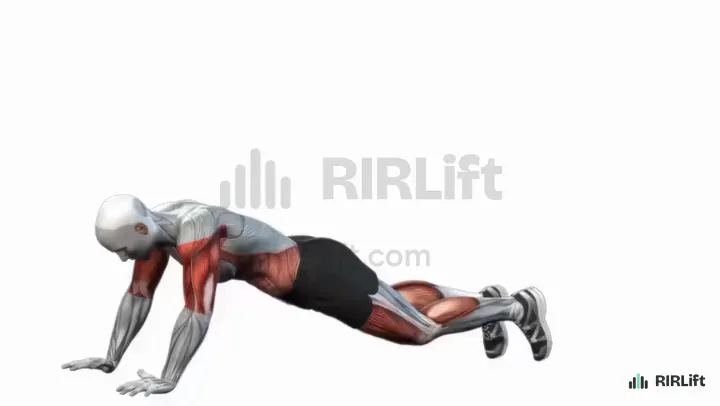
  4. Walkout Abs, Shoulders, Chest
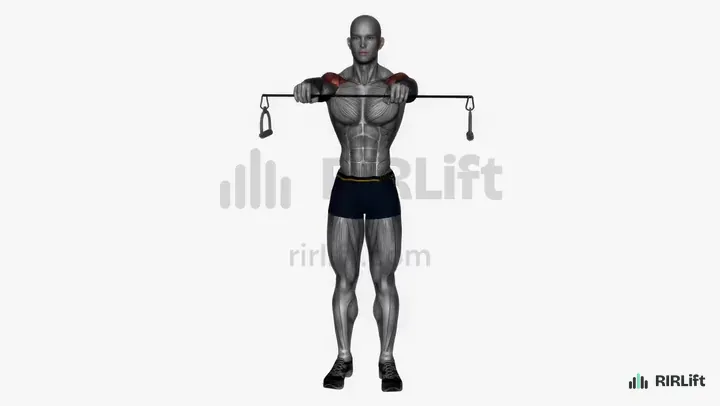
  5. Band Pull-Apart Shoulders, Upper Back
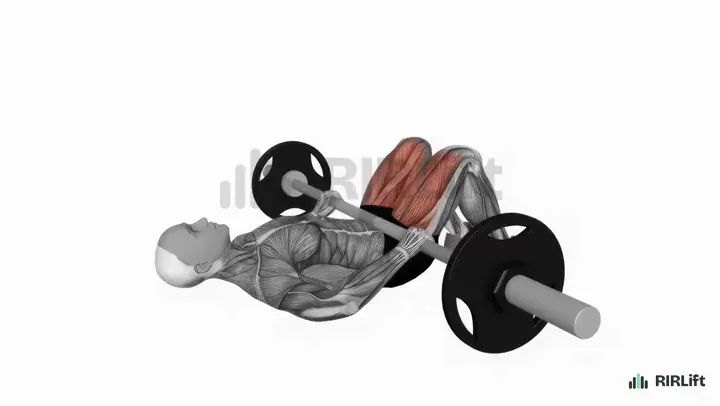
  6. Glute Bridge Glutes
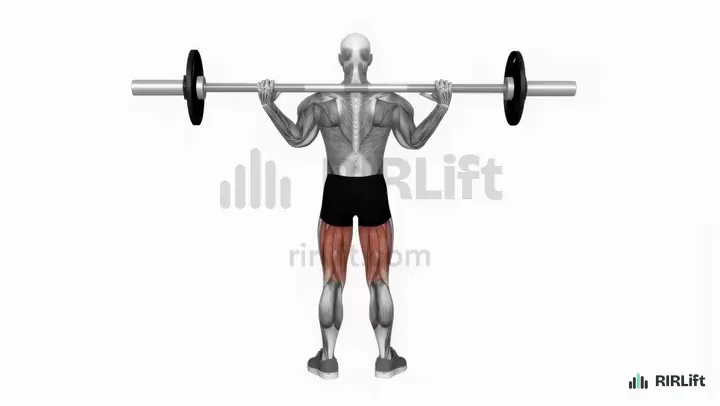
  7. Barbell Back Squat Quads, Glutes, Adductors
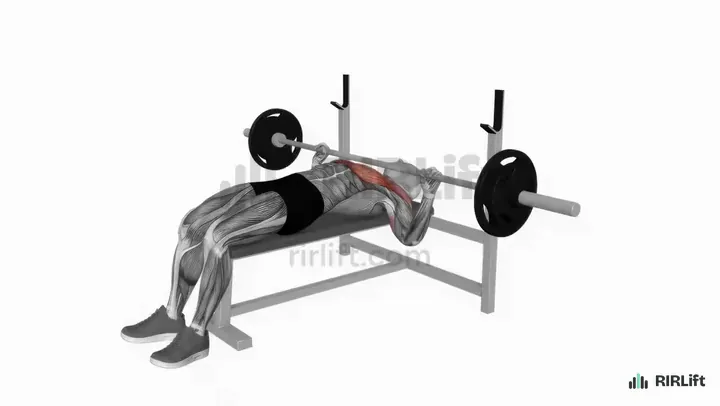
  8. Barbell Bench Press Chest

Stage 1: five minutes of easy cardio

Start with five minutes on a rower or exercise bike at a pace where you could hold a conversation. You should finish breathing a little harder and feeling warm, not tired. The rower suits upper-body days because your arms and back work too; the bike suits leg days because it moves your knees and hips without pounding.

Stage 1, full-body cardio

Rowing Machine

Quads, Hamstrings, Glutes, Lats

The rower works legs, back and arms together, so five easy minutes warms more of you than a treadmill walk does. It fits any lifting day, and it is easy to keep the effort low by watching the split on the monitor.

How to do it

  1. Strap your feet in so the strap crosses the widest part of your foot.
  2. Push with your legs first, then lean back slightly and pull the handle to your lower ribs.
  3. Return in reverse: arms forward, then hinge your torso, then bend your knees.
  4. Keep a relaxed pace of about 20 strokes per minute for 5 minutes.

Cues

  • Legs, body, arms; arms, body, legs
  • Easy enough to talk

Common mistakes

  • Yanking with the arms before the legs have pushed: the legs start every stroke.
  • Rowing hard enough to get winded: this is a warm-up, so the pace stays conversational.

Swap for: Stationary Bike, Ski Erg, Air Bike

Stage 1, knee-friendly cardio

Stationary Bike

Quads, Hamstrings

The bike warms your knees and hips with almost no impact, which makes it the better start for a squat or leg-press day.

How to do it

  1. Set the seat so your knee stays slightly bent at the bottom of each pedal stroke.
  2. Pedal at light resistance and a steady cadence for 5 minutes.
  3. Turn the resistance up one or two notches in the last minute if your legs still feel stiff.

Cues

  • Light resistance, steady cadence
  • Slight bend at the bottom

Common mistakes

  • Setting the seat too low: your knees stay cramped and the warm-up feels harder than it should.
  • Starting with a sprint: build up gradually instead.

Swap for: Rowing Machine, Elliptical, Treadmill Walk

Stage 2: move the joints you are about to load

Two or three minutes of dynamic moves take your hips and shoulders through the range the barbell will ask for. Leg swings open the hips for squats and deadlifts, arm circles loosen the shoulders for pressing, and walkouts move your hamstrings and shoulders in one drill. Keep each rep smooth and stop short of any strain. Save long stretch holds for after your last set.

Stage 2, hip mobility

Leg Swings

Hamstrings, Glutes

Swinging a leg front to back takes your hips through a wide range without pausing in a stretch, which is the range a squat or deadlift needs.

How to do it

  1. Stand side-on to a wall or rack and hold it with one hand.
  2. Swing the outside leg forward and back like a pendulum, letting each swing grow a little higher.
  3. Do 10 swings, then turn around and repeat on the other leg.

Cues

  • Tall torso, the leg does the moving
  • Let the range grow each swing

Common mistakes

  • Kicking hard from the first swing: start small and let the hip open gradually.
  • Rounding your back to get the leg higher: the height comes from the hip.

Swap for: Cossack Squat, Walkout, Standing Side Leg Raise

Stage 2, shoulder mobility

Arm Circles

Shoulders

Arm circles move the shoulder joint through every direction before you press or pull. They cost 30 seconds and need no equipment.

How to do it

  1. Stand tall and reach both arms sideways to shoulder height.
  2. Make small circles forward, letting them grow into big circles over about 10 reps.
  3. Reverse direction for another 10 reps, small to big.

Cues

  • Small to big
  • Ribs down, shoulders away from your ears

Common mistakes

  • Shrugging into your neck: keep the shoulders low.
  • Rushing the big circles: slow down where the shoulder feels tight.

Swap for: Band Pull-Apart, Plate Halo, Push-Up Plus

Stage 2, hamstrings and shoulders

Walkout

Abs, Shoulders, Chest

A walkout moves your hamstrings as you fold forward and loads your shoulders as you walk into a plank, so it prepares both halves of your body in one drill.

How to do it

  1. Stand with feet hip-width apart, fold forward and plant your palms in front of your feet, bending your knees as much as you need.
  2. Walk your hands forward to a high plank, palms below your shoulders.
  3. Hold one second, then walk your hands back toward your feet and stand up.
  4. Do 5 reps.

Cues

  • Hands walk, feet stay
  • Brace in the plank

Common mistakes

  • Letting your hips sag in the plank: squeeze your glutes and tighten your stomach.
  • Walking out so far your back arches: stop once your palms sit below your shoulders.

Swap for: Inverted Row, Plank to Push-Up, Leg Swings

Build a session with Walkout

Stage 3: wake up the muscles that hold your position

One activation drill for the half of your body you train first: band pull-aparts before pressing or rowing, so your upper back is already working when you pin your shoulder blades on the bench, or glute bridges before squats and deadlifts, so your hips drive the lift from the first rep. One or two sets of 10 to 15 easy reps is enough.

Stage 3, upper-back activation

Band Pull-Apart

Shoulders, Upper Back

Pulling a light band apart gets the muscles between your shoulder blades working, which is exactly the area that holds you steady on a bench press or keeps your back flat under a row.

How to do it

  1. Hold a light band at shoulder height with straight arms, hands about shoulder-width apart.
  2. Pull the band apart until it touches your chest, pinching your shoulder blades toward each other.
  3. Return slowly to the start. Do 15 reps.

Cues

  • Squeeze, then control the return
  • Arms long, elbows soft

Common mistakes

  • Bending your elbows to make it easier: keep them nearly straight.
  • Using a band so strong you shrug: a light band does the job.

Swap for: Band Face Pull, Face Pull, Band Rear Delt Fly

Stage 3, hip activation

Glute Bridge

Glutes

A few bridges get your glutes firing before they have to drive you out of a squat or lock out a deadlift.

How to do it

  1. Lie face up, knees bent, heels a hand-length from your hips, with an empty bar across your hips or no weight.
  2. Drive your heels down and raise your hips until knees, hips and shoulders line up.
  3. Squeeze your glutes for one second at the top, then lower. Do 10 to 12 reps.

Cues

  • Push through the heels
  • Squeeze at the top, ribs down

Common mistakes

  • Arching your lower back to lift higher: stop when your hips are level with your knees and shoulders.
  • Pushing through your toes: the effort shifts to your quads.

Swap for: Single-Leg Glute Bridge, Band Hip Thrust, Clamshell

Stage 4: ramp-up sets of your first lift

This is the stage that matters most and the one people skip. Do the first lift with the empty bar for 8 to 10 reps, then add weight in two or three jumps while cutting the reps: about half your working weight for 5, about three quarters for 3, and roughly 90 percent for 1 or 2 on a heavy day. Rest only as long as it takes to load the bar. Later lifts in the session need one or two ramp-up sets at most, since everything is already warm.

Stage 4, ramp-up sets on squat day

Barbell Back Squat

Quads, Glutes, Adductors

On squat day the ramp-up sets are the warm-up that counts: every set rehearses the exact groove with a little more weight, so your working sets feel familiar instead of heavy.

How to do it

  1. Set the bar on your upper back below the base of your neck, grip it just outside your shoulders, and step back.
  2. Brace your stomach, sit your hips down and back until your thighs are at least parallel, knees pointing the same way as your toes.
  3. Stand back up by pressing your whole foot into the floor.
  4. Ramp up: empty bar for 8 to 10, then about 50 percent for 5, 70 percent for 3, and 85 to 90 percent for 1 or 2 on heavy days.

Cues

  • Big breath before you descend
  • Knees track your toes

Common mistakes

  • Jumping straight from the empty bar to the working weight: the middle sets are where the groove is learned.
  • Doing ramp-up sets for high reps: they should leave you fresh, so the reps drop as the weight climbs.

Swap for: Front Squat, Goblet Squat, Box Squat

Stage 4, ramp-up sets on bench day

Barbell Bench Press

Chest

Pressing a few light, fast sets lets you set your shoulder blades and grip the same way every time before the bar gets heavy.

How to do it

  1. Lie on the bench with your eyes under the bar, feet flat, and shoulder blades pinched back and down.
  2. Unrack and lower the bar to your lower chest with your forearms vertical.
  3. Press back up over your shoulders.
  4. Ramp up: empty bar for 10, then about 50 percent for 5, 70 percent for 3, and 85 percent for 1 or 2.

Cues

  • Shoulder blades in your back pockets
  • Touch the same spot each rep

Common mistakes

  • Bouncing light warm-up reps off your chest: treat them like working reps.
  • Skipping the band pull-aparts on bench day: the upper back holds your setup.

Swap for: Flat Dumbbell Press, Smith Machine Bench Press, Close-Grip Bench Press

Stage 4, ramp-up sets on deadlift day

Barbell Deadlift

Glutes, Lower Back

Deadlifts start from a dead stop with no stretch to help, so the ramp-up sets give your hips and back a chance to find the starting position before the bar is heavy.

How to do it

  1. Stand with the bar over the middle of your feet, hinge and grip it just outside your legs.
  2. Bend your knees until your shins touch the bar, chest up and back flat.
  3. Push the floor away and stand up tall, dragging the bar up along your thighs.
  4. Ramp up: 40 percent for 5, 60 percent for 3, 75 percent for 2, and 85 percent for 1.

Cues

  • Bar over midfoot
  • Push the floor away

Common mistakes

  • Starting with the hips too low, like a squat: hips sit higher than knees.
  • Doing many reps on ramp-up sets: deadlift warm-up sets stay short.

Swap for: Trap Bar Deadlift, Romanian Deadlift, Sumo Deadlift

Put them together: example sessions

Each session below picks from the exercises above for one situation, with the sets, reps, rest and RIR filled in. Open one in the session builder to change a pick, price it from a recent set, and add it to RIRLift.

Session 1

Heavy squat day

Open in the session builder
  • Workouts2× a week
  • Working sets24 a week
  • Per workout~25 min
  • EquipmentExercise Bike, Barbells

You squat first and your top sets sit at 3 to 5 reps.

A heavy squat needs the most ramp-up work of any lift, so the bike and two hip drills come first and then four ramp-up sets climb toward your working weight. The working sets stay 1 to 2 reps short of failure, which keeps bar speed and form intact across all sets and leaves room for the rest of the session.

Squat Day
ExerciseSets × repsRIRRest
Stationary BikeSeconds. Five easy minutes, no rest between. 5 × 60 4 0 s
Leg SwingsPer leg, each direction. 1 × 10 4 0 s
Walkout 1 × 5 4 0 s
Glute BridgeSqueeze 1 s at the top. 1 × 12 4 30 s
Barbell Back Squat4 warm-up sets firstRamp-up sets from the empty bar first. 4 × 3–5 2 3 min
How to run it
Ride 5 minutes, then do the leg swings, walkouts and bridges back to back. Load the bar for each ramp-up set as soon as you finish the last one.
How to progress
When every working set hits 5 reps at 2 reps in reserve, add 2.5 to 5 kg next week. The ramp-up sets move up with it.

Session 2

Bench or upper-body day

Open in the session builder
  • Workouts2× a week
  • Working sets24 a week
  • Per workout~25 min
  • EquipmentRowing Machine, Resistance Bands, Barbells, Flat Bench

Your session opens with the bench press and moves to rows and overhead work.

Upper-body days need the rower to warm your back and arms, arm circles and pull-aparts to prepare the shoulder, and three ramp-up sets because the bench press is less demanding to groove than a squat. Working sets end 1 to 2 reps short of failure so later pressing still has quality.

Bench Day
ExerciseSets × repsRIRRest
Rowing MachineSeconds. Five easy minutes, no rest between. 5 × 60 4 0 s
Arm CirclesEach direction. 1 × 10 4 0 s
Band Pull-Apart 2 × 15 4 20 s
Barbell Bench Press3 warm-up sets firstRamp-up sets from the empty bar first. 4 × 5–8 2 2:30 min
How to run it
Row 5 minutes, then circles and pull-aparts. Take the ramp-up sets with short rests while you adjust the plates.
How to progress
Add reps up to 8 at 1 to 2 reps in reserve, then add 2.5 kg and drop back to 5 reps.

Session 3

Deadlift day with only 8 minutes to warm up

Open in the session builder
  • Workouts1× a week
  • Working sets8 a week
  • Per workout~20 min
  • EquipmentRowing Machine, Barbells

You are short on time and pull first.

When time is tight, the cardio drops to 3 minutes and the walkout covers both the hamstring and shoulder work. Deadlift ramp-up sets do the rest. Working sets end 2 reps short of failure because deadlift form slips first when you push close to it.

Deadlift Day
ExerciseSets × repsRIRRest
Rowing MachineSeconds. Three easy minutes, no rest between. 3 × 60 4 0 s
Walkout 1 × 5 4 0 s
Glute Bridge 1 × 10 4 0 s
Barbell Deadlift4 warm-up sets firstRamp-up sets first. 3 × 3–5 2 3 min
How to run it
Row 3 minutes, do walkouts and bridges once, then go straight to the bar.
How to progress
Add 5 kg when all sets hit the top of the range at 2 reps in reserve.

Make it fit you

Questions

How should I warm up before lifting weights?

Five minutes of easy cardio, two or three minutes of leg swings, arm circles and walkouts, one activation drill for the muscles you train first, then 3 or 4 ramp-up sets of your first lift. About 10 to 12 minutes in total.

How heavy should warm-up sets be?

Start with the empty bar or a light weight for 8 to 10 reps, then go to roughly 50, 70 and 85 to 90 percent of your working weight while the reps drop from 5 to 3 to 1 or 2. They should feel easy and quick, never like work.

What are the stages of a warm-up?

Raise your body temperature with easy cardio, move the joints you will load, activate the muscles that hold your position, then rehearse the first lift with ramp-up sets. Sport warm-ups replace the last stage with drills for the sport.

How do I warm up my upper body before lifting?

Row for 5 minutes, do 10 arm circles each way and 15 band pull-aparts, then 3 ramp-up sets of your first press or row.

Should I stretch before lifting weights?

Keep the stretching moving: leg swings, arm circles and walkouts. Long static holds fit better after your last set.

Do I need to warm up for every exercise?

Your first lift gets the full ramp. Later exercises that use the same muscles need one or two light sets at most, and isolation work later in the session usually needs none.