
Warm up for a marathon: a short routine that saves your legs
Published October 24, 2026
Before a marathon, keep the warm-up short and easy: walk 3 to 5 minutes, jog very easily for about 5 minutes, then do 10 leg swings per leg each way, 10 ankle circles each way, a set of clamshells and a set of calf raises, and 2 skips across 20 meters. Add two relaxed strides only if you plan to start at goal pace. The first few kilometers at a controlled pace do the rest of the warming up.
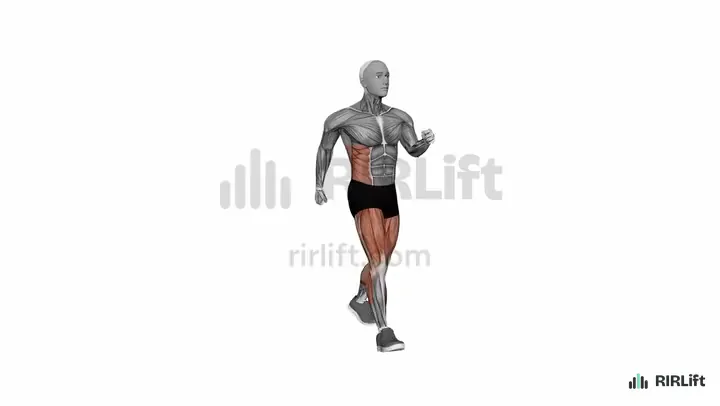
- Brisk Walk Quads, Hamstrings, Glutes, Calves
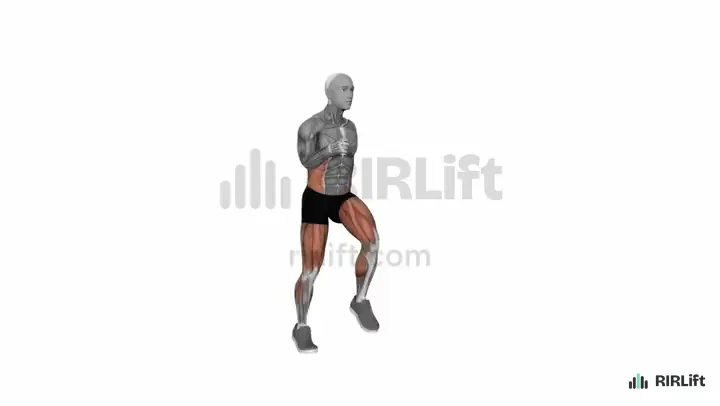
- Running Quads, Hamstrings, Calves
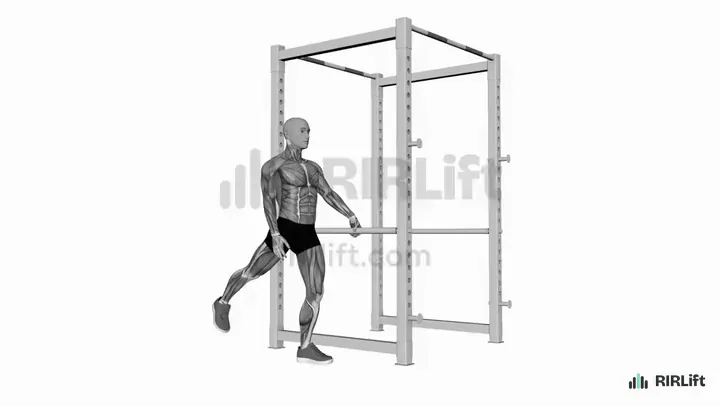
- Leg Swings Hamstrings, Glutes
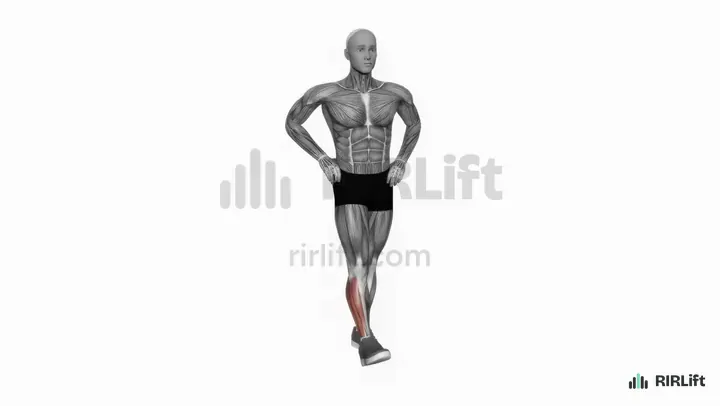
- Ankle Circles Calves
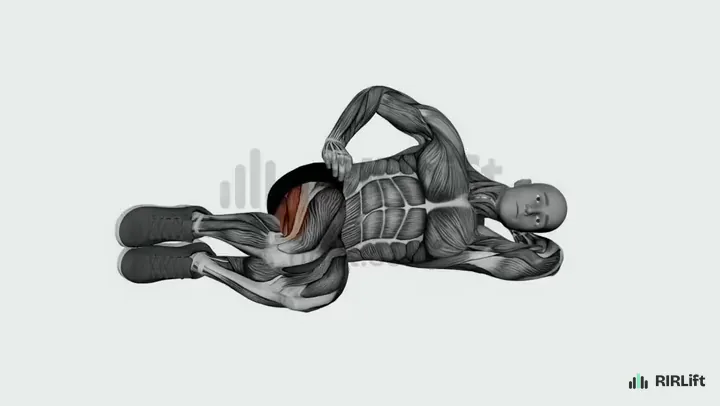
- Clamshell Abductors
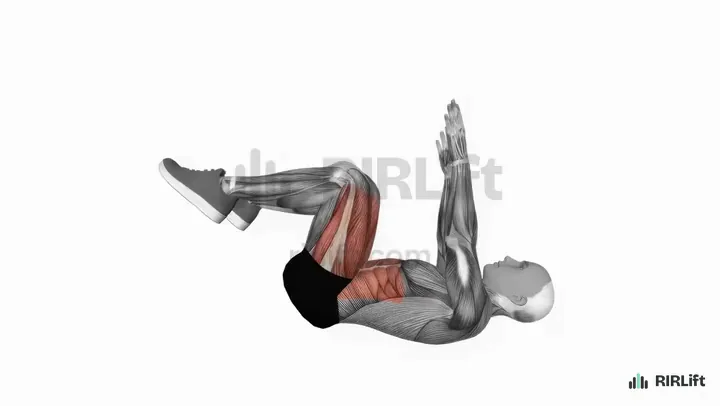
- Dead Bug Abs
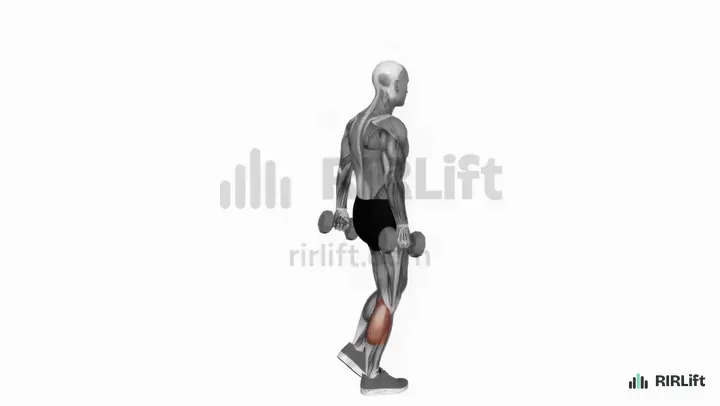
- Single-Leg Calf Raise Calves
- Skipping in Place Calves, Quads, Hamstrings

Put them together: example sessions
Each session below picks from the exercises above for one situation, with the sets, reps, rest and RIR filled in. Open one in the session builder to change a pick, price it from a recent set, and add it to RIRLift.
-
Session 1
Marathon at goal pace
You are racing a marathon with a target time and want to start at goal pace without wasting energy.
1× a week · 8 sets a week · ~10 min
-
Session 2
Half marathon
You are racing a half marathon, where the pace is quicker and there is less time to settle in.
1× a week · 20 sets a week · ~20 min
-
Session 3
Weekly long run
You are heading out for a long training run and want to feel loose from the start.
1× a week · 9 sets a week · ~10 min
Session 1
Marathon at goal pace
- Workouts1× a week
- Working sets8 a week
- Per workout~10 min
- EquipmentBodyweight
You are racing a marathon with a target time and want to start at goal pace without wasting energy.
At this distance, a long warm-up just costs energy. The plan is a brisk walk, a short jog, mobility, light activation done at home, and two relaxed strides so goal pace feels familiar.
Open At Home in the session builder
| Exercise | Sets × reps | RIR | Rest |
|---|---|---|---|
| Brisk WalkSeconds. One-minute blocks back to back, easy pace. | 4 × 60 | 4 | 0 s |
| RunningSeconds. Five minutes very easy. | 5 × 60 | 4 | 0 s |
| Leg SwingsPer leg, each direction. | 1 × 10 | 4 | 0 s |
| Single-Leg Calf RaisePer leg, no weight. | 1 × 10 | 4 | 0 s |
| RunningSeconds. Relaxed strides to goal pace. | 2 × 15 | 3 | 1 min |
Open At the Start in the session builder
- How to run it
- Do the floor exercises at home or the hotel, then the walk, jog and strides in the start area, finishing about 10 minutes before the gun.
- How to progress
- Keep it the same for every marathon; only the stride pace moves with your goal.
Session 2
Half marathon
- Workouts1× a week
- Working sets20 a week
- Per workout~20 min
- EquipmentBodyweight
You are racing a half marathon, where the pace is quicker and there is less time to settle in.
A half is faster than a marathon, so it is worth a slightly longer jog and two drills before you start. It is still far short of a 5K warm-up.
| Exercise | Sets × reps | RIR | Rest |
|---|---|---|---|
| RunningSeconds. Ten minutes easy jog. | 10 × 60 | 4 | 0 s |
| Leg SwingsPer leg, each direction. | 1 × 10 | 4 | 0 s |
| Ankle CirclesEach way, per foot. | 1 × 10 | 4 | 0 s |
| Single-Leg Calf RaisePer leg. | 1 × 10 | 4 | 0 s |
| Skipping in PlaceSeconds. | 2 × 20 | 4 | 0 s |
| Butt KicksSeconds. | 2 × 20 | 4 | 0 s |
| RunningSeconds. Strides building to race pace. | 3 × 20 | 2 | 1 min |
- How to run it
- Begin about 25 minutes before the start and finish 5 to 10 minutes before the gun.
- How to progress
- Add a third stride if you plan to go out hard.
Session 3
Weekly long run
- Workouts1× a week
- Working sets9 a week
- Per workout~10 min
- EquipmentBodyweight
You are heading out for a long training run and want to feel loose from the start.
On a long run, the opening minutes are the warm-up. This plan adds a walk and a few mobility moves so the first kilometer is smooth rather than stiff.
| Exercise | Sets × reps | RIR | Rest |
|---|---|---|---|
| Brisk WalkSeconds. One-minute blocks back to back, easy pace. | 5 × 60 | 4 | 0 s |
| Leg SwingsPer leg, each direction. | 1 × 10 | 4 | 0 s |
| Arm CirclesEach direction. | 1 × 10 | 4 | 0 s |
| Ankle CirclesEach way, per foot. | 1 × 10 | 4 | 0 s |
| ClamshellPer side. | 1 × 10 | 4 | 0 s |
- How to run it
- Do it right before you set off and keep the first 10 minutes slower than your long-run pace.
- How to progress
- Do the same routine before every long run as the distance grows.
Make it fit you
-
Long wait in the corral
Do ankle circles and arm circles in place every few minutes and keep a throwaway layer on.
-
Cold race morning
Add 3 minutes to the jog and keep moving until the gun.
-
First marathon
Skip the strides and start a little slower than you think you need.
-
Very early start
Do the floor exercises at home and only the walk and leg swings in the start area.
-
Strength in a marathon block
Log your gym sets with reps in reserve in RIRLift, so the next weight is picked from them and your lifting stays at an easy effort when your mileage is at its highest.
Questions
Should you warm up before a marathon?
Yes, but lightly. Walk and jog a few minutes, do some leg swings and calf raises, and let the first kilometers do the rest.
How long should a marathon warm-up be?
About 10 to 15 minutes in total, mostly walking and very easy jogging. Longer just costs energy.
Should you warm up for a half marathon?
Yes, with a bit more than for a marathon: a 10-minute jog, two drills and a few strides, because the pace is faster from the start.
What to do the morning of a marathon?
Get up early enough to eat what you usually eat before long runs, do the floor exercises at home, then walk and jog lightly at the start.
Do I need strides before a marathon?
Only if you plan to start at goal pace. Two relaxed 15-second strides are enough.
Related templates
-
Warm up for running: a 10-minute pre-run routine
The everyday pre-run routine.
-
Warm up for a 5K: what to do before the start
A longer, sharper warm-up for short races.
-
Glute activation exercises: short routines before you squat or run
More glute primers to choose from.
-
The best strength workout for runners, built around your training
Strength training around your mileage.