
Warm up for a 5K: what to do before the start
Published October 24, 2026
For a 5K race, jog easily for 10 to 15 minutes, do about 3 minutes of dynamic moves (leg swings, ankle and arm circles), a minute of hip and calf activation, 2 rounds of skips, high knees and fast feet, then 3 to 4 strides of 15 to 20 seconds that build to your race pace. Start about 30 minutes before the gun and finish the last stride roughly 5 minutes before the start, then keep moving in the corral.
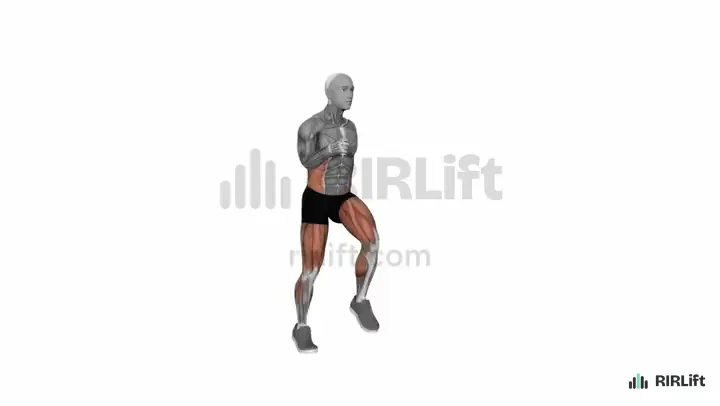
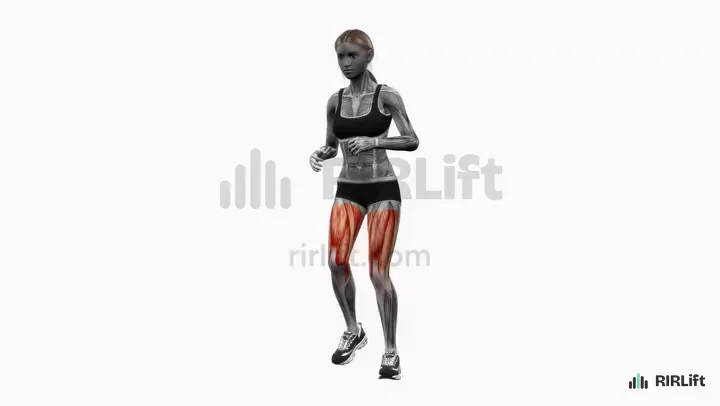
- Running Quads, Hamstrings, Calves
- Leg Swings Hamstrings, Glutes
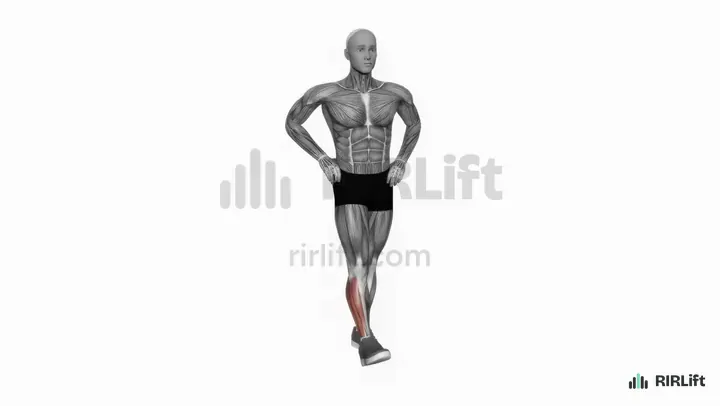
- Ankle Circles Calves
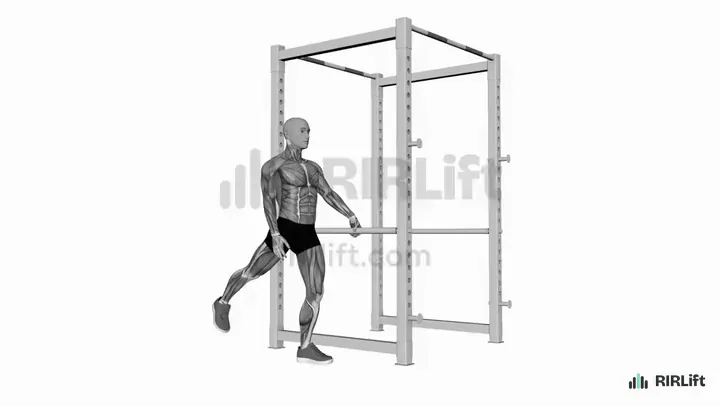
- Standing Side Leg Raise Abductors
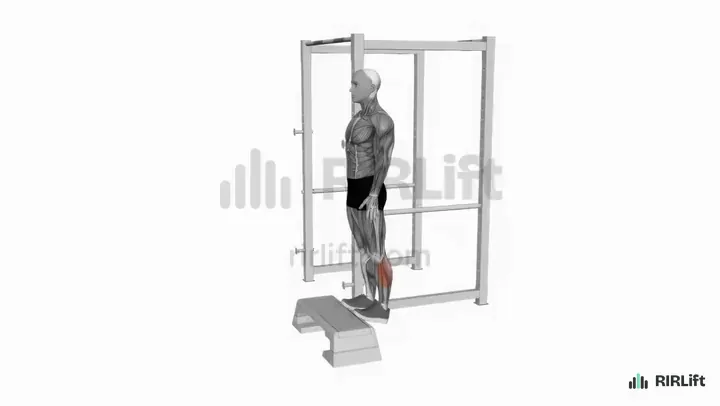
- Standing Calf Raise Calves
- Skipping in Place Calves, Quads, Hamstrings
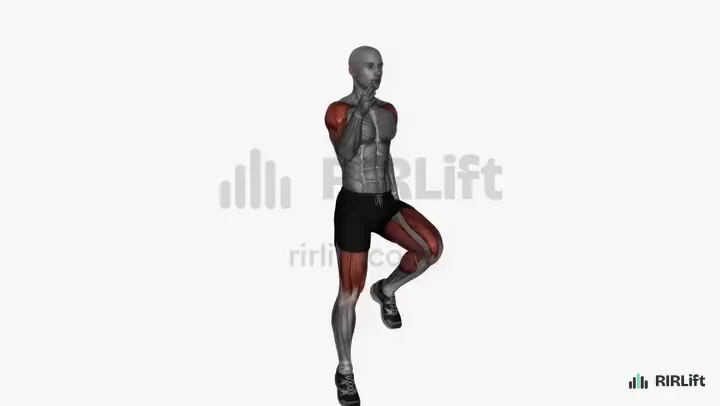
- High Knees Quads
- Fast Feet Calves, Quads


Put them together: example sessions
Each session below picks from the exercises above for one situation, with the sets, reps, rest and RIR filled in. Open one in the session builder to change a pick, price it from a recent set, and add it to RIRLift.
-
Session 1
First 5K or a fun run
You want to finish comfortably and enjoy it, not chase a time.
1× a week · 11 sets a week · ~10 min
-
Session 2
Racing for a personal best
You are going to run hard from the gun and want the first kilometer at goal pace to feel controlled.
1× a week · 22 sets a week · ~20 min
-
Session 3
Packed corral, no space to jog
The start area is crowded and you have to be in your pen early, so you warm up mostly in place.
1× a week · 14 sets a week · ~10 min
Session 1
First 5K or a fun run
- Workouts1× a week
- Working sets11 a week
- Per workout~10 min
- EquipmentStanding Calf Raise
You want to finish comfortably and enjoy it, not chase a time.
When the plan is to run at a steady, conversational effort, a short jog and a few moves are all you need. Strides are left out, since you will not be running fast at the start.
| Exercise | Sets × reps | RIR | Rest |
|---|---|---|---|
| RunningSeconds. Six minutes easy jog. | 6 × 60 | 4 | 0 s |
| Leg SwingsPer leg, each direction. | 1 × 10 | 4 | 0 s |
| Ankle CirclesEach way, per foot. | 1 × 10 | 4 | 0 s |
| Standing Calf Raise | 1 × 10 | 4 | 0 s |
| Skipping in PlaceSeconds. | 2 × 20 | 4 | 0 s |
- How to run it
- Start about 15 minutes before the gun, finish at the corral, and begin the race at the pace of your warm-up jog.
- How to progress
- For your next race, add the strides and the drills.
Session 2
Racing for a personal best
- Workouts1× a week
- Working sets22 a week
- Per workout~20 min
- EquipmentStanding Calf Raise
You are going to run hard from the gun and want the first kilometer at goal pace to feel controlled.
A full warm-up before a hard 5K takes 25 to 30 minutes: a long easy jog, mobility, activation, drills and strides that build to race speed. You finish fresh but fully ready, which matters at a distance where there is no time to settle in.
| Exercise | Sets × reps | RIR | Rest |
|---|---|---|---|
| RunningSeconds. Ten minutes easy jog. | 10 × 60 | 4 | 0 s |
| Leg SwingsPer leg, each direction. | 1 × 10 | 4 | 0 s |
| Arm CirclesEach direction. | 1 × 10 | 4 | 0 s |
| Standing Side Leg RaisePer side. | 1 × 10 | 4 | 0 s |
| Standing Calf Raise | 1 × 12 | 4 | 0 s |
| Skipping in PlaceSeconds. | 2 × 20 | 4 | 0 s |
| High KneesSeconds. | 2 × 20 | 4 | 0 s |
| RunningSeconds. Strides building to race pace; walk back. | 4 × 20 | 2 | 1 min |
- How to run it
- Begin about 35 minutes before the start. Finish the strides about 5 minutes out and keep jogging gently or doing leg swings until the gun.
- How to progress
- As your fitness grows, make the last stride a touch faster than goal pace.
Session 3
Packed corral, no space to jog
- Workouts1× a week
- Working sets14 a week
- Per workout~10 min
- EquipmentStanding Calf Raise
The start area is crowded and you have to be in your pen early, so you warm up mostly in place.
When you cannot run around, in-place drills keep your heart rate up: fast feet, high knees and skips in 20-second bursts. A short jog before you enter the pen and calf raises at the line fill in the rest.
| Exercise | Sets × reps | RIR | Rest |
|---|---|---|---|
| RunningSeconds. Five minutes easy before the corral. | 5 × 60 | 4 | 0 s |
| Fast FeetSeconds. | 3 × 15 | 4 | 0 s |
| High KneesSeconds. | 2 × 20 | 4 | 0 s |
| Ankle CirclesEach way, per foot. | 1 × 10 | 4 | 0 s |
| Arm CirclesEach direction. | 1 × 10 | 4 | 0 s |
| Standing Calf Raise | 2 × 10 | 4 | 15 s |
- How to run it
- Jog 5 minutes before you enter the corral, then repeat the in-place round every few minutes until the gun.
- How to progress
- Get to the area earlier next time so you can fit in a longer jog and strides.
Make it fit you
-
Race starts very early
Wake up at least an hour before, and if you can only jog for 5 minutes, do more strides instead of fewer.
-
Cold race day
Keep an old layer on until the last minute and extend the jog by 5 minutes.
-
Hilly course start
Do one of your strides up a gentle incline so the first climb feels familiar.
-
Parkrun or weekly 5K
The same routine works every week; just shorten the jog if you run to the start.
-
Lift during the week
Log your strength sets with their reps in reserve in RIRLift; the next weight is picked from them, so a hard leg day stays honest in race week.
Questions
How long before a 5K should I warm up?
Start about 30 minutes before the gun and finish the last stride around 5 minutes before the start. Then keep moving gently.
How long should a 5K warm-up be?
10 to 15 minutes of easy jogging plus 10 minutes of mobility, drills and strides if you are racing hard. For a first 5K or a fun run, 10 minutes total is enough.
Should I do strides before a 5K?
Yes, if you plan to start at race pace. Three or four strides of 15 to 20 seconds that build to race speed get your legs used to the pace.
What not to do before a 5K?
Do not try new moves or run your warm-up fast. Everything before the gun should feel easy except the short strides.
What is a good 5 minute warm-up?
If you only have five minutes, jog for three, do 10 leg swings per leg, and finish with two 15-second strides.
Related templates
-
Warm up for running: a 10-minute pre-run routine
The everyday version for training runs.
-
Warm up for a marathon: a short routine that saves your legs
A lighter routine for long races.
-
Track warm up: a team routine for practice and meet day
Team warm-ups for track practice and meets.
-
The best strength workout for runners, built around your training
Strength sessions to build around.
-
5 minute warm up: every stage, nothing extra
When you are short on time.