
Warm up for running: a 10-minute pre-run routine
Published October 24, 2026
Before you run, walk briskly or jog very easily for 5 minutes, then spend about 3 minutes on dynamic moves (10 leg swings each way per leg, 5 walkouts, 10 alternating lunges), 1 minute waking up your hips and calves (10 clamshells per side, 10 calf raises per leg), and finish with 2 rounds of 20 seconds each of high knees, butt kicks and skips. That is about 10 minutes, and your first kilometer of the run itself should still be your slowest.
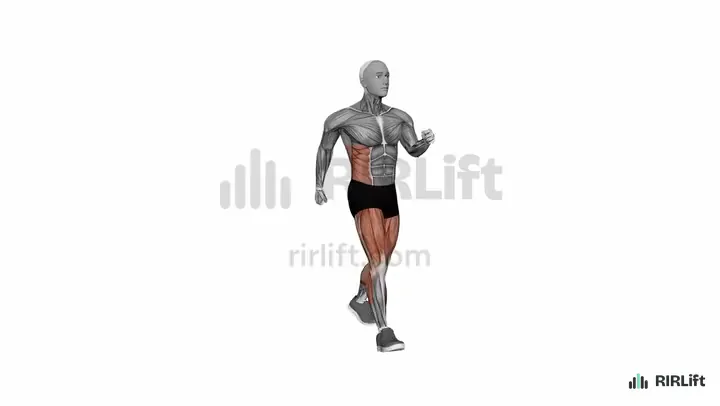
- Brisk Walk Quads, Hamstrings, Glutes, Calves
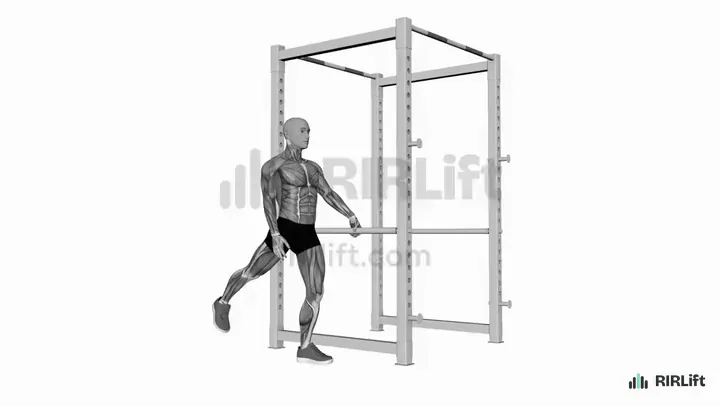
- Leg Swings Hamstrings, Glutes
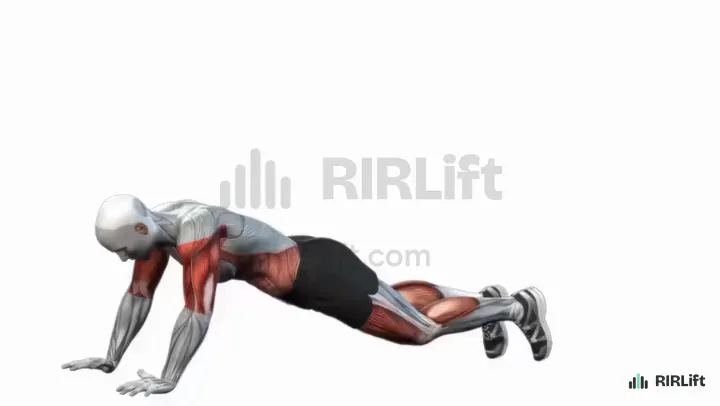
- Walkout Abs, Shoulders, Chest
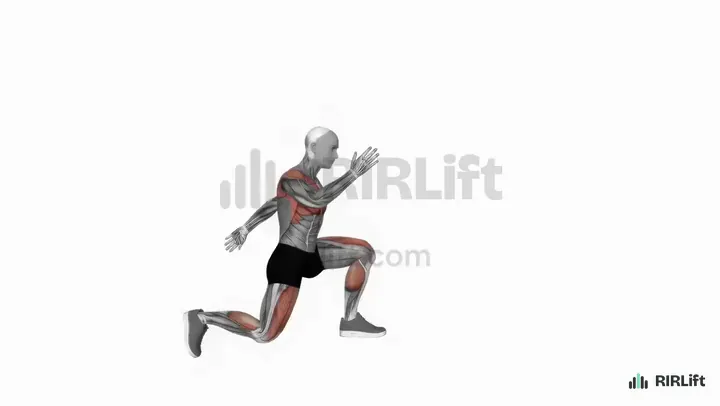
- Cardio Lunge Quads, Glutes
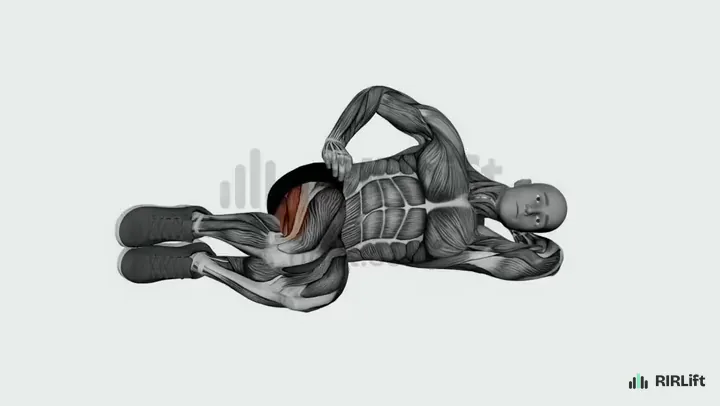
- Clamshell Abductors
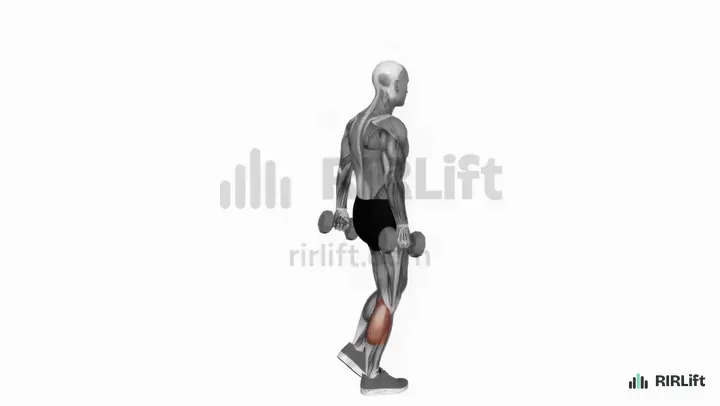
- Single-Leg Calf Raise Calves
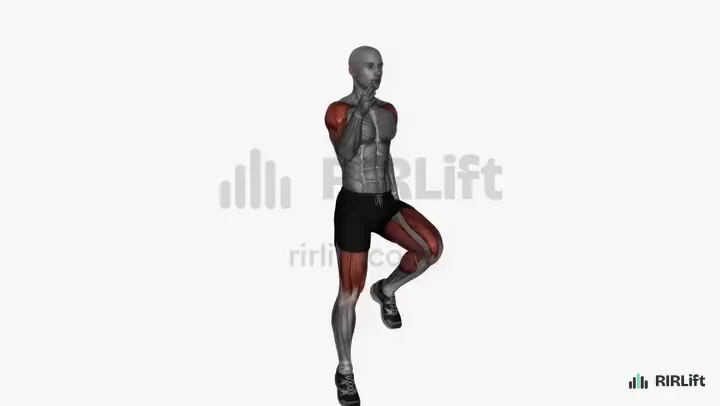
- High Knees Quads
- Butt Kicks Hamstrings
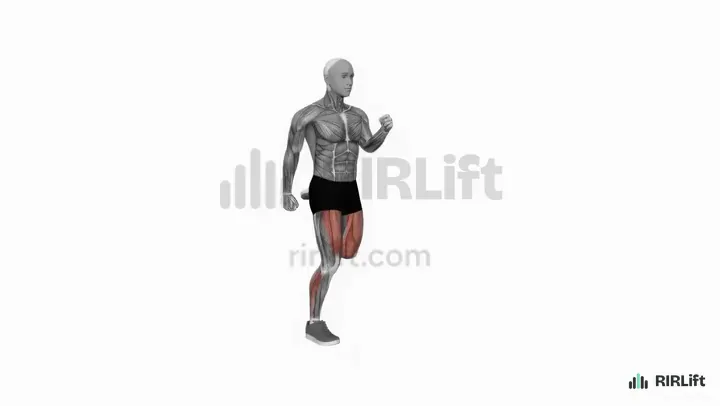
- Skipping in Place Calves, Quads, Hamstrings

Put them together: example sessions
Each session below picks from the exercises above for one situation, with the sets, reps, rest and RIR filled in. Open one in the session builder to change a pick, price it from a recent set, and add it to RIRLift.
-
Session 1
Easy or recovery run
You are heading out for an easy 20 to 45 minute run and want a warm-up short enough that you actually do it.
4× a week · 48 sets a week · ~10 min
-
Session 2
Intervals, tempo run or race
You are about to run fast: intervals, a tempo segment, or a race, and you want your first hard rep to feel ready.
2× a week · 38 sets a week · ~20 min
-
Session 3
Cold morning, starting indoors
It is cold and you would rather not stand around outside doing leg swings, so you warm up inside and step out ready.
3× a week · 39 sets a week · ~10 min
Session 1
Easy or recovery run
- Workouts4× a week
- Working sets48 a week
- Per workout~10 min
- EquipmentBodyweight
You are heading out for an easy 20 to 45 minute run and want a warm-up short enough that you actually do it.
An easy run is mostly its own warm-up, so this keeps the extras to about 7 minutes: a walk to raise your heart rate, two mobility moves, calf raises and one drill. Everything is far from tiring, so it adds nothing to your fatigue for the next day.
| Exercise | Sets × reps | RIR | Rest |
|---|---|---|---|
| Brisk WalkSeconds. One-minute blocks back to back, easy pace. | 4 × 60 | 4 | 0 s |
| Leg SwingsPer leg, each direction. | 1 × 10 | 4 | 0 s |
| Ankle CirclesEach way, per foot. | 1 × 10 | 4 | 0 s |
| Single-Leg Calf RaisePer leg, no weight. | 1 × 10–12 | 4 | 15 s |
| High KneesSeconds. | 2 × 20 | 4 | 0 s |
| RunningSeconds. Easy pace; keep going into your run. | 3 × 60 | 3 | 0 s |
- How to run it
- Do it right before you go out the door, then start the run at a pace slower than your normal easy pace for the first five minutes.
- How to progress
- Once it is a habit, add the walkout and the clamshell before each run.
Session 2
Intervals, tempo run or race
- Workouts2× a week
- Working sets38 a week
- Per workout~20 min
- EquipmentBodyweight
You are about to run fast: intervals, a tempo segment, or a race, and you want your first hard rep to feel ready.
Hard running asks for full stride length and quick ground contacts straight away, so this version runs the whole ladder: an easy jog, every mobility move, glute and calf activation, two rounds of drills, and short strides that build toward the pace you are about to hold. It takes about 15 minutes and finishes a few minutes before the first rep.
| Exercise | Sets × reps | RIR | Rest |
|---|---|---|---|
| RunningSeconds. Five minutes easy jog. | 5 × 60 | 4 | 0 s |
| Leg SwingsPer leg, each direction. | 1 × 10 | 4 | 0 s |
| Walkout | 1 × 5 | 4 | 0 s |
| Cardio LungeAlternating. | 1 × 10 | 4 | 0 s |
| ClamshellPer side. | 1 × 10 | 4 | 0 s |
| Single-Leg Calf RaisePer leg. | 1 × 10 | 4 | 15 s |
| High KneesSeconds. | 2 × 20 | 4 | 0 s |
| Butt KicksSeconds. | 2 × 20 | 4 | 0 s |
| Skipping in PlaceSeconds. | 2 × 20 | 4 | 0 s |
| RunningSeconds. Strides: build to interval pace, walk back. | 3 × 20 | 2 | 1 min |
- How to run it
- Do the jog and drills, then 3 strides of about 20 seconds, building from easy to the speed of your first interval. Walk back between strides.
- How to progress
- Make the strides a touch faster over the weeks as your race pace improves; keep the jog and drills the same.
Session 3
Cold morning, starting indoors
- Workouts3× a week
- Working sets39 a week
- Per workout~10 min
- EquipmentResistance Bands
It is cold and you would rather not stand around outside doing leg swings, so you warm up inside and step out ready.
Cold muscles take longer to feel loose, so the raise doubles to about 8 minutes and happens indoors with jumping jacks, high knees and lunges. The band walk and calf raises go in before you leave. Once outside, the first ten minutes of the run stay easy while you settle in.
| Exercise | Sets × reps | RIR | Rest |
|---|---|---|---|
| Jumping JackSeconds. | 3 × 40 | 4 | 0 s |
| High KneesSeconds. | 2 × 30 | 4 | 0 s |
| Cardio LungeAlternating. | 2 × 10 | 4 | 15 s |
| Walkout | 1 × 5 | 4 | 0 s |
| Lateral Band WalkSteps each way. | 1 × 10 | 4 | 15 s |
| Single-Leg Calf RaisePer leg. | 1 × 12 | 4 | 15 s |
| Ankle CirclesEach way, per foot. | 1 × 10 | 4 | 0 s |
| RunningSeconds. Easy first minutes outside. | 2 × 60 | 3 | 0 s |
- How to run it
- Do the whole block in a hallway or living room, put your layers on, and start running within a couple of minutes.
- How to progress
- As the weather warms up, drop back to the easy-run version.
Make it fit you
-
Only have two minutes
Do leg swings and 30 seconds of high knees, then run the first five minutes slower than usual. The early slow minutes are doing most of the warm-up work.
-
Running on trails
Add 20 seconds of skater hops-style side steps or extra ankle circles, since uneven ground loads the ankle sideways more than a road does.
-
Calves always tight early on
Keep the calf raises slow and add a second set, then start on flat ground instead of a hill.
-
Running after lifting
Your legs are already warm. Skip the raise and the activation and go straight to drills and an easy first kilometer.
-
Log the strength days too
If you lift alongside running, log each set with its reps in reserve in RIRLift so the next session's weight is picked from how hard the last one was.
Questions
What is a good pre-run warm-up?
Five minutes of brisk walking or very easy jogging, a few dynamic moves like leg swings and lunges, a short set of calf raises and glute work, then 20-second running drills such as high knees and skips. About 10 minutes in total.
Should I stretch before running?
Move rather than hold. Dynamic moves like leg swings and walkouts get the joints through their range; save long static holds for after the run.
How long should a running warm-up be?
About 5 to 10 minutes before an easy run and 15 to 20 minutes before intervals or a race, where you also add strides that build toward your target pace.
What exercises should I do before running?
Leg swings, ankle circles, walkouts and alternating lunges for mobility, clamshells and calf raises to wake up the hips and calves, and high knees, butt kicks and skips as drills.
Is walking a good warm-up before running?
Yes. A few minutes of brisk walking is a fine way to raise your heart rate, especially for beginners or on an easy day. Follow it with a couple of dynamic moves and start the run slowly.
Do I need to warm up for a slow run?
A short one helps: even a slow run feels smoother after a few minutes of walking and some leg swings. If you skip it, treat the first five minutes of the run as your warm-up.
Related templates
-
Warm up for a 5K: what to do before the start
Race-morning version with a longer jog and strides.
-
Warm up for sprints: build from a jog to full speed
Longer drill and jump sequence before maximum speed.
-
Treadmill warm up: walk, jog, then pick-ups
The same idea on the belt.
-
Dynamic stretches: 9 moving stretches for before you train
More moving stretches to rotate in.
-
The best strength workout for runners, built around your training
Strength sessions that fit around your running week.