
Warm up for skiing: a 7-minute routine in your boots before the first run
Published October 24, 2026
Do 2 minutes of jumping jacks and high knees, then 3 minutes of mobility: 10 leg swings each way per leg, 10 ankle circles per foot, 10 arm circles each direction, 10 bodyweight squats and 5 cossack squats per side. Finish with 2 minutes of primers: 6 skater hops per side and 5 jump squats. Then ski an easy first run with short turns before you go harder. About seven minutes, and it works in ski boots.
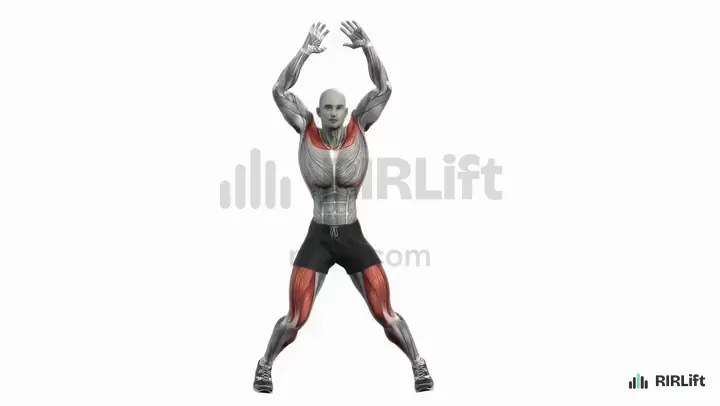
- Jumping Jack Calves, Quads
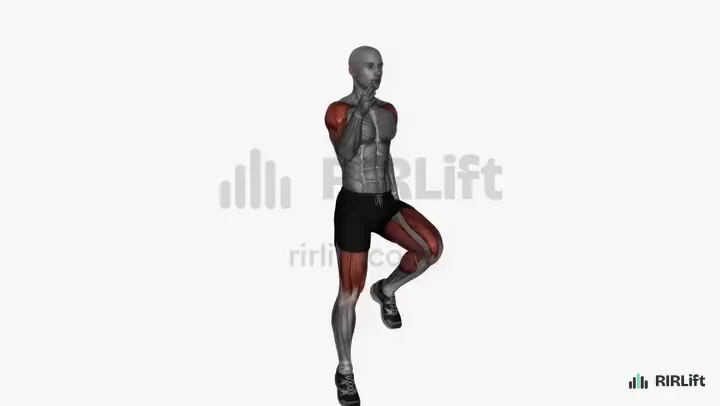
- High Knees Quads
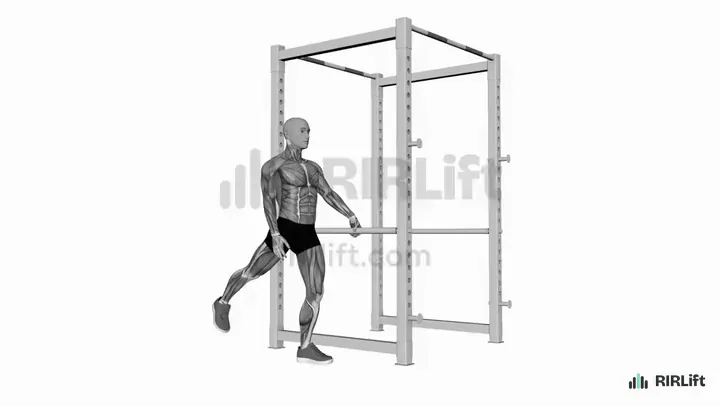
- Leg Swings Hamstrings, Glutes
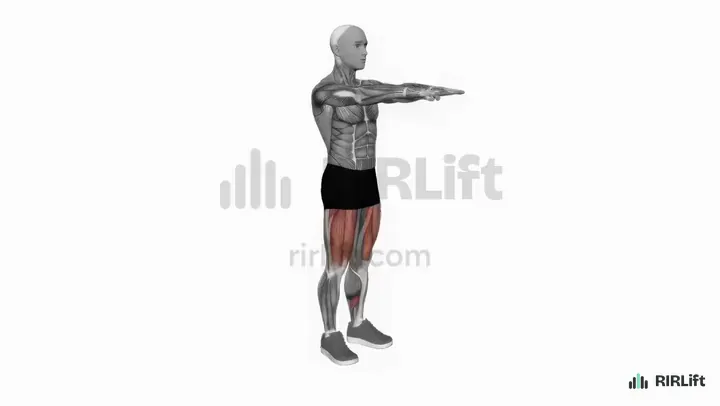
- Bodyweight Squat Quads
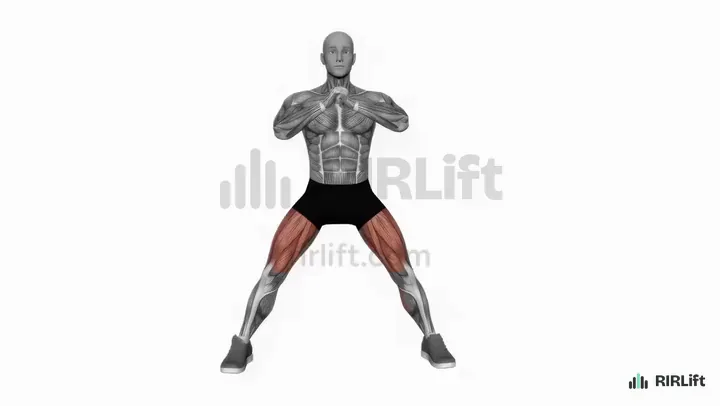
- Cossack Squat Quads, Adductors
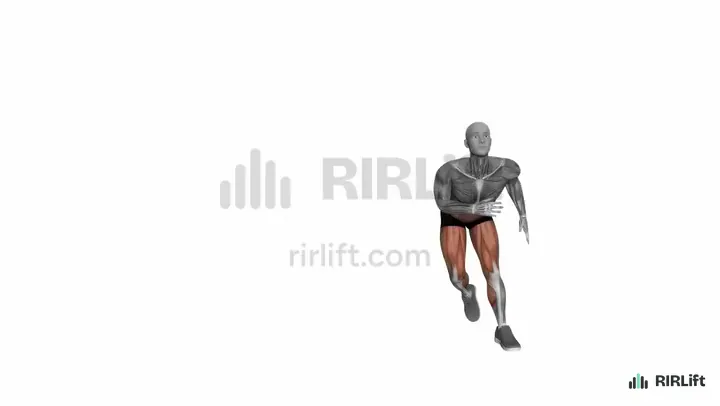
- Skater Hop Glutes, Quads, Abductors
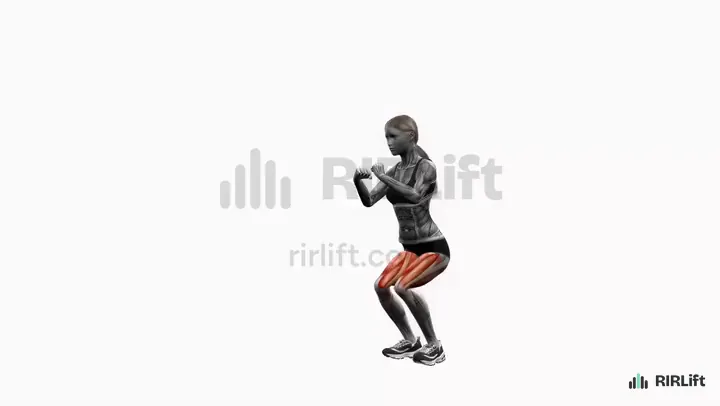
- Jump Squat Quads, Glutes
Put them together: example sessions
Each session below picks from the exercises above for one situation, with the sets, reps, rest and RIR filled in. Open one in the session builder to change a pick, price it from a recent set, and add it to RIRLift.
-
Session 1
Parking lot before the first run
You ski for the day and want the first run to feel smooth.
1× a week · 8 sets a week · ~10 min
-
Session 2
Very cold days and after lunch
It is freezing, or you have sat still for a long lunch and feel stiff.
1× a week · 11 sets a week · ~10 min
-
Session 3
Before a ski-prep gym session
You train before the season to get your legs ready.
2× a week · 22 sets a week · ~15 min
Session 1
Parking lot before the first run
- Workouts1× a week
- Working sets8 a week
- Per workout~10 min
- EquipmentBodyweight
You ski for the day and want the first run to feel smooth.
Raise, mobility and short primers that you can do in boots in seven minutes. Nothing is tiring.
| Exercise | Sets × reps | RIR | Rest |
|---|---|---|---|
| Jumping JackSeconds. | 2 × 30 | 4 | 10 s |
| High KneesSeconds. | 1 × 30 | 4 | 10 s |
| Leg SwingsPer leg. | 1 × 10 | 4 | 0 s |
| Arm CirclesEach direction. | 1 × 10 | 4 | 0 s |
| Bodyweight Squat | 1 × 10 | 4 | 15 s |
| Cossack SquatPer side. | 1 × 5 | 4 | 15 s |
| Skater HopPer side. | 1 × 6 | 3 | 30 s |
- How to run it
- Do it before your first lift, and again in short form after a long lunch break.
- How to progress
- Add a second set of skater hops once the routine feels easy.
Session 2
Very cold days and after lunch
- Workouts1× a week
- Working sets11 a week
- Per workout~10 min
- EquipmentBodyweight
It is freezing, or you have sat still for a long lunch and feel stiff.
Longer raise and more ankle and hip work, because cold, stiff joints take longer to loosen. The primers stay short.
| Exercise | Sets × reps | RIR | Rest |
|---|---|---|---|
| Jumping JackSeconds. | 3 × 30 | 4 | 10 s |
| High KneesSeconds. | 2 × 30 | 4 | 10 s |
| Ankle CirclesPer foot, before buckling. | 1 × 10 | 4 | 0 s |
| Leg SwingsPer leg. | 2 × 10 | 4 | 0 s |
| Bodyweight Squat | 2 × 10 | 4 | 15 s |
| Jump Squat | 1 × 3–5 | 3 | 30 s |
- How to run it
- Use it on cold mornings and after long breaks.
- How to progress
- Shorten the raise as the day warms up.
Session 3
Before a ski-prep gym session
- Workouts2× a week
- Working sets22 a week
- Per workout~15 min
- EquipmentResistance Bands
You train before the season to get your legs ready.
Adds band activation and jumps, so the main leg work starts with the hips switched on.
| Exercise | Sets × reps | RIR | Rest |
|---|---|---|---|
| Jumping JackSeconds. | 2 × 45 | 4 | 15 s |
| Cossack SquatPer side. | 2 × 5 | 4 | 15 s |
| Bodyweight Squat | 1 × 10–12 | 4 | 15 s |
| Lateral Band WalkSteps each way. | 2 × 10–12 | 3 | 15 s |
| Skater HopPer side. | 2 × 6–8 | 3 | 30 s |
| Jump Squat | 2 × 4–5 | 3 | 45 s |
- How to run it
- Use it at the start of your ski-prep sessions.
- How to progress
- Add a third set of skater hops in the last weeks before the season.
Make it fit you
-
Snowboarding
Do the same routine. Add a few extra cossack squats, since your stance loads the hips side to side.
-
In ski boots
Keep jumps small, and swap skater hops for shuffles if the boots feel awkward.
-
Knees feel stiff
Do slow bodyweight squats first, then cossack squats only as deep as feels smooth.
-
Use the first run
Ski an easy run with short turns that gradually get wider. The first run finishes the warm-up.
-
Logging ski prep
Log each prep set's reps in reserve in RIRLift, and the next session's weight is picked from it.
Questions
How do you warm up for skiing?
Get warm with jumping jacks and high knees, loosen the hips, knees and ankles with swings and squats, then do a few skater hops and jumps. Make your first run easy.
What exercises prepare you for skiing?
In the weeks before the season, squats, lunges and lateral work for the legs. The exercises for skiing page has a full program.
How long should a ski warm-up be?
About seven minutes before the first run and a short version after long breaks.
Should I stretch before skiing?
Keep it moving before you ski. Longer held stretches suit the end of the day.
Can I warm up in ski boots?
Yes. Keep the jumps small, and do the ankle circles before you buckle up.
Related templates
-
Exercises for skiing: leg strength, lateral power and ski workouts
The pre-season strength program for skiers.
-
Legs warm up: an 8-minute routine you can do anywhere
A wider warm-up for leg days.
-
Knees warm up exercises: from no load to full bend in seven minutes
More prep if your knees feel stiff.
-
How to warm up for plyometrics
A jump-focused warm-up for prep sessions.