
Warm up for squats: rehearse the depth, then climb the bar
Published October 24, 2026
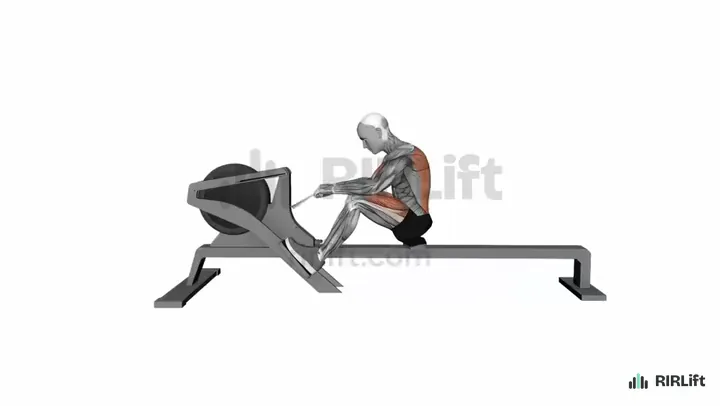
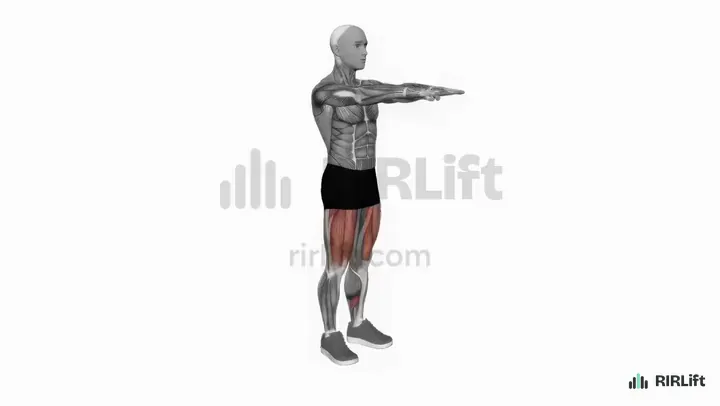
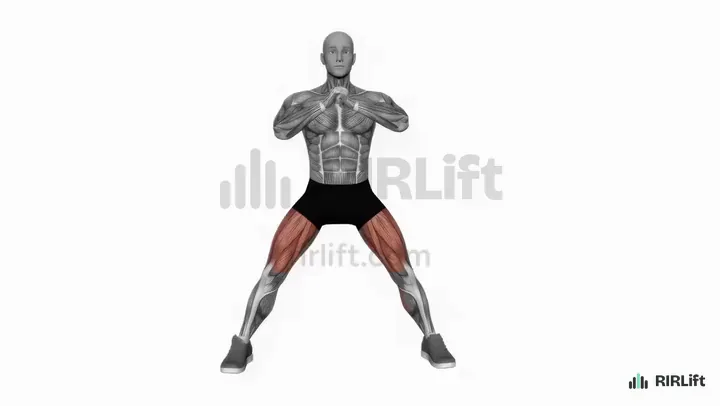
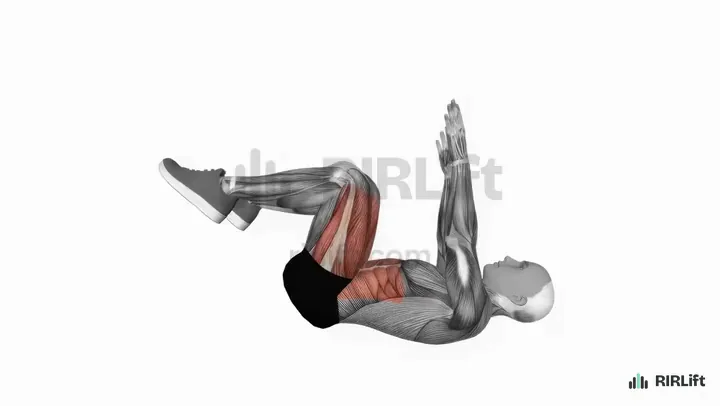
To warm up for squats, row easily for 4 minutes, then do 10 slow bodyweight squats with a pause at the bottom, 5 cossack squats per side, 8 dead bugs per side and 8 heels-elevated goblet squats. Then squat the empty bar for 8 to 10 reps and add weight in 3 or 4 jumps, cutting to 5, 3 and 1 or 2 reps, so your last warm-up set is a little lighter than your first working set. Rest 1 to 2 minutes between the heavier jumps.
- Rowing Machine Quads, Hamstrings, Glutes, Lats
- Bodyweight Squat Quads
- Cossack Squat Quads, Adductors
- Dead Bug Abs
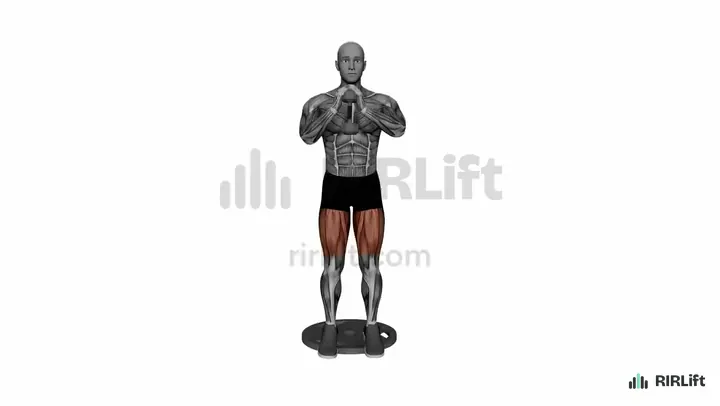
- Heels-Elevated Goblet Squat Quads
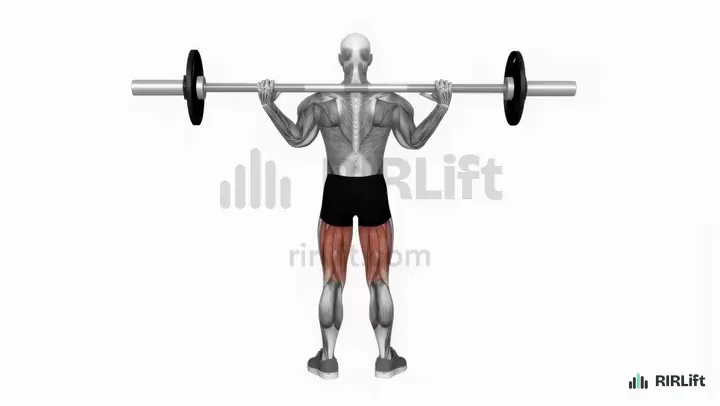
- Barbell Back Squat Quads, Glutes, Adductors
Put them together: example sessions
Each session below picks from the exercises above for one situation, with the sets, reps, rest and RIR filled in. Open one in the session builder to change a pick, price it from a recent set, and add it to RIRLift.
-
Session 1
Heavy high-bar squat day
Your working sets are heavy back squats for 3 to 5 reps.
2× a week · 24 sets a week · ~30 min
-
Session 2
Low-bar squat for strength
You squat low-bar and your working weight is high.
2× a week · 22 sets a week · ~30 min
-
Session 3
Box squats to fix depth
Your depth changes from rep to rep, or you lose confidence at the bottom.
2× a week · 24 sets a week · ~25 min
Session 1
Heavy high-bar squat day
- Workouts2× a week
- Working sets24 a week
- Per workout~30 min
- EquipmentRowing Machine, Dumbbells, Barbells
Your working sets are heavy back squats for 3 to 5 reps.
The full warm-up ends with four bar jumps, because the heavier the work, the more steps you need between the empty bar and the working weight. Working sets stay at 1 to 2 reps in reserve so technique holds and you recover for the next squat day.
| Exercise | Sets × reps | RIR | Rest |
|---|---|---|---|
| Rowing MachineSeconds. | 4 × 60 | 4 | 0 s |
| Bodyweight Squat2 s pause at the bottom. | 1 × 10 | 4 | 0 s |
| Cossack SquatPer side. | 1 × 5 | 4 | 0 s |
| Dead BugPer side. | 1 × 8 | 4 | 15 s |
| Heels-Elevated Goblet Squat | 1 × 8 | 4 | 30 s |
| Barbell Back Squat4 warm-up sets first | 4 × 3–5 | 2 | 3 min |
- How to run it
- Row, do the depth and brace work, then the goblet squat, then go to the bar.
- How to progress
- When your working weight goes up 20 lb or more, add a jump.
Session 2
Low-bar squat for strength
- Workouts2× a week
- Working sets22 a week
- Per workout~30 min
- EquipmentRowing Machine, Resistance Bands, Dumbbells, Barbells
You squat low-bar and your working weight is high.
Band walks join the warm-up because low-bar depends on the hips and knees staying out. Five bar jumps cover the bigger distance to your working weight, with rest growing as the weight rises.
| Exercise | Sets × reps | RIR | Rest |
|---|---|---|---|
| Rowing MachineSeconds. | 4 × 60 | 4 | 0 s |
| Cossack SquatPer side. | 1 × 5 | 4 | 0 s |
| Lateral Band WalkSteps each way. | 1 × 10 | 4 | 0 s |
| Dead BugPer side. | 1 × 8 | 4 | 15 s |
| Goblet Squat | 1 × 8 | 4 | 30 s |
| Barbell Low-Bar Squat4 warm-up sets first | 3 × 3–5 | 2 | 4 min |
- How to run it
- Same order as the heavy plan, with band walks after the cossack squats.
- How to progress
- Add weight when every working set hits 5 reps at 2 reps in reserve.
Session 3
Box squats to fix depth
- Workouts2× a week
- Working sets24 a week
- Per workout~25 min
- EquipmentRowing Machine, Dumbbells, Barbells
Your depth changes from rep to rep, or you lose confidence at the bottom.
More depth work and a box set at your target depth. Lighter working weights and 2 to 3 reps in reserve let you own the bottom position before you push the load.
| Exercise | Sets × reps | RIR | Rest |
|---|---|---|---|
| Rowing MachineSeconds. | 3 × 60 | 4 | 0 s |
| Bodyweight Squat2 s pause at the bottom. | 2 × 10 | 4 | 0 s |
| Cossack SquatPer side. | 1 × 5 | 4 | 0 s |
| Heels-Elevated Goblet Squat | 2 × 8 | 4 | 30 s |
| Box Squat3 warm-up sets first | 4 × 5–6 | 2 | 2:30 min |
- How to run it
- Do the bodyweight squats twice, then the heels-elevated goblet squats, then build up on the box.
- How to progress
- Once depth is consistent at 2 reps in reserve, move back to free squats at the same depth.
Make it fit you
-
Bar jumps for a 315 lb squat
45 for 10, 135 for 5, 185 for 3, 235 for 2, 275 for 1, 295 for 1, then your working sets. A lighter squat needs fewer of these steps.
-
Squatting after deadlifts or another lift
Skip the rowing and cut to the goblet squat and two bar jumps; you are already warm.
-
No plate under the heels
Use a regular goblet squat with a slightly wider stance.
-
Logging in RIRLift
Log the reps in reserve on each working squat set. RIRLift picks the next session's weight from it, so the bar jumps lead to the right number.
-
Training at home with no rack
Do the warm-up as written, then use goblet squats or heels-elevated goblet squats as your working sets.
Questions
How many warm-up sets before squats?
Three to five. Light working weights need about three; heavy weights near your max need four or five, with fewer reps on each as the weight climbs.
How do you warm up for squats?
Easy cardio, slow paused bodyweight squats, cossack squats, a bracing drill like the dead bug, a light goblet squat, then bar jumps from the empty bar to your working weight.
Should I stretch before squats?
Use moving range instead of long holds: paused squats and cossack squats take your hips and ankles to depth while keeping you warm.
How much rest between squat warm-up sets?
Little rest on the light jumps, 1 to 2 minutes on the last two, so you start your first working set fresh.
Will 20 bodyweight squats a day make a difference?
For depth and comfort at the bottom, a daily set helps many people. For strength or muscle, you need loaded squats close to failure.
What are common mistakes when warming up for squats?
Doing too many reps on heavy warm-up sets, skipping depth until the first working set, and jumping from the bar straight to a heavy weight.
Related templates
-
Warm-up sets
How to space warm-up jumps for any lift.
-
Squat: how to do the barbell back squat, what it works and what to swap in
Technique for the back squat.
-
Warm up for leg day: bike, mobility, activation, then ramp-up sets
The general leg day warm-up.
-
Box squat: how to do it, how high the box should be, and when to use it
Setting up and training the box squat.
-
Knees warm up exercises: from no load to full bend in seven minutes
If your knees feel stiff before you squat.