
Apple Watch soccer workout: the gym work behind the match, logged on your wrist
Published November 7, 2026
To record a match or a practice, Apple's Workout app has a Soccer type for indoor and outdoor play. The strength work is a different session: run it in RIRLift on the Watch, log the weight, reps and reps left for every set, and it is saved to Apple Health as Traditional Strength Training. Below are plans for the off-season, a match week, and a player with no gym.
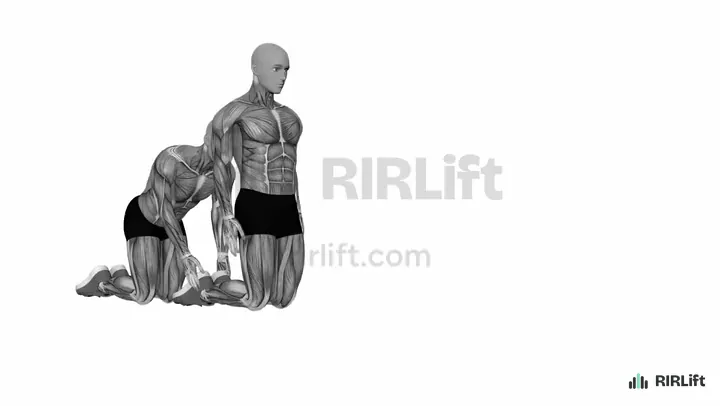
- Nordic Hamstring Curl Hamstrings
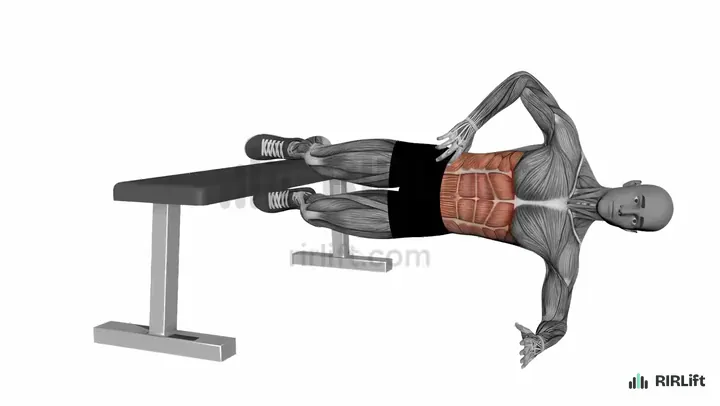
- Copenhagen Plank Adductors, Abs
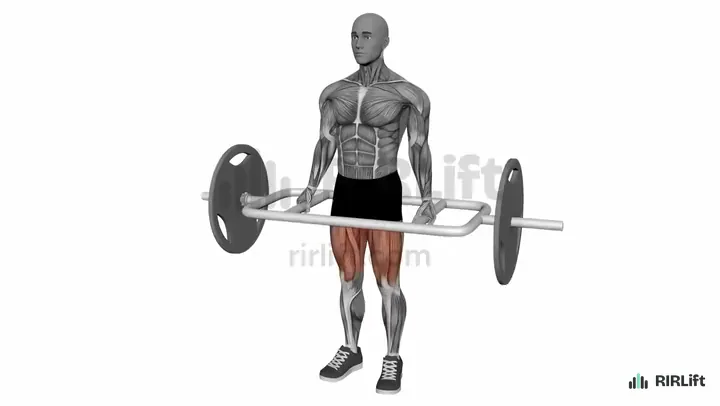
- Trap Bar Deadlift Quads, Glutes
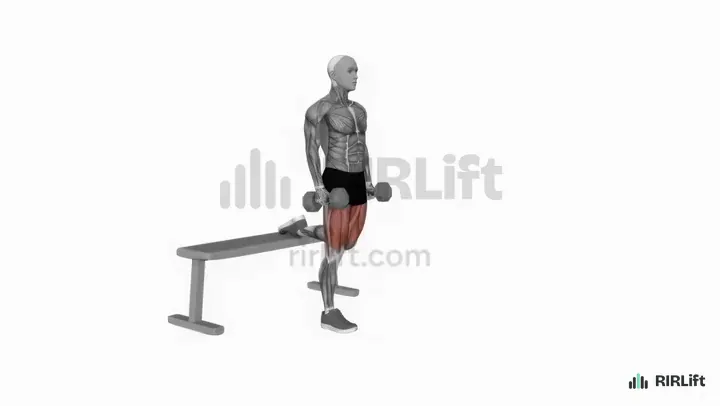
- Bulgarian Split Squat Quads, Glutes
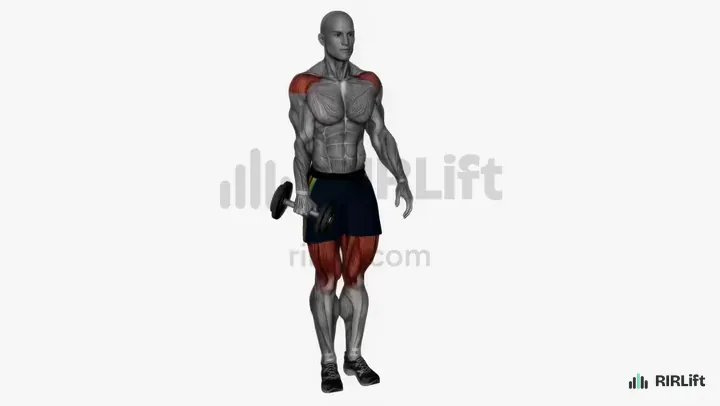
- Single-Leg RDL Hamstrings, Glutes
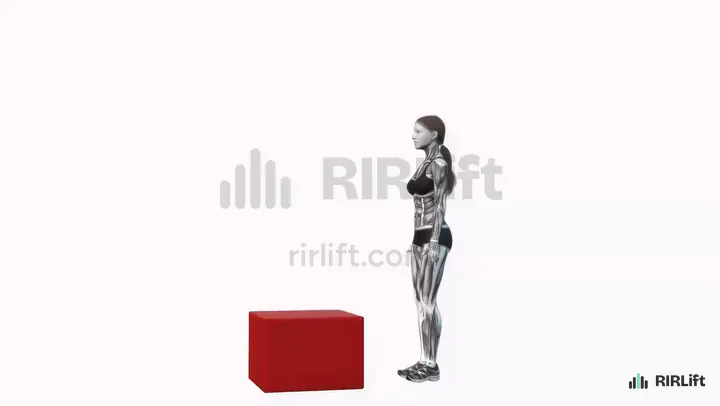
- Box Jump Quads, Glutes, Hamstrings
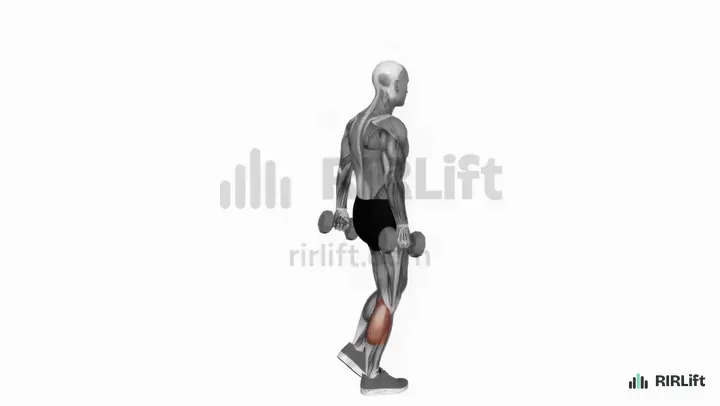
- Single-Leg Calf Raise Calves
Put them together: example sessions
Each session below picks from the exercises above for one situation, with the sets, reps, rest and RIR filled in.
-
Session 1
Off-season: three gym days
Your league is out for six to eight weeks, you have a full gym, and you want to come back stronger and faster.
3× a week · 47 sets a week · ~45 min
-
Session 2
Match on Saturday: one lift on Tuesday
You play a match every weekend and train with the team twice in the week. There is room for one lift, and Thursday is too close to the game.
1× a week · 11 sets a week · ~30 min
-
Session 3
No gym: a pair of dumbbells and a couch
You play pickup or Sunday league, train at home, and own a pair of adjustable dumbbells.
2× a week · 44 sets a week · ~50 min
Session 1
Off-season: three gym days
- Workouts3× a week
- Working sets47 a week
- Per workout~45 min
- EquipmentPlyo Box, Trap Bar, Dumbbells, Pull-Up Bar +1
Your league is out for six to eight weeks, you have a full gym, and you want to come back stronger and faster.
Two days alternate. Day A pairs jumps with the trap-bar deadlift, split squats and nordics, 16 working sets. Day B pairs hops with single-leg RDLs, chin-ups, Copenhagen holds and the Pallof press, 15 working sets. The heavy lifts rest 2 to 3 minutes so they can stay heavy.
| Exercise | Sets × reps | RIR | Rest |
|---|---|---|---|
| Box JumpStep down. | 3 × 3–5 | 3 | 90 s |
| Trap Bar Deadlift2 warm-up sets first | 4 × 4–6 | 2 | 3 min |
| Bulgarian Split SquatPer leg. | 3 × 6–10 | 2 | 2 min |
| Nordic Hamstring Curl | 3 × 3–6 | 1 | 2 min |
| Single-Leg Calf RaisePer leg. | 3 × 10–15 | 1 | 1 min |
| Exercise | Sets × reps | RIR | Rest |
|---|---|---|---|
| Skater HopPer side. | 3 × 4–6 | 3 | 1 min |
| Single-Leg RDLPer leg. | 3 × 8–12 | 2 | 90 s |
| Chin-Up | 3 × 5–10 | 2 | 2 min |
| Copenhagen PlankPer side. | 3 × 20–30 s | 2 | 45 s |
| Pallof PressPer side. | 3 × 10–12 | 2 | 1 min |
- How to run it
- Alternate A and B three times a week: A, B, A one week and B, A, B the next. Import it, switch to it in My Programs, and its routines show up on the Watch ready to start. Do the jumps first, then log each set on the Watch before you rest.
- How to progress
- Double progression, judged on your weakest set. Trap-bar deadlift at 225 lb with a target of 5: you log 6, 6, 6, 5, the weakest set hit 5, so the bar stays at 225 lb and the target becomes 6. Log 6, 6, 6, 6 and every set is at the top of 4 to 6, so the next session opens at 230 lb for 4. Nordics progress by reps: when every set reaches 6, hold a light plate at your chest and log its weight.
Session 2
Match on Saturday: one lift on Tuesday
- Workouts1× a week
- Working sets11 a week
- Per workout~30 min
- EquipmentPlyo Box, Trap Bar, Pull-Up Bar
You play a match every weekend and train with the team twice in the week. There is room for one lift, and Thursday is too close to the game.
Two days after the match the soreness is fading and there are four days left to recover. Two sets per lift, three on chin-ups, at 3 reps in reserve keep the strength you built without leaving you heavy on Saturday: 11 working sets in about 30 minutes.
| Exercise | Sets × reps | RIR | Rest |
|---|---|---|---|
| Box JumpStep down. | 2 × 3 | 3 | 90 s |
| Trap Bar Deadlift2 warm-up sets first | 2 × 3–5 | 3 | 3 min |
| Nordic Hamstring Curl | 2 × 3–4 | 3 | 2 min |
| Copenhagen PlankPer side. | 2 × 20 s | 3 | 45 s |
| Chin-Up | 3 × 5–8 | 3 | 90 s |
- How to run it
- Run it on Tuesday, or two days after the match when the fixture moves. Import it, switch to it in My Programs, and its routines show up on the Watch ready to start. Skip it in a week with two matches.
- How to progress
- Keep the trap bar near the weight you reached in the off-season. At 230 lb for 3 to 5: log 5 and 5 and next Tuesday opens at 235 lb for 3. Log 4 and 3 after a hard match and you are inside the range, so the bar holds. Log 2 with 1 left on the first set and the next set drops to 215 lb: 230 × 32 ÷ 35 is about 210, but one set never drops more than 7% below the one before.
Session 3
No gym: a pair of dumbbells and a couch
- Workouts2× a week
- Working sets44 a week
- Per workout~50 min
- EquipmentDumbbells
You play pickup or Sunday league, train at home, and own a pair of adjustable dumbbells.
The couch anchors your feet for nordics and holds your top leg for Copenhagen planks, so the hamstring and groin work the gym plans have is all here. One routine of 22 working sets, twice a week, in about 50 minutes.
| Exercise | Sets × reps | RIR | Rest |
|---|---|---|---|
| Skater HopPer side. | 3 × 5–6 | 3 | 1 min |
| Goblet Squat | 3 × 10–15 | 2 | 90 s |
| Single-Leg RDLPer leg. | 3 × 8–12 | 2 | 75 s |
| Nordic Hamstring CurlFeet under the couch. | 3 × 3–6 | 2 | 2 min |
| Copenhagen PlankPer side. Top leg on the couch. | 2 × 15–25 s | 2 | 45 s |
| Push-Up | 3 × 8–20 | 2 | 1 min |
| One-Arm Dumbbell RowPer arm. | 3 × 10–12 | 2 | 1 min |
| Single-Leg Calf RaisePer leg. | 2 × 12–15 | 1 | 45 s |
- How to run it
- Twice a week with at least a day between, and not the day before you play. Import it, switch to it in My Programs, and its routines show up on the Watch ready to start. Kneel on a cushion for nordics and have someone hold your ankles if the couch moves.
- How to progress
- Dumbbells are logged per hand. Single-leg RDL with a 35 lb dumbbell for 12, 12, 12 on each leg tops the 8 to 12 range, so next time it is 40 lb for 8. If your dumbbells do not go up in 5 lb steps, lift the next one you have and log it; the next set works from what you logged.
Make it fit you
-
Time the holds from the Watch
Copenhagen planks are timed sets. Tap Start hold on the Watch for each side so the clock runs for you, then log it.
-
One leg at a time
For split squats, single-leg RDLs and calf raises, log the reps for one leg and do the same on the other. If one side is weaker, let it set the reps for both.
-
No trap bar at your gym
Before the session starts, the Watch offers replacements for equipment the gym is missing and can remember the choice for that gym, so a barbell deadlift can stand in without editing the plan.
-
When the fixture moves
Keep two days between a match and the match-week lift, and at least two days before the next match. In a week with two matches, play them and lift the week after.
Questions
What workout should I pick on Apple Watch for soccer?
For a match or practice, Apple's Workout app has Soccer, indoor or outdoor. For the gym session you do not pick one in RIRLift: any session with a lift in it is saved to Apple Health as Traditional Strength Training.
Do box jumps count as strength training?
In RIRLift a session with only jumps and hops is saved as Cross Training. Add any lift, like the deadlift in these plans, and the whole session is saved as Traditional Strength Training.
Do I need my phone in the gym?
No. The session runs on the Watch and each set is saved there as you log it. It syncs to the iPhone when the two are back in range.
How often should soccer players lift during the season?
Once a week fits most players with a weekend match: two days after the game, short, and well short of failure. In the off-season, two or three days.
Related templates
-
Exercises for soccer players: speed, strength and durable legs
More soccer exercises and longer gym plans, including a hamstring and groin block.
-
Warm up for soccer: jog, open the hips, wake the groin, then sprint
The 15-minute routine before kickoff.
-
Nordic hamstring curl: how to do it, scale it, and program it
The nordic in detail, with easier and harder versions.
-
The leg workout you run from your Apple Watch
Leg sessions run from the Watch for any lifter.
-
Why logging on your wrist beats your phone
What changes when the phone stays in the bag.